Jade-Fused Warlord Battle Pass
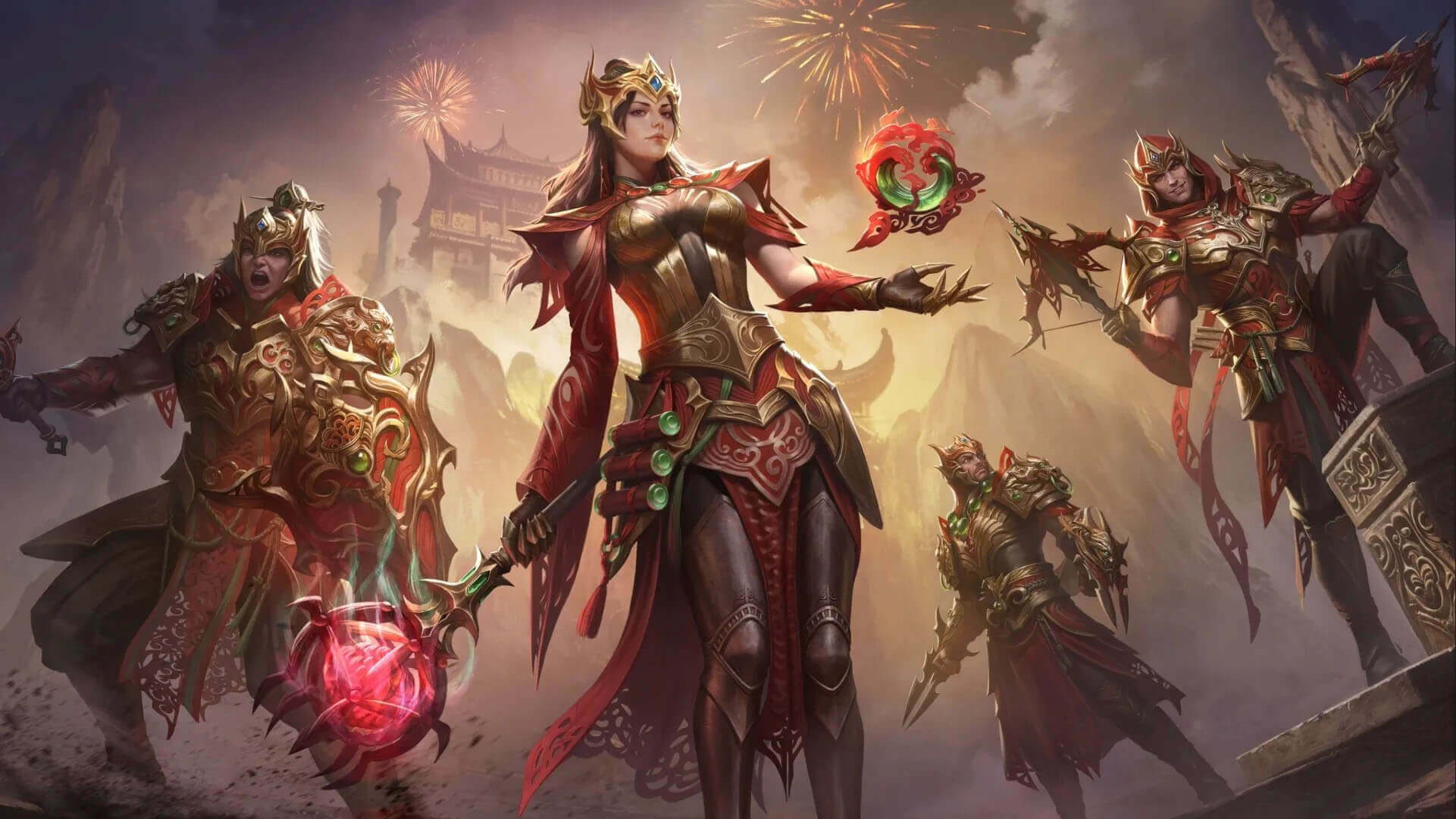
Diablo Immortal, keeps its endurance by frequent content updates and the inclusion of seasonal Battle Passes. The Jade-Fused Warlord-themed Season 49 is a major artistic and narrative effort in the game's development structure. This season combines the harsh realities of historical battle with a dash of supernatural elegance, all about the strong imagery of jade. More than just a simple beauty update, this Battle Pass shows how committed the creators are to making players more involved by using different ways to progress, giving them lots of ways to change their character, and making the story feel like it comes from the books and movies we already know. The Jade-Fused Warlord theme provides both committed gamers and occasional visitors a good incentive to spend time and money on Sanctuary's continuing wars.
Thematic Fusion of Jade and Dominance
The heart of the Jade-Fused Warlord concept is the contrast of mystical intrusion with existing power. Traditionally linked in many civilizations with attributes like longevity, discipline, and ultimate power, jade is reused here as not only an ornament but also a necessary, almost corrupting agent. Jade is shown here as a living force woven into the quite fabric of martial equipment. This idea transforms the aesthetic design from typical fantasy armour into something charged with ancient relevance. The visual palette is strong; battle-worn metal surfaces are set against deep emerald and vivid jade-green accents. Ornate armour designs with shining veins of this energy reinforce this graphic identity even more since they imply that the warlords have become rulers by embracing this magical feature as opposed to just using it. Including historical insignia clearly communicates domination and conquest, therefore indicating a merciless search of victory founded on this sophisticated but also naturally violent look.
Player Incentive, Lore Integration and Immersive Design
Similar to earlier seasons, the Season 49 Battle Pass accommodates different levels of player engagement. The tiered reward structure guarantees that veterans buying the Collector's Empowered Pass get actual benefits matching their effort as well as the committed free-track grinders who spend a lot of time. Maintaining a large player base depends heavily on this dual approach. Unquestionably, the premium track reveals the most complex and aesthetically different Jade-Fused Warlord cosmetic sets, sometimes with special weapon effects or legendary item visual alterations that obviously indicate the player's level and investment. Within the game community, these top-tier prizes are great social currency. Moreover, the Battle Pass is a vital way to distribute gameplay rewards other than just cosmetics, usually linking progression milestones to the acquisition of valuable resources, scrap materials, or temporary combat bonuses that help players to overcome the more difficult endgame content of the game, such as high-level Elder Rifts or tough raids.
The popularity of Diablo Immortal depends mostly on how well it can integrate fresh ideas into the already existing, gloomy lore of Sanctuary. Although only surface-level, the Jade-Fused Warlord concept suggests more complex storyline possibilities. The idea of a warlord gaining aberrant longevity or exceptional martial prowess by means of jade fusion implies an investigation of forbidden techniques or old agreements made by strong people looking for permanent control. Design driven by lore guarantees that the material seems earned as opposed to random. Though basic seasonal problems usually allude to in-game settings or historical events, they help to improve the general immersive experience. By presenting the new cosmetics inside a framework that implies both imperial building and paranormal decay, Blizzard successfully keeps the dark fantasy mood that distinguishes the Diablo universe and shows that seasonal updates can significantly help to create the game world's feel.
Overview of the Season 49 Battle Pass in Diablo Immortal
Many live service games still depend on the regular Battle Pass system as a mainstay of long-term involvement plan, and Diablo Immortal's Season 49 presentation follows this proven pattern by carefully balancing free access with premium rewards. By dividing benefits across several levels, this mechanism seeks mostly to reward regular player involvement, both financially and temporarily. From casual players to committed spenders, the Season 49 Battle Pass's tiered incentive scheme appeals to a wide range of the player base by means of its Free Track, Empowered Battle Pass, and high-tier Collector's Pass. However, the main selling point of this season depends largely on the excellence and thematic coherence of its exclusive cosmetic goodies, especially the Jade-Fused Warlord set.
Tiered Progression and Player Accessibility
The free track's accessibility guarantees that every active player gets significant rewards all year long. Gold, vital upgrade ingredients, and a variety of utility goods like crests are among the basic rewards in this system that are necessary for character development. Additionally, for non-paying consumers, certain cosmetic products and seasonal progression boosters help to lessen the sensation of being totally isolated from seasonal beauty. Maintaining a healthy environment depends on this strategy since it justifies the time commitment of the whole player community.
The first level up, the Empowered Battle Pass, brings in the main set of rewards that cost money. Buying this tier gives players access to the whole range of unique seasonal goodies as well as improved seasonal resources. These include the Jade-Fused Warlord cosmetic pieces, unique profile decorations such portrait frames, and particular emotes that improve social signalling inside the game. Most importantly, the Empowered Pass usually speeds up progression, so players who spend money can reach the highest reward faster, which encourages efficiency along with commitment. The pinnacle of seasonal involvement for the most dedicated group of gamers is the Collector's Empowered Pass. Designed especially for perfectionists, this tier provides quick incentives like Battle Pass level skips that quickly increase progress. Beyond this time-saver, it opens more, unique cosmetic variants linked to the Jade-Fused Warlord theme. These usually include very prestigious visual effects, which are a clear indication of a person's complete dedication to the season and show that they are highly successful and have a lot of prestige among their friends.
Cosmetic Highlights and Thematic Cohesion
The most important thing about the Season 49 Battle Pass seems to be how it looks. A high point in seasonal cosmetic design, the Jade-Fused Warlord armour sets show great visual harmony across all playable classes. Successful cosmetic design in Diablo Immortal can convert a core idea, in this instance jade infusion and warlord authority, while honouring the unique shapes and personalities of every class. The armour sets have jade-infused plating and often have animated glow effects, which suggests there is a power inside that is being used. Appropriately fitting this theme, weapons are often seen as etched with old runes encircling brilliant jade cores. This commitment to thematic integration goes beyond armour into practical components; Warlord-themed emotes are meant to highlight dominance and power in player interactions. Profile cosmetics give real visual evidence of seasonal success, hence strengthening their status. These components serve as status indicators, highlighting a player's commitment all during Season 49, not only as accessories.
Progression Value and Player Incentives
From a pragmatic perspective on player investment, the Season 49 Battle Pass follows the proven pattern of providing good returns for steady activity. Daily and weekly goals are set to encourage consistent participation without requiring a tremendous, prohibitive grind. Regular log-ins guarantee that gamers can count on a consistent supply of resources required for continuous character optimization thanks to this expected prize pacing. The method successfully encourages long-term seasonal commitment by including unique, attractive incentives into a defined advancement curve. For gamers who value efficiency above all else, the mid-tier Empowered Pass is still a very good deal. It comes with unique content that you can't get anywhere else, and it also has the basic progression multipliers that you need. This makes it worth the money for serious players who want to get the most out of their in-game power and appearance roster in the most efficient way possible
Why Season 49 Stands Out
Some seasons stand out as benchmarks for further development inside the terrain of continuous updates since they appeal to the player base more successfully than others. Season 49 of Diablo Immortal, which is based on the Jade Fused Warlord, is a great example of how to make a season look good. Its distinguishing characteristic is not only based on ephemeral novelty but also on a conscious coherence among its thematic components, the calibre of its rewards, and the underlying philosophy of its progression system. This season effectively strengthened the gloomy fantasy mood of the game by using a reward system that felt reasonable to committed gamers and considerate of occasional participation.
Thematic Cohesion and Atmospheric Reinforcement
The Jade Fused Warlord season is distinguished by its ability to enhance Diablo Immortal's existing grim fantasy vibe. For Sanctuary, the visuals linked with this theme—jade, strong armour, and martial discipline blended with corruption—provided a very different but also contextually suitable flavour. Unlike times when cosmetic kits feel totally out of place, the Jade Fused Warlord blends perfectly into the mythology. The visual effect of the premium Battle Pass goodies screamed luxury right away, but the design philosophy behind them made sure that this prestige complemented the surroundings instead of contradicting it. This thematic consistency promotes greater immersion. When players chase incentives that seem naturally related to their surroundings, the incentive to participate in the related grind or effort is much higher than just from numbers. These products' visual storytelling drove much of the participation in seasons.
Balanced Reward Structure and Player Motivation
Season 49 stood out for providing excellent cosmetics in a way that honoured various levels of investment within the player base. One frequent trap in seasonal models is generating an instant divide between paying and non-paying gamers, which frequently causes resentment among those who favour free participation. The Jade Fused Warlord Battle Pass seems to have found a good balance. Though top tiers clearly had the most aesthetically impressive pieces, the free track offered steady, significant progress markers. More significantly, the system appeared set to reward consistency above pure financial activity. Those players who consistently finished the weekly tasks and kept up with their regular play earned substantial benefits, therefore highlighting the need of time spent. Emphasizing regular activity over instant financial investment promotes ongoing involvement, which is quite important for the long-term viability of any online game ecosystem. This design gently lets players know that the game itself should be valued for its own sake.
Creating a Memorable Seasonal Identity
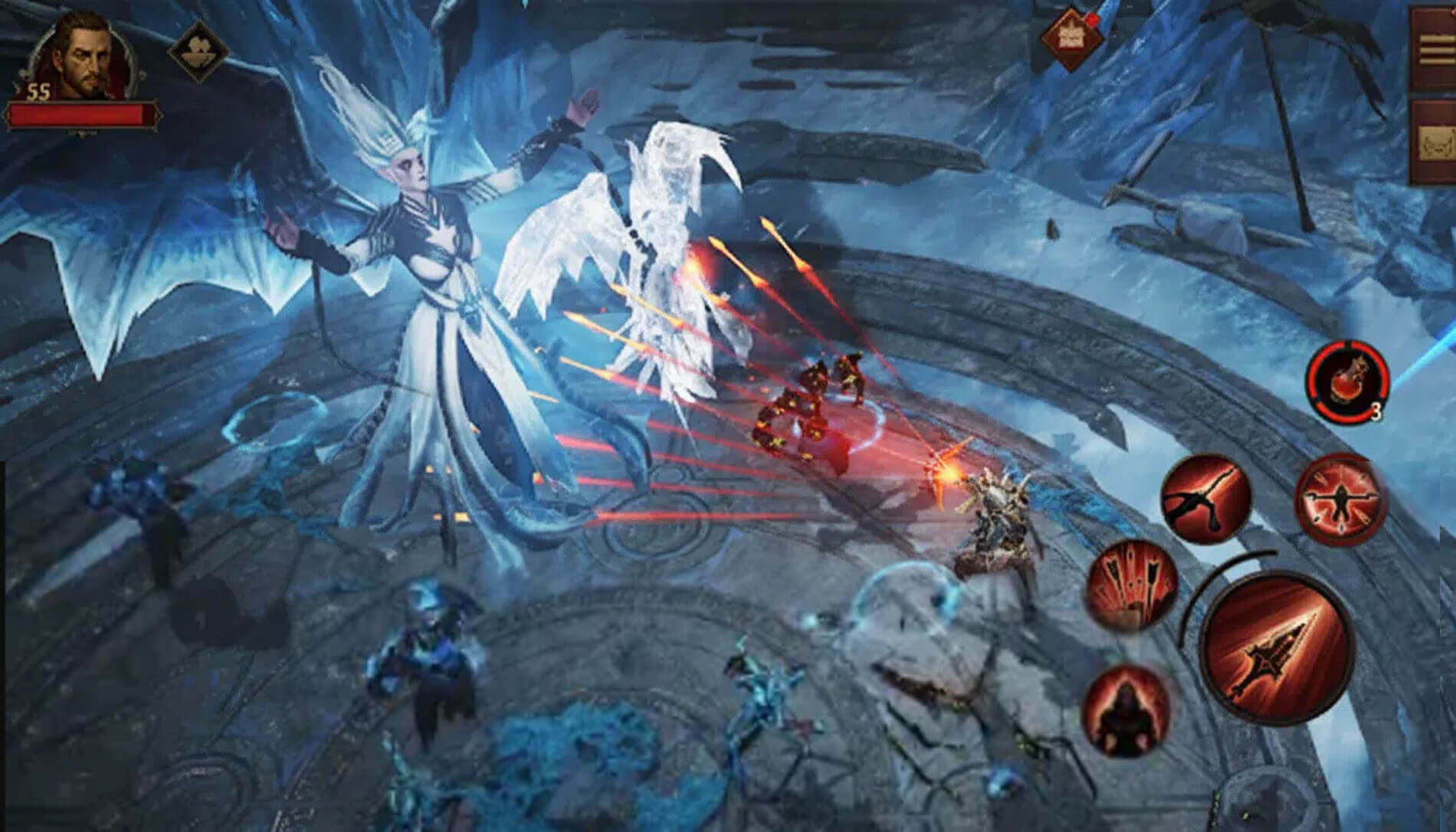
For Season 49, the mix of great theming and well-judged progression produced a very distinctive seasonal identity. A good season has a long-lasting effect that is sometimes measured by how long its cosmetic sets stay in use or by the good feedback players have about the time when it came out. The Jade Fused Warlord set this by having its incentives seem aspirational. Those who invested saw the armour and graphics as quick status symbols denoting commitment during that particular era. For those who watched, the theme was so visually unique that it stood out against the background of earlier and later content releases. This uniqueness keeps away seasonal tiredness and guarantees that every new version seems like a new chapter instead of a small modification on an existing theme. The polish put on these rewards points to a deliberate attempt to raise the bar for upcoming Battle Passes so they won't seem like mere filler material.
The Strategic Value of Limited Time Events in Season 49
A limited-time event's success turns on its design and the apparent worth of its prizes. From February 4th to February 11th, the Winds of Fortune Regale offers a targeted, brief-term incentive probably related to main seasonal goals or the debut of fresh cosmetic lines. After this, the Lend an Ear to Untold Tales event, which lasts for almost the whole month, focuses on keeping people interested by having different PvE challenges that give you Telluric Pearls. Directly connecting event participation to meaningful character progression, this particular reward system is important; Telluric Pearls are frequently precursors to obtain high-tier equipment or improve legendary items. The strategic rotation across this PvE trilogy—Survivor's Bane, Trial of the Hordes, and Fractured Plane—guarantees that players have to interact with a range of gameplay loops rather than just concentrating on one preferred activity. This forces adjustment to many challenge criteria and stops content fatigue, hence imitating a well-rounded training regimen for the player base.
The overlapping and sequential character of the offers guarantees practically no downtime when a high-value reward is unavailable. Starting February 25th and running for a whole month, the Redeemer's Reception returns a mix of familiar material right after the first wave. Returning events, though perhaps less spectacular than totally new ideas, serve two purposes: They give experienced players a trustworthy way to gather crucial resources quickly and they give younger players proven methods to make up for earlier missed special incentives. Adding unique rotations inside this return period, like separate timetables for Trial of the Hordes and Fractured Plane versus the continuation of Survivor's Bane, refines the grind. Including Wild Brawl also guarantees that player vs player interaction stays a legitimate path for reward earning, therefore balancing the PvE emphasis found in other areas.
Knowing that there is only a limited amount of time to earn Telluric Pearls or certain seasonal currency from an event like Sing the Ballad of the Moon (running February 4–25), players are motivated to play a lot during that time. Daily active users are driven by this mechanism, which also raises the general average session length throughout the event period. For a game like Diablo Immortal, in which repeated grinding causes character power to climb noticeably, these events are strong accelerants. At least within the framework of event completion itself, they reward active engagement over mere purchasing power and democratize access to otherwise slow progression pathways. The developers successfully control the pace of the whole server population's power curve with respect to the stated season roadmap by connecting physical progression items to time-gated material.
The Mechanics of the Winds of Fortune Regale

The "Winds of Fortune Regale" event usually focuses on daily or weekly participation goals that reward players with the tools they need to make their characters better, like legendary item upgrade materials or useful crafting components. Such occurrences are focused accelerators in a game environment where progression might sometimes turn into a long slog. Encouragement for gamers to log in regularly during the event window comes from the "Regale" component, which hints at either wealth or more frequent rewards. This approach uses the psychological idea of scarcity; knowing the higher benefits are only temporary motivates quick action. For instance, gamers would spend much more time throughout that week than they would during a regular progression cycle if the event provides a higher drop rate for certain resonance stones, hence increasing instant server activity statistics.
Key details:
• Buff lasts 24 hours once activated (real time)
• If not activated manually, it auto-activates at event end
• Unclaimed rewards are auto-claimed on next login
Double rewards apply to:
• Gold
• Experience
• Battle Pass Points
• Normal Gems
• Legendary Items
• General item drops
Duplicate drops from activities:
• Horadric Bestiary
• Challenge Rifts
• Bounties
• Fishing
• Dungeons
• Purge the Depths
• Accursed Towers
• Hidden Lairs
• Wilderness farming
• Codex activities
Additional notes:
• 4-player party Normal Gem bonus drops are doubled and ignore the daily cap
• Only the first 12 Common Gems per day are tradable
• Battle Pass reward tiers are not doubled
• Weekly Battle Pass Point and Normal Gem caps remain unchanged
• Bonus Experience is affected by existing XP modifiers
• Duplicate rewards are capped per item type
Ephemeral Storytelling of the Lend an Ear to Untold Tales
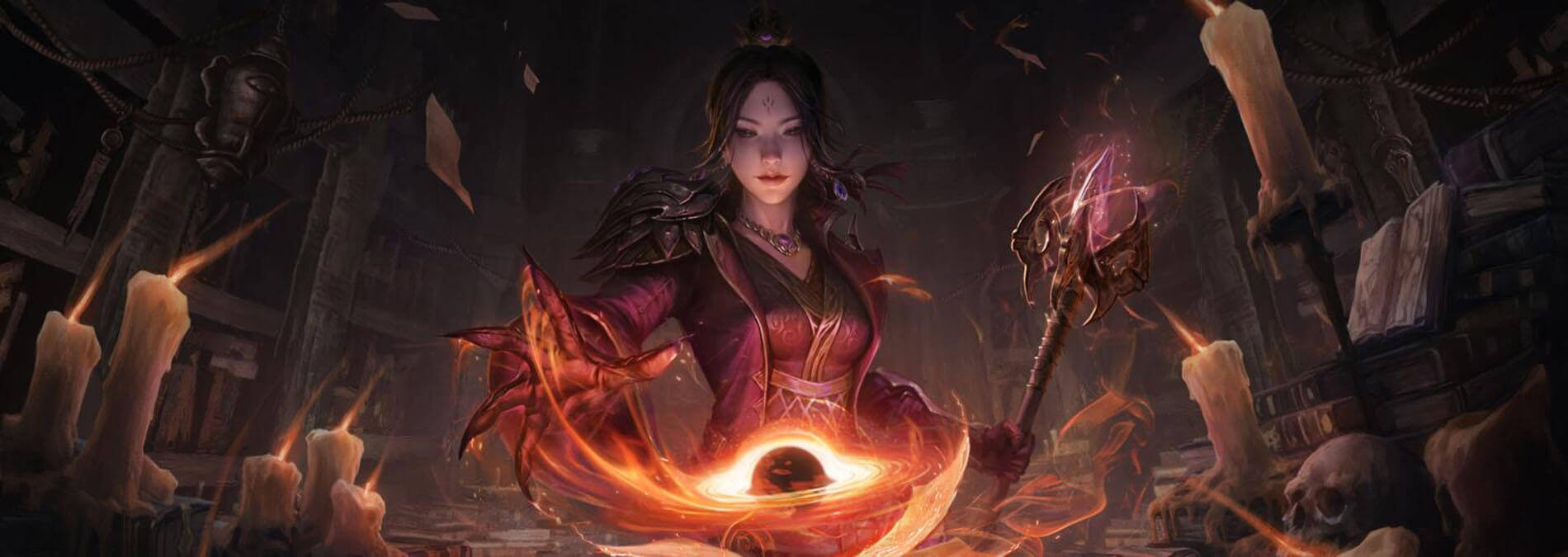
Although Diablo Immortal's main storyline stays the same, side quests, which flesh out the mythology of the world without need for major changes to the main quest line, frequently include smaller, local events. "Lend an Ear to Untold Tales" clearly points to a text-based or audio narrative experience centred on ambient storytelling taken from the experiences of forgotten historical figures or non-player characters inside Sanctuary. Deepening player immersion is a really important secondary benefit of this. Players sense they are privy to special information when they are presented with rare lore titbits only available during the event period. These story extensions are successful since they link player behaviour specifically to discovery, hence rewarding curiosity together with fighting ability. This strategy turns regular gaming sessions into chances for literary investigation.
Event rotation:
• Survivor’s Bane: February 2 – February 11
• Trial of the Hordes: February 11 – February 18
• Fractured Plane: February 18 – February 25
Deserve the Redeemer’s Reception
February 25 – March 25, 3:00 a.m. local server time
A collection of returning events allows players to earn additional rewards by participating in familiar seasonal content.
Event schedule:
• Survivor’s Bane: February 25 – March 4
• Trial of the Hordes: March 4 – March 11
• Fractured Plane: March 4 – March 11
• Wild Brawl: March 18 – March 25
Cultural Resonance of the Sing the Ballad of the Moon
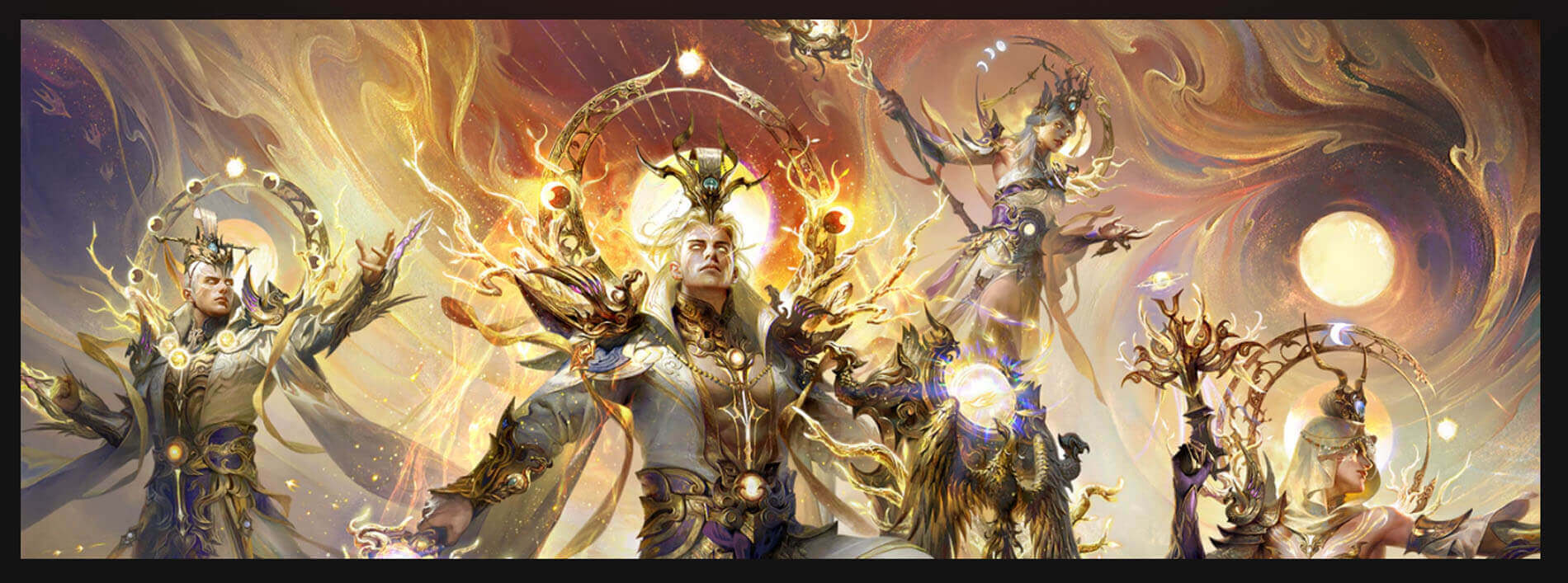
Including "Sing the Ballad of the Moon" suggests an event based on particular cultural or seasonal motifs meant to provide thematic diversity away from the continuous demonic struggle. These occasions often include special minigames or visually unique cosmetic rewards based on themes other than the usual gloomy fantasy scene. Such conceptual separation is essential to stop content tiredness. If every update just talks about bigger problems with servers or things happening across the board, the game feels the same all the time. A "Ballad" points to music, poetry, or a particular festival setting so that players can interact with Sanctuary in a more gentle, maybe more communal way. Because of their graphic uniqueness, the prizes associated with such events are sometimes quite sought after as status symbols that highlight the player's activity during that very short window of opportunity.
Together, these three different events—one on mechanical progression ("Regale"), one on lore ("Untold Tales"), and one on thematic variety ("Ballad of the Moon") show a complete engagement plan. They cover the three primary motivators of long-term player commitment: the need for narrative background, the draw of novelty and exclusivity, and the wish for real power. Blizzard makes sure that practically every kind of player has a good reason to log in many times during Season 49 by spacing out the incentives and concentrating player attention across several areas of the game at once. The effectiveness of these short-term windows is assessed not only by current concurrent user numbers but also by how well they bring participants back into the regular end-game cycle once the events are over, ideally with improved equipment and more comprehensive background.
These scheduled activities serve multiple critical functions: injecting novelty, incentivizing player activity, and accelerating character progression. Among these, events focused on resource accumulation are particularly potent. The Winds of Fortune event, as exemplified by the Season 49 iteration spanning February 4 to February 11, offers a powerful, time constrained opportunity for players to rapidly enhance their standing within Sanctuary. Analysing the mechanics of Winds of Fortune reveals a carefully calibrated system designed to maximize player return on investment during its limited window.
Players who purchase the Ballad of the Moon Phantom Market can unlock additional cosmetic enhancements by spending 4,500 Orbs in the in-game shop.
This upgrade allows:
• Hair colour changes
• Halo ring cosmetic
• New back ornament
Challenge Rift Expansion and Scaling Adjustments
For Season 49, the Challenge Rift system will be completely redone. This is the most important change that has been announced so far. For committed players, the need for more endgame vertical movement is directly solved by adding 50 new floors that increase the maximum capacity to Floor 750. This growth implies that the developers understood the most skilled explorers were too rapidly reaching the earlier barrier. Setting the ultimate Combat Rating threshold at 59,968 offers players aiming for absolute completion a definite, albeit ambitious standard. One especially interesting feature of this scaling is the modification to Floors 681–700, which have decreased Combat Rating criteria. This intentional reducing of the climb in that particular range acts as a progressive soft cap, letting players who have invested a lot but perhaps not optimally to break the 700-floor level without needing perfection in every gear slot, so facilitating the path to the recently created peak.
Balancing Inferno Difficulty and Helliquary Progression
Beyond the Challenge Rift, the mid- to late game received a lot of focus by changing the difficulty of Inferno. Rebalancing World and Dungeon content in Inferno IX through XI together with Helliquary bosses’ points to a trend toward aligning the game's difficulty curve. Progression can sometimes become quite irregular in difficult games with several scaling vectors such as Combat Rating and gear specialization. These particular changes are meant to make sure that the Helliquary's growing challenge, which is the main way to get power in the late game, matches the difficulty you face in regular open world and dungeon activities. Such alignment guarantees that time spent in one area of the endgame meaningfully contributes to general strength rather than separating some activities as either too harsh or trivially simple in relation to others. This technique helps to unify the path to optimum achievable power and smoothes progression, therefore simplifying the trip.
Class Fixes and Community Integration
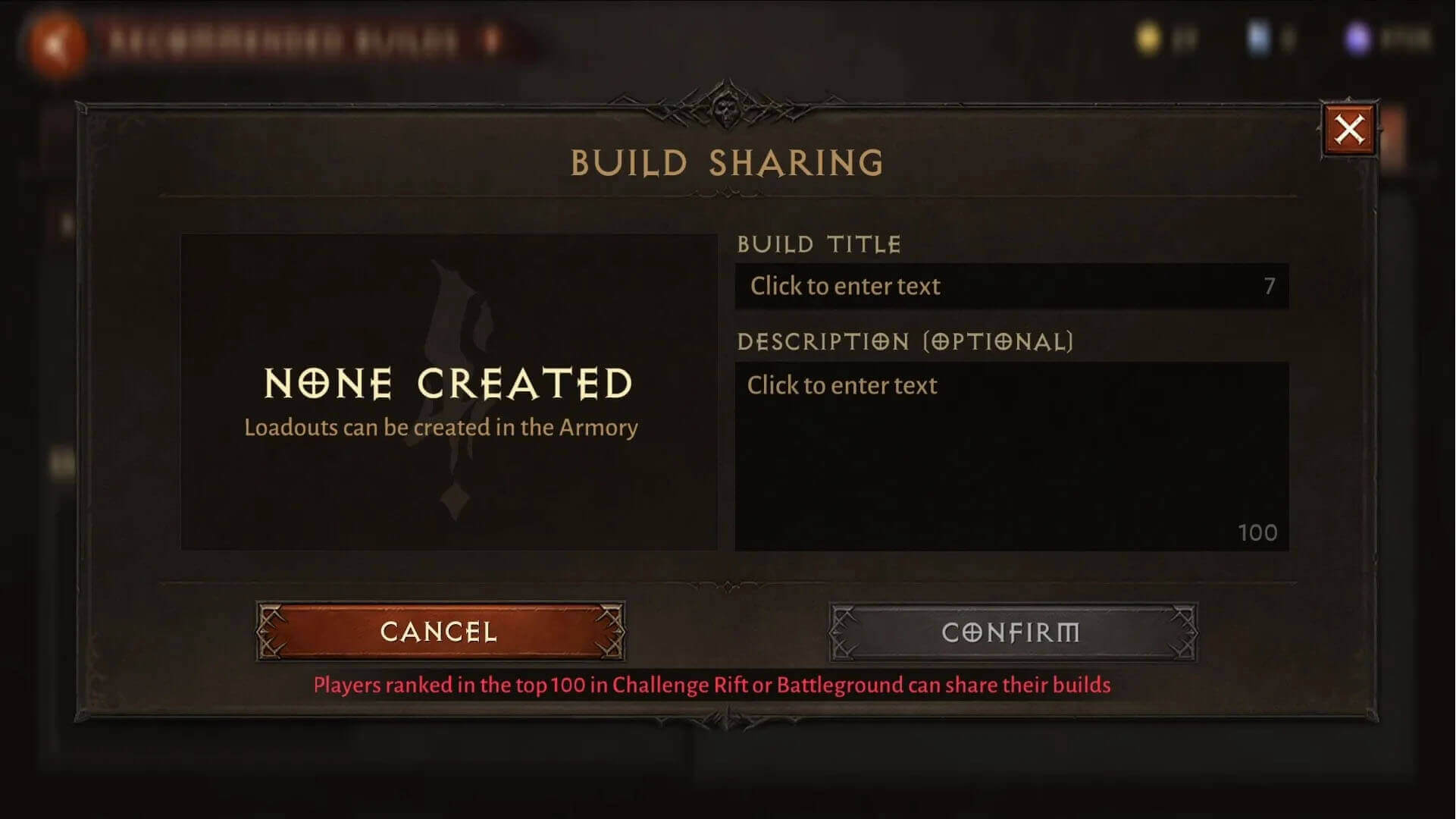
Dealing with particular class mechanisms and enhancing the game's social infrastructure are both absolutely necessary for any significant patch. The Druid class especially profited from the Charm Effect Update as it corrected an anomaly whereby, unlike the Blood Knight transformations, Druid transformation attacks did not adequately benefit from Charm effects. Maintaining class parity and guaranteeing that players who commit to a particular build get the anticipated power returns depend greatly on these mechanical fixes. The addition of improved community features at the same time shows an understanding of the player base's need for linked progression tracking. Together with share buttons for Top 100 Challenge Rift and Battleground players, the growth of the Community Build Recommendation Tab helps meta-share. Enabling builds to be shared via text strings, QR codes, or chat helps to simplify the implementation of effective ideas, therefore promoting a more knowledgeable and competitive community landscape. The fundamental quality of life and balancing improvements were everywhere important even if the new Resonance Wing Customization System debuting just in the CN region suggests regional variations in content distribution.