Diablo Immortal's Triumphant Return of the Bout of Realms
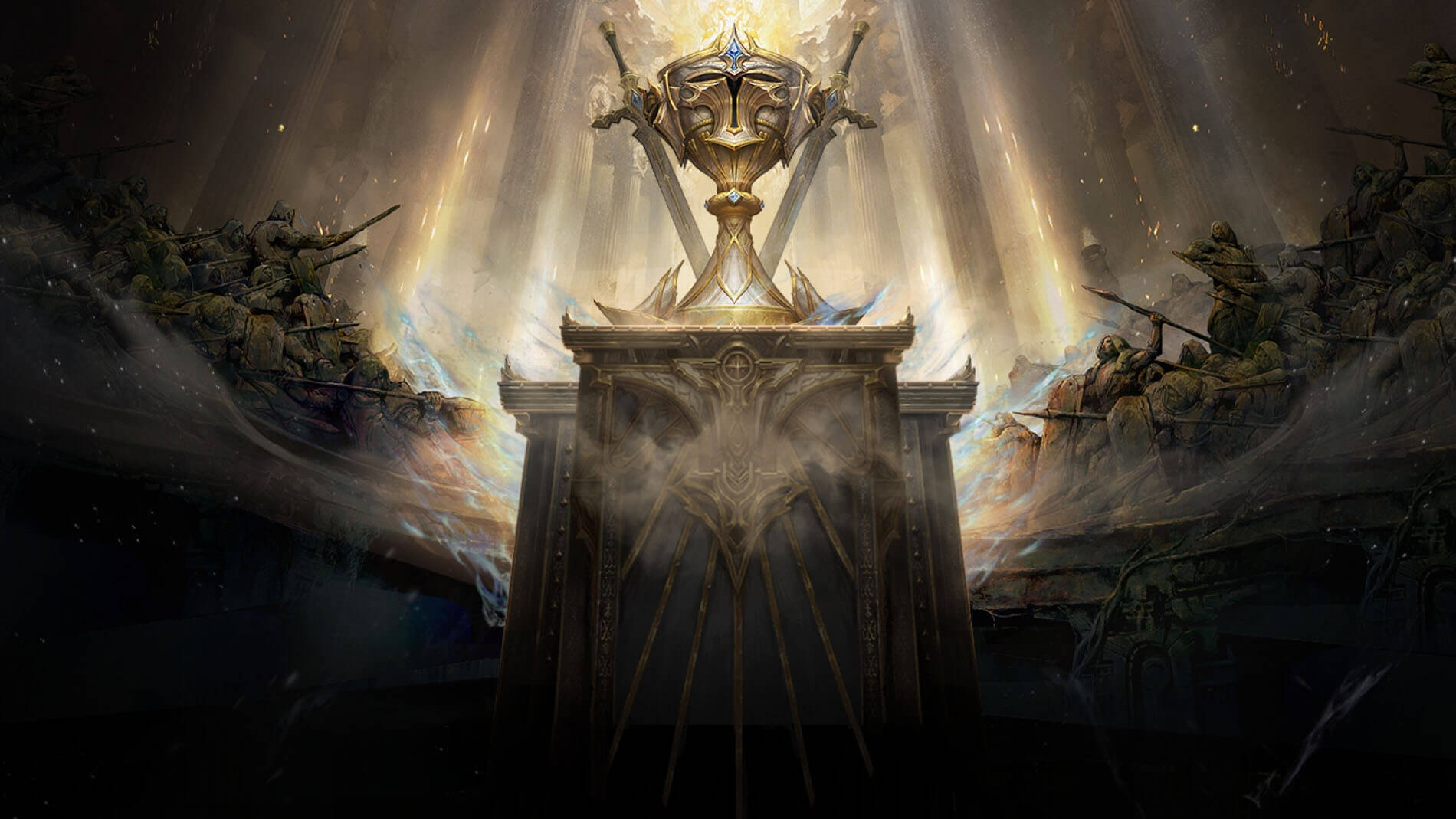
Constantly under assault from demonic forces, the world of Sanctuary calls upon its bravest warriors from time to time not just to fight the eternal struggle but also to test their mettle against one another. The return of the Bout of Realms in Diablo Immortal is a big event in the game's competitive scene, offering players a structured, high-stakes Player versus Player (PvP) experience meant to boost server pride and provide unmatched prestige. This multistage Tower War competition goes beyond basic fights; it needs strategic cooperation, consistent performance, and the building of unbreakable team bonds across regional borders. The Bout of Realms has a clear path to ultimate glory, rewarding dedication with special cosmetics and useful in-game assets.
The appeal of the Bout of Realms is its scale and requirement for commitment. Unlike casual PvP battles, this event calls for the formation of a dedicated team of up to eight players from the same server. The first phase of the tournament is a qualifier that, like past versions, determines which server faction will go to the final regional showdown. The act of signing up itself forces players to face the social dynamics of competitive gaming that are needed. Choosing teammates wisely is not just a suggestion; it is a must if you want to win. In a game where individual character power is important, the Bout of Realms shows that sustained, coordinated group play can beat raw individual strength. This reliance on teamwork is similar to what happens in real life in team sports or professional projects where different skills must come together under a single strategy.
The Tower War is the main mechanism of the Bout of Realms; it is a continuous struggle that tests endurance as much as it tests rapid battle skill. Teams attack and defend in a methodical way, moving around the battlefield to get objectives that help them in the standings. To do well in this game, you need to know how to use your class well, manage your cooldowns, and change your tactics based on what the other team does. For example, a team that relies mostly on burst damage needs to attack at the same time, while a defensive team needs players who can hold the line and deny area to protect the captured towers. The qualification stage gets rid of the less organized teams so that only the eight-person squads that are the most dedicated and tactically smart move on.
The victory structure is purposefully layered to raise the perceived value of the accomplishment. Teams first have to win over their local server pool to become regional champions. This first win makes them the best fighting force in their area, which earns them immediate bragging rights and initial rewards like Legendary Crests, which are very important for character development. But the real show starts when these regional winners move on to the cross-regional championship. This move really makes the competition bigger, as the best team from the Asian and Pacific servers goes up against the best from the Western servers that cover North America and Europe.
This cross-regional conflict marks the peak of the competition. It makes champions face opponents who have overcome totally different meta challenges and who probably use different strategic preferences shaped by their local player bases. The difference in server cultures can lead to amazing matchups where well-known regional strategies are pitted against unfamiliar ones. The eventual crowning of a single cross-regional champion shows the pinnacle of achievement in this competitive cycle, giving eternal glory that goes beyond server identity. The famous cosmetic rewards that come with this ultimate victory act as permanent, visible reminders of this elite status, setting these players apart from the rest of the world.
Ultimately, the victorious return of the Bout of Realms emphasizes Diablo Immortal's dedication to meaningful, organized PvP content. The competition provides a clear and challenging road to greatness by means of a multi-tiered Tower War system that needs exact teamwork, strategic depth, and resilience. From building a trusted eight-person group on one's home server to finally standing victorious over regional rivals, the journey inside the Bout of Realms acts as a powerful story of digital battle, rewarding discipline and coordinated effort with the highest honours Sanctuary can offer.
Grand Return of Competitive Spirit

Among these, the Bout of Realms stands out as a top test of skill, coordination, and dedication, as Blizzard Entertainment's Diablo Immortal has cemented its place within the dynamic world of mobile Massively Multiplayer Online Role-Playing Games through major competitive events. Its comeback, divided into a Cross Server phase followed by a Cross Regional culmination, presents a compelling framework for understanding modern esports organisation and the fierce competition it generates across a worldwide player base. Participating teams need strategic preparation for this one, which is a big commitment to high level esports engagement.
The Cross Server Bout of Realms Preliminaries is the first obstacle. It's a tough opening segment meant to weed out the large pool of people who want to participate. To get through this stage, teams have to work hard and be consistent. They have to play fifteen matches in five days, which means they have to play three matches in a row every day. This makes sure that only the best teams move on. The scoring system is simple but unforgiving: three points for a win and one for a loss. Forfeits get nothing. Importantly, ties are broken by the total number of kills, which makes sure that only the strongest teams move on. This is because the number of teams that move on depends on how many people are playing on the server. This makes sure that only the best teams move on.
The competition moves into the Elimination Rounds after the Preliminaries, where the sixty-four qualified teams compete in a higher stake setting. This phase lasts ten days and features a best of three elimination style. This design calls for quick adjustments; one bad performance can lead to elimination; thus, teams must keep peak form throughout several nightly challenges. Success in these rounds entails advancing daily until only the final contenders remain for the ultimate showdown. The Finals themselves represent the peak of the Cross Server competition, set for a focused two-day period, November 22nd through 23rd. Here, the format tightens even further to a best of five encounter. The crowning of the server Champion marks the end of this entire phase, with the runner up securing a respected second place, hence validating the efforts made over the previous weeks of intense fighting.
The real indicator of success, however, is the second major phase: the Cross Regional Bout of Realms. In this stage, the Cross Server Champions, who have just been crowned, face off against top teams from different parts of the world. This is a true global battle of the best. This competition is broken down into two main parts: Asia/Pacific and Europe/North America. Each part has eight strong teams. This regional separation recognizes the different ways that the game is played and the number of players in different parts of the world.
The Cross Regional stage's qualifying requirements highlight the local strength needed to reach this level. For the Asia/Pacific Division, Mainland China sends the top four teams from the Cross Server round that came before, while Japan, Korea, and Southeast Asia each send their respective Champion and Runner-up teams. This shows a strong regional emphasis on performance within established competitive hubs. Likewise, the Europe/North America Division draws its strength from the top four teams from the Cross Server Tournament, with the Champion and Runner-up teams from each of the North America East and North America West servers completing this structure to guarantee that the final continental champions represent the absolute best their respective mega-regions have to offer. Ultimately, the Cross Regional Bout of Realms concludes with a Champion being declared for both the Asia/Pacific and Europe/North America Divisions, therefore providing a final, definitive answer to the question of regional supremacy in Diablo Immortal.
The phases of the Diablo Immortal Bout of Realms offer a thorough roadmap for arranging large-scale mobile esports. From the first grind of the Preliminaries, which demands daily discipline, to the tense ladder system of the Eliminations, to the climactic Finals, the tournament progressively raises the level of required performance. The Cross Regional stage that follows elevates the competition to a world stage, testing the adaptability and overall skill of the finest teams against competitors from around the globe. This ambitious, multi-layered event not only gives the players significant rewards and entertainment but also greatly supports the long-term viability and competitive integrity of Diablo Immortal as a major force in the world gaming scene.
Return to Bout of Realms Victorious

The initial stage of the Bout of Realms focuses on exclusivity and qualification, starting with invitations sent between November 24 and November 30. This invitation process immediately establishes a meritocratic basis for involvement. Only players or teams with a particular level of success or consistent skill in past gameplay cycles are qualified. This strictly controlled entry point serves several important purposes. First, it validates the achievements of the top echelon of the player base, therefore rewarding commitment and strategic acumen. Second, it naturally generates hype; the prospect of receiving an invitation becomes a strong incentive for all players aiming to reach that elite status. Furthermore, the need for confirmed participation—that is, a minimum number of teammates accept—introduces an early component of teamwork assessment. The contingency plan, which allows runner-up teams to be picked if initial invites are not fully accepted, ensures that the tournament brackets remain robust and maintains competitive intensity without compromising the integrity of the selection process.
After the invitations, the Double Round Robin—running from December 1 through 8—becomes the most difficult and decisive stage of the competition. This format is the foundation of a fair competitive assessment. By having every team in a division play every other team twice, the structure reduces the influence of single-match anomalies or lucky breaks and forces teams to show sustained consistency and adaptability across a range of match-ups. The schedule calls for each team to play 14 games, which is a lot, and it separates the people who are serious about winning from those who are just playing around. The scoring system used in this phase heavily rewards winning: three points for a win versus only one point for a loss. This makes sure that teams that are focused on getting wins will quickly outpace those who are just trying to avoid losing. Forfeits, which give zero points, highlight the seriousness of the commitment needed. Also, the way that the organizers chose which server to use, whether it was to prioritize distance or find a fair middle ground, shows that they were trying to reduce the differences in latency so that the competition would be decided by skill rather than technical disadvantage, which is really important in the world of online gaming.
December 9 Grand Finale is the result of this organized competition. The structure guarantees that the two most obviously successful teams will face off in the Grand Finale on December 9. By picking the top two point-earners from the intense round robin stage, the structure ensures that the Grand Finale will be the most exciting event of the year. Unlike a single-game match, a best of five Grand Finale raises the stakes significantly because it requires tactical adjustments across several games, which means that the winner will be the team that is the best at making these changes. This makes the story of the event more dramatic and makes sure that the Grand Finale is the most important event of the year.
The return of the Bout of Realms, carefully planned and scored, is a small example of how well Blizzard manages to use player energy in a free-to-play game. It turns the game experience into a focused, time-bound story. By setting clear goals for entry, making sure players play well during the double round robin, and then having a decisive final, Blizzard is able to get players to play well and keep the community involved. This helps Diablo Immortal stay in the competitive gaming world.
Spectator Mode for Elimination Rounds and Finals

The most notable structural changes come from simplifying the competition format by clearly removing the dedicated "Elimination" and "Finals Rounds" from the event hub interface. While the competitive stages are still important to the event, most players will find it easier to navigate if they are not shown as separate, distinct hubs. This simplification points to a move towards a more continuous flow from the preliminary stages to the decisive final matches, which keeps the action focused and easily available. In complicated competitive systems, over segmentation can confuse or frustrate players; therefore, simplifying the visual presentation helps players stay focused on the ongoing battles rather than having to navigate through several administrative sections of the event.
Adding to this structural change is the Top 4 Prediction System. This feature is a classic one from other esports that is meant to get more people interested in the tournament than just the players who are actually playing. By letting all players predict the top four finishing teams at the beginning of the Elimination phase, the system turns people who are just watching into active gamblers. This makes the final standings feel more important to the whole server population, which encourages people to keep watching the high-tier matches, even if their own team has been eliminated. This, along with other things that make the tournament more interesting, makes the final standings feel more important to the whole server population.
Enhanced Team Management Features also help to address the critical issue of team cohesion and recruitment. Competitive performance in games like Diablo Immortal depends heavily on coordinated action, but social organization within the game client often lags behind the demands of organized play. The ability to share teams directly within chat channels makes the recruitment process more efficient, turning what would have been a tedious manual invitation into a simple broadcast mechanism. Furthermore, the addition of a dedicated team chat channel is a big improvement to the quality of life because it makes it easier for captains to scout potential recruits or analyse their opponents with more precision, which adds a layer of strategic depth to the construction of a roster that was once more difficult to do.
The extensive and tiered rewards structure supports the value proposition for high level competition. The difference between first and fourth place is significant, especially the "Lord of the Wild Avatar Frame" and the "Immortal King Title (90 Days)" for the top spot. These items act as permanent status symbols that set the elite competitors apart long after the event is over. The progressive structure, which gives a lot of Experience, Gold, and guaranteed Set/Legendary Items to teams placed 33rd to 64th, makes sure that a lot of the competitive bracket feels like they are being recognized for their hard work. Beyond the final standings, the consistent rewards given out per match—including a lot of Experience, Gold, and guaranteed Set/Legendary Items—make sure that participation itself is very rewarding. This lessens the frustration that comes from losing many times and keeps people involved in the tournament at all stages. The extra rewards for winning preliminary matches make the deal even sweeter because they show how important early success is for qualifying for the later, more prestigious rounds.
New Familiar Amalgamations -The Evolution of Companionship

In the world of Sanctuary, the never-ending conflict against the demonic hordes is frequently defined by the hero's personal skill and the strong powers acquired from legendary gear. But, an ever more crucial part of a player's toolset in Diablo Immortal is their Familiars, loyal companions who have borne the load of many battles. This change is a big step forward for these creatures, as they go from being simple combat helpers to being specialized, powerful extensions of the player's own abilities. This change makes the companion system better by going beyond just boosting stats and creating a complex layer of strategic personalization driven by rare chance and careful investment.
The main force behind this change is the Aberrant Conversion process. When players choose to change their Aberrant Familiars, there is a chance that something amazing will happen: a new subspecies is born. This doesn't always happen; it's like a rare stroke of luck that shows how valuable the resulting creature is. Familiars that change in this way get an Amalgamation, which is a special Legendary Trait that makes them work differently. Most importantly, this change affects their Active Skills, giving them more power and making them able to be used in new ways. This is why the resulting creature is so valuable; it is like a rare stroke of luck.
Amalgamated Familiars offer a significant and multi-faceted power increase. These improved Familiars get access to more powerful, newly created Active Skills that build on what they already have. More importantly, they are given at least two Legendary Skills, which shows that their inherent strength is much higher than that of their non-amalgamated counterparts. This boost completely changes how useful Familiars are. Previously, they may have offered extra damage or a little bit of utility; Amalgamated Familiars bring in specialized battlefield control and area denial abilities that must be taken into account in high-level content.
Rarity deliberately limits the process of getting an Amalgam to guarantee that these strong allies stay respected achievements. While any Aberrant Conversion offers a chance of producing a Subspecies Familiar, the following Amalgamation is much more difficult to get. The system uses the Conversion Stone to help reduce the natural randomness by raising the likelihood of getting a Subspecies Familiar if one is not already used in the conversion. This feature recognizes that players want control and offers a resource sink to boost the chances of starting the evolutionary chain.
The system shows a careful respect for players who manage to get an Amalgamated Familiar. If such a creature is then employed in a Conversion process, the game makes sure that the newly created Familiar shares the species of the Amalgam Familiar used or one of the Amalgams if several are used. This serves as a kind of species lock, enabling committed players to lock in their chosen Familiar path once a strong Amalgam has been obtained, hence guaranteeing that the investment made in going for that rare Amalgamation is not lost through later refinement phases.

Looking at particular cases like Varog, the Thunderous Amalgam, and Skitterwight, the Flame Amalgam best shows the real benefits of Amalgamation. Varog's normal Active Skill targets an enemy with a steady, short range damage beam. However, its Amalgam Active Skill makes it much more useful. It keeps the fast damage application but adds a lightning effect that can hit up to three enemies nearby. This turns Varog from a concentrated damage dealer into an efficient pack clearer, all while cutting its cooldown from twenty seconds to twelve, which greatly increases its uptime.
Skitterwight likewise experiences a strong area denial change. While the Normal Active Skill produces a fixed hazard, the Amalgam version offers a mobile, explosive initiation capability, enabling the player to aggressively alter the battlefield. These instances demonstrate that Amalgamations do not just increase current stats; they provide fresh tactical choices via enhanced, specialized abilities.
The Familiar Amalgamation system in Diablo Immortal is a clever development of the companion mechanic. It rewards perseverance by virtue of its intrinsic rarity; offers tactical pathways for probability manipulation via Conversion Stones; and gives dedicated players powerful species consolidation by virtue of its inherent rarity. By giving Familiars whole new, enhanced Active Skills and boosting their Legendary complement, Amalgamations turn these creatures from background support into key strategic tools, thereby forcing players to interact closely with the subtle interaction of chance, resource management, and companion specialization in their never-ending fight against the Burning Hells.
Some amalgamations, like Stormlost and Spectral, Quakestrider and Stonebreaker, Myrrjen and Pearlescent, and Broodtalon and Arcane, show a major shift in pet utility from passive support to active, tactical battlefield control. Studying the particular abilities unlocked by these amalgamations helps one to see how they enhance core gameplay loops and enable varied character build.
Two separate skill tiers, the Normal Active Skill and the more powerful Amalgam Active Skill, give gamers a flexible toolkit. This double ability lets players customize the contribution of their familiar based on current battle demands, therefore stressing burst damage, area denial, or crowd management.
Think about the Stormlost and Spectral Amalgamation. Its Normal Active Skill is a precision strike that deals a lot of damage to one enemy and stuns them for 1. 5 seconds. This is great for stopping high-priority threats. On the other hand, the Amalgam Active Skill shifts to area denial, creating a phantom array that does damage over time and stops all enemies in its radius from moving. This is good for dealing with large groups of enemies or when you need to stop a boss from doing something important. This shows a classic strategic trade-off: focused interruption versus sustained area control. This makes the Stormlost and Spectral Amalgamation very versatile for different kinds of encounters, from single-target boss phases to clearing large numbers of enemies.
The Normal Active Skill of the Quakestrider and Stonebreaker Amalgamation deals great damage while also dragging foes toward a focal point, therefore setting up great opportunities for area-of-effect player skills. The Amalgam Active Skill that goes with this one makes this control easier to use by making the cooldown faster (12 seconds) and by giving it a similar pulling effect, which is a clear incentive for players to use it when things are tough. Petrified enemies are temporarily taken out of the fight, which is a big advantage both defensively and offensively.
For players who put enemy movement and debuffs first, the Myrrjen and Pearlescent Amalgamation is a must-have. The Normal Active Skill uses Aquatic Chains to pull far-off enemies in, which makes loose formations fall apart. This is important for keeping groups together in multiplayer games or for getting to ranged targets. The Amalgam Active Skill gives you another way to control things: it pulls enemies in an arc and blinds them for three seconds. Blindness makes it much harder for big groups to attack, which makes this skill very useful for stopping incoming damage during aggressive pushes.