New Quest, Andariel, PvP Tournament & Legendary Gem Explained
Blizzard Entertainment's Diablo Immortal continues to develop its ambitious mobile and PC platform with major content upgrades aimed at increasing player involvement and broadening the dark realm of Sanctuary. The update "The Taking", set for March 19, signals the start of a bigger story line called Nation in Agony. This update is presented as a fundamental change rather than merely as additional material, bringing with it significant narrative changes, fresh environmental difficulties, and significant changes to the competitive scene of the game. An exhaustive analysis of its parts exposes Blizzard's will to combine changing gameplay mechanics with rich history.
The Narrative Core: Nation in Agony Begins
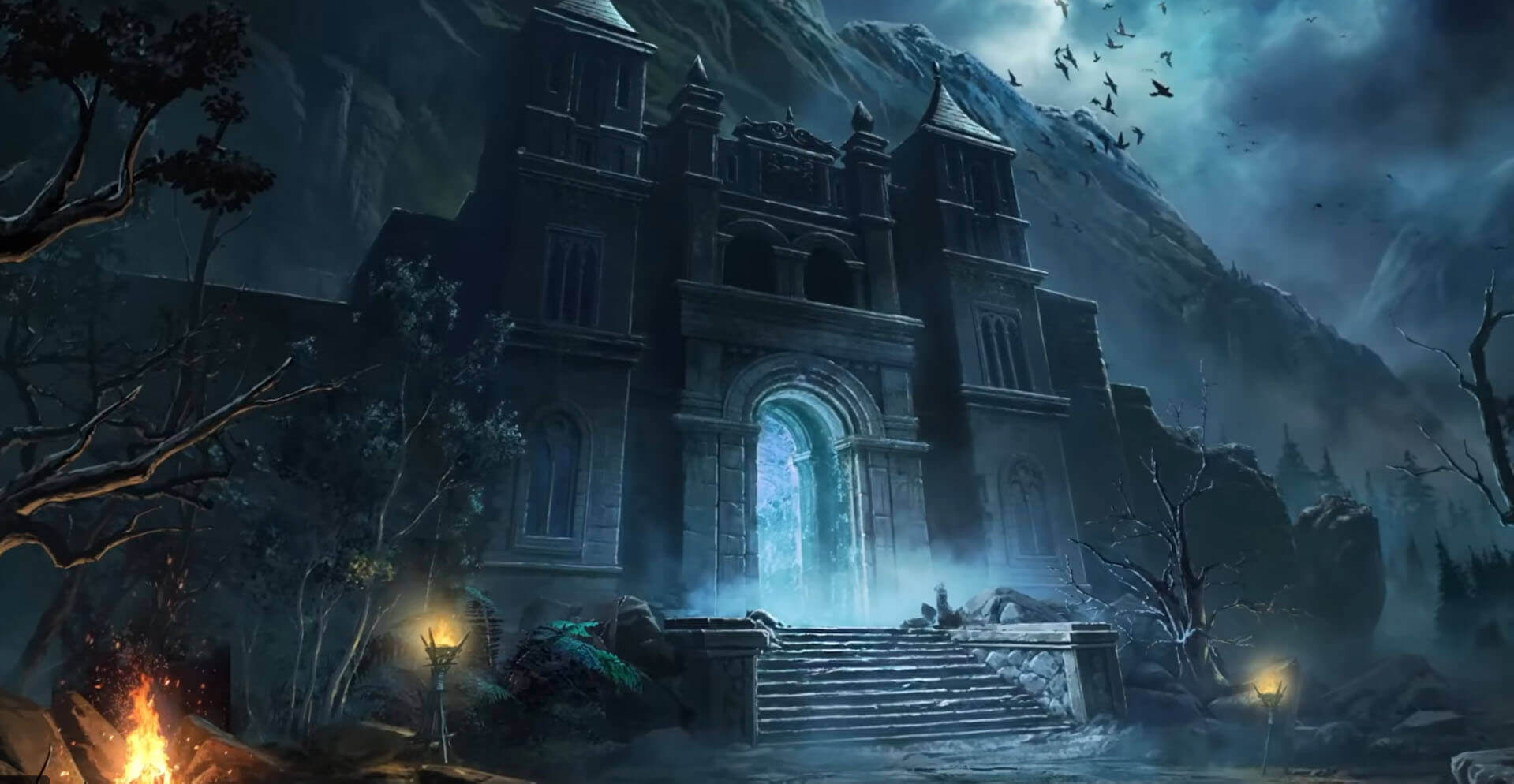
The main feature of The Taking update is its help in advancing the general plot. Players are instantly lured into a mystery defined by horrific disappearances across Sanctuary whereby victims vanish without a trace leaving behind just an unexplained vacuum. This sequence marks the start of a year-long narrative expansion, implying consistent, story-driven content delivery. The inquiry starts in Westmarch's well-known, yet now tainted, centre. The story drives gamers from there to Eastgate Monastery, a place reminiscent of Diablo II's grim past, indicating a strong comeback to classic franchise fears. Crucially, the upgrade adds the harsh new desert subzone known as the Rocky Waste, found outside the established borders adjacent to Lut Gholein, offering new land for exploration.
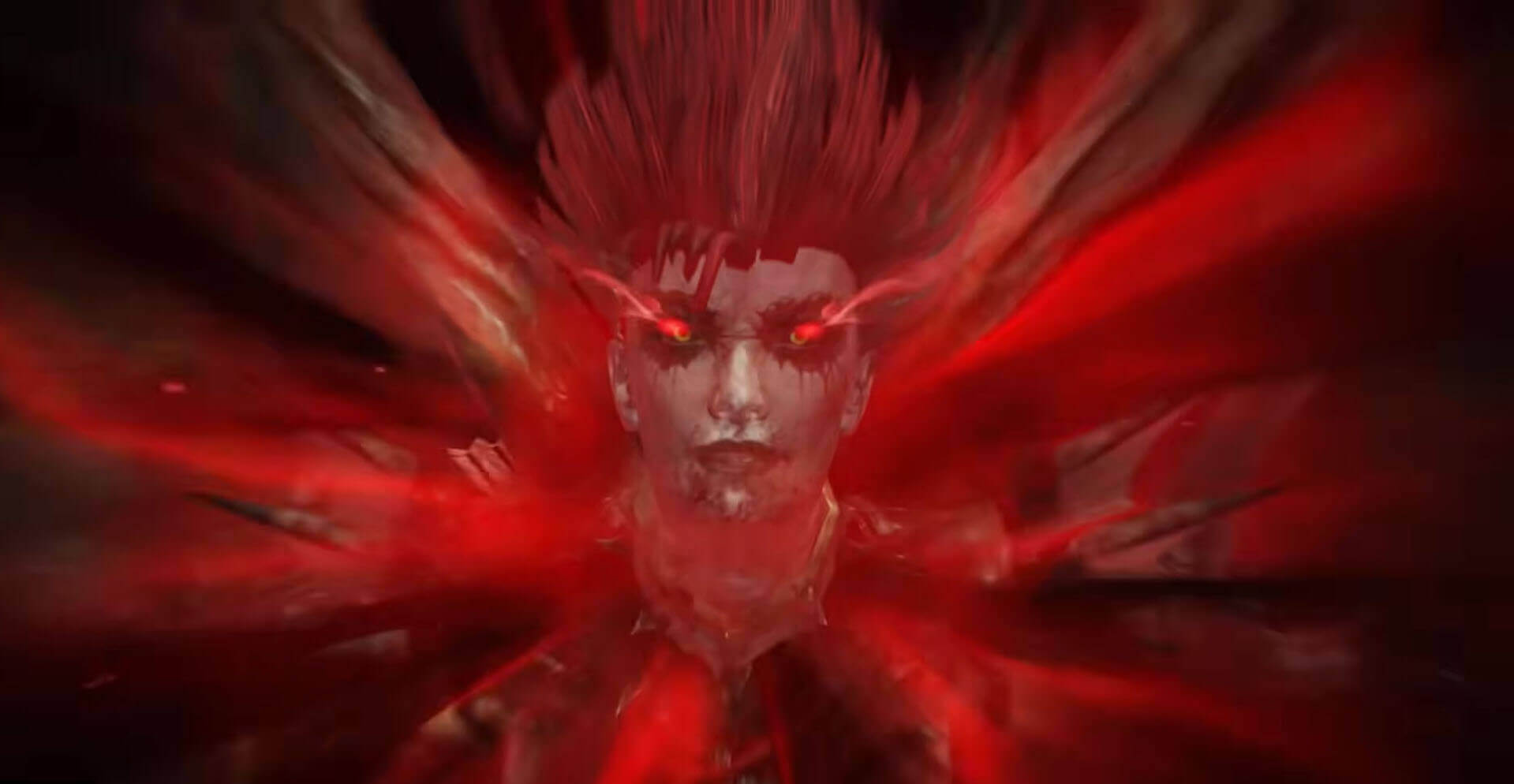
One of the most well-known Prime Evils of the series, Andariel is revealed to be the shadowy figure behind these local horrors. Her reintroduction is essential in establishing the darker mood for this narrative arc. The storytelling emphasis is apparently transitioning to psychological horror and anguish, going beyond basic monster killing to investigate the mental toll that demonic influence is taking on the people of Sanctuary. The existence of a primary enemy like Andariel demands fresh difficulties, which are reinforced by the growth of the Rocky Waste, which offers new bounty quests, difficult Wanted monster hunts, and unique environmental exploration possibilities adjusted to this harsh environment.
Systemic Updates and Competitive Play
Beyond the primary narrative, The Taking update introduces vital structural changes to the player experience, especially inside the competitive scene. Notable changes are being made to competitive player versus player (PvP) systems, indicating either a balance adjustment or the addition of new game types intended to keep the player base engaged in high stakes warfare. Moreover, modifications are planned for the Battleground system, which directly affects large-scale coordinated gaming. Although details on the precise nature of these changes are confidential until release, system upgrades often aim for fairness, accessibility, or meta variety, indicating a desire to strengthen Diablo Immortal's competitive lifespan.
The release of a new, potent Legendary Gem goes along with these systematic changes. Critical progression tools in Diablo Immortal, legendary gems frequently define power limits and character builds. A new addition to this tier promises to either significantly change current viable builds or open up completely new strategic routes for players to explore, adding another layer of complexity to character optimization as they head into the new narrative content.
The Significance of Comprehensive Content Drops
The comprehensive character of The Taking update—simultaneously releasing a multi-chapter narrative, introducing new regions, revisiting classic lore via Andariel, and revamping competitive mechanisms—shows an approach aimed at broad appeal. Lore fans give the narrative continuation first priority. Dedicated players have immediate objectives for advancement and power scaling thanks to the Battleground changes and fresh Legendary Gem. By combining these aspects under one thematic umbrella, Blizzard hopes to produce a unique, high impact event that warrants a sizable player investment right away. In contrast to smaller, more regular patches, this technique favours large, atmospheric material drops to support the game's continuous service model.
The Calculated Spectacle of Horrid Transformations Event
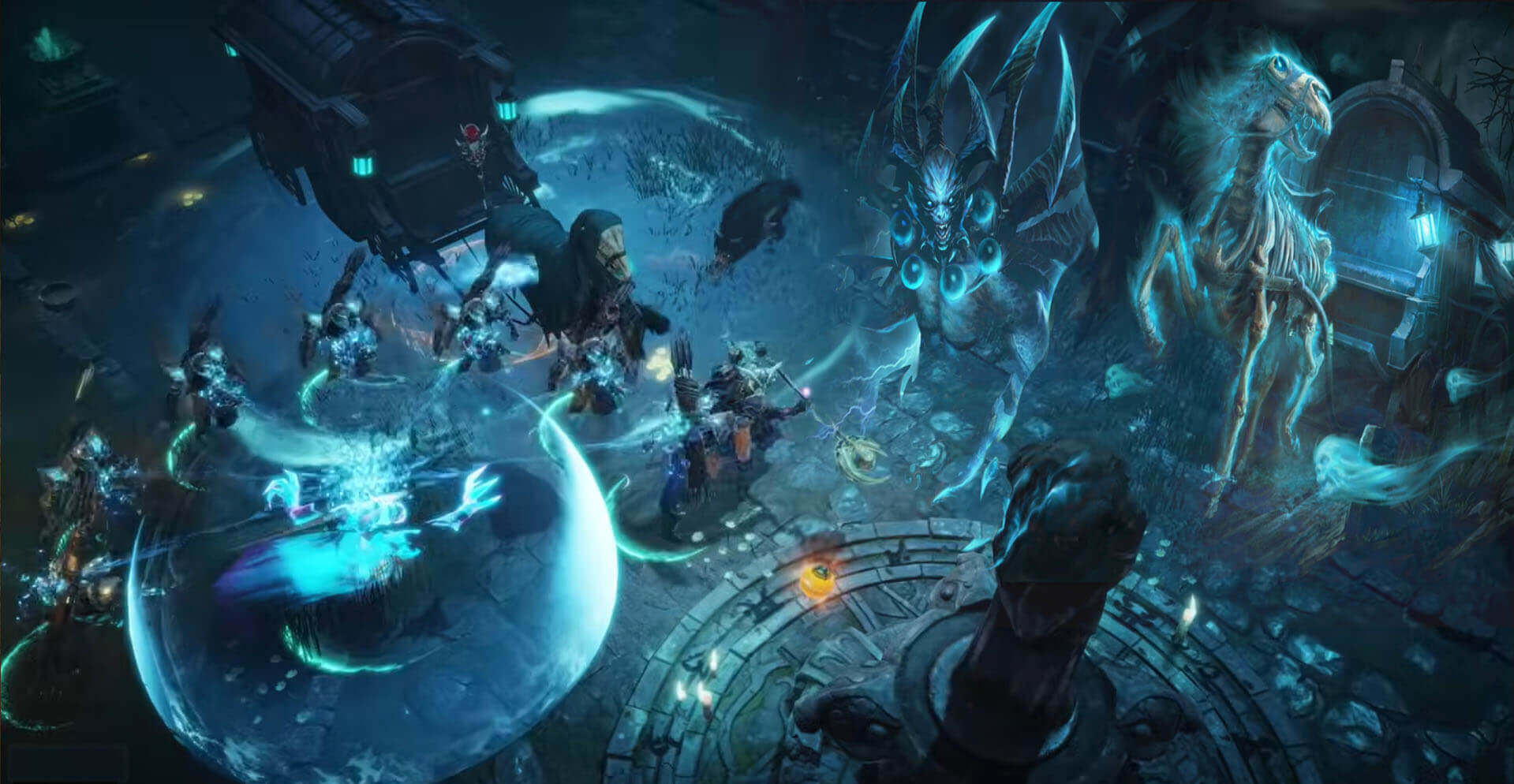
Diablo Immortal has often used this model, and the Horrid Transformations event, operating from March 19 to April 16, provides a good example of how developers may temporarily increase current difficulties for significant player reward. This one-month iteration turns familiar zone bosses into much more powerful creatures by adding new mechanics and increasing difficulty inside set timeframes. The core of this event is to create artificial scarcity and increased danger around foreseeable encounters, thus producing a short but strong attention on particular regions of Sanctuary, the game world.
The Nature of Temporary Adversarial Enhancement
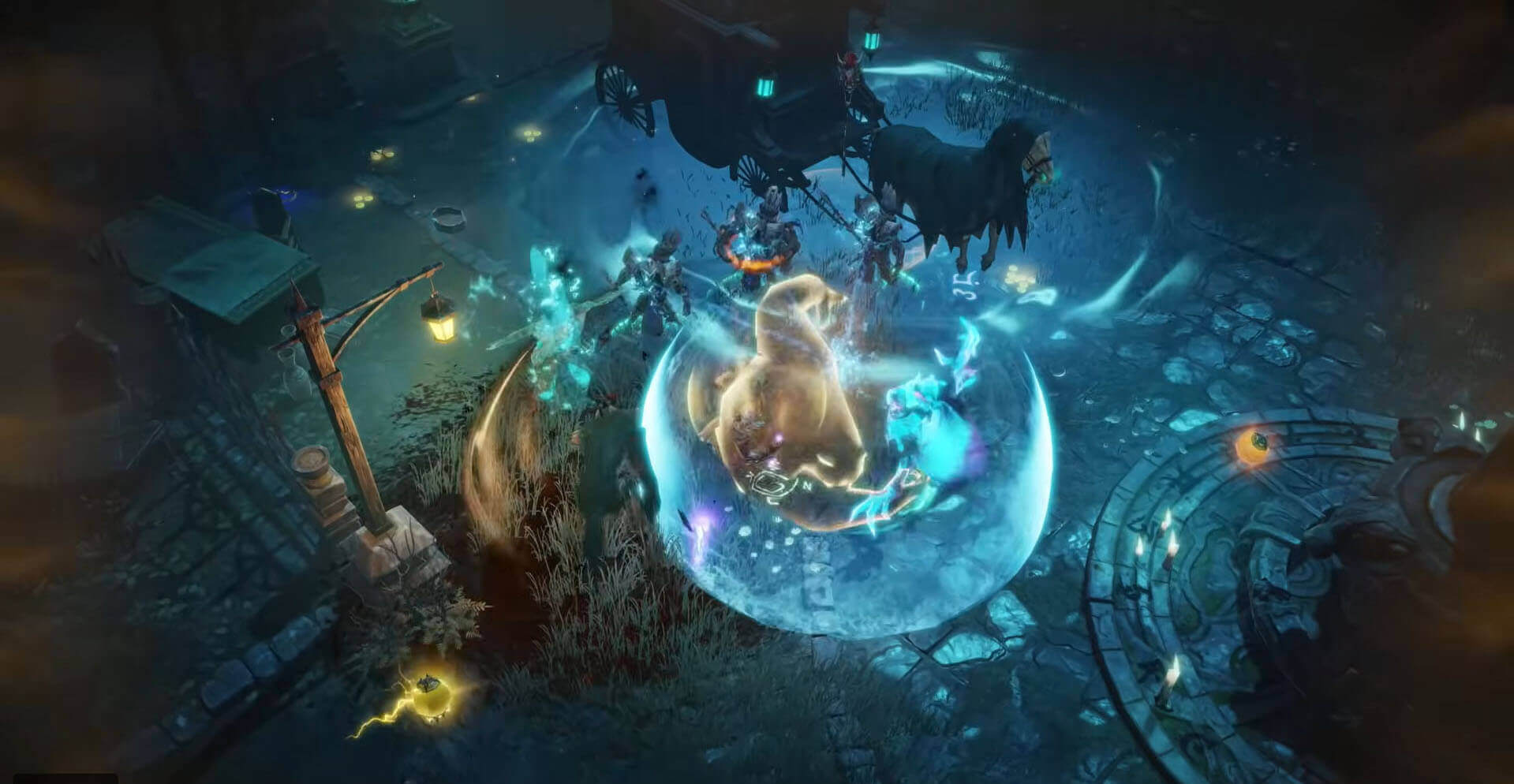
The Horrid Transformations event runs on a theory of planned, transient disturbance. Unlike permanent changes to zone events, these improvements are clearly transient, therefore guaranteeing that the game world's regular equilibrium is preserved after the event is finished. The Haunted Carriage in Ashwold Cemetery and the Ancient Nightmare in Mount Zavain are two vital world bosses under assault. These bosses demand more coordination and planning from participating players as they show clear surges in health and aggression when transformed. This transient power helps to disrupt the monotony sometimes linked to regular world boss farming, pushing experienced gamers to reevaluate tactics that might have grown commonplace.
Novel Mechanics and Increased Complexity
The special, event-specific skills they gain are what really sets the terrible versions apart from their normal counterparts. For example, the Horrid Tax Collector, a lieutenant whose main danger comes from summoning minions that actively tether to and heal the main boss, leads the Horrid Haunted Carriage. This feature moves the combat focus from straightforward damage application to vital target prioritization; ignoring the healing minions leads to an unwinnable DPS battle. The Horrid Ancient Nightmare likewise presents a splitting feature whereby players must concurrently defeat several clones to successfully complete the encounter. Such mechanical changes keep players from relying just on brute force, therefore adding a layer of tactical complexity back into battles that might otherwise be minimized by high-level equipment.
Strategic Scheduling and Player Flow
The strategic effect of the event is improved by the use of a staggered schedule. The upgrades are not active for both bosses at once over the whole period. The Haunted Carriage changes happen over particular two-week intervals interspersed with the increased phases of the Ancient Nightmare. Additionally, the bosses spawn every two hours on their active days, generating a regular pace for gamers wishing to take part. This scheduling motivates players to actively monitor the event calendar, therefore arranging their gaming time to maximize chances to face the strengthened adversaries. The live event design depends critically on this time gating to motivate users to log in often throughout the specified window lest they lose out on the chance to earn the improved incentives.
The Incentive Structure: Rewards as Motivation
The strong incentive system is the main reason one engages in these much more hazardous events. Players are rewarded for defeating every improved boss up to six times a week. Crucially, the first kill every week ensures a greater reward, including guaranteed Legendary Items, Normal Gems, and Rare Ore. Central to character growth in Diablo Immortal are Legendary Items, which stand for strong equipment updates. The developers successfully create a high-value offer for confronting greatest danger by linking the best grade of these basic commodities to these brief, challenging meetings. For subsequent attempts, the guaranteed reward on the first weekly defeat helps to reduce the sting of failure while yet recognizing constant involvement.
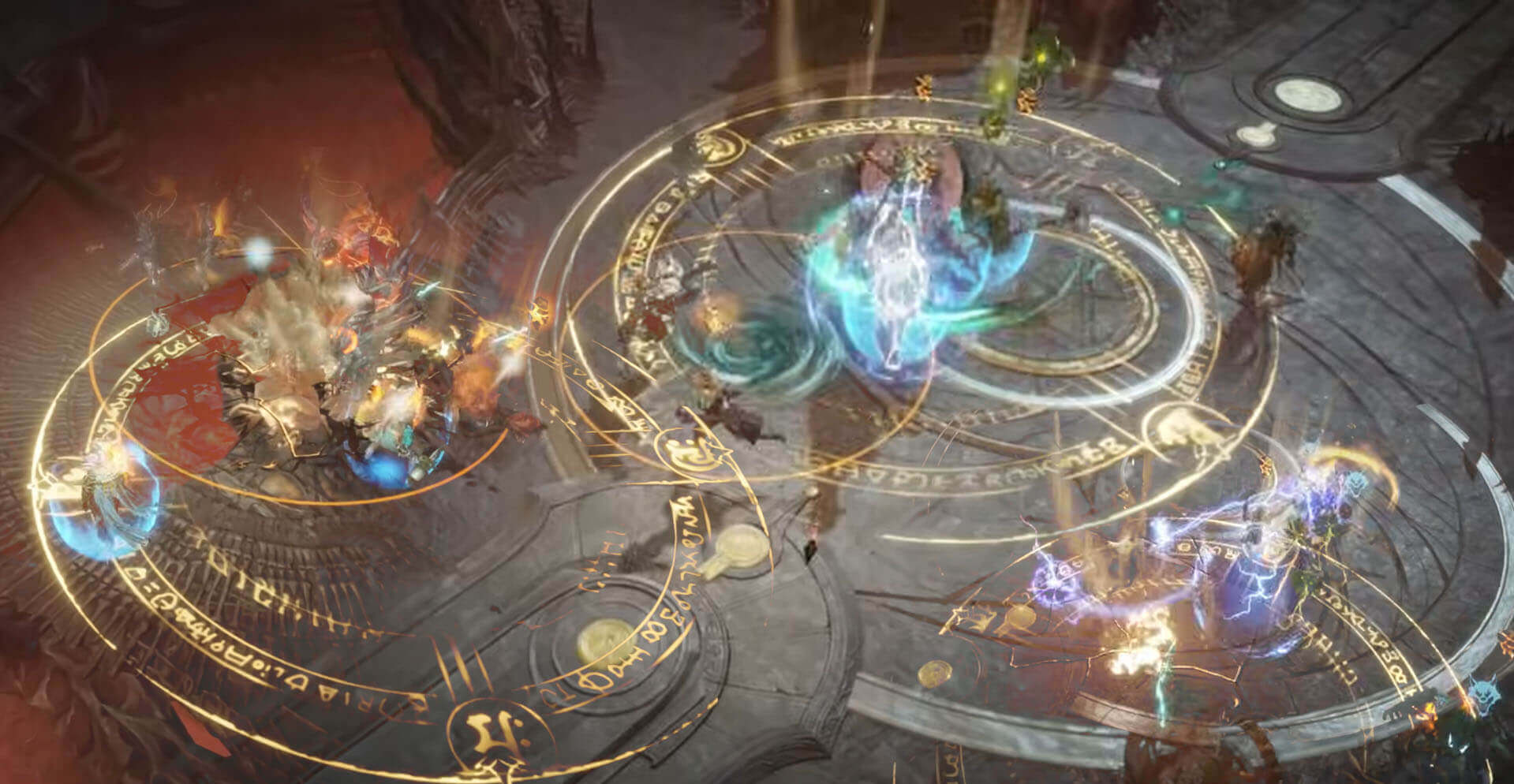
The competitive terrain of contemporary online gaming frequently struggles with the basic conflict between accessibility and significant advancement. Particularly in Player Versus Player or PvP situations, where statistical differences sometimes compounded by financial investment can eclipse natural player ability, this tension is especially acute in massively multiplayer online role-playing games. Often criticized for its monetization approach, Diablo Immortal has unveiled a much-awaited remedy to this ongoing issue: the Bout of Realms Challenge of Equals. This mode signifies a major philosophical change, deliberately establishing a level playing field whereby success depends exclusively on talent, approach, and teamwork rather than on amassed power levels or the depth of one's wealth. The Challenge of Equals seeks to transform competitive Diablo Immortal by methodically eliminating the inherent benefits bestowed by equipment and resonance, hence offering a real test of skill.
Decoupling Skill from Statistical Advantage
The Challenge of Equals stands out for its bold statistical normalization methods. In the past, success in Diablo Immortal's open-world PvP has mostly favoured those who have made significant investments in Legendary Gems, Star Gems, and Resonance, so fostering what is known as a "pay-to-win" dynamic. By using rigorous balancing criteria, the Challenge of Equals tears down this framework. Although character class identification, which includes inherent talents and established playstyles, remains intact, practically all outside power multipliers are either turned off or standardised. While the far more potent five-star gems are much reduced, legendary gems are set at a same, preset level. Most significantly, Resonance, the measure most directly related to actual expenditure, is totally deleted from the equation. This intentional removal of statistical boundaries guarantees that two participants enter the arena with essentially equal power budgets regardless of their prior in-game spending. The attention turns right away to tactical execution: reaction time, posture, and the synergistic use of class skills against an opponent of equal potential.
The Tournament Structure and Accessibility
The chosen structure for the first phase, an 8 vs 8 team contest over a short period, highlights the focus on both coordinated teamwork and individual skill. This design goes past basic duels and asks players to grasp how their class fits others inside a planned skirmish. The addition of Elite Slayer Loadouts enhances the accessibility. Many players might not own ideal PvP gear even under balanced circumstances; hence, these pre-built character configurations provide instant access to builds improved by top-tier competitors. For novices or informal gamers, this feature is revolutionary since it successfully eliminates the barrier to admission connected with sophisticated build hypothesis creation. Using techniques shown to be successful at the top of the game, a novice can immediately participate in meaningful, high-level rivalry. Directly tackling the annoyance discrepancy between veterans and newcomers, this approach promotes a more inclusive, better competitive environment.
The Significance of True Competition
The debut of a real skill-based PvP system tackles one of the longest-running complaints of the community. When results depend on measurable metrics instead than proven talent, the competitive drive suffers, resulting in player weariness and cynicism about the game's long-term viability. Independent of their involvement in the game's economy, The Challenge of Equals offers a clear response to the issue of who is the really better player. Victory in the normalized environment is a direct indicator of strategic acumen and mechanical prowess. For example, against a defending Monk, a Barbarian has to use gap-closers and crowd control successfully instead of depending on a greater Resonance count to absorb damage. Independent of financial input, this return to basic gameplay elements revitalizes the competitive drive and validates the time and effort invested learning a class.
The recent seasonal update concentrating on the Battlegrounds is a good illustration of this ongoing improvement. This patch is intentionally made to drastically change the tempo and emotional resonance of player vs. player fighting, not only to add fresh material. The update seeks to increase suspense, make player actions seem more significant, and deepen the feeling of immersion inside the continuous battle by adding fresh visual themes and finely tuned gameplay improvements. At its heart, this project is about escalation, converting random skirmishes into tales of clear success.
The Philosophy of Battlefield Escalation
The guiding principle behind this seasonal update is to make sure that victory feels deserved through real momentum instead of arbitrary scorekeeping. The developers aimed to close the distance between work done and benefits gained, producing a fight scenario whereby every successful engagement flows organically into the next crucial moment. This is accomplished by paying close attention to three fundamental ideas: Player Impact, Obvious Connection, and Low Friction. Player Impact makes sure that the change in battlefield momentum is immediately apparent and empowering for the winning team when a major threat is defeated. This differs from earlier forms in which dominance could seem mathematically present but visually muted.
The principle of Clear Connection demands that the shift from overcoming a significant threat to obtaining its corresponding reward be quick and natural. This keeps you from stopping unexpectedly, which can ruin the experience in other competitive games. At last, Low Friction demands that players stay actively involved in combat, therefore doing away with unwanted interruptions, loading displays, or resets that would drag them from the centre of the action. Following these pillars helps the update to create a continuous loop whereby decisive events actively propel the conflict ahead, therefore sustaining great intensity all through.
Mechanics Driving Momentum
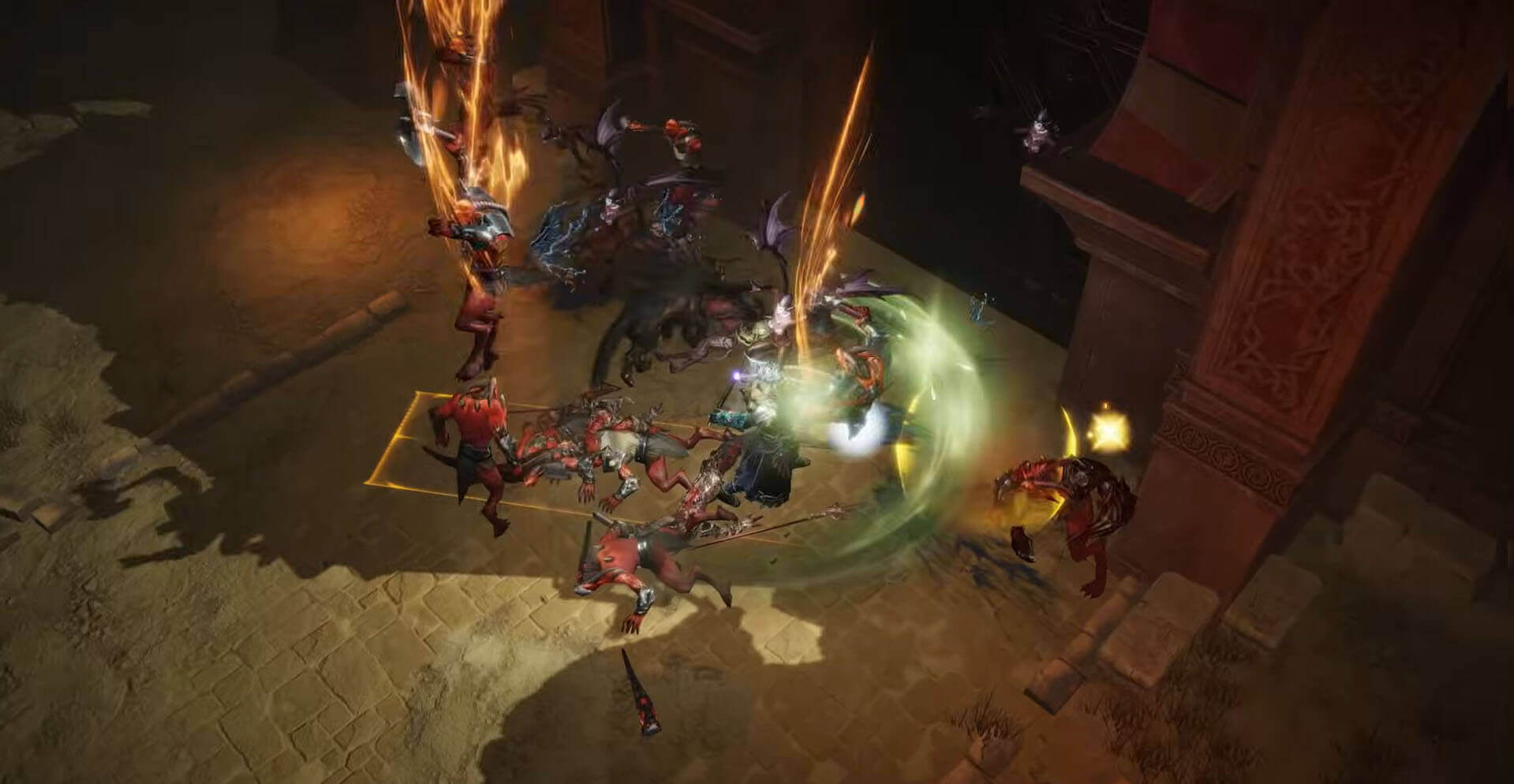
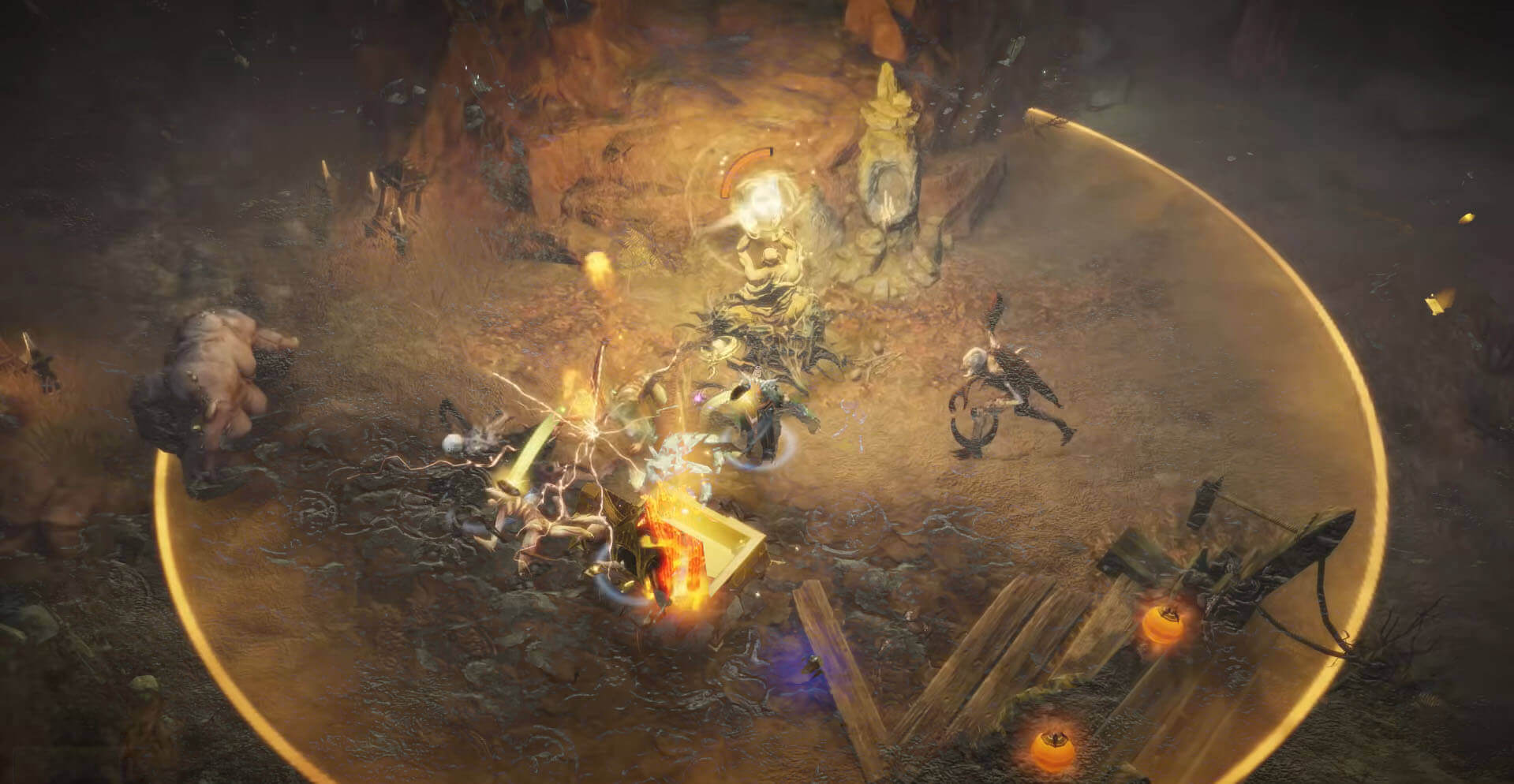
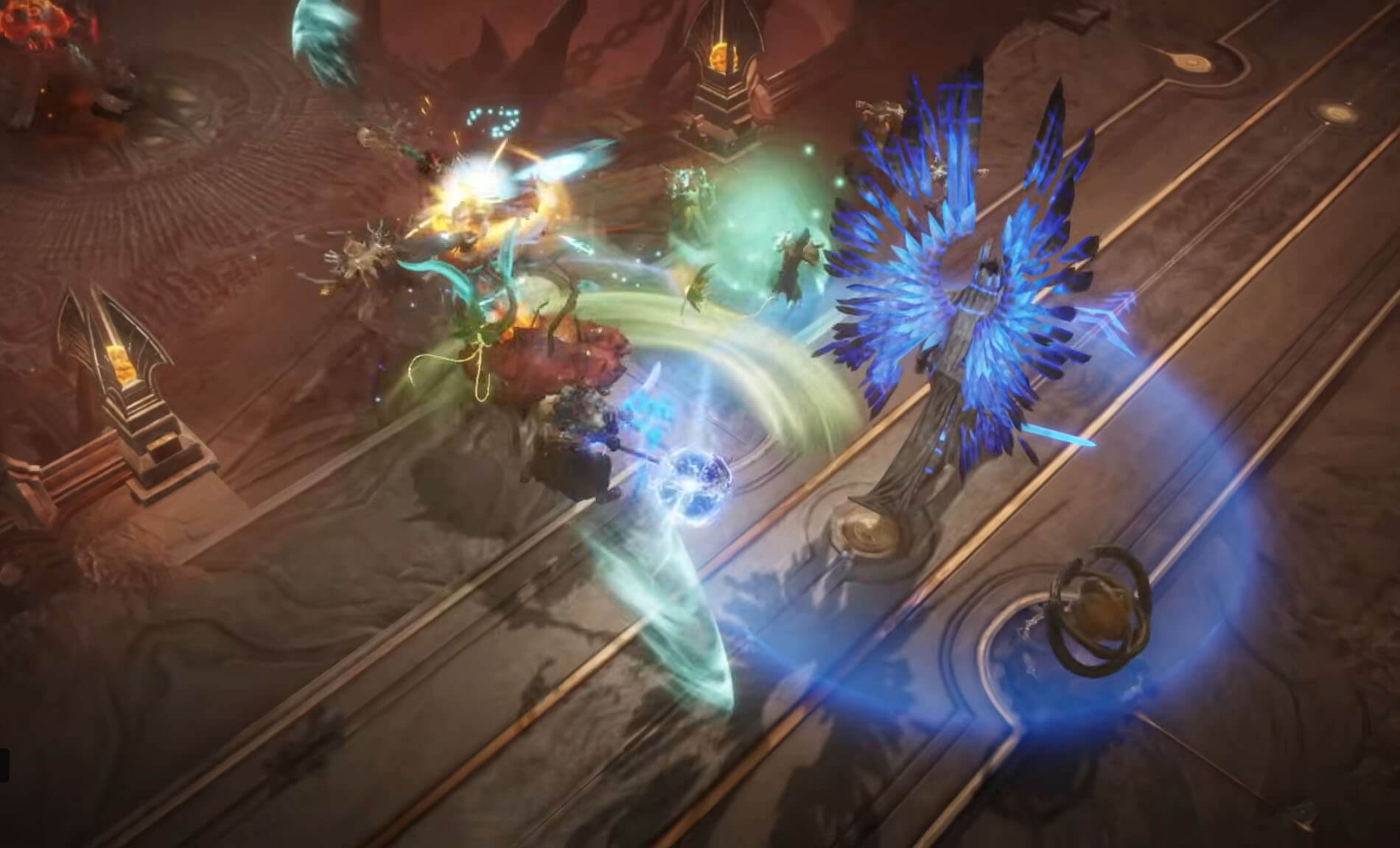
The dynamic character of the Battleground itself best illustrates the practical application of this escalation strategy. The update adds environmental storytelling that shows the growing importance of the game. The Battleground destabilizes visually as the struggle grows, indicating the arrival of a strong force. The first indication of a Greater Demon is provided by environmental cues including distant roaring reverberating across the field and noticeable ground fracturing, then by the appearance of smaller demon reinforcements.
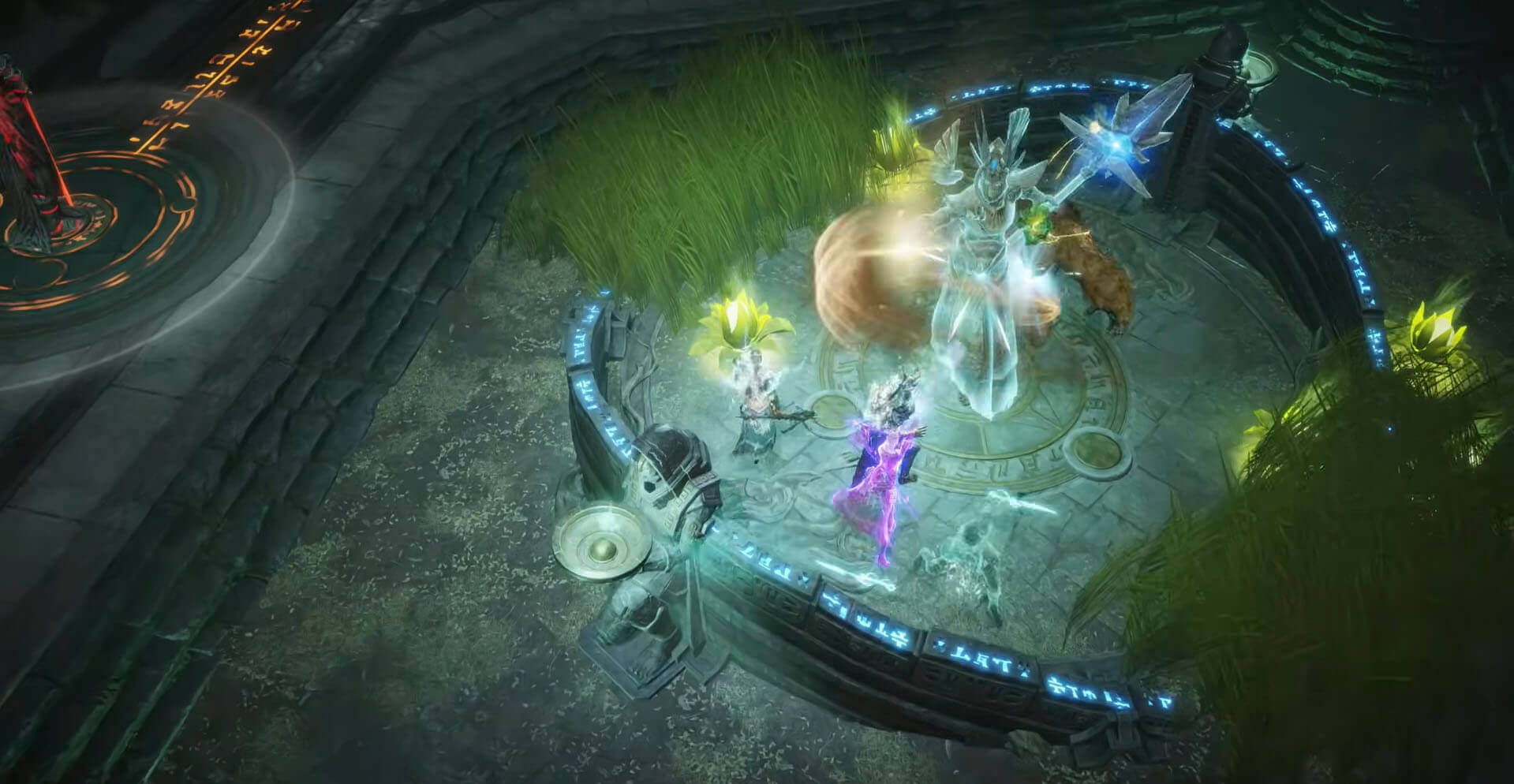
This is an increasing prelude to the main event: the arrival of the Greater Demon itself. This entrance is not passive; it changes the surrounding area and makes every participant respond right away to a new, high-intensity goal. Effectively cooperating to destroy this mighty force becomes a common challenge of teamwork under great strain. Moreover, the triumph over this monster provides a particular, tactical benefit: the Corvus Spirit Totem. The tactical agency given to players, that is, the option to decide when to activate this totem, is vital as it enables them to seamlessly incorporate the prize straight into their current fighting flow without any required stops. Once activated, the totem unleashes bound Nephalem spirits, therefore calling forth mighty warriors onto the battlefield. These allies do more than just serve as damage sponges; they offer mechanical support through direct buffs and strikes, therefore turning the defeat of a big threat into an instant, visible benefit that maintains momentum.
Deepening Immersion Through Visual and Rhythmic Changes
The new visual themes that come with the update greatly help to create a more immersive experience. From a fixed arena into dynamic surroundings responding to the developing violence, they change the scene. The rhythmic changes, especially the pacing around the Greater Demon battle and the following totem activation, guarantee that the conclusion of one phase effortlessly feeds the next. By guaranteeing player skill expression remains relevant throughout the match, this constant escalation helps to prevent the lulls frequent in objective-based modes. The obvious effects of vanquishing opponents and the instant summoning of spectral reinforcements offer good feedback loops that enhance the impression that the players are really affecting the fate of the battlefield, so moving beyond mere point accumulation towards a visible story of conquering mounting supernatural threats.
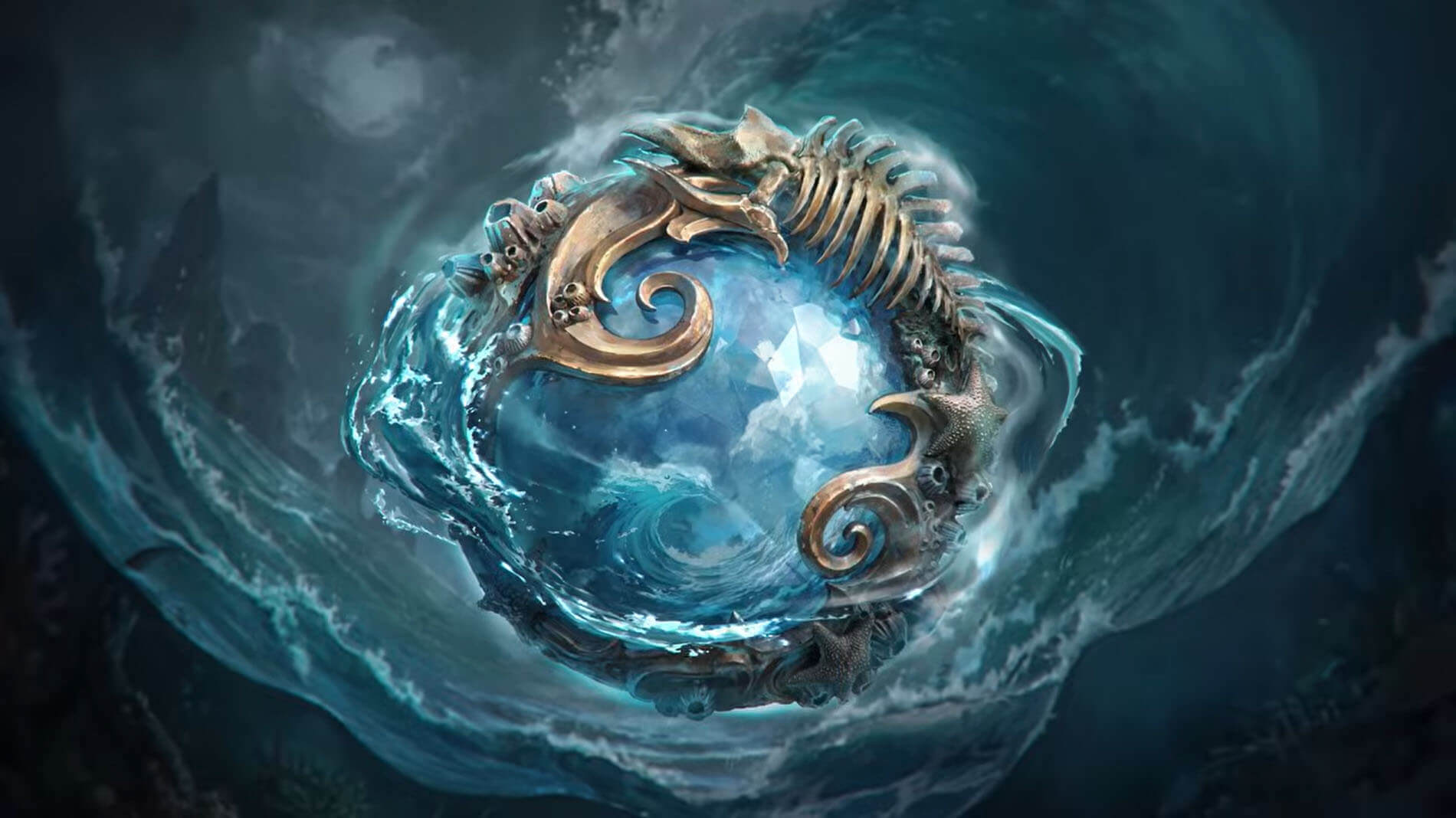
The release of new Legendary Gems frequently functions as a strong impetus for these changes, therefore modifying character builds and fighting effectiveness. Among recent additions, the Leviathan Tomb gem stands out as a mechanism that emphasizes sustained damage application, critical hit synergy, and tactical engagement with enemy afflictions. Together with wider developments brought in revisions like The Taking, this gem points to a deliberate change in the game's design approach toward more subtle fighting techniques and a fairer competitive scene.
The Mechanics of Leviathan Tomb
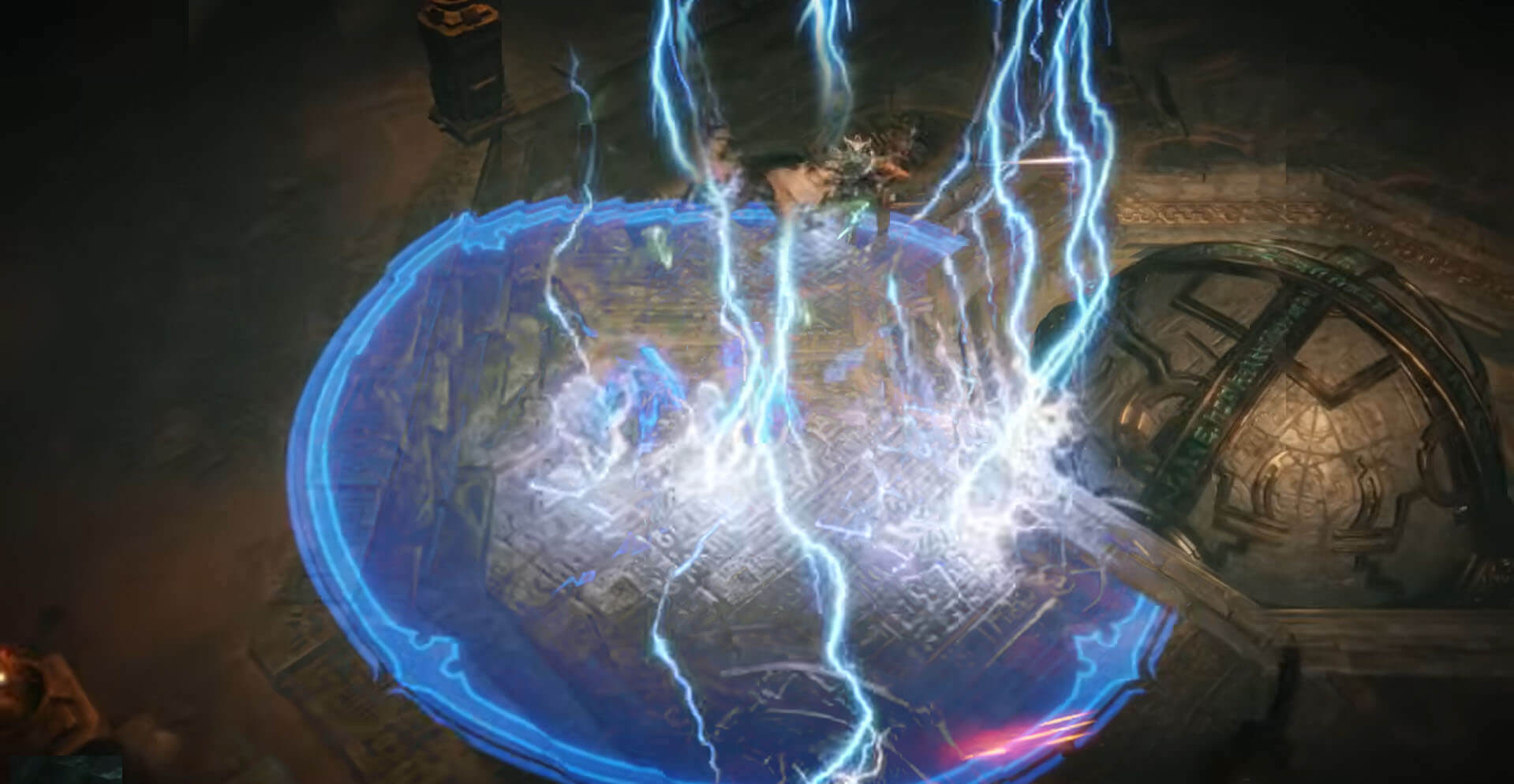
The Legendary Gem of the Leviathan Tomb offers a sophisticated but gratifying damage amplification loop based on constant interaction. Its main feature gives the wearer Abyssal Depths when they deal damage, which is a temporary boost that makes their total damage higher. Crucially, this buff interacts with critical hits, which in turn trigger Compounding Pressure, a secondary effect that enhances the potency of the gem’s ultimate output mechanism, Crushing Depths. Because the gem depends on continuous damage application, it is not good for entirely burst-oriented classes or for small, specialised builds that stay away from regular conflict. The interaction between critical attacks and the application of debuffs is critical; players must create around a high critical chance to successfully optimize the uptime and impact of Crushing Depths, which has a substantial 20-second internal cooldown. Moreover, by giving an extra damage multiplier against enemies already experiencing negative effects, the gem rewards tactical awareness. This calls for builds including reliable sources of application of curses, poisons, or other crippling status effects, therefore raising the relevance of debuff utility together with raw damage numbers. The gem is therefore designed for DPS-oriented builds that shine in extended battles, valuing consistency more than rare, significant surges.
The influence of a new Legendary Gem like Leviathan Tomb cannot be seen on its own; its arrival is contextualized by the bigger changes that come with it, such as The Taking. This patch has been presented as a major reorientation of the game's priorities. The increased focus on story depth is among the clearest changes, as seen in the more thorough investigation of lore around characters including Andariel. Long-time Diablo fans looking for links to the franchise's established mythology will find this move appealing as it offers more background for the continuous conflict in Sanctuary. Beyond lore, The Taking tackles long-standing community concerns about the competitive environment of the game. Directly mitigating pay-to-win advantages by equalizing power levels among players, the "Challenge of Equals" in PvP seeks to shift the focus squarely onto player skill, build optimization, and tactical execution instead of only Resonance levels. This is an important move in creating a better environment for competitive gamers.
Evolving Gameplay and Replay Value
The structural changes carry over into gameplay from moment to moment. Battleground changes move fighting away from fixed engagements by bringing in dynamic situations needing flexibility. This enhances the mechanics of the Leviathan Tomb, since battle situations requiring players to relocate or handle many threats effectively test the sustained performance of a build instead of only its initial power check. The blend of a new, sophisticated damage engine in the gem and more erratic battle zones guarantees that established systems are always under pressure to change. Moreover, developers seem concerned with enhancing long-term player retention. The update architecture offers great replay value by combining new areas, current events, and balanced PvP fighting modes, therefore motivating daily logins not only for advancement but also for engaging with many content streams that challenge various elements of character optimization. By supporting steady performance, the Leviathan Tomb finds its place in a game environment that increasingly prioritizes flexibility and ongoing engagement.