TExplore Lut Gholein, Master the Warlock
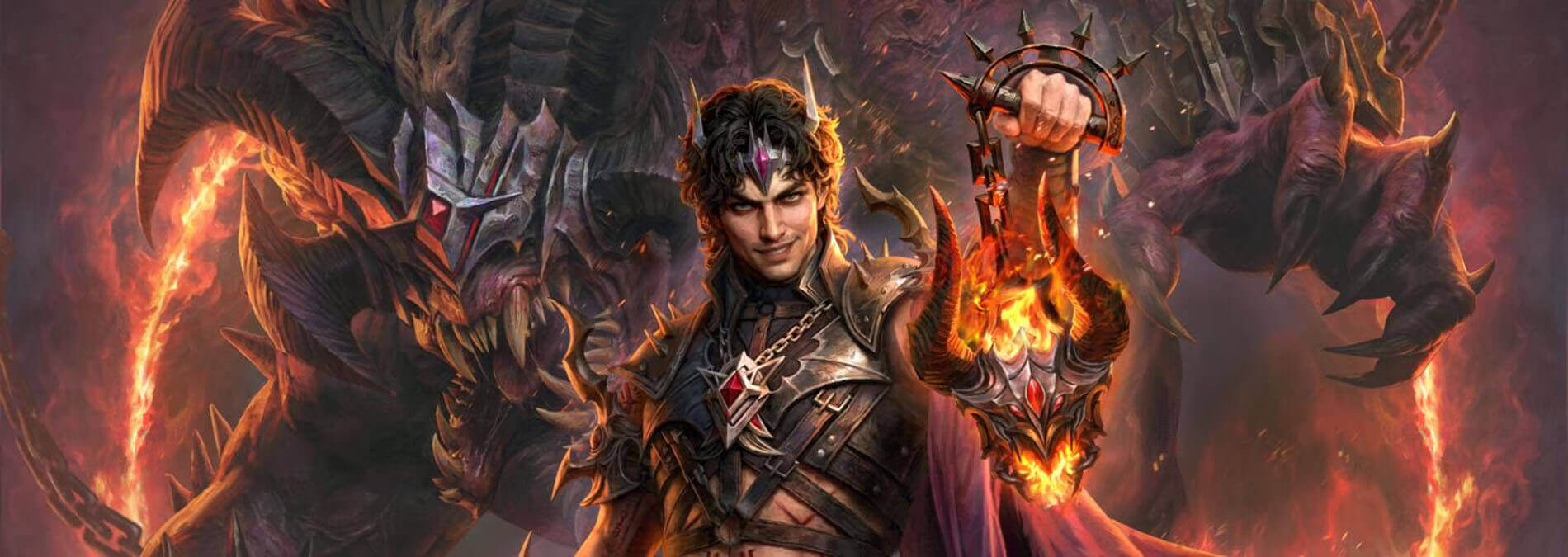 Reflecting the gloomy and always shifting character of the Diablo world, the scene of Sanctuary keeps changing. Blizzard has unveiled a game-changing update with the release of Patch 5. 0, known as The Bloodied Jewel, which honours three decades of the franchise while stretching the limits of mobile action role-playing games. This update is a daring step ahead in gameplay systems and character growth as well as a nostalgic homecoming to famous locations. The developers have effectively revived the experience for both seasoned slayers and returning warfront warriors by combining a new class, increasing the game's geographical scope, and refining key advancement mechanisms.
The Rise of the Warlock
The arrival of the Warlock, the tenth playable class to join the battle, is the most important addition to Diablo Immortal in this release. Although the game has traditionally included spellcasters who draw on the elements or arcane powers, the Warlock is in a far darker realm. Rooted in the forbidden traditions of the ancient Vizjerei mage clan, these practitioners engage in demonology that was once outlawed following the devastating Mage Clan Wars. The class gains a layer of depth from this historical background as players take on the character of an outcast who has recovered hazardous, secret information to fight the growing tide of evil.
The Warlock's gameplay features set it apart from all other currently offered classes. The Warlock uses a risk-and-reward system that calls for exact health management, in contrast to conventional spellcasters who rely only on distance. Players have to weigh their aggression with the ever-present possibility of their own death as they give life force to fuel their spells. The core of this kit is the Soulgorger, a permanent demonic friend who acts as a multifaceted ally. This creature is more than simply a pretty pet; it is a tactical asset able of healing its owner, tanking damage, and shocking masses. This interaction between the player and their summoned unit forms a distinctive combat style in which the Warlock acts as both a strategic leader and a vulnerable channel for infernal power.A Return to Lut Gholein
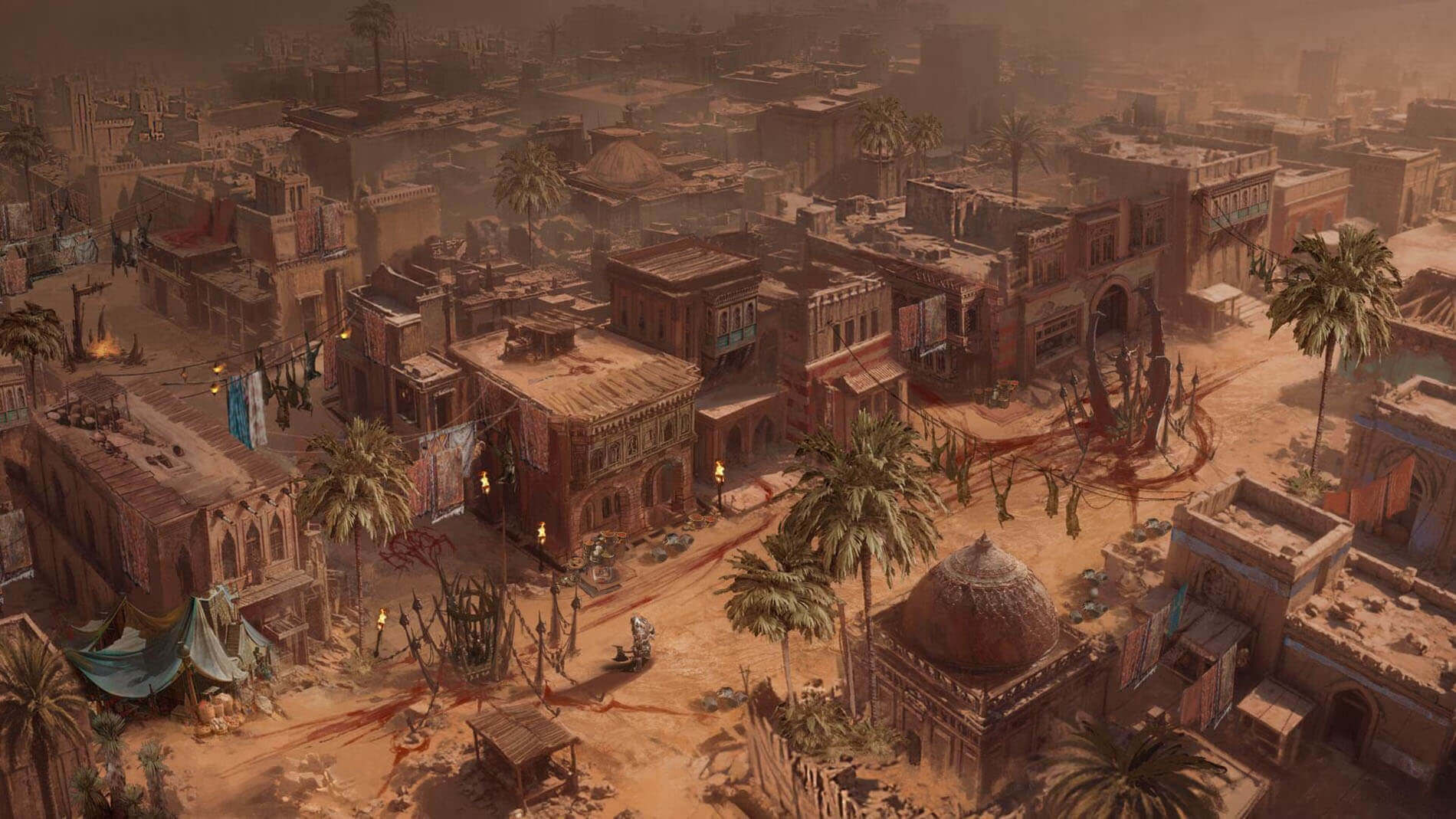 Patch 5. 0 also sends players back to Lut Gholein, the golden city. Long-time fans of the Diablo series will find this place very significant since it functioned as the main centre for excursions in earlier volumes. The addition of this area in the latest update is not just a visual delight but also a structural extension of the main narrative. There is a striking difference between the gruesome darkness of the demon-ridden dungeons hidden beneath the sands and the stark beauty of the desert landscape.
Beyond the visual appeal, the update brings fresh Helliquary bosses requiring coordinated teamwork. These meetings strain the capabilities of current equipment sets and demand that participants learn the tools provided in recent upgrades. The developers have created a narrative link that connects these high-level threats to the enigma of the Bloodied Jewel, so making every grind meaningful. The update of item progression systems also guarantees that players have consistent objectives to work toward, so stopping the feeling of stagnation that sometimes plagues long-running online games.
Patch 5. 0 also brings a sentimental return to Lut Gholein, a city cherished by players who lived the history of the franchise in Diablo II. The story centres on The Bloodied Jewel, a questline that sends players into the battles of the Jewel of the Desert under Andariel's shadow. Players interact in a narrative that honours the franchise roots while driving the present story forward by exploring the destroyed neighbourhoods and docks. The concentration on discovering old Vizjerei secrets and rejoining familiar characters bridges the divide between several generations of followers. The fierce fighting events experienced across the area benefit from this narrative depth since it provides significant background and grounds the player actions in a setting that seems both perilous and rich with history.
Patch 5. 0 also sends players back to Lut Gholein, the golden city. Long-time fans of the Diablo series will find this place very significant since it functioned as the main centre for excursions in earlier volumes. The addition of this area in the latest update is not just a visual delight but also a structural extension of the main narrative. There is a striking difference between the gruesome darkness of the demon-ridden dungeons hidden beneath the sands and the stark beauty of the desert landscape.
Beyond the visual appeal, the update brings fresh Helliquary bosses requiring coordinated teamwork. These meetings strain the capabilities of current equipment sets and demand that participants learn the tools provided in recent upgrades. The developers have created a narrative link that connects these high-level threats to the enigma of the Bloodied Jewel, so making every grind meaningful. The update of item progression systems also guarantees that players have consistent objectives to work toward, so stopping the feeling of stagnation that sometimes plagues long-running online games.
Patch 5. 0 also brings a sentimental return to Lut Gholein, a city cherished by players who lived the history of the franchise in Diablo II. The story centres on The Bloodied Jewel, a questline that sends players into the battles of the Jewel of the Desert under Andariel's shadow. Players interact in a narrative that honours the franchise roots while driving the present story forward by exploring the destroyed neighbourhoods and docks. The concentration on discovering old Vizjerei secrets and rejoining familiar characters bridges the divide between several generations of followers. The fierce fighting events experienced across the area benefit from this narrative depth since it provides significant background and grounds the player actions in a setting that seems both perilous and rich with history.
Quality of Life and Community Impact
 A big update's effectiveness relies equally on technical improvement and fresh material. Blizzard has used this update to add several quality-of-life changes that tackle frequent community input. Among these are improved matchmaking for the new Helliquary raids, simplified inventory management, and changes to the upgrading mechanism of legendary goods. These apparently little adjustments greatly lower the friction of daily play, therefore freeing players to concentrate more on the strategic elements of their build instead of administrative chores. Together with the sheer size of the Warlock class and the return to classic regions, these structural changes make this upgrade among the most thorough bundles produced for the game.
The Evolution of Combat- Powerful Demonic Abilities
The Core Mechanics of the Soulgorger
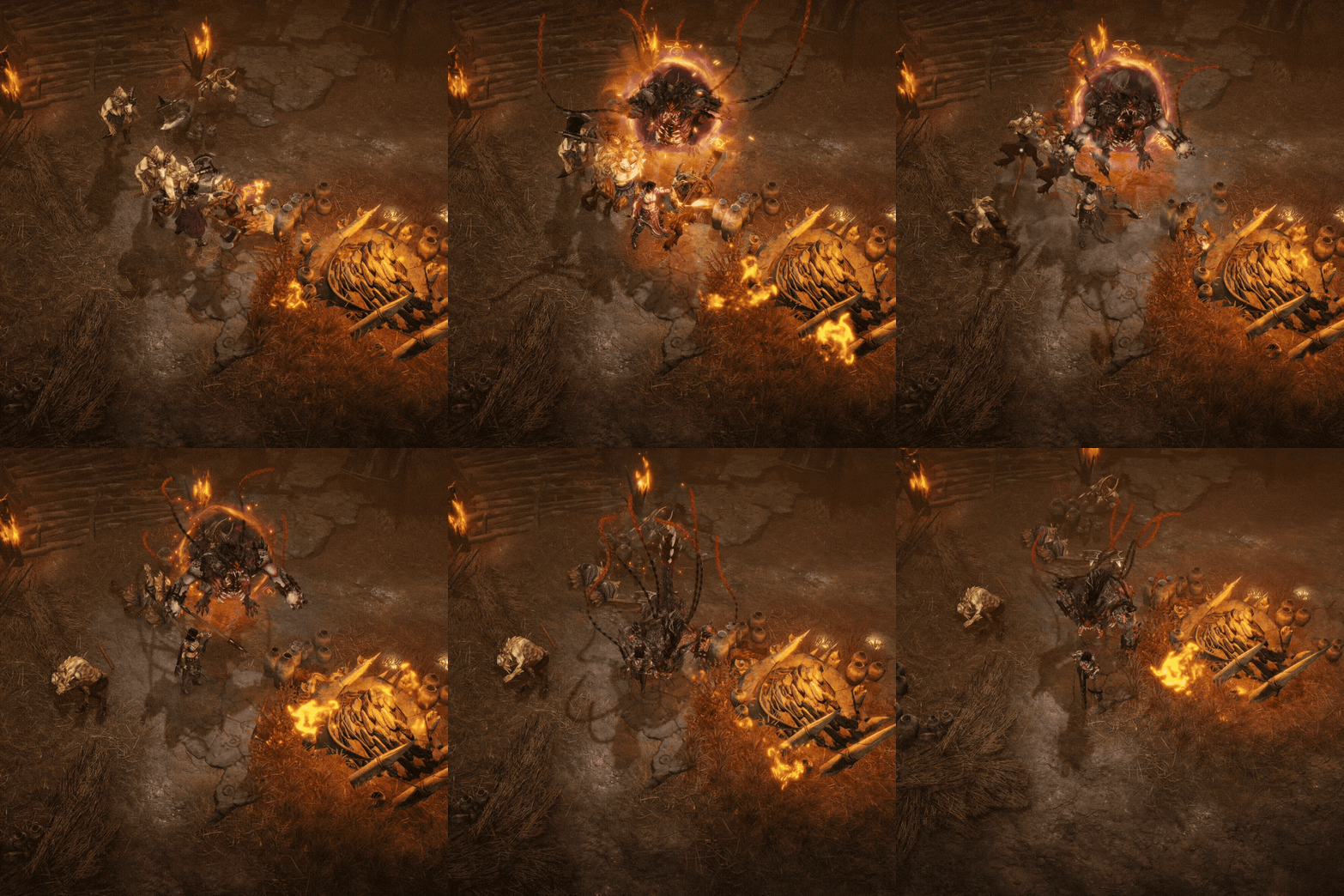
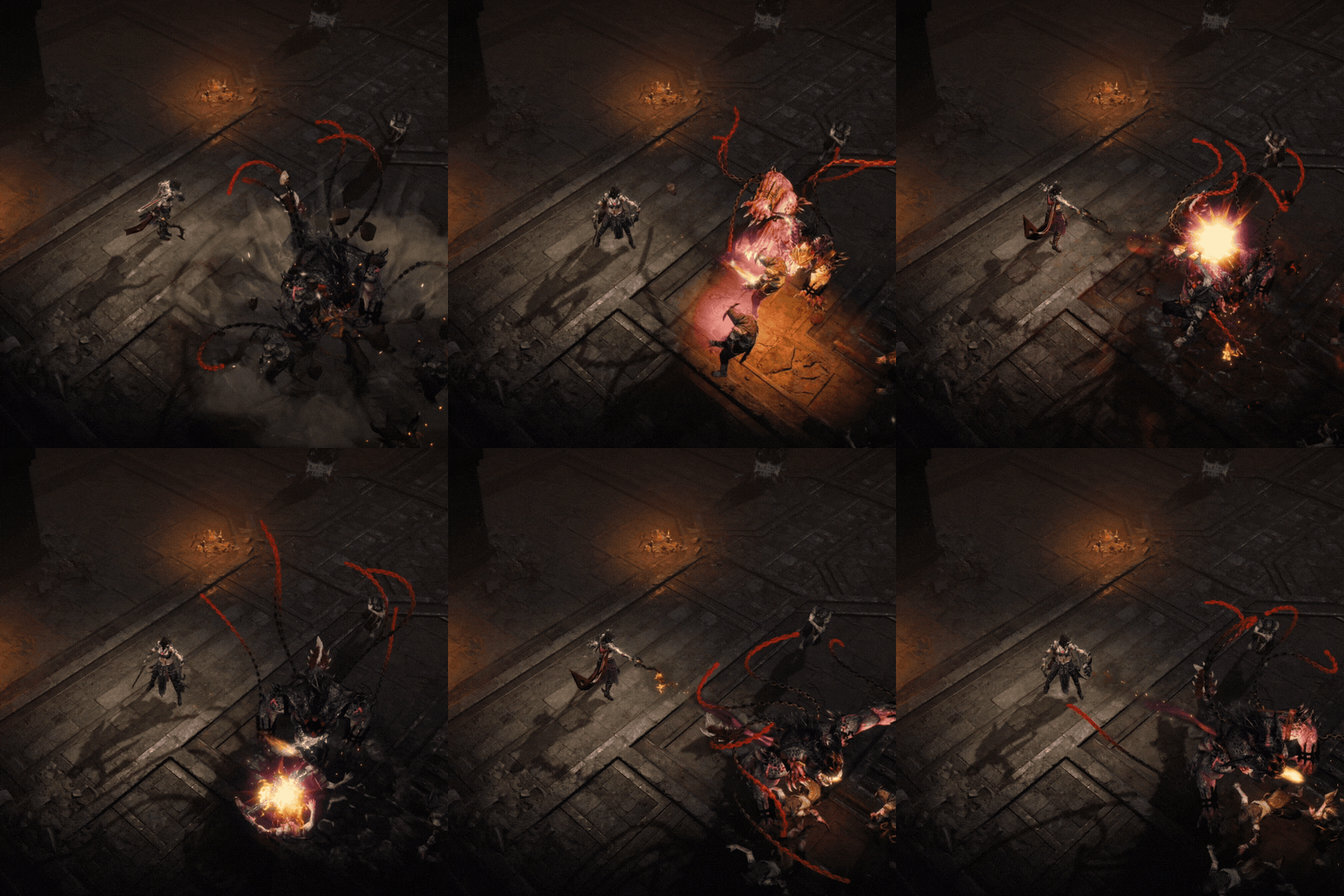
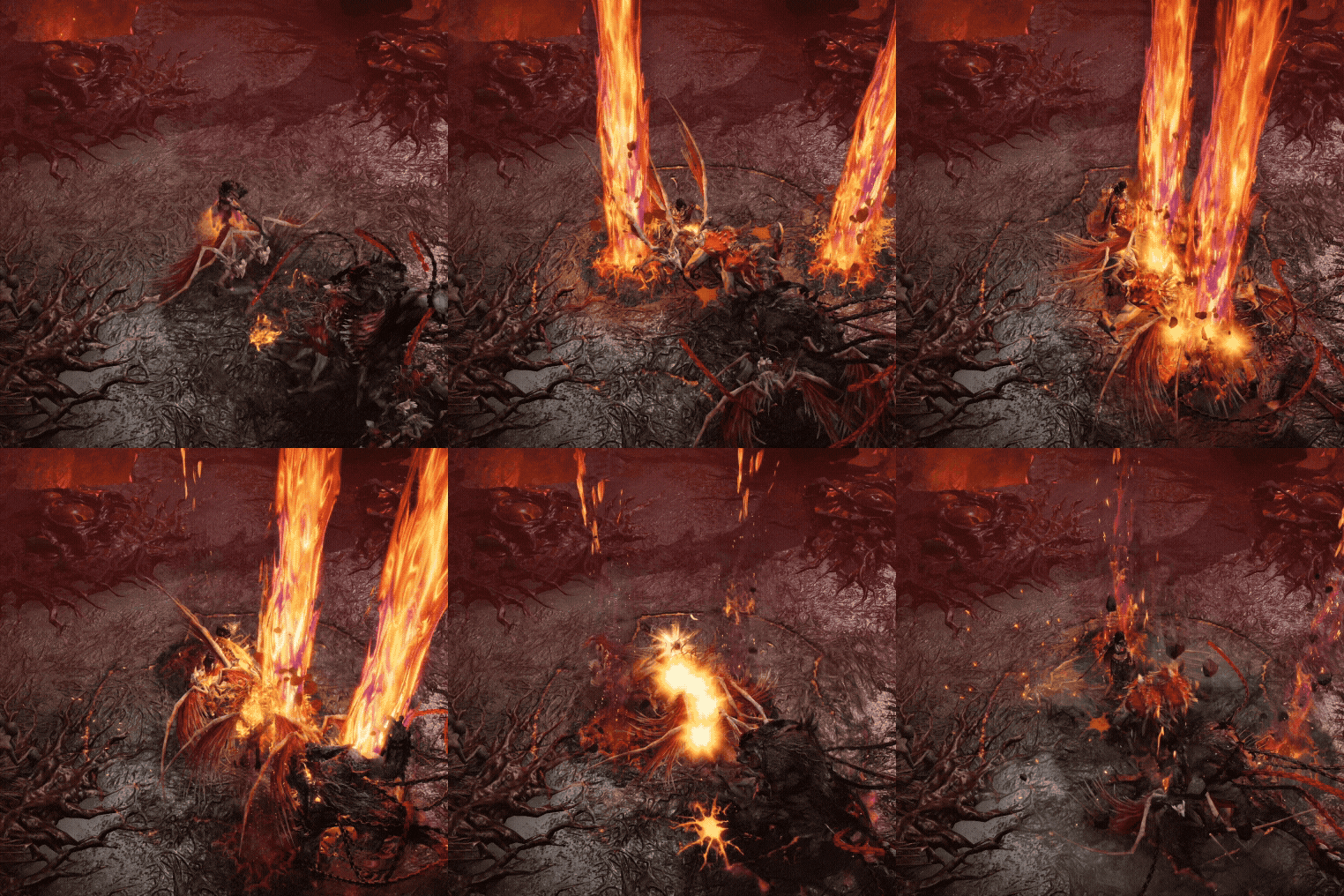
The Warlock experience is built around the Soulgorger, a permanent demonic companion that acts as the class's foundation. This beast is far more than just a house pet. It is a tactical tool that can absorb damage and initiate fierce counterattacks. The Soulgorger progresses by the unusual Devour method, which lets it feast on other dead demons on the battlefield. Its power increases as it eats these smaller creatures, giving the player better defensive and offensive attributes. The player can use skills such as Pummeling Eruption and Ferocious Leap to guide the Soulgorger into the middle of battle; Voracious Sacrifice adds a layer of survivalist complexity by letting the demon trade its own health to shield the Warlock. This master-pet relationship creates a symbiotic fighting circle that defines the Warlock playing experience.Versatility in Combat and Arsenal
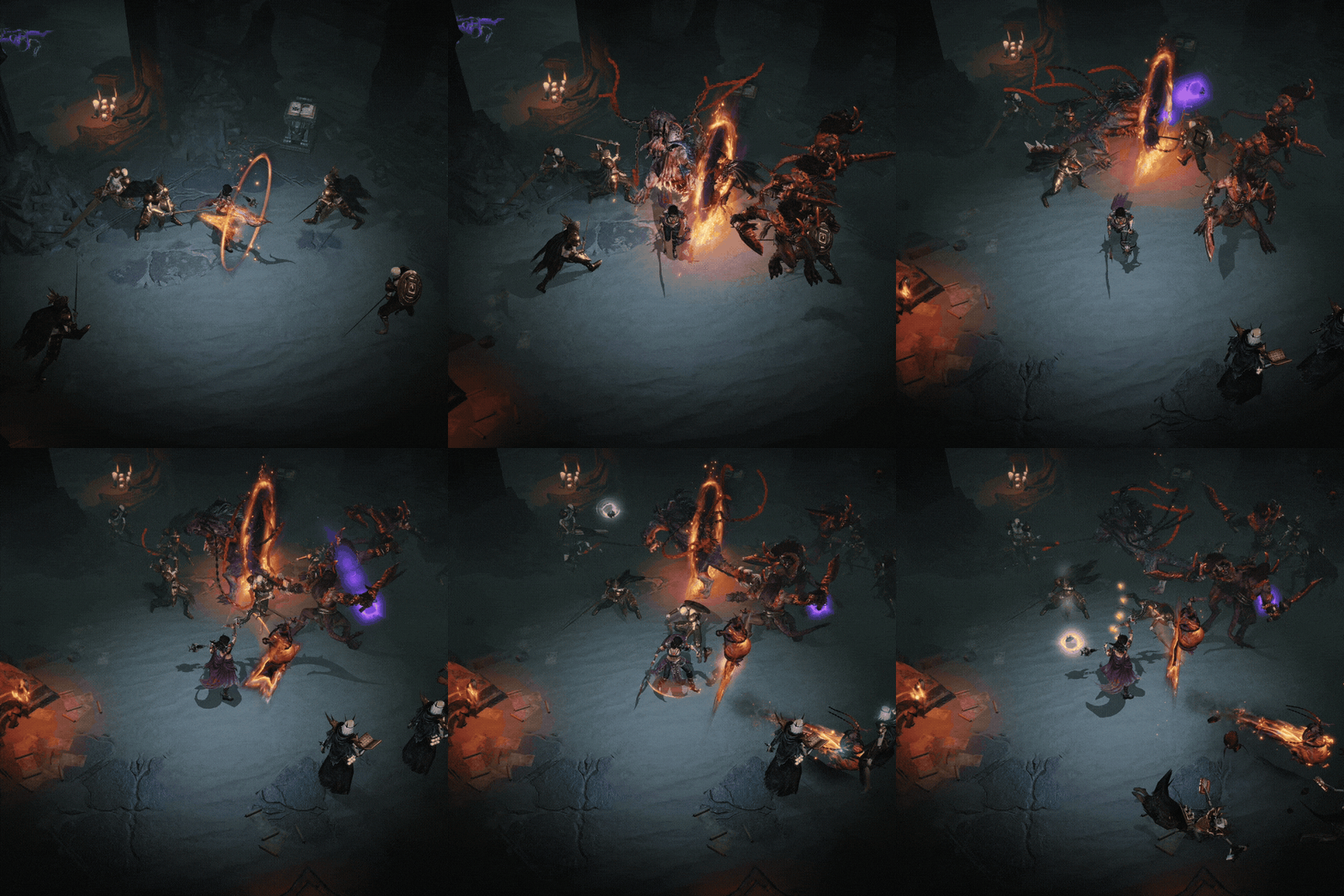
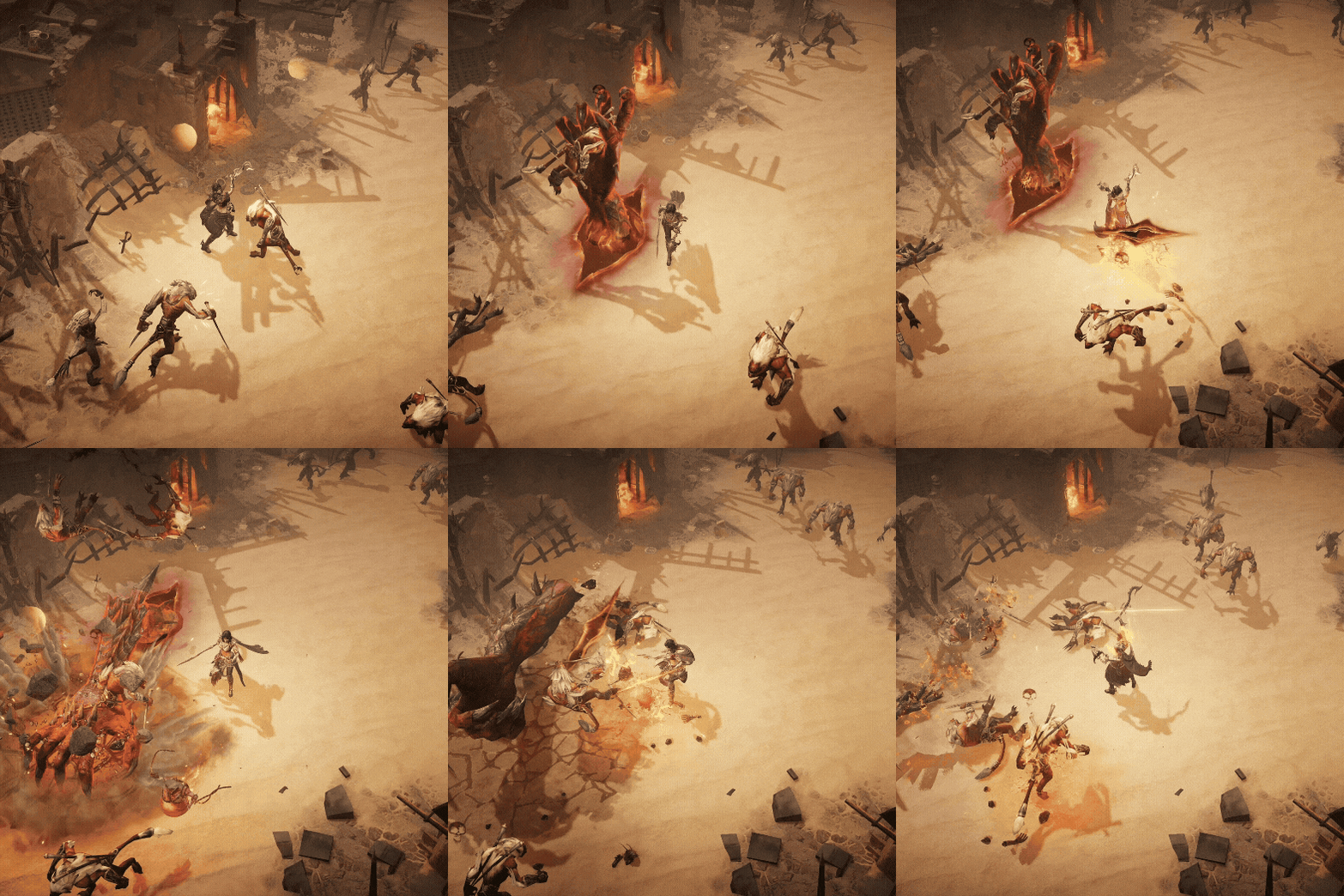
The Warlock has a varied kit that enables several ways of approaching battle. The Primary Attacks highlight this adaptability by providing both sustained accuracy and explosive area damage. Lunatic Rush is great for thinning out huge crowds because it calls for Fallen Lunatics that charge and explode, hence producing a turbulent battlefield. On the other hand, the Hellfire Bolt offers a constant flow of ranged damage that enables kiting and mobility. Beyond these fundamentals, the Warlock uses powers like Lash of Pain and Hellswarm to inflict status effects and exercise crowd control. The Warlock stays very successful against thick groupings of creatures because of its capacity to infect adversaries with plague that then spreads upon their death. Moreover, the Demonic Portal skill lets the player summon particular, strong creatures like the Bloodlord or the Rasplet Hulk, therefore providing customized utility for various mission objectives or boss fights.Mobility and Tactical Positioning
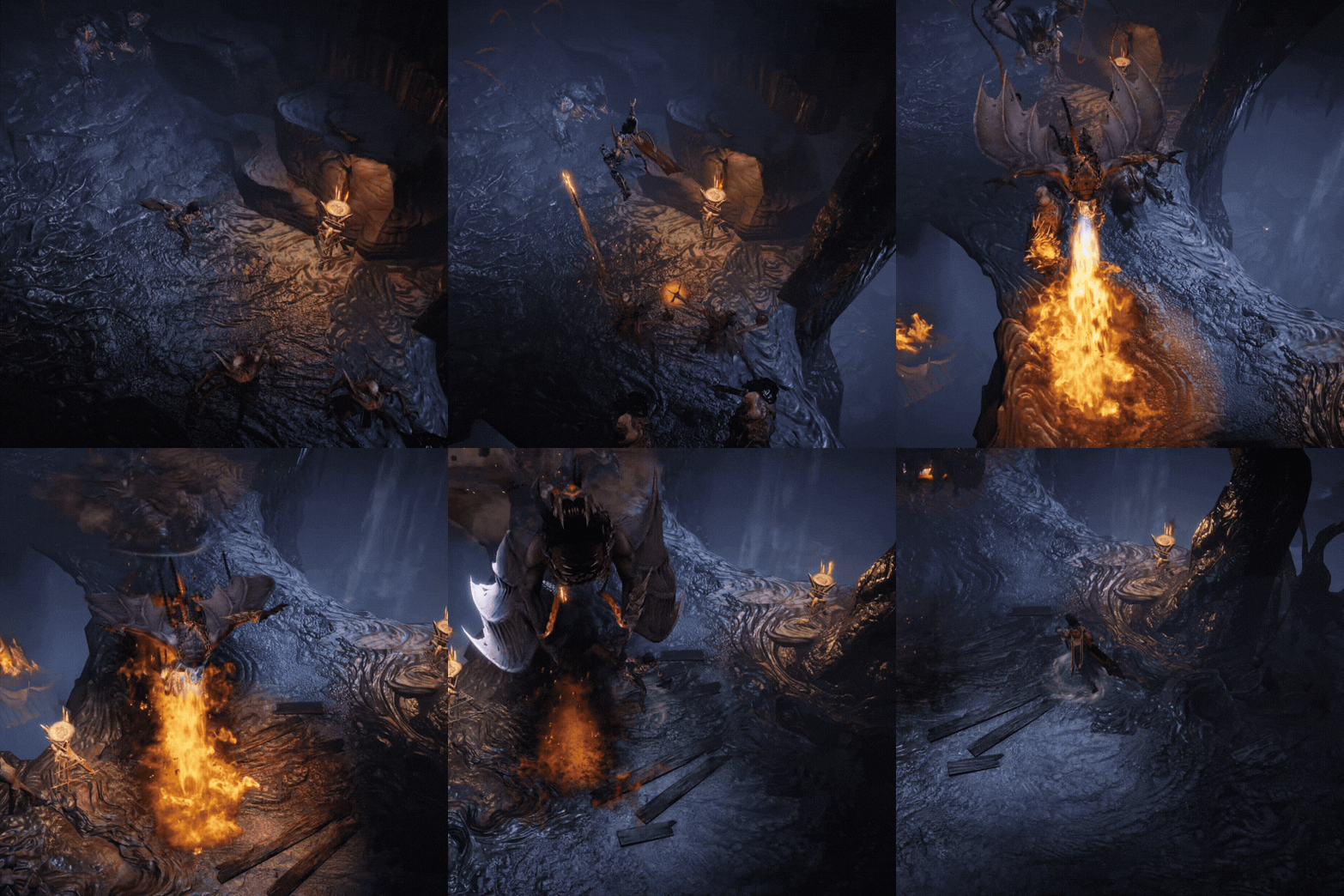
The capacity to move fast and maintain pressure on the foe is usually essential for success as a Warlock. The class has great mobility tools that combine thematic components with practical utility. The player can cross the field on a Hellflyer using Burning Ascent, leaving a path of damage that penalizes opponents for being out of place. Likewise, the Brimstone Gateway gives a strategic trip choice that would help the player and their friends. These movement skills are essential for setting up combos and making sure the Soulgorger is always positioned to intercept incoming attacks, not just for fleeing danger. Warlocks may control the pace of every fight by fusing these movement skills with the crowd control effects of spells like Infernal Eruption.The Philosophy of Sacrifice
The most unique feature of the Warlock is its strong focus on the life force system. Advanced players have to become proficient in skills including Siphon Life, Blood Offering, and Demonic Pact. These skills make the user continually weigh their own life against the strength of their magic. The Warlock generates damage levels that few other classes can match by transforming health into raw destructive energy, but this comes at the expense of fragility. For individuals who like precision gaming, this high risk, high reward design approach makes the class very fulfilling. Correctly overseeing these life pools is what distinguishes a Warlock from a beginner from a master of the dark arts.Legendary Customization in Diablo Immortal
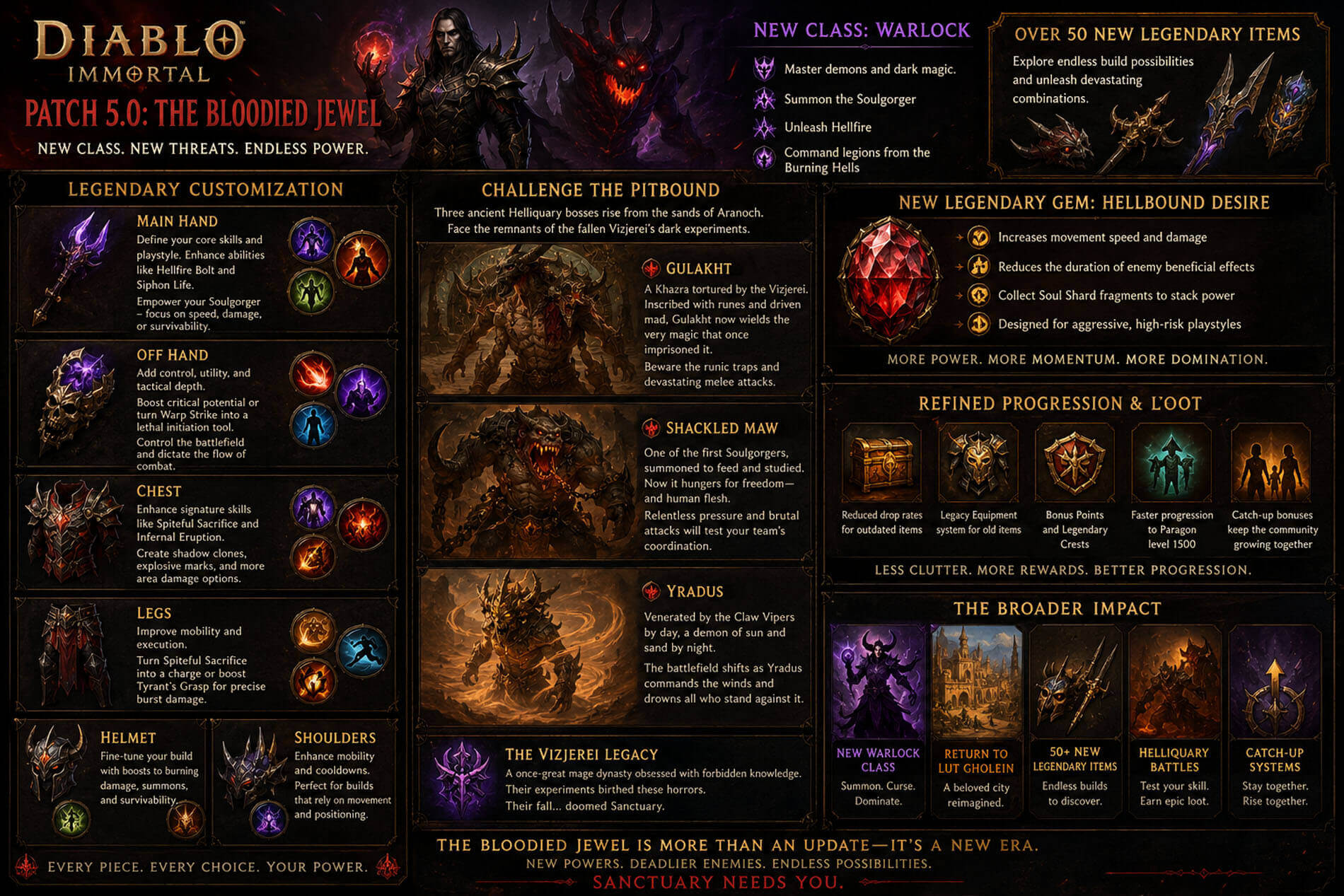 The customisation starts with Main Hand and Off Hand gear, which determine the basic rhythm of battle. Often altering fundamental skills like Hellfire Bolt or Siphon Life, Main Hand items help to define the Warlock's identity. These weapons let players define their preferred engagement approach by offering improvements ranging from higher mobility to better survivability. Moreover, a noteworthy feature is the capacity to enhance the Soulgorger via these goods, allowing gamers to select between a quicker assaulting minion or a more robust creature fit to survive lethal damage. Meanwhile, Off Hand gear adds a layer of tactical complexity by emphasising control. The Off Hand choices reflect the player's ability to manipulate the battlefield, whether they choose to enhance critical hit potential or turn Warp Strike into a powerful initiation weapon. Success in both solo dungeon runs and competitive player versus player warfare depends critically on this trade-off between offensive power and utility.
Strategic Armor and Defensive Utility
Beyond armament, the Chest and Leg armor pieces are absolutely essential in raising general battle effectiveness. The Chest Armor centers on enhancing signature skills like Spiteful Sacrifice and Infernal Eruption. These armor sets allow the Warlock to thrive in situations needing continuous area damage by producing fresh mechanics such as explosive enemy marks or shadow clones. Leg Armor pieces also provide aggressive enhancements that enhance mobility and execution precision. Players can focus on burst damage techniques depending on ongoing movement by boosting Tyrant's Grasp or transforming Spiteful Sacrifice into a charge-based ability. This layering of armor options lets gamers create combinations that boost the power of their selected skills, therefore building a unified build that feels both strong and purposeful.Refining Gameplay through Specialized Gear
Adding Helmet and Shoulder equipment finishes the Warlock's customization options by providing fine-tuning possibilities for mobility and posture. Particularly useful are objects that change the Brimstone Gateway since they give the Warlock the flexibility required to move around challenging boss arenas. Furthermore, equipment improving burning damage or summon survivability guarantees that the player stays viable in the late game. These things are the glue that holds a build together. They give the Warlock the sustain and defensive buffers he needs to stay alive when he is under a lot of pressure. Since these things interact directly with other pieces of equipment, they support a holistic view of gear acquisition whereby every slot advances a cohesive fighting style.The Challenge of the Pitbound
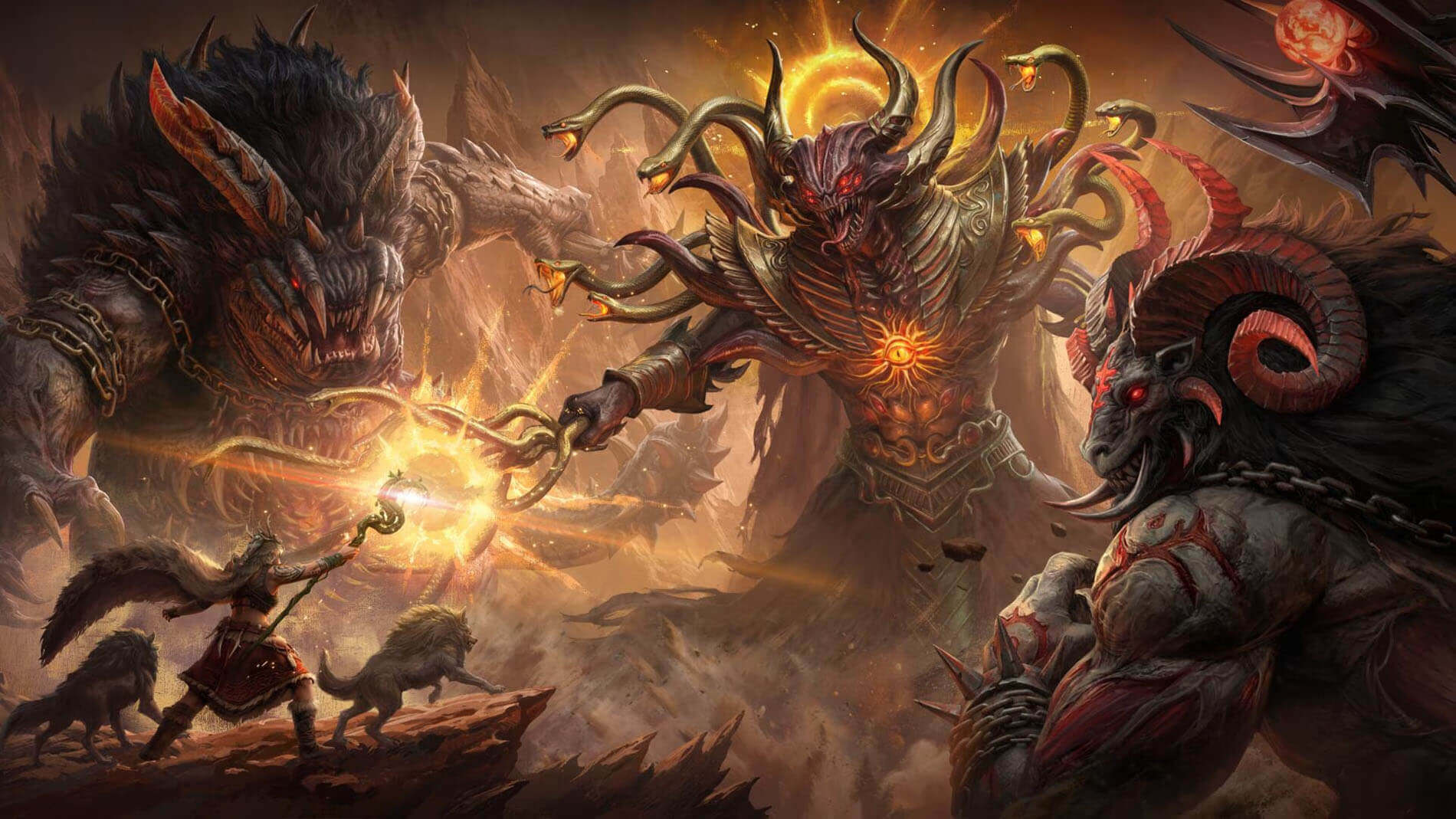
The addition of sophisticated endgame challenges keeps altering Sanctuary's terrain as Diablo Immortal develops. The release of the Pitbound in Patch 5. 0, named The Bloodied Jewel, signals a major turning point in this development. Hidden beneath the expansive and ever-moving dunes of the Aranoch Desert, these three powerful Helliquary bosses stand as the remnants of the once great and now fallen Vizjerei mage dynasty. Their appearance reminds us of the results of illicit experimenting and the dismal history of demonology. These battles test players' skill and teamwork by combining rich history with complex fighting systems, hence enhancing the game as a gold standard in mobile action role-playing games.The Vizjerei Legacy
One has to first examine the history of the Vizjerei to grasp the danger presented by the Pitbound. Renowned for their intelligence and ambition, the Vizjerei were among the strongest wizard families in the history of the world. Still, their fixation with knowing demons turned them down a road of corruption and catastrophe. The experiments carried out by these mages typically included the summoning and binding of creature’s way outside their jurisdiction. Though the civilization finally fell, the horrors they unleashed remained locked away in subterranean vaults. Years of seclusion in the Aranoch Desert have only served to exacerbate these injustices, turning abandoned studies into vengeful creatures awaiting the breaking of their jail's seal.The Mechanics of Gulakht
Driven to the edge of insanity by protracted exposure to magical torture, Gulakht is the first of the three bosses, a Khazra beast. Gulakht is a great illustration of the environmental storytelling embedded in these contacts. The creature did not give in to its fate; instead, it controlled the runes that were meant to hold it inside a chamber decorated with protective wards. Gulakht transformed its prison into an extension of its power by ingesting these mystical symbols into its own flesh. This boss battle needs gamers to deal with a twofold danger: They have to deal with the creature's fierce melee assaults while also avoiding the magical traps buried in the surroundings. The group's capacity for space management and reaction to the changing arena patterns will greatly determine success versus Gulakht.The Aggression of Shackled Maw
The Shackled Maw stands for the raw, unrestrained hunger of a Soulgorger, in contrast to the deliberate magic of Gulakht. This entity symbolizes the peril of conceit as it was among the earliest devils effectively conjured and later deserted by the Vizjerei. Through relentless pressure, the Shackled Maw seeks to stretch players to their boundaries. It does not give party members long chances to rest; therefore, they must coordinate their defense and offense with great accuracy. This battle acts as a mechanical test for teams, stressing the need of tank control and healer placement. It emphasizes the value of teamwork in a group as individuals who neglect to synchronize their actions will swiftly become overwhelmed by the beast's unrelenting attack.The Dual Nature of Yradus
Yradus, the last member of the trio, brings an environmental volatility component. Revered by the Claw Vipers as a divine guardian, the creature conceals a dark demonic nature that only comes forth after sunset. As Yradus harnesses wind, sand, and solar energy to upset the player, this change upsets the fundamental physics of the battlefield. This struggle is especially significant since it compels adventurers to modify their approach depending on the time of day and the shifting environment. Due to its instability, Yradus is probably the most complicated of the three as players can't depend on a fixed rotation. They have to stay alert and willing to change their approach as the surroundings itself grows hostile, though.Strategic Power and the Hellbound Desire Gem
The Hellbound Desire Legendary Gem's introduction is a highlight of the most recent upgrade. This product is a great illustration of how the creators want to reward aggressive gaming styles. The gem inspires gamers to assume a more proactive role in battle by providing a multifarious boost including faster movement speed and more damage. The introduction of Soul Shard fragment stacking and the capacity to lower the duration of hostile positive effects adds a depth level that benefits individuals who prioritize consistent damage production. This jewel represents a significant change in how players who love high risk and high reward gaming could build their characters. It is meant to be more than simply a statistical boost since it drives the player to interact with the environment in a more deliberate way, therefore guaranteeing that every meeting is meaningful and effective.Refining Progression and Loot Mechanics
The structural modifications done to the Legendary Essence and Set Item pools are likely the most significant improvements in Patch 5. 0. Many long-running games' inventory chaos and irritating loot experience result from the accumulation of obsolete or infrequently used objects. Blizzard has dealt with this by lowering the frequency of outdated items in the drop pool, therefore guiding player efforts on gear appropriate for present gameplay criteria. The move to categorize older items as Legacy Equipment, along with giving loyal players bonus points and legendary crests, shows a well-thought-out way of balancing player investment. The developers have effectively lowered the need for too much farming by simplifying the advancement route. While simultaneously guaranteeing that seasoned players can spend more time enjoying the game than handling pointless equipment, this makes the ascent toward the new Paragon server level of 1500 seem much more realistic for fresher players.The Broader Impact of Patch 5. 0
For the franchise, the update is a big step forward since it combines nostalgia with contemporary creativity. Adding the Warlock class gives players a complex fighting mechanism stressing summoning and strategic positioning. Returning to the legendary site of Lut Gholein also fills the distance between the traditional Diablo experience and the present version of the game. Together with over fifty new legendary items and demanding Helliquary battles, these additions produce a thick experience that honors talent and curiosity. The catch-up systems, which provide major experience incentives for individuals under the new Paragon level, help to keep the player base together and prevent it from being split by power discrepancies. This fosters a better ecology where the society may develop together notwithstanding personal variations in playing time.Is the Warlock Worth Playing?
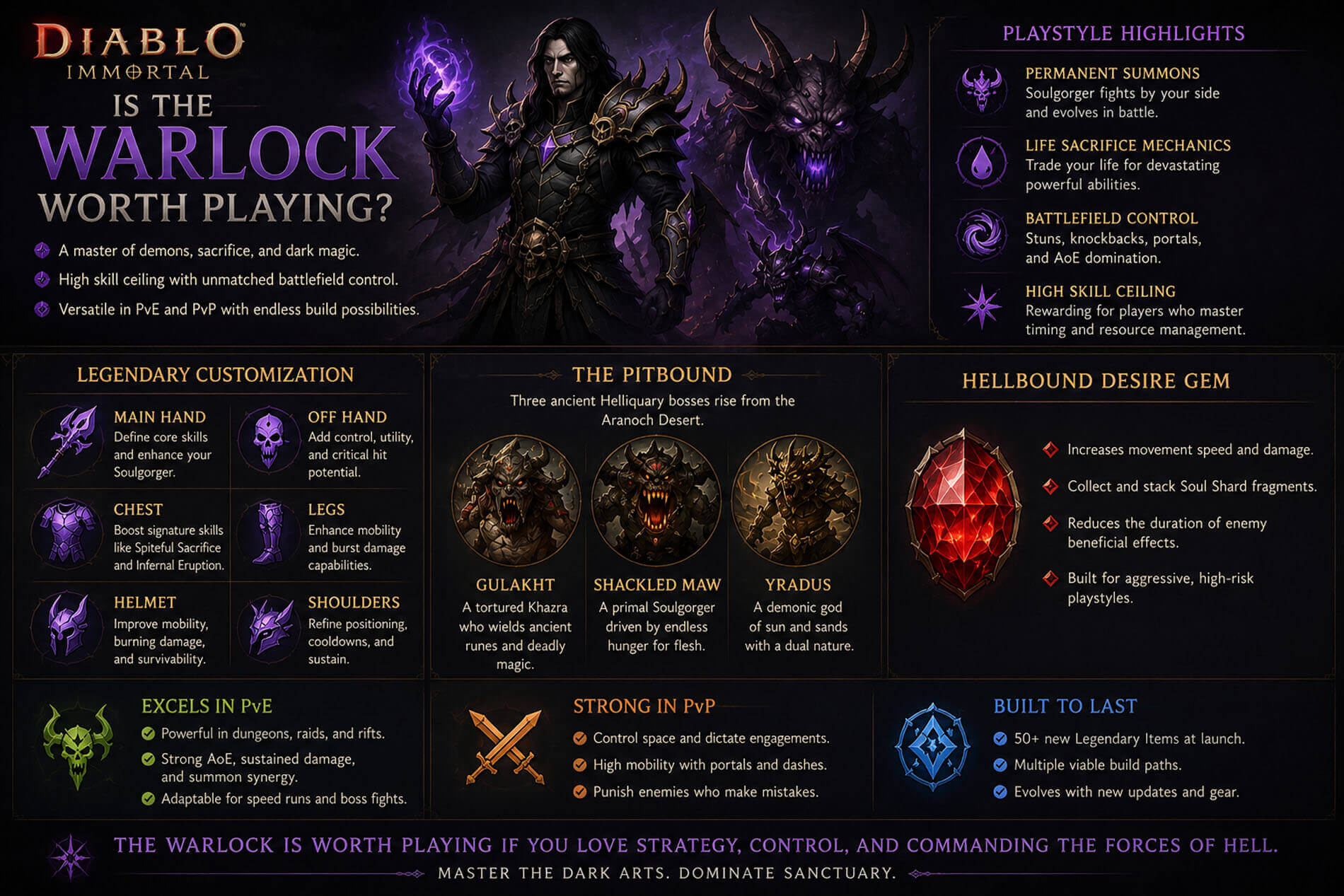 The arrival of the Warlock class in Diablo Immortal marks a major change in the games meta. It brings a new playstyle with complicated mechanics that goes beyond the usual hack and slash. Conventional classes in the game often depend on simple damage production or mobility, but the Warlock combines layered crowd control, life sacrifice techniques, and permanent summons into a coherent fighting system. This class is for players that value strategic complexity as it rewards methodical preparation and effective resource management more than mindless button mashing. The Warlock is a high skill ceiling character that pushes players to explore the complexities of their toolkit in great detail in order to achieve real success in both solo and group situations as the game develops.