Tournament Structure Enhancements
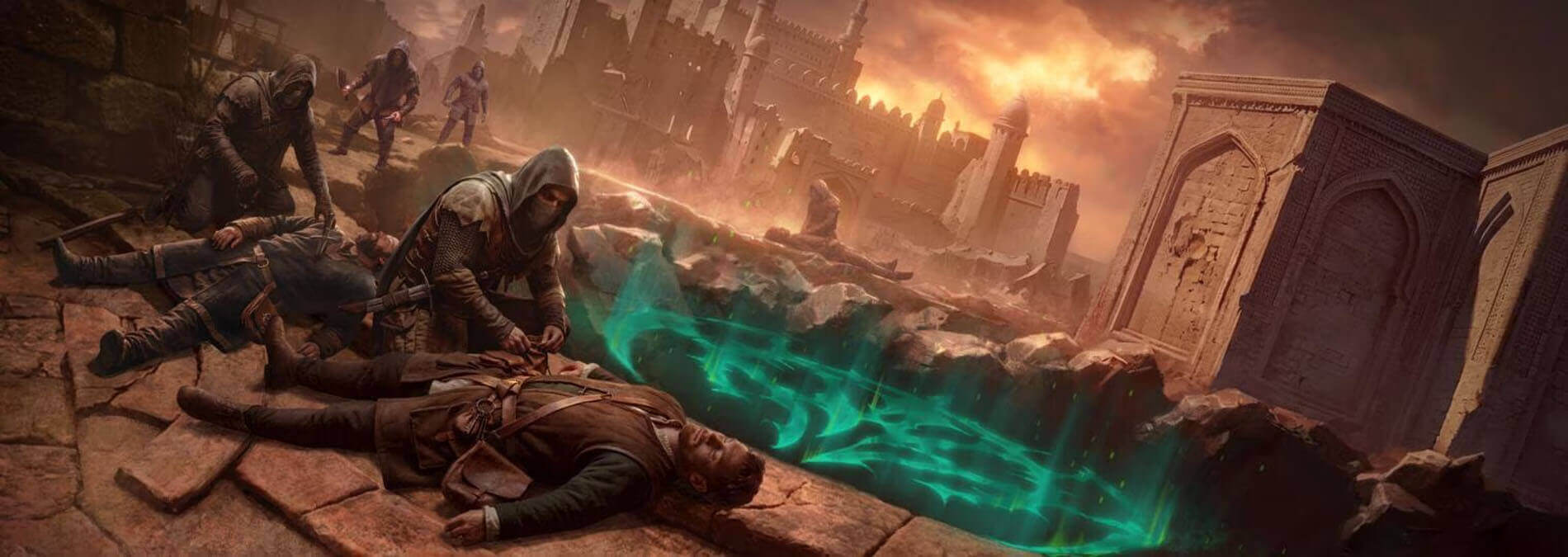 With the much-awaited comeback of the Cross-Server Bout of Realms, Diablo Immortal, the well-known action role-playing game, is ready to spark the flames of rivalry once more. The event is planned to coincide with the end of Blizz Con 2026, which promises an exciting time for gamers as open registration began on August 27, 2026, and finishes with the crowning of champions on September 13, 2026. This great event is more than simply a one-time competition; it comes with a series of cherished returning activities, offers new cosmetic items, a new Legendary Gem, vital class balance tweaks, and other major game changes. Particularly the Tower Wars map, the Cross-Server Bout of Realms is undergoing structural changes to improve the competitive environment by lowering needless matches, raising the overall player experience, and more clearly acknowledging the accomplishments of successful teams.
The returning Cross-Server Bout of Realms
This event brings notable changes to its tournament structure and prizes. The main goal of these changes is to make the competitive environment more efficient and rewarding. Reducing needless matches is one of the main goals; this guarantees that teams concentrate their time on meaningful interactions. This modification should increase the tournament's speed and intensity, therefore enhancing the impact of every level. Additionally, the improved system seeks to more effectively acknowledge and commemorate teams for their commitment and performance, providing more concrete rewards and appreciation for their involvement and results. The Open Registration time, from August 27 to August 30, 2026, is a great chance for interested players and their clans to sign up, so making sure that only committed and ready teams enter the fight. Establishing the competitive pool and enabling any needed last-minute changes to lineups or tactics depend critically on this first phase.Preliminary Stage Overhaul
The Preliminary Stage starts on August 31 and finishes on September 4, 2026, after registration. This phase is a key testing ground where teams battle one another to show their strength and earn a berth in the more sophisticated rounds. Acting as a gatekeeper to the higher echelons of the competition, the outcome in this stage directly determines a team's progress. The stakes are significant since the results here influence the whole competition and pinpoint which teams really have the potential to compete for the ultimate championship. The Preliminary Stage is undergoing a major change, splitting into two separate phases. This overhaul aims to reduce the total number of games played while simultaneously guaranteeing that the competition retains significance for all participating teams, even those not aimed for the grand finals. The Preliminary Stage's current competition structure was arranged in three phases. Over four days, with 12 rounds on the Tower Wars map, Phase 1 included a point-based competition employing a Swiss-system pairing with tiebreaks. The second phase, a playoff round, chose 64 players who had the same score. Over two days and six rounds, they played using the Swiss-system pairing with tiebreakers. The third phase was the knockout competition, a best-of-three or best-of-five, one-on-one elimination round spanning five days with twenty rounds. Teams amassing three losses in the first two days of the Preliminary Stage were eliminated under the previous structure, yet they still played out the balance of the preliminary stage. The new competition structure seeks to fix this by implementing a more dynamic elimination procedure. Though players with three losses at settlement will be removed right away, cutting down their tournament length, Phase 1, now known as "Stage 1 of the points race," will still make use of Swiss-System Pairing with Tiebreak on the Tower Wars map. This phase, which will last two days and consist of six rounds, Teams will inherit points from the first round in Phase 2, "Second stage of the points race," and continue with Swiss-system pairing and tiebreaks on Tower Wars for three days and nine rounds. The last phase, Phase 3, remains the Knockout Stage, a BO3/BO5 one-on-one elimination on Tower Wars spanning 5 days with 20 rounds. This amended format lowers the total match count while maintaining the entire competitive calendar for teams that progress by allowing poorer-performing teams to finish their tournament run earlier.Additional Progression Rewards
A new incentive milestone is being added for teams showing great performance for those moving on to the second stage of the Preliminary stage. Achieving this milestone will earn teams a Set item of the player's choice with a quality of 3+2 or above. This addition offers an additional level of motivation and real rewards for teams making substantial advancement even if they do not finally reach the Finals Stage. This guarantees that more teams believe their efforts are valued and acknowledged all during the tournament.Custom Champion Announcement
The competition then ramps up to the Finals, set to happen from September 7 to September 11, 2026. This is the meeting place of the Bout of Realms' elite. Pressure builds as teams fight for dominance, highlighting the height of Diablo Immortal's player-against-player warfare. The finals are usually distinguished by intense strategic preparation, perfect execution, and the capacity for adaptation under great stress. Teams that have made it this far have already shown their worth, and the finals are the ultimate test of their ability, teamwork, and stamina. The debut of custom champion announcements is a fresh and celebratory feature of the Cross-Server Bout of Realms' comeback. The victorious squad will now have the rare chance to send a customised, server-wide announcement to mark their championship win. This message will be sent throughout the server after an evaluation and approval process, therefore letting the victorious team to declare their hard-won glory to all players. This feature gives the winners a lot of server-wide recognition and customized bragging rights. The Third-Place match on September 12, 2026, and the Championship match on September 13, 2026 comprise this last section into two major events. Although not the ultimate reward, the Third-Place game is an essential game for teams trying to maintain a respectable standing and get credit for their work over the event. As teams compete for the distinction of being among the best rivals, it typically offers an interesting show of high-level play. The Championship game, where the two strongest teams battle for the title of Bout of Realms champions, is the highlight of the event. This game is more than simply a game; it is the outcome of weeks of planning, tactical thinking, and many fights. The winners are not only praised for their exceptional ability and teamwork but also receive substantial bragging rights and in-game awards that symbolize their top-tier standing inside the Diablo Immortal world. This architecture guarantees a definite and unambiguous finish, removing any question as to who rules across the linked worlds. With its phased strategy and cross-server integration, the Bout of Realms offers a strong framework for competitive interaction, motivating players to aim for greatness and engage in a major, server-spanning tournament.Seeker's United: A Celebration of Past and Present Challenges
The Seeker's United event, running from August 26 to September 23, 2026, presents a meta-event designed to bring back and highlight various existing event types. This approach leverages established gameplay loops, making it accessible for both new and returning players, while offering veteran players opportunities to earn progress and rewards for activities they may already be familiar with. The event's structure, which cycles through distinct challenges like Survivor's Bane, Trial of the Hordes, Fractured Plane, and Wild Brawl, ensures a varied experience over its duration. This variety prevents monotony and caters to different player preferences, whether they enjoy survival challenges, horde-mode combat, or competitive PvP. The emphasis on weekend PvP during Seeker's United suggests a deliberate strategy to concentrate player activity during peak engagement times, fostering a more dynamic and competitive atmosphere for these specific modes. The core mechanic of "earning progress and rewards" implies a tiered system where consistent participation across the different sub-events leads to cumulative benefits, encouraging players to log in regularly throughout the month-long event. This is a common and effective strategy in live-service games, rewarding dedication and time investment.Winds of Fortune: Amplifying Specific Reward Avenues
In contrast to the broad scope of Seeker's United, Winds of Fortune, occurring from September 3 to September 10, 2026, focuses on amplifying specific reward streams, particularly those related to Normal Gems and tradable items. The doubling of the 4-player party Normal Gem bonus drops, even when unaffected by the daily cap, represents a significant incentive for cooperative play and targeted farming. Normal Gems are a critical resource for character progression, directly impacting a player's power level. By temporarily removing or significantly increasing daily caps, the event encourages players to group up and dedicate more time to activities that yield these valuable gems. The limitation that only the first twelve Common Gems of the day are tradable, however, introduces a strategic layer. It encourages players to prioritize which gems they wish to sell for profit and which they might use directly for their own character's enhancement. The activation of a 24-hour buff provides a personal boost, but the real-time duration and automatic activation if not manually initiated suggest a design that aims to maximize player benefit regardless of their active login status at specific moments. This ensures that even players with less consistent login schedules can still benefit from the event's bonuses.Reward Duplication and Limitations
Both Seeker's United and Winds of Fortune incorporate mechanics related to duplicate item drops, such as Gold, Experience, Battle Pass Points, Normal Gems, and Legendary Items. The explicit mention that these items "will drop in duplicate quantities" signifies a direct increase in the rate at which players acquire these resources. This is a powerful draw, as it accelerates progress and enhances the feeling of reward for time spent in the game. However, the crucial caveat is that these duplicate drops are subject to limits, where players earn double until they reach a predefined cap. This is a standard game design practice to prevent hyperinflation of resources and to ensure long-term game economy stability. Without such limits, a prolonged event with unlimited duplicate drops could render future content less rewarding or lead to an unsustainable economy within the game. The inclusion of specific activities like Dungeons, Bounties, and wilderness farming as sources of these doubled drops indicates that the developers aim to boost rewards across a wide spectrum of gameplay, encouraging participation in various facets of Diablo Immortal. The exclusion of Battle Pass rewards from doubling and the unchanged weekly limits on Battle Pass Points and Normal Gems highlight a targeted approach; the developers are focusing the event's boosts on core progression and economy rather than the Battle Pass system itself, which often has its own distinct progression and reward structure.The Seething Polestar Gem: A New Offensive Force
The introduction of the Seething Polestar as a two-star Gem, accessible through the Empowered Battle Pass starting with Season 56, signifies a strategic addition to players' arsenals. At its Rank 10 description, the gem’s power lies in its area of effect (AoE) damage and its chaining potential. When an enemy is struck, beams of Seething Light descend upon their location, inflicting damage on them and any nearby foes. Crucially, the gem introduces a dynamic chaining mechanic: enemies hit by Seething Light have a chance to trigger subsequent beams, creating a cascading effect. This chaining is amplified by the number of enemies hit, with each successful chain increasing the likelihood of further connections. However, this cascading power comes with inherent limitations designed to maintain game balance. Each subsequent blast experiences a 30% reduction in both radius and damage, preventing an unchecked exponential growth of damage output. Furthermore, the Seething Light effect also bestows a dual benefit upon the player: it increases their damage dealt to targeted enemies and simultaneously reduces their movement speed for a brief two second window. These beams, however, have a cooldown, being able to be called down no more frequently than once every six seconds, and the chaining is capped at a maximum of three additional blasts. This combination of potent AoE, conditional chaining, and player buffs, balanced by damage and radius reduction and a cooldown, makes the Seething Polestar a compelling choice for players seeking to enhance their offensive capabilities, particularly in crowded combat scenarios. Its inclusion as a Battle Pass reward ensures a degree of accessibility while still rewarding dedicated engagement. The resonance gems Havoc Bearer, Specter Glass, and Rampant Torch are also mentioned as related items, hinting at potential synergies or further avenues of progression within the gem system.Jewel of the Desert: Lut Gholein's Aesthetic Embrace
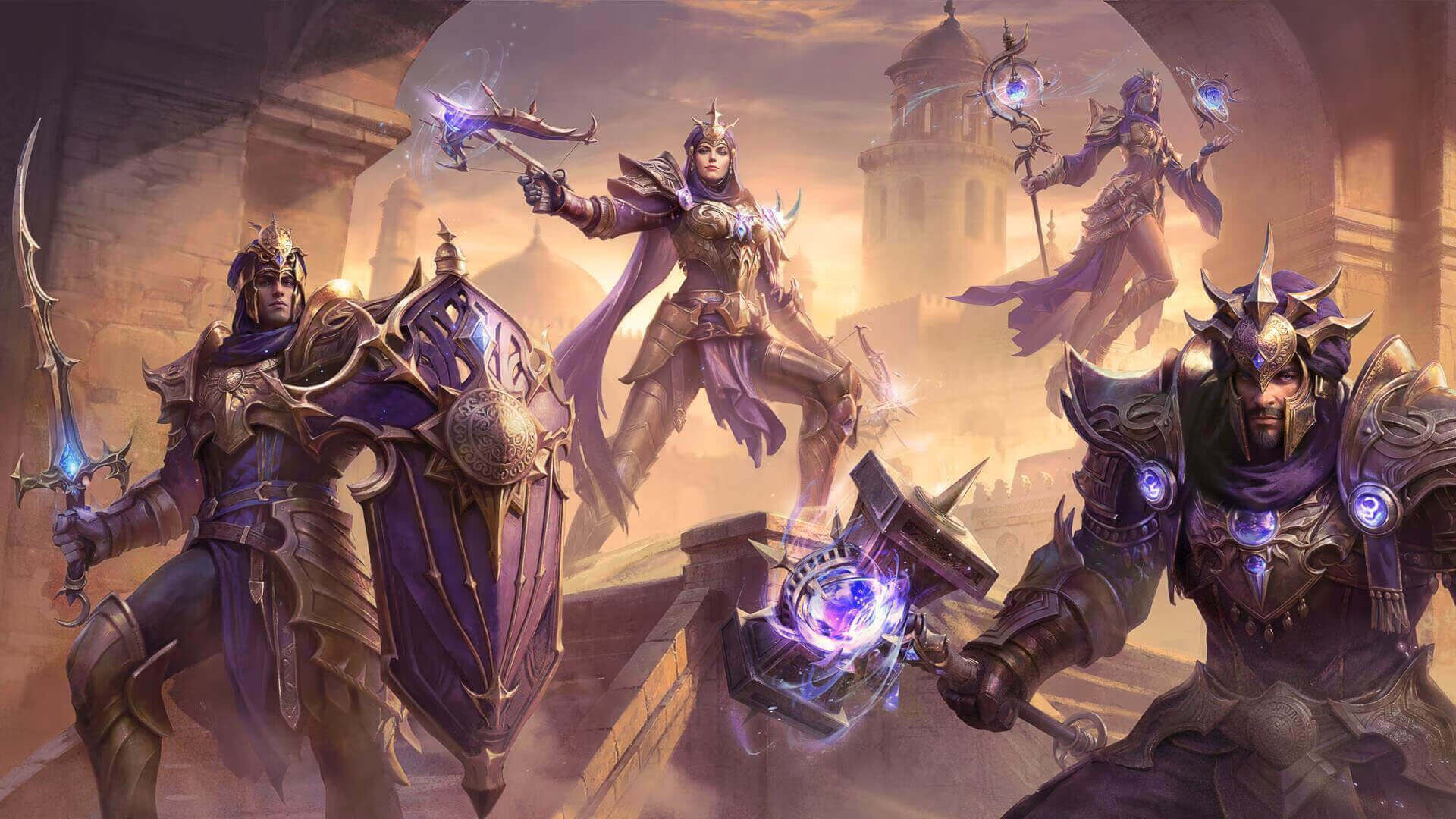 Complementing the gameplay enhancements, the Jewel of the Desert cosmetics event offers a thematic departure, drawing inspiration from the sun drenched, opulent city of Lut Gholein. Scheduled to run from August 27, 2026, to September 24, 2026, this event provides players with exclusive cosmetic armour and weapon sets that encapsulate the essence of this fabled desert metropolis. The design motifs are explicitly stated to echo the sun, the city's glorious golden spires, and the aesthetic splendour of its High Ward. Such thematic events are a cornerstone of Diablo Immortal's ongoing content strategy, offering players opportunities to personalize their characters beyond mere statistical optimization.
The visual appeal of these cosmetics allows players to embody the spirit of Lut Gholein, transforming their avatars into representations of the city's grandeur. This focus on aesthetics caters to a significant portion of the player base that values visual customization and role playing. The integration of specific architectural and symbolic elements like golden spires and sun motifs provides a cohesive and immersive experience, reinforcing the game world’s lore and expanding its visual palette. By offering these exclusive items through a limited time event, developers encourage player participation and create a sense of urgency, fostering a more active community during the event period.
Complementing the gameplay enhancements, the Jewel of the Desert cosmetics event offers a thematic departure, drawing inspiration from the sun drenched, opulent city of Lut Gholein. Scheduled to run from August 27, 2026, to September 24, 2026, this event provides players with exclusive cosmetic armour and weapon sets that encapsulate the essence of this fabled desert metropolis. The design motifs are explicitly stated to echo the sun, the city's glorious golden spires, and the aesthetic splendour of its High Ward. Such thematic events are a cornerstone of Diablo Immortal's ongoing content strategy, offering players opportunities to personalize their characters beyond mere statistical optimization.
The visual appeal of these cosmetics allows players to embody the spirit of Lut Gholein, transforming their avatars into representations of the city's grandeur. This focus on aesthetics caters to a significant portion of the player base that values visual customization and role playing. The integration of specific architectural and symbolic elements like golden spires and sun motifs provides a cohesive and immersive experience, reinforcing the game world’s lore and expanding its visual palette. By offering these exclusive items through a limited time event, developers encourage player participation and create a sense of urgency, fostering a more active community during the event period.
Game Updates
Empowered Battle Pass Enhancements
The introduction of the Empowered Battle Pass and its Collector's counterpart has brought tangible benefits to players willing to invest further. A notable change is the replacement of the War Herald with the Seething Polestar, a new two-star gem, as a selectable reward. This offers a more desirable early game progression tool. Furthermore, upon reaching level 35, the normal gem reward is now expanded to offer a choice of three new options, allowing players to tailor their milestone rewards more precisely to their current needs and preferred playstyle. These updates to the Battle Pass system encourage deeper engagement by providing more meaningful and customizable rewards, fostering a sense of continuous advancement and strategic decision-making.Dungeon and Rift System Adjustments
To alleviate common frustrations within Diablo Immortal's cooperative content, several key adjustments have been made to Dungeons and Elder Rifts. The most impactful change is the immediate resurrection of dead players upon clearing a challenge dungeon. This eliminates the tedious downtime and potential for failed runs due to a single unfortunate death, making group content more fluid and less punishing. Additionally, the initial challenge of the Elder Rift, which previously yielded three runes, now rewards nine Telluric Fragments. This streamlines the early game progression for new players, ensuring they receive a more substantial and useful currency to kickstart their gearing process without unnecessary steps. These revisions promote a more forgiving and efficient cooperative experience.Quality of Life Improvements for Monster Essence
A significant quality of life improvement has been implemented concerning the Monster Essence turn-in process. Previously, using the Monster Essence notification would teleport players to the nearest safe zone but would not create a return portal to their farming location. This was inconvenient for players who needed to gather more essences, forcing them to manually travel back. The updated system now opens a portal to the nearest safe zone, which functions independently of the regular Town Portal cooldown and is not interrupted by damage. This ensures players can quickly return to their current farming spot without significant interruption, making the collection of Monster Essences a much smoother and less disruptive activity.Helliquary Enrage Mechanics Rebalanced
The Helliquary Enrage mechanic has undergone a crucial rebalancing to ensure class parity and prevent exploitative gameplay. Previously, certain class builds could effectively negate the Enrage mechanic by having excessive survivability, trivializing boss encounters. The developers have shifted away from nerfing specific builds and instead modified the Enrage mechanic itself. Now, the passive damage dealt during Enrage scales over time, reaching 100% of a player's maximum Life after 45 seconds, and this damage cannot be mitigated by shields, damage reduction, immunities, or cheat death effects. This change ensures that all players experience the intended challenge of the Enrage mechanic without allowing for absolute immunity, promoting a more equitable and engaging boss fight experience, particularly in challenging content like the Helliquary Gauntlet.Legendary Gem Attribute Clarity
A significant backend upgrade has been made to how Legendary Gem attributes are displayed, aiming to provide greater clarity for players. Previously, complex stats were often aggregated into single display values, requiring players to perform calculations to understand the true impact of a gem's passive bonus. The updated system allows for more direct display of attribute values. For instance, instead of a vague percentage tied to another stat, it will now clearly state the direct percentage increase. This enhanced clarity in the Legendary Gem Upgrade UI will help players better understand the strengths of their gems and make more informed decisions regarding gem upgrades and builds, especially as new and more complex gems are introduced.Monthly Card Optimization
One of the most impactful recent updates revolves around the optimization of the Monthly Card, specifically the "Boon of Plenty." The core objective of this change is to significantly increase the perceived value of this in-game purchase without altering its price point. This is a crucial strategy for retaining players and encouraging ongoing investment. The update achieves this by strategically replacing less desirable rewards, such as normal gems and crests, with Telluric Pearls. Telluric Pearls are highly valued by players for their utility in acquiring powerful items and advancing their characters, making this swap a direct upgrade to the card's appeal. Furthermore, the developers have increased the number of Special Reward (SR) Gems available through the Boon of Plenty. Crucially, they have also expanded the selection pool of SR gems to include the War Herald. This addition provides players with access to a more diverse range of potent gems, further enhancing the statistical growth and combat capabilities of their characters. These adjustments indicate a thoughtful approach to in-game economy management and player satisfaction, ensuring that recurring purchases offer tangible and desirable benefits.UI and UX Updates
Beyond monetary incentives, a significant portion of the recent updates focuses on improving the player's interaction with the game world through UI and UX enhancements. The Activity Tab has undergone a redesign, incorporating a sub-tab feature. This addition is a practical solution to the common problem of cluttered in-game event menus. By categorizing and organizing current events more clearly, players can more easily navigate and discover available activities, reducing confusion and increasing engagement with time-sensitive content. The Phantom Gallery has also seen improvements. The visual direction has been unified by updating the Gem icon to match the latest aesthetic standards. More importantly, the related Gem VFX has been enhanced. These visual flair upgrades are not merely cosmetic; they are designed to improve visual clarity, making it easier for players to understand the impact of their rewards and the significance of gem acquisitions. In Westmarch, the game's central hub, art optimization has been implemented. This includes adding more texture fidelity to environments and terrain, enhancing atmospheric lighting, and improving visual effects such as water, smoke, and vegetation. Adjustments to existing props and structures further contribute to a more immersive and visually appealing world. These environmental upgrades create a richer, more believable game setting, enhancing the overall aesthetic appeal and player immersion.Interface and Bug Fixes
The practicalities of gameplay are also addressed through UI optimizations and a comprehensive list of bug fixes. Several UI issues that could hinder gameplay within dungeons have been resolved. The problem of NPC dialogue obscuring the skill bar UI and other interface operations has been optimized, ensuring that players have unobstructed access to their abilities and crucial game information. Additionally, the issue where skill buttons were obscured by a black overlay during channelling has been fixed. This optimization is vital for players to clearly see the cooldown status of their abilities, allowing for better strategic decision-making in combat. The interface displayed when a player's Seeker Rating reaches its maximum value has also been refined. Beyond UI, a significant number of miscellaneous bugs have been fixed, demonstrating a commitment to game stability and fairness. These include issues with the Tide Pool from the Tempest Legendary Essence not triggering Electrocution, the Warlock skill Burning Ascent not removing Slow effects, and abnormal damage reduction from the Warlock Legendary Essence Measured Halves. Furthermore, a bug affecting Druid human form abilities where they could not increase Claw attack numbers from the WulftearClass Balance Changes in Diablo Immortal
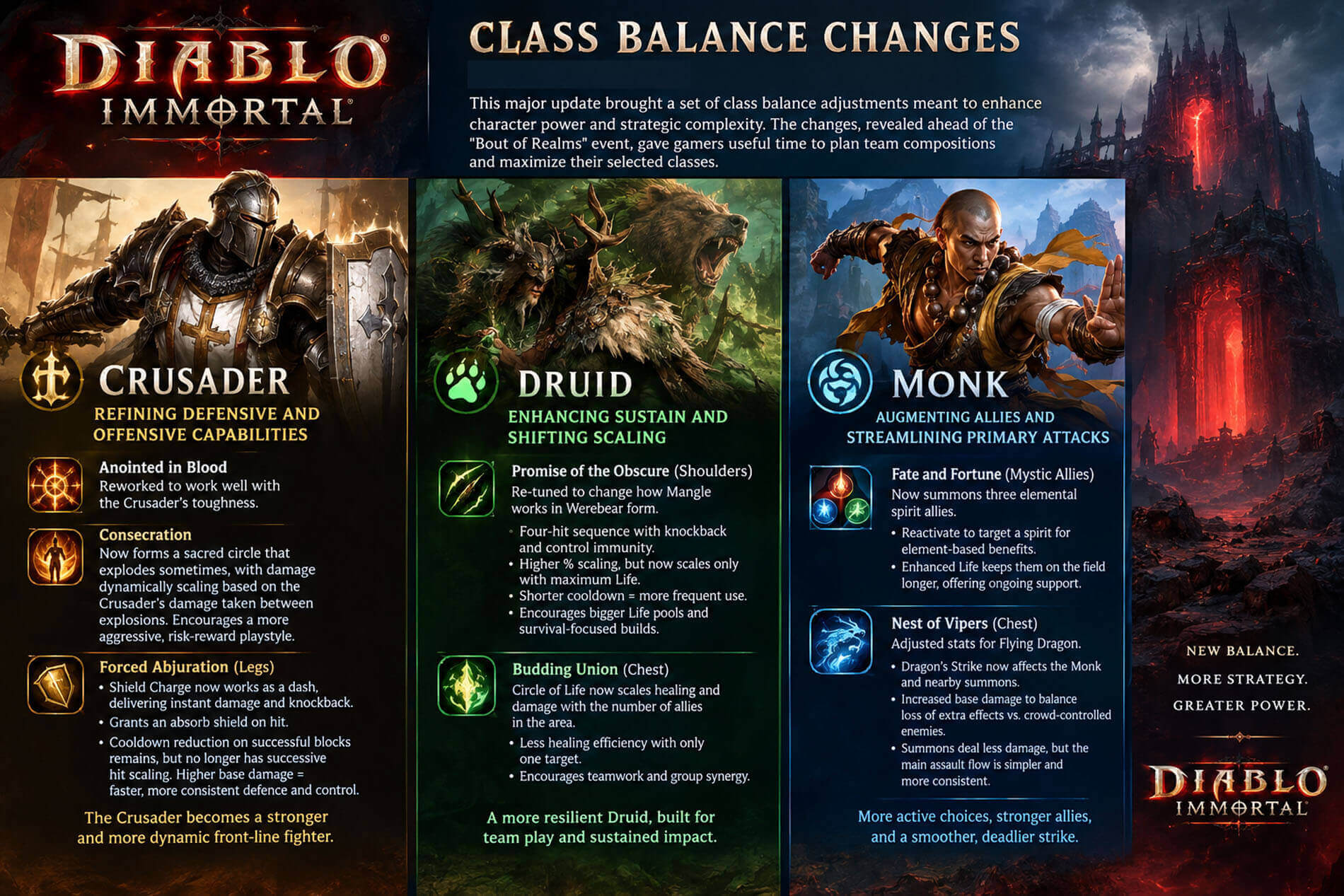 This major update on August 26, 2026, brought a set of class balance adjustments meant to enhance character power and strategic complexity. These changes, revealed ahead of the "Bout of Realms" event, gave gamers useful time to plan team compositions and maximize their selected classes.
Crusader: Refining Defensive and Offensive Capabilities
Notable changes to the Crusader class concentrated on improving both defensive utility and offensive output. The legendary helmet item "Anointed in Blood" was reconceived to work well with the Crusader's toughness. "Consecration" used to deal damage depending on a fixed amount. The updated version forms a sacred circle that explodes sometimes, with its damage dynamically scaling depending on the Crusader's damage taken between explosions. This promotes a more aggressive playing style, which benefits players that can absorb damage while keeping offensive pressure. This change makes the skill an active, risk-reward tool rather than a passive source of damage. Moreover, the "Forced Abjuration" legs legendary item underwent a major rework, altering its fundamental operation. The first version of "Shield Charge" concentrated on a frontal cone assault with a damage-increasing effect on successive hits and a cooldown reduction tied to successful blocks. The refurbished "Shield Charge" works as a dash, delivering instant damage and knockback upon contact. More crucially, upon striking an adversary, it provides an absorb shield that enhances the Crusader's ability to survive in close combat. Although the cooldown reduction for successful blocks remains, the elimination of successive hit scaling and the rise in base damage indicate a more consistent and quicker surge of defence and control. Together, these enhancements seek to turn the Crusader into a stronger and more dynamic front-line fighter.Druid: Enhancing Sustain and Shifting Scaling
The Druid class underwent changes meant to enhance its sustained healing and change the damage scaling for important skills. The "Promise of the Obscure" shoulders legendary item, which changes how the "Mangle" skill works in Werebear form, was re-tuned. The upgraded "Mangle" now unleashes a sequence of four assaults with built-in knockback immunity and loss of control protection. Although the percentage scaling has been enhanced, the damage now scales only with the Druid's maximum Life. This tweak motivates bigger Life pools for Druids, possibly diverting build priorities toward survival while guaranteeing steady, though Life dependent, damage output throughout the violent Werebear transformation. The shorter cooldown lets one use this great power more often. The "Budding Union" chest legendary item also underwent changes related to its "Circle of Life" skill. This ability produces an area of effect that heals allies and harms adversaries. The updated version now sees its healing and damage increase with the number of allies within the area. But the healing efficiency has gone down when there is only one target in the zone. This change encourages Druids to play nearer to their teammates, therefore enhancing their role as a support class that depends on group synergy. The aim is to discourage solo healing situations from being as effective and reward coordinated play.Monk: Augmenting Allies and Streamlining Primary Attacks
Changes to the Monk class were made to improve the efficiency of their summoned companions and to hone the synergy of their main strike. The "Fate and Fortune" main-hand legendary item for "Mystic Allies" was changed to summon three elemental spirit allies. A new mechanic lets players reactivate the ability to aim at one of these spirits, giving the Monk beneficial effects depending on the spirit's element. This adds a layer of active interaction and strategic choice to the summoning process, enabling on-demand boosts. The enhanced Life for Mystic Allies also guarantees they stay on the field longer, offering ongoing support. The chest legendary item "Nest of Vipers", which modifies the skill "Flying Dragon", had its stats adjusted as well. The earlier version gave "Dragon's Strike" following the employment of the skill, therefore unleashing energy waves upon Primary Attacks. The new version gives the Monk as well as surrounding summons "Dragon's Strike". The basic damage of "Dragon's Strike" was raised to balance the loss of extra effects brought on by striking crowd-controlled opponents. Still, summons deal less damage with their "Dragon's Strike" attacks. This seeks to simplify the Monk's main assault flow and deliver more consistent damage output, all while positioning the player character as the primary recipient of the improved effect, with summons providing supplemental albeit weaker input.Specific Adjustments for Tempest and Warlock
Two of the core skills of the Tempest class underwent significant changes. The legendary item "Tempest Dream and Drown" in the Helm slot had its "Cascade" skill changed. Cascade used to give Zephyrs' strikes the ability to unleash waves damaging both close and distant foes. This basic capability is kept in the new version, but it's important to note that an absorb shield is added when a wave strikes an opponent. This enhancement provides the Tempest the survival boost it needs, enabling them to fight more aggressively or endure damage over extended fights. Along with this change, a maximum range trigger was added for Cascade to stop its waves from hitting enemies too far away, which makes the skill's use more controlled and strategic. Moreover, the Off-Hand item "Cyclone's Call" had its "Crosswinds" ability re-engineered. Originally a channelled ability activated while moving, it propelled wind blades. The revised edition keeps the channelling and movement components but adds immunity to knockbacks while channelling, a rather defensive enhancement. Furthermore, swiftly hitting an adversary with numerous wind blades now causes an extra strike, raising the skill's damage potential. Developers lowered the energy consumption while channelling and raised energy regeneration, therefore enabling longer channelling periods and quicker energy recovery.
Particularly influencing the "Measured Halves" trousers and the "Supply and Demand" trousers, the Warlock class also underwent significant changes. The "Spiteful Sacrifice" ability on Measured Halves now channels swords of dark energy and can be cast while moving. Though the attack interval has grown, the damage per strike has been greatly enhanced, leading in fewer but stronger volleys. To counteract this, channelling slows down movement speed, and the range has been lowered. The "Sacrificial Power" effect no longer locks onto players, but instead fires additional projectiles at the target's current position, hence increasing their vulnerability to evasion. The "Tyrant's Grasp" skill now gives the "Supply and Demand" pants an absorb shield by taking the Soulgorger as an offering of power before conjuring demonic hands. While Tyrant's Grasp can no longer be active concurrently with the Soulgorger, its cooldown has been lowered for more frequent shield acquisition. The third attack no longer has a knockback effect; instead of dealing damage to foes at maximum range, it has more base damage. With the Warlock's "Brutal Lessons" shoulders, Primary Attacks are now augmented with molten chains that inflict damage, knock back, and ignite close-by opponents. Hitting the same enemy grants life drain and control immunity, with the cooldown reduced to align with the "Supply and Demand" cooldown.
Changes were made to the Wizard class's "Lissana's Sorrow" chest piece and "Searing Judgement" shoulders. The "Frostfield" ability now bestows "Creeping Chill", which causes attacks to chill enemies, and critical hits will freeze foes inside the range. The chill value has been raised to improve crowd control ability. The "Searing Judgement" shoulders change "Disintegrates" into a fire-based attack, adding a burn effect that can stack up to five times. At five stacks, the burn is depleted for more damage. Wizards are now immune to Knockback effects while channelling. The beam distance has been lowered, and the maximum stack count for the burn has been raised, therefore lowering the frequency of additional damage triggers but increasing the overall damage output to compensate.
Together, these changes hope to improve the combat meta in Diablo Immortal. The improved crowd control and damage potential of Crosswinds together with the higher survivability of The Tempest afforded by the absorb shield on Cascade help to qualify the class for more active front-line fighting. The Warlock's adjustments on Measured Halves lean towards a more deliberate, high-impact playstyle, demanding precise positioning given lowered range and movement speed but rewarding gamers with destructive strikes. By contrast, Supply and Demand provides a more reliable defensive layer with the absorb shield and somewhat modified offensive capabilities. The Wizard finds that Lissana's Sorrow improves their utility and control via stronger chilling and freezing capabilities, therefore making them powerful in governing opponent movement. Searing Judgement's changes to Disintegrate point to a move to sustained damage output with the potential for burst damage; the knockback immunity offers crucial self-preservation during channelling.
Early communication of these developments is a deliberate action by the developers to create a more balanced and interesting environment for competitive play, especially with the Bout of Realms event. Under the revised balance parameters, players are advised to try with fresh legendary item combinations, skill rotations, and team compositions to maximize the effectiveness of their selected class. For the survival of any online multiplayer game, this iterative process of refinement is absolutely essential since it guarantees that no one class or approach becomes too dominant, therefore fostering variety and strategic depth.