Diablo Expands Beyond the Game with Netflix, Amazon, Diablo V
Two Major Ways Diablo Is Expanding
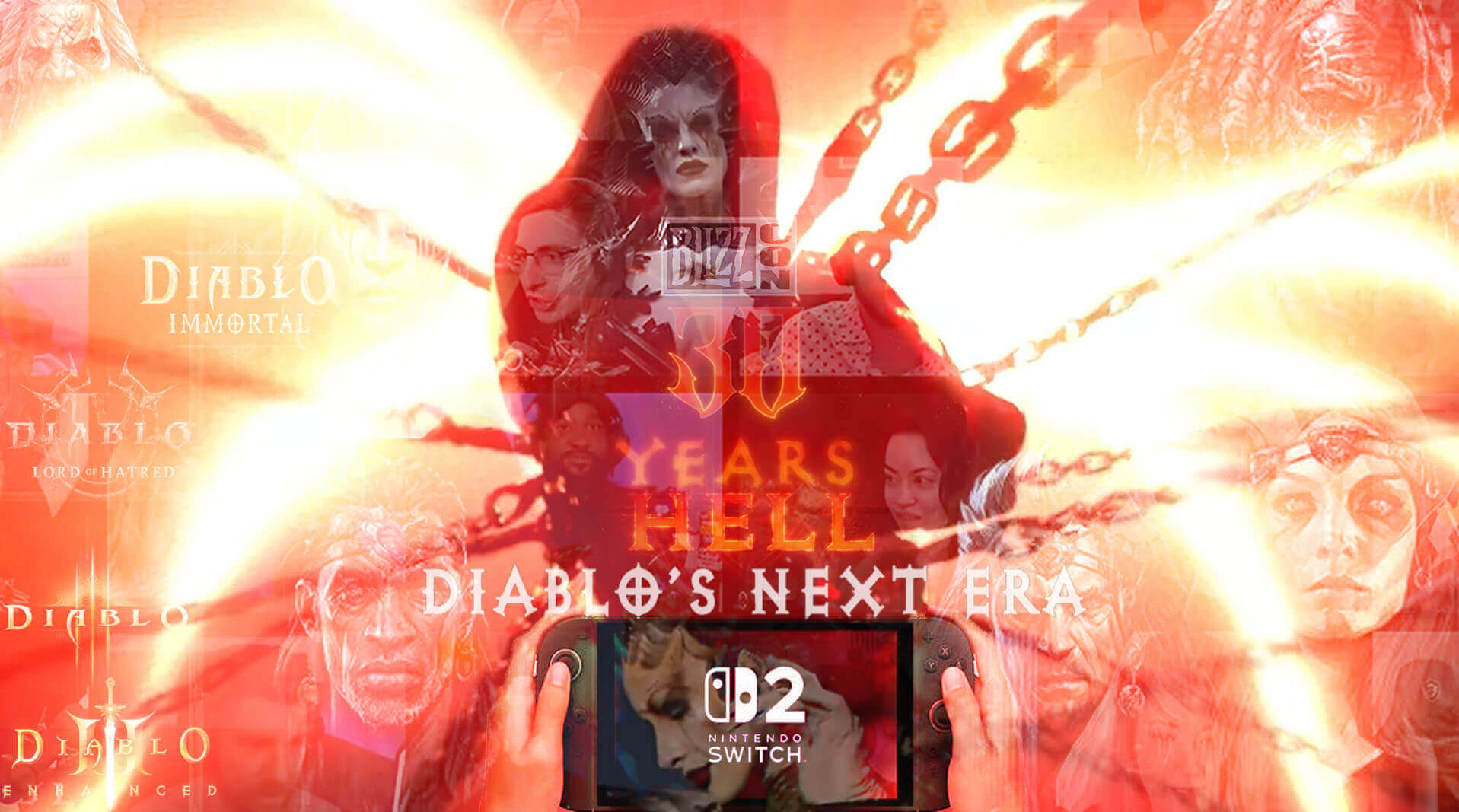
Blizzard Entertainment's strategic expansion of the Diablo franchise, as exemplified by the upcoming Netflix animated series and the Amazon expansion for Diablo IV, signifies a monumental shift towards a more expansive and multi-faceted universe. These two initiatives, while distinct in their approach, are united in their ambition to broaden Diablo’s appeal and deepen its lore. The Netflix series ventures into the realm of passive visual storytelling, aiming to introduce the grim tapestry of Sanctuary to a global television audience. This endeavour holds the potential to translate the franchise’s core themes of eternal conflict, demonic corruption, and heroic struggle into a narrative format accessible to newcomers and enriching for long-time fans. By exploring the psychological depths of characters and the visually terrifying landscapes of Sanctuary, the series can offer a new dimension to the established mythology. Simultaneously, the Amazon expansion for Diablo IV reinforces the franchise’s interactive heart. This substantial addition to the game promises new playable content, narrative arcs, and exploration opportunities, ensuring the longevity and continued engagement of its player base. It represents a commitment to evolving the core gaming experience, delving further into the rich lore of Sanctuary and offering fresh challenges that align with the franchise’s action role-playing roots. The synergy between these two expansions is a key element of this strategy. The animated series can serve as a powerful gateway, introducing the Diablo universe to a wider audience, while the game expansion provides a continually evolving interactive world for dedicated fans. This dual approach creates a feedback loop, where each facet of the franchise can inform and enhance the other, fostering a more cohesive and immersive experience across different forms of entertainment. As the Netflix series moves through its development and the Amazon expansion prepares for its 2027 release, the future of Diablo appears poised for significant growth, promising a continued unfolding of Sanctuary’s dark and captivating story across an ever-widening canvas. The universe of Diablo is vast, and these expansions are clear indicators that its exploration is only just beginning, ensuring its legacy as a cornerstone of dark fantasy entertainment for years to come.In This Update
Diablo Is Coming to Netflix
 Blizzard Entertainment, in collaboration with Netflix, has officially embarked on the development of a new animated series that promises to immerse audiences in the grim realities of Sanctuary. This significant announcement, revealed during the BlizzCon 2026 Opening Ceremony, marks a pivotal moment for the legendary action RPG series, heralding its expansion into the realm of animated television. The prospect of a Diablo animated series on a global platform like Netflix opens a vast landscape of narrative possibilities, offering both long standing fans and newcomers an opportunity to explore the rich mythology and pervasive darkness that defines this beloved universe.
The World of Sanctuary on Screen
Sanctuary, the central setting of the Diablo franchise, is a world perpetually caught in the crossfire of the eternal war between the High Heavens and the Burning Hells. This inherently dramatic backdrop provides a fertile ground for storytelling, rich with ancient conflicts, fallen heroes, and the desperate struggles of mortals caught in a cosmic struggle. The games have always excelled at establishing a palpable atmosphere of dread and despair, punctuated by visceral combat and tales of corruption, sacrifice, and the indomitable will to survive. An animated series has the potential to translate this unique ambiance to a visual medium, allowing for intricate world building and character development that might be constrained by the interactive nature of video games. Viewers can anticipate exploring the lore in new ways, perhaps delving into the backstories of key figures, witnessing pivotal historical events that shaped Sanctuary, or even experiencing an entirely fresh narrative woven into the established tapestry of demons, angels, and humanity’s fragile existence. The success of Netflix’s ventures into adapting video game properties, such as Arcane based on League of Legends, has demonstrated the viability and potential of high-quality animated series within this space. These adaptations have often been praised for their fidelity to the source material’s spirit while also carving out their own unique artistic identities. For Diablo, this presents an opportunity to visually interpret the grotesque beauty of its demonic designs, the stoic resilience of its human characters, and the epic scale of its battles. The dark, gothic aesthetic that has long been a hallmark of the Diablo games can be brought to life with stunning animation, making the supernatural threats feel more tangible and the stakes of Sanctuary’s survival more immediate. Furthermore, the series could delve into the moral ambiguities that often characterize the franchise, exploring the difficult choices characters are forced to make and the corrupting influence of the eternal conflict on even the noblest souls.Narrative Potential and Fan Anticipation
While specific details regarding plot, characters, and release dates remain under wraps as production progresses, the mere announcement has ignited considerable anticipation within the Diablo fanbase. Longtime players are eager to see how familiar elements of the franchise will be translated to the screen. This could include revisiting iconic locations like Tristram, seeing beloved heroes and villains brought to life, or even exploring narrative threads that have only been hinted at in the games. The open-ended nature of the Diablo lore means that the animated series could serve as a prequel, a sequel, or an independent story that expands the universe without retreading familiar ground. The phrase "Stay awhile... and stay tuned" from the announcement serves as a tantalizing promise of more information to come, hinting at a project that is being carefully crafted to satisfy both the existing community and a broader audience. The potential for exploring the motivations of demons, the complexities of angelic hierarchies, and the enduring spirit of humanity in the face of overwhelming darkness is immense. This new medium offers a unique opportunity to build upon the established lore, adding depth and new dimensions to the ongoing saga of Diablo. ↑ Back to TopThe Amazon Enters the Battle in Diablo IV
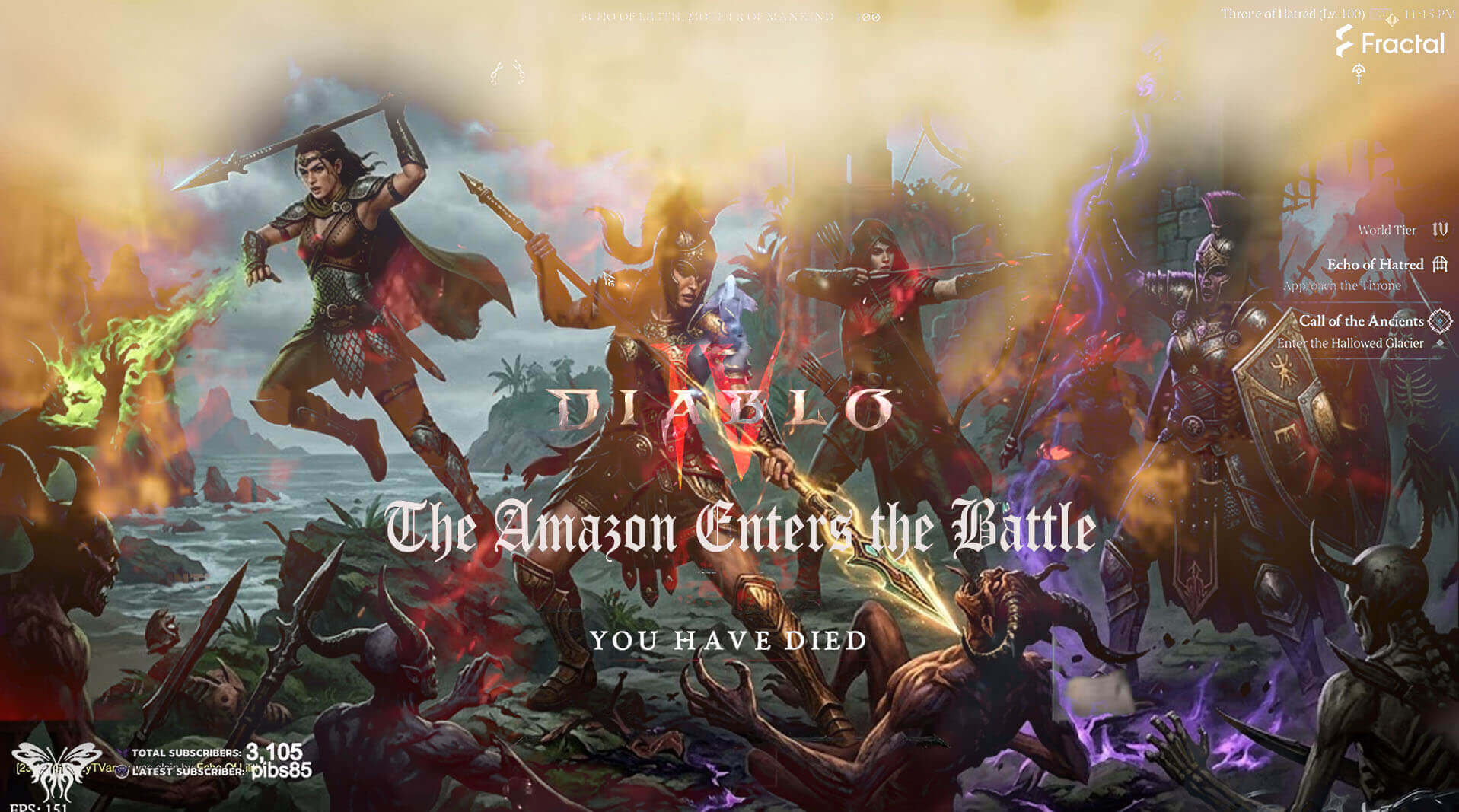 The integration of the Amazon into Diablo IV is not merely a cosmetic update or a simple port of a beloved character; rather, it signifies a thoughtful reimagining, a strategic expansion of the game's lore and mechanics, and a testament to Blizzard Entertainment's commitment to evolving its flagship action RPG. The journey toward her reintroduction begins with a geographical anchor, leading players to Skovos, the storied island region intrinsically linked to the Amazon's origins and first prominently featured in the Lord of Hatred expansion. This deliberate placement offers a natural and immersive connection, weaving the character's rich history into the ever-expanding tapestry of Sanctuary. By transcending a straightforward replication of her Diablo II iteration, the developers aim to craft an Amazon that feels both familiar and fresh, a warrior whose identity is forged through a deeper exploration of her martial discipline, athletic capabilities, and the esoteric Askari heritage that defines her unique approach to combat. This reimagining is poised to deliver a class built around a foundation of mobility and versatility, empowering players to engage with Sanctuary's threats through a fluid and dynamic combat system, capable of seamlessly transitioning between diverse engagement ranges and tactical approaches.
A Reimagined Warrior for a New Era
The decision to reimagine the Amazon for Diablo IV, rather than simply porting her classic iteration, reflects a broader design philosophy aimed at ensuring class identity and gameplay distinctiveness within the modern Diablo landscape. In Diablo II, the Amazon was primarily defined by her mastery of ranged weaponry, particularly bows and crossbows, complemented by her proficiency with throwing spears. While these core elements remain, the Diablo IV iteration seeks to imbue her with a more holistic warrior identity, one that extends beyond mere weapon specialization. This evolution is rooted in her "Askari heritage," a term that hints at a deeper wellspring of power and tradition. The Askari, presumably a culture or lineage deeply connected to the Amazon's origins, serve as the fount of her mystical abilities. This infusion of mysticism moves the Amazon beyond a purely physical combatant, allowing for a more intricate and layered gameplay experience. Her combat style is described as a synthesis of athletic movement, martial expertise, and these newfound mystical powers. This tripartite approach suggests that players will not only be executing skilful dodges and precise strikes but also channelling esoteric energies to augment their attacks, disrupt enemies, or enhance their survivability. The emphasis on "athletic movement" is particularly noteworthy. In the fast-paced and often chaotic battles of Diablo IV, a character's ability to reposition, evade, and control space is paramount. An Amazon designed with inherent mobility will be able to dart in and out of danger, maintain optimal engagement distances, and exploit enemy openings with a grace and speed that distinguishes her from other classes. This focus on dynamic movement ensures that the Amazon is not a static turret but an active participant in the ebb and flow of battle, constantly dictating the terms of engagement. Furthermore, the idea of transitioning "fluidly between different forms of combat" implies a versatility that caters to a wide range of player preferences and tactical situations. Whether facing a horde of lesser demons at range, engaging a hulking boss in the mid-range, or needing to quickly close the distance to deliver a decisive blow, the reimagined Amazon is envisioned as a master of adaptation, capable of shifting her approach on the fly. This multifaceted design promises a character that is not only powerful but also deeply engaging, rewarding strategic play and a nuanced understanding of combat mechanics.
A Multifaceted Warrior
Central to this ongoing struggle are the playable classes, each offering a distinct approach to combating the demonic hordes. Among these, the return of the Amazon class marks a significant development, promising a blend of familiar prowess and innovative gameplay. Blizzard has outlined four broad archetypes that help define the Amazon's gameplay: Champion, Skirmisher, Ranger, and Commander. These archetypes are not rigid definitions but rather guiding principles that allow for a wide spectrum of player expression, ensuring that the Amazon is far more than a one-dimensional warrior.The Ranger: Precision and Distance
The Ranger archetype embodies the classic archer or spear-wielder, a master of ranged combat who prioritizes keeping enemies at a safe distance while systematically dismantling them. This playstyle is deeply rooted in the history of the Amazon class in previous Diablo titles, where accurate volleys of arrows and javelins were a hallmark of her effectiveness. In Diablo IV, the Ranger archetype will likely focus on high single-target damage, critical hits, and crowd control abilities that hinder enemy advances. Think of skills that might imbue projectiles with elemental effects, allowing players to freeze, burn, or even stun foes before they can close the gap. This archetype thrives on positioning, requiring players to constantly assess their surroundings, find advantageous vantage points, and kite enemies effectively. Success as a Ranger relies on a keen understanding of enemy attack patterns and the ability to predict their movements, enabling precise shots that exploit weaknesses. The Ranger’s toolkit will likely feature a variety of powerful ranged attacks. These could include rapid-fire abilities for sustained damage, slower but more impactful shots for breaking through defenses, and perhaps even area-of-effect projectiles that can damage groups of enemies caught in the blast radius. Mobility skills will also be crucial, allowing the Ranger to quickly reposition herself, creating more space or escaping imminent danger. Imagine a skill that grants a temporary speed boost or a short-range teleport, enabling her to maintain her optimal engagement distance. Furthermore, the Ranger might have access to traps or snares, providing additional means to control the battlefield and funnel enemies into kill zones. These utility skills would complement her offensive capabilities, making her a strategic asset in both solo play and group content. The inherent vulnerability of a ranged character in a game known for its relentless onslaught of enemies means that mastering the Ranger archetype requires a high degree of player skill and tactical awareness. Every missed shot, every misstep in positioning, can lead to swift and brutal consequences. However, for those who master her arts, the Ranger offers the satisfaction of a calculated and efficient kill, a testament to skill and precision against overwhelming odds.
The Skirmisher: Mobility and Aggression
In stark contrast to the calculated distance of the Ranger, the Skirmisher archetype embodies a more aggressive and mobile approach to combat. This playstyle is designed around dynamic movement, weaving in and out of combat to strike enemies and then repositioning before opponents can effectively retaliate. The Skirmisher is not about enduring blows but about avoiding them through sheer agility and well-timed assaults. Her combat identity is built around rapid strikes, quick dodges, and the ability to capitalize on brief openings. This archetype encourages players to be proactive, to dictate the flow of combat through their constant movement and opportunistic attacks. The Skirmisher's gameplay loop revolves around engaging enemies, dealing swift damage, and then disengaging or repositioning to avoid incoming attacks. This might involve a series of rapid melee strikes, followed by a quick dash away, or perhaps a flurry of thrown weapons followed by a roll to safety. The emphasis is on overwhelming opponents with a relentless but fleeting presence. Skills associated with the Skirmisher archetype would likely focus on enhancing her speed, her evasive capabilities, and the damage output of her close-quarters or short-range attacks. Think of abilities that grant temporary bonuses to attack speed after a dodge, or skills that allow her to chain multiple attacks together with increased mobility between them. She might also have access to abilities that disorient enemies or create brief windows of vulnerability, allowing her to exploit them before they can react. The Skirmisher’s success hinges on her ability to maintain momentum and to never remain stationary for too long. This playstyle demands quick reflexes and a deep understanding of enemy attack patterns, not to avoid them from afar, but to time her movements precisely between them. It is a dance of death, a constant ebb and flow where the Skirmisher is always on the move, a blur of motion delivering devastating blows. The risks are higher for a Skirmisher, as she is more likely to be caught in the fray. However, the rewards can be equally significant, with the potential for explosive bursts of damage and the exhilarating feeling of outmanoeuvring and outplaying formidable foes. This archetype offers a high-octane playstyle that rewards aggressive risk-taking and masterful control of character movement.The Champion: Resilience and Defence
The Champion archetype introduces a facet of the Amazon that leans towards resilience, defence, and perhaps even a more front-line combat role. While the classic Amazon was often perceived as a glass cannon, the Champion suggests a build that can withstand more punishment and engage enemies more directly, without necessarily sacrificing her offensive potential entirely. This archetype focuses on survivability, enabling the Amazon to hold her ground and protect allies, or to simply endure longer in challenging encounters. Skills associated with the Champion would likely enhance her defensive capabilities. This could involve temporary increases to her armour, the addition of magical shields, or abilities that absorb incoming damage and convert it into offensive power. The Champion might also have access to skills that taunt enemies, drawing their aggression and protecting squishier allies. Furthermore, this archetype could incorporate abilities that regenerate health or provide temporary immunities to certain status effects, further bolstering her survivability. The playstyle of a Champion might involve wading into the thick of combat, using her enhanced defences to absorb blows while still delivering consistent damage. She wouldn't be a pure tank in the vein of a Barbarian, but rather a more robust and self-sufficient combatant. The Champion archetype allows for a more forgiving playstyle, making the Amazon accessible to players who prefer a slightly less demanding approach to positioning and evasion. It opens up opportunities for the Amazon to act as a vanguard, drawing enemy attention and creating openings for other party members. While the Ranger and Skirmisher focus on exploiting enemy weaknesses through distance or evasion, the Champion excels at weathering the storm and turning enemy aggression into an advantage. This archetype demonstrates that the Amazon is not solely defined by her ranged attacks or nimble footwork but can also embody a formidable presence on the battlefield, a steadfast warrior capable of enduring and overcoming the most harrowing challenges through sheer fortitude and strategic defence.The Commander: Leadership and Support
The Commander archetype broadens the Amazon's role beyond direct combat, suggesting a capacity for leadership and support within a party. This playstyle focuses on enhancing the effectiveness of allies and controlling the flow of battle through strategic buffs, debuffs, and perhaps even summoning capabilities. The Commander embodies the idea of a seasoned warrior who inspires her comrades and orchestrates their efforts for maximum impact. This archetype offers a unique dimension to the Amazon, moving her away from being purely a damage dealer and into a more utility-focused role. The Commander’s toolkit would likely include abilities that bolster her allies' offensive or defensive capabilities, such as temporary increases to damage, attack speed, or armor. She might also possess skills that debuff enemies, reducing their damage output or weakening their resistances, making them easier targets for her party. Furthermore, the Commander archetype could introduce the ability to summon allies or spirits to fight alongside her, providing additional forces on the battlefield. Imagine skills that conjure spectral warriors, or formations that grant passive bonuses to nearby allies. The Commander's role is to amplify the strengths of her party and mitigate their weaknesses, acting as a force multiplier on the battlefield. Playing as a Commander would require a different kind of strategic thinking. Instead of focusing solely on her own actions, the player would need to be keenly aware of her party's composition and their current needs. She would be a crucial element in coordinating group efforts, identifying optimal moments to deploy buffs or debuffs, and ensuring that her summoned allies are effectively utilized. This archetype allows the Amazon to contribute significantly to a party's success through tactical acumen and supportive abilities, demonstrating that strength can also be found in guidance and enablement. The Commander archetype ensures that the Amazon class can be a vital component of any adventuring party, offering a strategic depth that extends beyond individual combat prowess.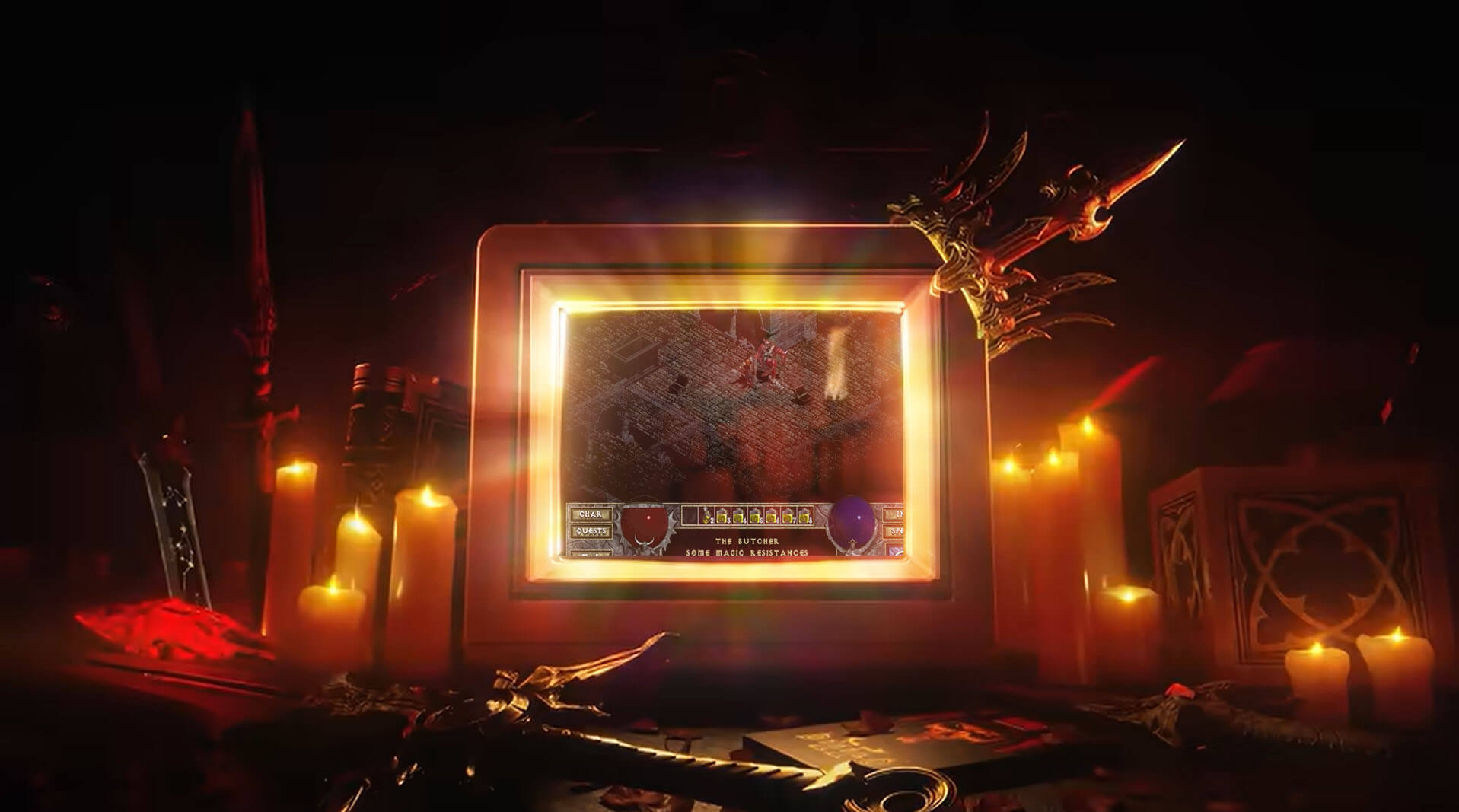
The Javelin: A New Edge in Combat
Among the most significant mechanical innovations accompanying the Amazon's arrival is the introduction of the Javelin as a distinct weapon type within Diablo IV. This is not merely an aesthetic addition; it represents a fundamental expansion of the game's combat system and offers a compelling new avenue for the Amazon's offensive capabilities. The javelin serves a dual purpose: it allows the Amazon to maintain her efficacy at range, providing a viable alternative to bows for players who prefer a slightly closer engagement or a different projectile trajectory, while simultaneously supporting a more aggressive mid-range and even close-combat playstyle. This duality is crucial in differentiating the Amazon from existing ranged-focused classes, such as the Ranger or Hunter archetypes that might exist in other games or could be introduced in Diablo IV. While other ranged characters might excel at holding a static position and unleashing sustained volleys, the javelin imbues the Amazon with a dynamic offensive presence. Throwing javelins can be a rapid, impactful action, allowing for quick bursts of damage as the Amazon weaves through combat. The potential for skills that enhance javelin throws, such as increased velocity, piercing capabilities, or explosive impacts, opens up a wealth of build diversity. Moreover, the javelin’s effectiveness at mid-range creates a unique tactical niche. Players can engage enemies from a distance that is too close for a typical bow shot to be optimally effective, but still far enough to avoid the immediate dangers of melee. This allows for a "dance" of combat, where the Amazon can kite enemies, reposition, and strike with javelins, drawing enemies into unfavourable positions or punishing their attempts to close the gap. The impact of a well-thrown javelin can be substantial, and skills could leverage this by offering crowd control effects, such as staggering or knocking back enemies, further enhancing the Amazon's ability to dictate the flow of battle. Crucially, the developers have confirmed that the Amazon will continue to utilize bows, preserving one of the most recognizable and beloved elements of her classic identity. This ensures that players who cherish the long-range precision and devastating power of the bow will find a familiar and satisfying playstyle available. The synergy between bows and javelins is where the true potential of the Amazon's versatility shines. Players can envision builds that seamlessly transition between long-range engagements with bows, drawing enemy attention and thinning their ranks from afar, and more immediate threats where rapid-fire javelins become the primary offensive tool. For instance, a player might open combat with a series of precise bow shots to eliminate priority targets, then switch to javelins as enemies close in, using their mobility to evade and strike, creating an aggressive and engaging rhythm. Conversely, a player might prefer a javelin-centric build, using their mobility to dart around the battlefield, hurling javelins with relentless accuracy, and only resorting to bows for specific tactical advantages or to conserve javelin-related resources if such mechanics are implemented. This inherent flexibility in weapon choice, coupled with the distinct advantages each weapon type offers, grants players considerable freedom in how they approach character building and combat strategy. The Amazon becomes a canvas for diverse playstyles, from the patient archer to the aggressive spear wielder, and even to hybrid approaches that leverage the strengths of both. This strategic depth ensures that the Amazon will not only be a powerful addition to Sanctuary but also a deeply rewarding character to master. The introduction of the javelin as a distinct weapon type is therefore a masterstroke, providing a fresh mechanic that amplifies the Amazon's established strengths while opening up entirely new possibilities for engaging with the ever-present demonic threat.The Skovos Archipelago: A Lore-Rich Setting
The choice to introduce the Amazon's return alongside the exploration of the Skovos Archipelago is a strategic masterstroke, deeply entwined with the lore and established history of the Diablo universe. Skovos, a region first explored in the Lord of Hatred expansion for Diablo II, is intrinsically linked to the Amazon's origins, serving as the homeland of her people and the crucible in which their warrior traditions were forged. This geographical anchor provides a natural and immersive narrative foundation for the Amazon's re-emergence in Diablo IV. Rather than introducing a new character in a vacuum, her arrival is contextualized within a familiar yet expanded locale, allowing players to connect her personal journey with the broader narrative of Sanctuary. The Skovos Archipelago, with its lush environments, ancient traditions, and potential for unique threats and allies, offers a fertile ground for storytelling. Its exploration can delve into the cultural nuances of the Amazon people, their relationship with the natural world, and the spiritual or mystical underpinnings of their martial prowess. The presence of the Askari heritage, as mentioned earlier, can be further elaborated upon within the context of Skovos, perhaps revealing specific rituals, philosophies, or even ancient deities that inform the Amazon's abilities. This approach not only enriches the player's understanding of the Amazon as a character but also expands the playable world of Diablo IV, offering new environments to discover and conquer. The lore surrounding Skovos can provide unique questlines, introduce new enemy types endemic to the region, and offer opportunities for players to interact with NPCs who shed light on the Amazon's past and present. The island setting itself can contribute to gameplay, perhaps with terrain features that favor certain combat styles or introduce environmental hazards that players must navigate. For example, dense jungles could offer opportunities for stealth and ambushes, while rugged coastlines might present challenges for movement and positioning. The connection to Lord of Hatred also allows for the potential reintroduction or reimagining of characters or factions from that expansion, creating a sense of continuity for long-time fans while providing fresh content for newer players. The thematic resonance of returning to a region tied to a classic character's origin story adds a layer of nostalgic appeal, while the promise of new content ensures that the experience remains engaging and forward-looking. By situating the Amazon's re-entry within the Skovos Archipelago, Blizzard is not just adding a new class; they are weaving a richer narrative tapestry for Diablo IV, deepening its lore, and expanding its world in a way that feels organic and meaningful. This careful integration of character and setting ensures that the Amazon's arrival is more than just a gameplay addition; it is an event that contributes to the ongoing saga of Sanctuary.Mobility and Versatility: The Core Gameplay Pillars
The fundamental design principles guiding the reimagined Amazon in Diablo IV revolve around two core pillars: mobility and versatility. These principles are not merely buzzwords; they translate into tangible gameplay mechanics that aim to create a distinct and engaging player experience. The emphasis on "athletic movement" suggests that the Amazon will possess inherent abilities that allow her to traverse the battlefield with exceptional agility. This could manifest in the form of enhanced dodge rolls, a short-range dash, or even abilities that allow her to quickly scale terrain or bypass obstacles. In the chaotic onslaught of Diablo IV's combat, where overwhelming numbers of enemies are a constant threat, the ability to efficiently reposition oneself is crucial for survival and for optimizing offensive opportunities. An Amazon that can fluidly evade incoming attacks, quickly close the gap to engage a priority target, or disengage from a dangerous situation without sacrificing momentum will feel inherently dynamic and empowering to play. This enhanced mobility also serves to differentiate her from other classes. While some classes might rely on defensive cooldowns or static positioning, the Amazon's mobility is likely to be a more active and ever-present aspect of her toolkit. The concept of "versatility" is intrinsically linked to her mobility and her dual weapon mastery. It implies that the Amazon is not confined to a single combat role or engagement range. As discussed with the introduction of the javelin, she can effectively engage enemies at long, mid, and potentially even close ranges. This adaptability allows players to tailor their playstyle to their preferences and to the specific challenges presented by different enemy encounters. A player might choose to focus on long-range archery for crowd control and boss damage, or they might favor a more aggressive, javelin-focused build that emphasizes close-quarters skirmishing and rapid evasion. The synergy between her physical prowess and her mystical abilities further enhances this versatility. Imagine skills that allow her to imbue her javelins with elemental effects, creating area-of-effect damage or debilitating status conditions. Or perhaps her athletic movement can be augmented by mystical enhancements, allowing her to move faster, jump further, or even phase through enemies for a brief period. This integration of physical and mystical elements creates a character that is not only capable but also multifaceted, offering a rich array of build options and strategic approaches. The ability to transition "between different forms of combat" means that the Amazon can adapt to changing battlefield conditions. If an encounter starts with a large group of ranged enemies, she can utilize her bows to pick them off from a safe distance. If those enemies are then reinforced by melee attackers, she can seamlessly switch to javelins and utilize her mobility to kite and control the melee swarm, or even engage them directly with a more aggressive, agile style. This adaptability ensures that the Amazon remains a relevant and powerful force regardless of the enemy composition or the tactical situation, making her a valuable asset to any adventuring party in Sanctuary. ↑ Back to TopA Grim Future and a New Beginning of the Diablo V
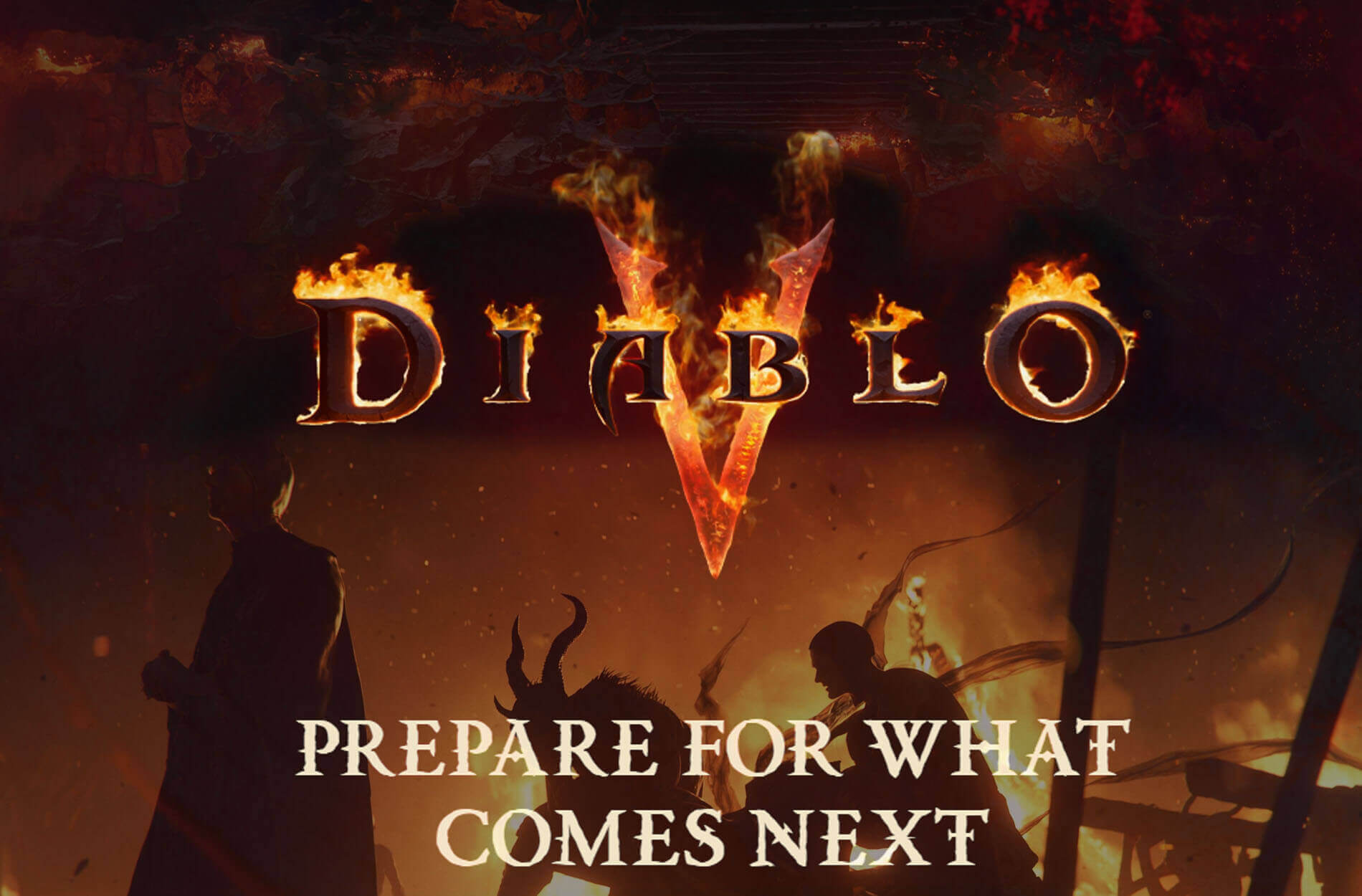 The most striking revelation from BlizzCon 2026 was the official announcement of Diablo V, slated for a Spring 2029 release. This instalment dramatically redefines the established narrative by positing a Sanctuary where Diablo has definitively triumphed. This narrative inversion shifts the player's experience from one of heroic defiance to one of survival in a fallen world. The central question posed to players, "what must you become when the world has already fallen?", suggests a darker, more introspective journey. This premise moves away from the typical hero's journey and delves into the grim realities of a world already claimed by evil, forcing players to adapt and find new forms of strength in desolation.
The world of Diablo V will not be the Sanctuary players have come to know. Traditional static towns will be replaced by a mobile caravan system, where player progression and movement are intrinsically linked to their nomadic existence as the Heir to Westmarch. This mechanic promises a fresh approach to exploration and base building, reflecting the pervasive instability of a world under demonic rule. Furthermore, the initial class reveals—the Demon Hunter, the Monk, and the all-new Plague Knight—hint at gameplay styles that will adapt to this new reality. The inclusion of the Plague Knight, in particular, suggests a focus on unconventional and perhaps morally ambiguous tactics necessary for survival. You can also sign up for future updates at Diablo5.Blizzard.com.
The most striking revelation from BlizzCon 2026 was the official announcement of Diablo V, slated for a Spring 2029 release. This instalment dramatically redefines the established narrative by positing a Sanctuary where Diablo has definitively triumphed. This narrative inversion shifts the player's experience from one of heroic defiance to one of survival in a fallen world. The central question posed to players, "what must you become when the world has already fallen?", suggests a darker, more introspective journey. This premise moves away from the typical hero's journey and delves into the grim realities of a world already claimed by evil, forcing players to adapt and find new forms of strength in desolation.
The world of Diablo V will not be the Sanctuary players have come to know. Traditional static towns will be replaced by a mobile caravan system, where player progression and movement are intrinsically linked to their nomadic existence as the Heir to Westmarch. This mechanic promises a fresh approach to exploration and base building, reflecting the pervasive instability of a world under demonic rule. Furthermore, the initial class reveals—the Demon Hunter, the Monk, and the all-new Plague Knight—hint at gameplay styles that will adapt to this new reality. The inclusion of the Plague Knight, in particular, suggests a focus on unconventional and perhaps morally ambiguous tactics necessary for survival. You can also sign up for future updates at Diablo5.Blizzard.com.
Revisiting Classic Mechanics and Continued Support for Diablo IV
Diablo V’s itemization and systems are set to draw heavily from the beloved mechanics of Diablo II. Players can anticipate the return of stat requirements for gear, the strategic depth of inventory grid space where item size matters, and the power of sets, Runes, and Runewords. This embrace of classic design principles aims to recapture the intricate loot progression and build diversity that defined earlier entries in the series, resonating with long-time fans while introducing these engaging systems to a new generation of players. Crucially, Blizzard has committed to maintaining robust support for Diablo IV alongside the development of Diablo V. The 2027 arrival of the Amazon Class Pack for Diablo IV exemplifies this dedication, ensuring that the current game world continues to receive fresh content and exciting updates. This dual approach signifies a significant commitment to the Diablo universe, allowing players to engage with both a familiar, evolving experience and a groundbreaking new chapter. The confirmation that Diablo IV will also be coming to the Nintendo Switch™ 2 further broadens its accessibility and player base, demonstrating a strategy to keep the franchise thriving across multiple platforms and titles. The Season of Hell’s Legacy also adds another layer of ongoing engagement within Diablo IV, ensuring the world of Sanctuary remains vibrant and full of challenges. ↑ Back to TopDiablo IV on Nintendo Switch™ 2
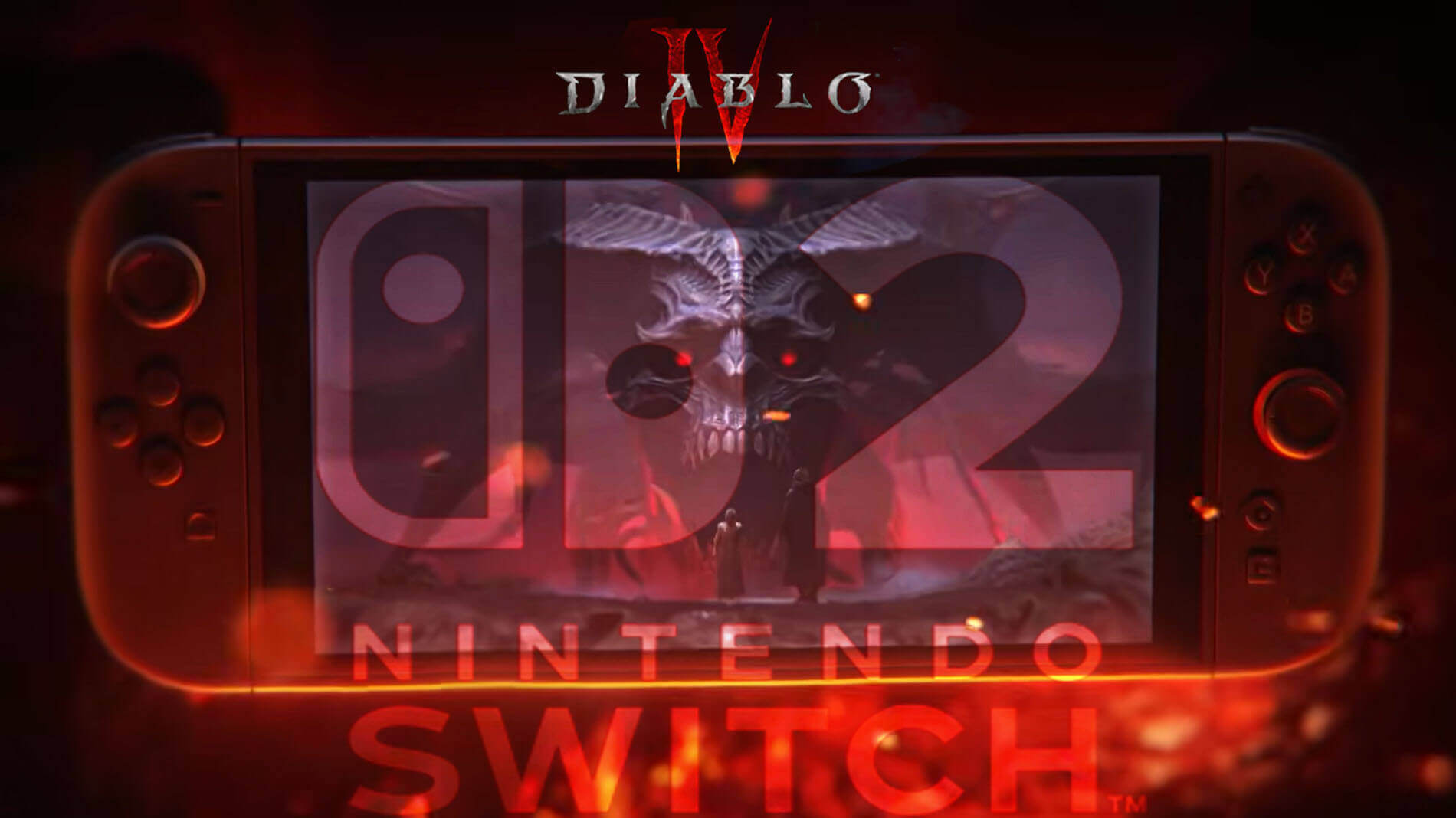 The primary concern for any demanding game making its debut on a portable console is its ability to perform adequately. Diablo IV, with its visually rich environments, complex character models, and intense real-time combat, presents a considerable technical challenge. However, the Nintendo Switch™ 2, rumoured to possess significantly more processing power than its predecessor, is anticipated to be capable of handling such a title. Developers at Blizzard Entertainment have a history of optimizing their games for a wide range of hardware, and the technical specifications of the Switch™ 2, while not officially revealed, are widely expected to bridge the gap between current-generation consoles and the previous generation.
The key to a successful port will lie in Blizzard’s optimization efforts. This will likely involve careful management of graphical fidelity, frame rates, and loading times. Players can expect a visual experience that, while perhaps not reaching the absolute peak of what a high-end PC or current generation console can achieve, will be faithful to the art style and atmosphere of Diablo IV. Textures may be slightly downscaled, lighting effects might be simplified, and certain particle effects could be less dense. However, the core gameplay loop, the visceral combat, and the atmospheric world of Sanctuary should remain intact. The Switch™ 2’s potential for hardware upscaling technologies, similar to those found on other modern platforms, could also play a crucial role in maintaining a sharp and visually pleasing image on both handheld and docked modes.
Furthermore, the inclusion of the Vessel of Hatred and Lord of Hatred expansions means that the Switch™ 2 will be the platform to receive the complete Diablo IV narrative and content arc. This is a significant undertaking, as these expansions are expected to introduce substantial new areas, story content, and gameplay mechanics. Blizzard's commitment to delivering this full experience underscores the perceived capabilities of the Switch™ 2. The success of the port will hinge on Blizzard’s ability to strike a balance between visual quality and smooth, responsive gameplay, ensuring that the demanding nature of Diablo IV does not detract from the player's immersion and enjoyment. The potential for dynamic resolution scaling, a common technique in modern game development, will be crucial in maintaining a consistent frame rate during hectic combat encounters, which are a hallmark of the Diablo series.
The primary concern for any demanding game making its debut on a portable console is its ability to perform adequately. Diablo IV, with its visually rich environments, complex character models, and intense real-time combat, presents a considerable technical challenge. However, the Nintendo Switch™ 2, rumoured to possess significantly more processing power than its predecessor, is anticipated to be capable of handling such a title. Developers at Blizzard Entertainment have a history of optimizing their games for a wide range of hardware, and the technical specifications of the Switch™ 2, while not officially revealed, are widely expected to bridge the gap between current-generation consoles and the previous generation.
The key to a successful port will lie in Blizzard’s optimization efforts. This will likely involve careful management of graphical fidelity, frame rates, and loading times. Players can expect a visual experience that, while perhaps not reaching the absolute peak of what a high-end PC or current generation console can achieve, will be faithful to the art style and atmosphere of Diablo IV. Textures may be slightly downscaled, lighting effects might be simplified, and certain particle effects could be less dense. However, the core gameplay loop, the visceral combat, and the atmospheric world of Sanctuary should remain intact. The Switch™ 2’s potential for hardware upscaling technologies, similar to those found on other modern platforms, could also play a crucial role in maintaining a sharp and visually pleasing image on both handheld and docked modes.
Furthermore, the inclusion of the Vessel of Hatred and Lord of Hatred expansions means that the Switch™ 2 will be the platform to receive the complete Diablo IV narrative and content arc. This is a significant undertaking, as these expansions are expected to introduce substantial new areas, story content, and gameplay mechanics. Blizzard's commitment to delivering this full experience underscores the perceived capabilities of the Switch™ 2. The success of the port will hinge on Blizzard’s ability to strike a balance between visual quality and smooth, responsive gameplay, ensuring that the demanding nature of Diablo IV does not detract from the player's immersion and enjoyment. The potential for dynamic resolution scaling, a common technique in modern game development, will be crucial in maintaining a consistent frame rate during hectic combat encounters, which are a hallmark of the Diablo series.
The Nintendo Switch™ 2 Advantage: Portability and Versatility
The most compelling aspect of Diablo IV coming to the Nintendo Switch™ 2 is the unparalleled portability it offers. The Diablo series, at its core, is about player progression, loot hunting, and engaging in visceral combat. These elements are inherently suited to both dedicated gaming sessions and quick, on-the-go play. The Switch™ 2’s hybrid nature allows players to experience the dark, atmospheric world of Sanctuary in their living rooms, connected to a television, or to take their adventures with them wherever they go. This versatility broadens the accessibility of Diablo IV significantly. Imagine continuing a dungeon crawl on a commute, engaging in a boss fight during a lunch break, or simply diving into the game for a few minutes of demon slaying before bed. This level of freedom is something that traditional home consoles cannot replicate. The Switch™ 2’s docking capability ensures that players can seamlessly transition from handheld play to a more traditional console-like experience, offering flexibility to suit different environments and preferences. The portability factor is not just a convenience; it’s a paradigm shift in how players can engage with a game like Diablo IV. It allows for a more integrated gaming experience into daily life, catering to a wider audience with diverse schedules and playstyles. This adaptability is a key selling point for the Switch™ 2 and a significant draw for a game that can be both deeply engrossing and satisfying in shorter bursts. The Switch™ 2’s unique controller options, particularly the Joy-Con™ controllers, can be adapted to provide various control schemes. While the prompt specifically notes that Joy-Con™ mouse functionality is not supported, the traditional analogue stick and button layout will likely offer a robust and intuitive control experience. For those who prefer a more precise input method, the mention of USB mouse and keyboard support is a game-changer. This feature, if implemented effectively, would allow players to experience Diablo IV with a level of control reminiscent of PC gaming, bringing a highly sought-after precision to the console environment. This dual approach to input – the flexibility of controllers and the precision of mouse and keyboard – ensures that Diablo IV on the Switch™ 2 can cater to a broad spectrum of player preferences, making it a truly versatile platform for the game.The Age of Hatred Collection: A Comprehensive Offering
The Diablo IV: Age of Hatred Collection’s inclusion of the base game and both the Vessel of Hatred and Lord of Hatred expansions is a strategic masterstroke. For new players discovering Diablo IV on the Switch™ 2, this collection provides immediate access to the complete narrative and the full breadth of content. They will not be left wanting for more, able to experience the unfolding story of Lilith’s return and the subsequent conflicts without needing to purchase additional content. This comprehensive approach is particularly appealing on a platform where players might be accustomed to more self-contained experiences or where the acquisition of multiple digital purchases might feel more involved. For returning players who may have played Diablo IV on other platforms, the Switch™ 2 version offers a new way to re-experience the game and its expansions. The portability and the unique control options present a fresh perspective on Sanctuary. The anticipation for Vessel of Hatred, which is set to delve into the dark jungles of Nahantu, and the subsequent Lord of Hatred expansion, which promises to further expand the lore and challenges of the world, means that the Switch™ 2 launch is not just about bringing an existing game to a new platform, but about delivering the evolving, living narrative of Diablo IV from its inception through its future expansions. This bundled approach also simplifies the purchasing decision for consumers. Instead of navigating a tiered release strategy, players know they are getting the definitive Diablo IV experience right out of the gate. This is particularly beneficial for a game like Diablo IV, which is characterized by its deep lore, extensive gameplay mechanics, and ongoing content updates. The inclusion of expansions ensures that players can immerse themselves fully in the world and its evolving story without interruption. The promise of exploring new regions and confronting new evils alongside the core narrative offers a compelling reason for players to engage with Diablo IV on the Switch™ 2, whether they are newcomers or long-time fans seeking a portable sanctuary from the horrors of hell.Player Experience and the Appeal of Mouse and Keyboard Support
The player experience on any platform is paramount, and for Diablo IV on the Switch™ 2, it is poised to be a unique blend of familiar gameplay and novel interaction. The core mechanics of Diablo IV—fast-paced combat, intricate skill trees, deep loot customization, and a compelling narrative—are expected to translate well to the Switch™ 2’s hardware. The action RPG genre thrives on responsive controls and clear visual feedback, both of which Blizzard has consistently delivered. The true differentiator, however, lies in the platform’s input versatility. The standard controller setup, utilizing analogue sticks and buttons, will likely offer an accessible and enjoyable experience for most players. Blizzard has proven adept at adapting Diablo’s gameplay to various control schemes, and the Switch™ 2’s controllers should provide a fluid and engaging way to engage in combat and navigate menus. The ability to detach the Joy-Con™ controllers for individual use or to employ a Pro Controller will further enhance comfort and control for different playstyles. However, the mention of USB mouse and keyboard support is particularly noteworthy. For a game that originated on PC and has historically benefited from the precision of mouse-based aiming and targeting, this feature is a significant advantage. Players who are accustomed to the intricate control offered by a mouse and keyboard will be able to replicate that experience on their Switch™ 2, whether docked to a TV or on their desk. This could mean more accurate spellcasting, more precise movement during intense battles, and a generally more refined control scheme for players who prioritize it. This ability to connect a USB mouse and keyboard directly to the Switch™ 2, without the need for complex adapters or workarounds, significantly lowers the barrier to entry for PC-like control on a console. This feature will likely appeal to a core demographic of Diablo fans who may already own the game on PC but are tempted by the portability of the Switch™ 2. It offers a way to bridge the gap between the two experiences, providing the best of both worlds: the freedom of a portable console and the precision of traditional PC controls. The prompt’s explicit note that Joy-Con™ mouse functionality is not supported is a clear indication that the developers are focusing on providing a robust, dedicated mouse and keyboard experience via USB, acknowledging the limitations of the Joy-Cons for such precise input. ↑ Back to TopMore Diablo Panels at BlizzCon 2026