A Deeper Dive into Sanctuary's Torment
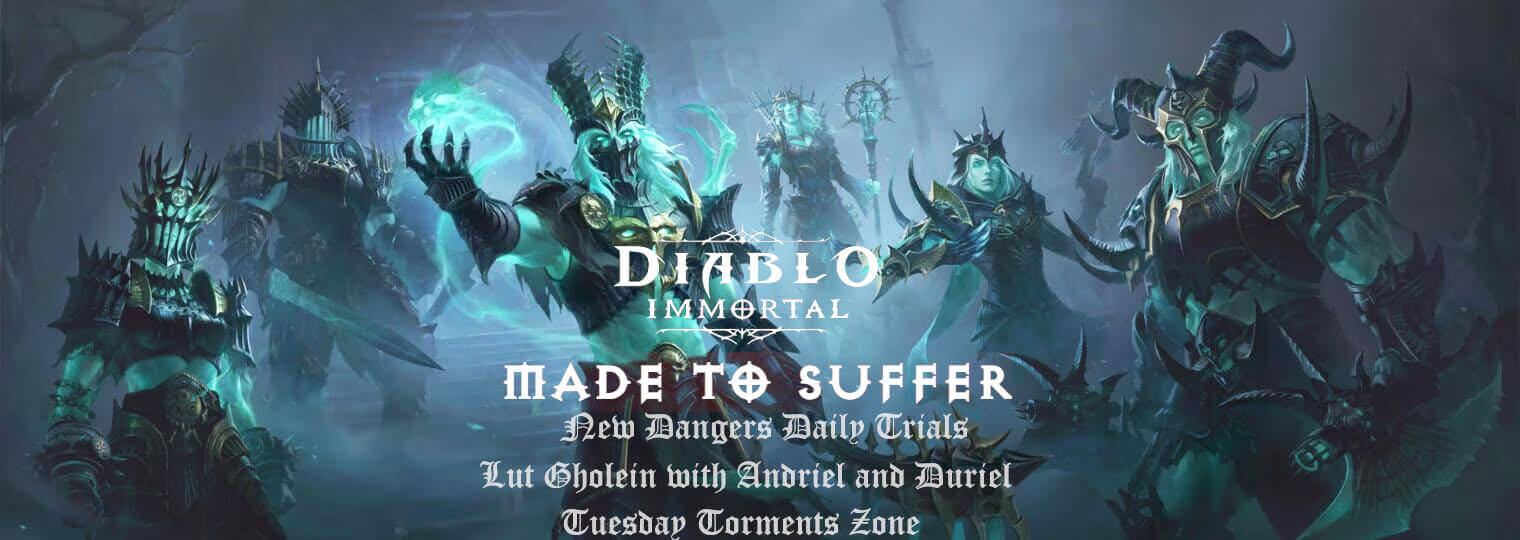 The world of Sanctuary, perpetually under siege by demonic forces, continues to evolve with significant content updates for Diablo Immortal. The "Made to Suffer" update, launched on September 16, 2026, represents a substantial addition to the game, weaving new narrative threads, introducing formidable challenges, and enhancing the player experience. This update delves deeper into the "Nation of Agony" storyline, returning players to the iconic desert city of Lut Gholein and escalating the conflict with the resurgence of ancient evils. Through new zones, challenging events, and meaningful gameplay improvements, "Made to Suffer" aims to reignite player engagement and provide a rich, evolving experience within the Diablo universe.
At the heart of the "Made to Suffer" update lies its narrative expansion, which plunges players back into the sands of Lut Gholein. This region, a familiar and beloved locale for long time Diablo fans, becomes the focal point of a renewed demonic offensive. The update sees the Twin Evils, Andariel and Duriel, tightening their oppressive grip on the Jewel of the Desert, sowing seeds of Pain and Anguish. This narrative drive propels players through new quests and introduces a significant new area of exploration: the High Ward. This new sub-zone, situated around Sultan Jerhyn’s palace, acts as a permanent hub for new daily bounties, zone objectives, and the hunt for dangerous wanted monsters. The addition of such persistent content ensures that players have ongoing goals and challenges to pursue within the game world, fostering long-term investment.
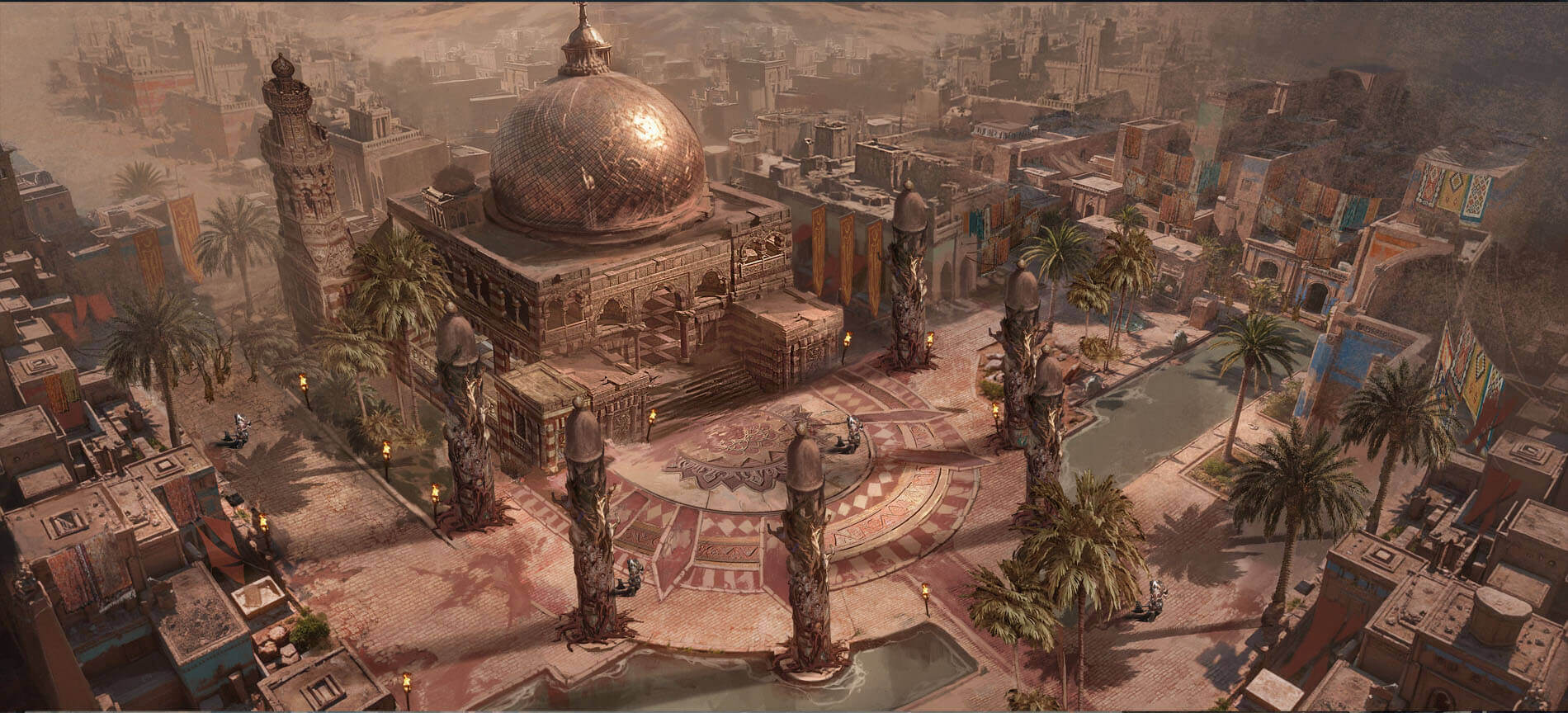 Beyond the core story, "Made to Suffer" introduces dynamic and recurring challenges that test players' mettle. The Twisting Torments zone event is a prime example of this. Occurring every Tuesday, this event transforms the Rocky Waste outside Lut Gholein into a battleground where either Andariel or Duriel takes direct control. Under their influence, local monsters are imbued with brutal affixes, significantly increasing their lethality. To succeed in this event, players must work together to destroy three altars spread across the zone. This action forces the appearance of a boss Lieutenant, and victory over these formidable foes’ rewards players with weekly prizes, including guaranteed Legendary equipment drops. This type of event not only provides exciting, high-stakes combat but also offers tangible rewards that are crucial for character progression, encouraging regular participation.
Enhancements and Future Prospects
"Made to Suffer" is not solely focused on introducing new content; it also brings a suite of quality-of-life improvements and addresses the competitive landscape. The update includes new Hero’s Journey chapters, offering further avenues for player progression and engagement with the game's systems. Furthermore, significant improvements have been made to the Battlegrounds, the game's primary player-versus-player (PvP) arena. These enhancements are crucial for maintaining a healthy and competitive PvP environment. The update also teases a full roadmap for the remainder of 2026's competitive PvP events, signaling ongoing developer commitment to this aspect of the game. The introduction of two new Legendary Gems also provides players with new customization options and strategic possibilities for their characters, further deepening the game's build diversity and endgame content. These additions, from story progression to competitive refinement, demonstrate a holistic approach to game development, aiming to satisfy a broad spectrum of player interests. The "Made to Suffer" update for Diablo Immortal marks a significant step forward for the game, delivering a rich tapestry of new content and crucial improvements. By expanding the "Nation of Agony" storyline into the iconic setting of Lut Gholein and introducing formidable new challenges like the Twisting Torments, the update provides both narrative depth and engaging gameplay. The High Ward offers a permanent new area to explore and conquer, while the improvements to Battlegrounds and the addition of new Legendary Gems cater to both PvE and PvP enthusiasts, as well as those focused on character optimization. This comprehensive update not only enhances the current player experience but also sets a promising tone for the future of Sanctuary, ensuring that the fight against the eternal darkness remains compelling and dynamic.New Legendary Gems with Progression
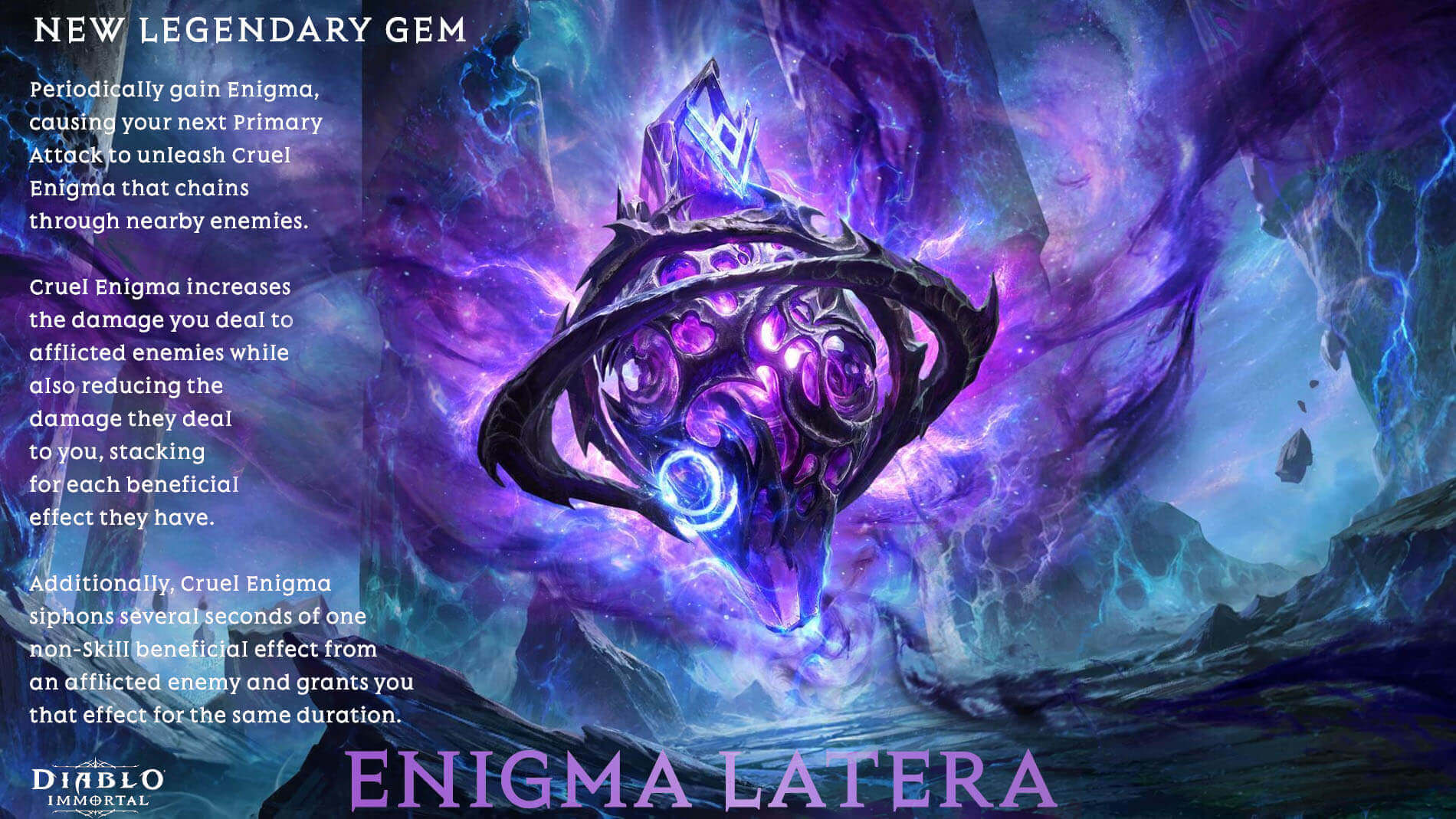
Enigma Latera Free Gem Trial
Central to the player experience during the latter half of 2026 is the introduction and testing of the new five-star legendary gem, Enigma Latera. From September 17th to November 4th, a temporary trial period allows all players to experience Enigma Latera at its maximum rank, Rank 10. This generous one-hour trial, accessible across Elder Rifts, dungeons, and open-world activities, serves a crucial purpose: to allow players to assess the gem's unique combat mechanics firsthand. This Legendary Gem, introduces a dynamic new way to control the battlefield and enhance offensive and defensive capabilities. Its core mechanic, "Cruel Enigma," triggers a chain attack with every primary attack. This chain attack possesses a dual effect: it increases the damage dealt to afflicted enemies while simultaneously reducing the damage they deal back to the player. This synergy is particularly potent due to its stacking mechanism, which is influenced by the beneficial effects enemies possess. The more buffs an enemy has, the stronger Enigma Latera becomes, turning even the most fortified adversaries into vulnerable targets. Beyond its direct combat advantages, Enigma Latera offers a unique utility through its ability to siphon beneficial effects. Cruel Enigma can steal a non-skill beneficial effect from an enemy, granting it to the player for a limited duration. This opens up a wealth of strategic possibilities. Imagine stealing a powerful defensive buff from a formidable boss or pilfering a damaging aura from a troublesome elite pack. This mechanic adds a layer of reactive counterplay, rewarding players who can accurately identify and exploit enemy buffs. The accompanying Resonance Gems for Enigma Latera – Tundra Blight, Fading Nostrum, Stubborn Oracle, Void Spark, and Fated Trail – likely offer further enhancements related to crowd control, debuffs, and resource management, allowing for intricate build synergies. Complementing this trial is the Featured Legendary Gem Drop Pool, active from September 17th to December 17th. This limited-time banner within the Elder Rift system offers a tangible incentive for players to acquire Enigma Latera. During this period, running Legendary Crests in Elder Rifts provides a 50% boosted chance of obtaining Enigma Latera whenever any five-star gem drops.Prong Crag: The Resilient Challenger
In contrast to Enigma Latera's proactive disruption, Prong Crag, a 2-star Legendary Gem, focuses on rewarding players for enduring heavy hits. While in combat, it periodically grants "Resolve," a buff that significantly enhances damage output when the player takes a single hit exceeding a certain percentage of their maximum Life. Crucially, Resolve also reduces incoming damage from that specific hit, and these effects stack. This mechanic encourages a more aggressive, yet calculated, playstyle, where absorbing a powerful blow can fuel a devastating counterattack. Prong Crag directly bolsters a player's survivability by increasing Critical Resistance. This is invaluable in encounters where critical hits can quickly spell doom. The combination of increased damage after taking a hit and improved resistance to critical strikes makes Prong Crag a compelling choice for players who often find themselves on the front lines or in situations where they are the primary target. The Resonance Gems associated with Prong Crag, including Faltergrasp, Tundra Blight, and Rampart Torch, suggest an emphasis on crowd control reduction, defensive buffs, and sustained survivability, further solidifying its role as a gem for enduring and retaliating against adversity. ↑ Back to TopBattleground Strategic Implications
The introduction of Enigma Latera and Prong Crag, along with their associated Resonance Gems, is more than just an addition of power; it represents a significant shift in the game's strategic landscape. Enigma Latera's ability to chain damage, debuff enemies, and siphon buffs encourages a more dynamic and reactive combat style. Players might pair it with skills that excel at applying multiple primary attacks or focus on building around the stolen buffs for amplified sustained damage or survivability. Its effectiveness against buffed enemies makes it a prime candidate for high-difficulty content where elites and bosses often stack powerful auras. Prong Crag, on the other hand, offers a distinct path for players who prefer a more resilient approach. It rewards players for taking calculated risks, turning potentially lethal blows into opportunities for explosive damage. This gem is likely to be favoured by melee classes or any build that thrives in close-quarters combat, where sustained damage is common. The increased Critical Resistance also provides a valuable layer of defence against specific threats, allowing players to survive encounters that might otherwise be insurmountable. The interplay between these two gems and the existing pool of Legendary Gems ensures a constantly evolving meta, pushing players to experiment and discover novel build combinations that leverage these new mechanics to their fullest.A Shadow Falls on Sanctuary
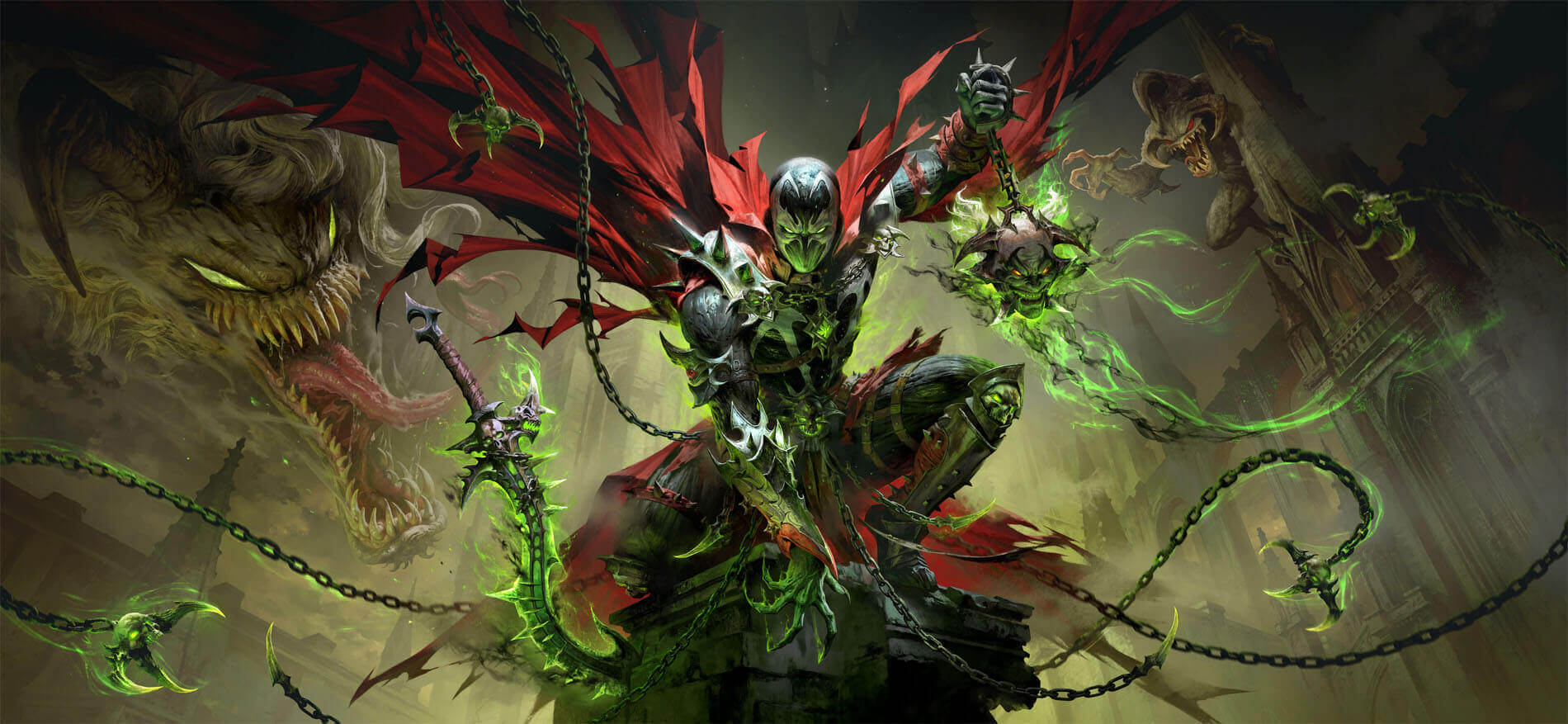
The core of "A Shadow Falls on Sanctuary" lies in its limited time crossover with Spawn. This collaboration is not merely a cosmetic addition; it suggests an integration of Spawn's distinct aesthetic and thematic elements into Sanctuary. Spawn, a former special force operative betrayed and sent to hell, returned to Earth as a hell-spawn, a reluctant warrior wielding dark powers and driven by a quest for vengeance. His signature weaponry, including his chains and his necroplasmic abilities, are explicitly mentioned as being introduced into the game. This suggests a departure from the purely demonic and angelic threats that typically plague Sanctuary, bringing a more antiheroic and morally ambiguous entity into the fray. The promise of "chains, hellfire, and necroplasmic power" hints at new abilities, enemy types, or even a temporary playable character that embodies Spawn's unique brand of brutal justice. The fractured line between worlds suggests that Spawn's arrival is not a planned incursion but a consequence of a cosmic disruption, adding a layer of mystery and urgency to his presence.
The integration of a character like Spawn into Diablo Immortal's universe has significant implications for both its lore and its gameplay. Lore wise, Spawn's existence is rooted in a complex theology of hell and heaven, which could intersect with Diablo's own established cosmology. The "Eternal Conflict" is the overarching narrative of the Diablo series, and introducing an entity from an entirely different narrative universe, albeit one steeped in darkness, could introduce new perspectives or even complicate the existing power dynamics. His presence could be explained as a side effect of a particularly potent rift opening, or a desperate plea from a forgotten corner of the cosmos reaching out to Sanctuary's inherent instability.
From a gameplay perspective, the crossover offers exciting possibilities. It could introduce new quests that involve Spawn, perhaps tasking players with aiding him or even opposing him as his methods might clash with the established order of Sanctuary. The mention of his powers implies potential new skills or ultimate abilities that players can acquire, offering a fresh combat experience. Furthermore, limited time events in games like Diablo Immortal are often accompanied by unique gear, cosmetic items, and challenges. This crossover is likely to follow suit, allowing players to acquire Spawn themed armour, weapons, or other accoutrements, further enhancing the visual flair of their characters. The excitement surrounding such collaborations often stems from the novelty of experiencing familiar gameplay mechanics with an iconic character's unique flair.
The announcement itself is crafted to generate anticipation. The phrase "another legendary force emerges from the darkness" immediately sets a tone of ominous power, fitting for both Diablo and Spawn. The promise of a "dark collaboration" and a "first look" at what it has in store suggests a phased reveal, building player interest leading up to the update's launch. In the competitive landscape of online gaming, especially within the ARPG genre, keeping players engaged is paramount. Limited time crossover events are a proven strategy for reigniting interest in a game, attracting both existing players who are looking for fresh content and potentially new players who are drawn in by the allure of a beloved character's appearance. Diablo Immortal, having already established a strong player base, is leveraging this established community by offering something truly different. The success of such events often hinges on the execution, ensuring that the integration feels meaningful and not just a superficial addition.
↑ Back to TopBout of Realms and Challenge of Equals
Beyond the pursuit of individual power, Diablo Immortal also cultivates a vibrant competitive scene, with two distinct PvP tournaments scheduled for the latter part of 2026. The Bout of Realms, Season 9, slated for November 18th to December 6th, represents the game's flagship competitive PvP event. This tournament is designed for high-stakes, bracketed matches on the Tower Wars map, bringing together the most skilled players and warbands. The structured schedule, with open registration, preliminary stages, and finals, ensures a comprehensive and exciting competition. This event appeals to players who have honed their characters and seek to prove their dominance against the best in a direct, power-driven environment.
In contrast, the Challenge of Equals, Season 7, running from December 7th to December 16th, offers a distinctly different competitive experience. This tournament champions fair play by normalizing key character attributes, including gear resonance and gem power. In this arena, success is dictated by player skill, class mastery, and strategic coordination, rather than accumulated power scores. This emphasis on skill-based play provides an accessible entry point for players who may not have the highest gear levels but possess a deep understanding of the game's mechanics and combat. Both tournaments, despite their differing philosophies, contribute to the overall health of Diablo Immortal's PvP ecosystem by offering clear objectives and rewarding distinct forms of player achievement.
The event and feature status of Diablo Immortal in the latter half of 2026 illustrates a well-rounded strategy for maintaining player interest and engagement. The Enigma Latera trial and boosted drop pool offer both a practical evaluation and an incentivized acquisition pathway for a new, potentially impactful legendary gem. Simultaneously, the distinct PvP tournaments, Bout of Realms and Challenge of Equals, cater to different competitive desires, rewarding both raw power and refined skill. This combination of immediate testing, targeted acquisition, and diverse competitive opportunities reflects a mature live-service design that aims to satisfy a broad spectrum of the player base, ensuring Diablo Immortal remains a vibrant and engaging world for its inhabitants.
The Road Continues
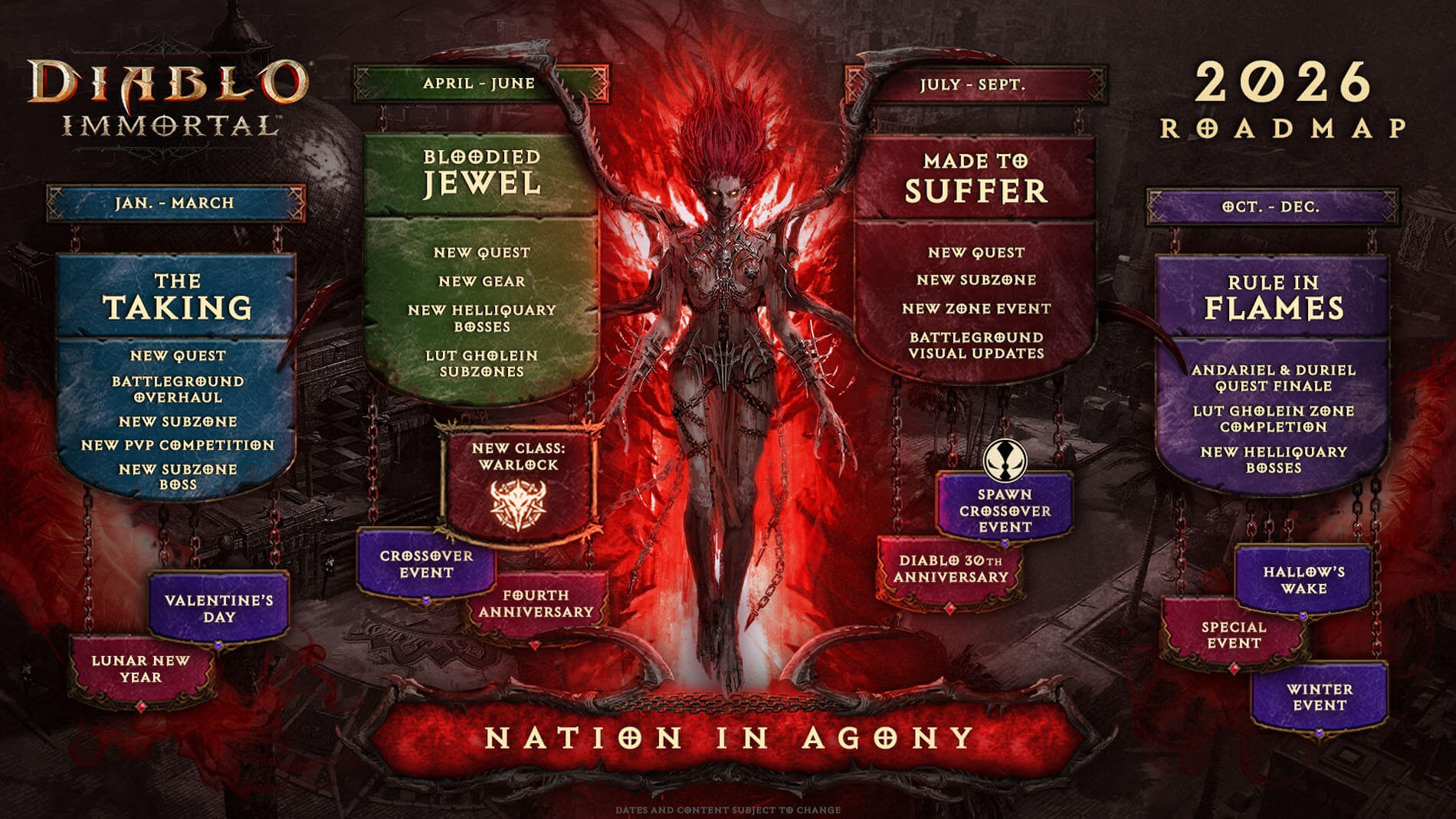
The immediate future of Diablo Immortal is set to be shaped by a series of distinct content drops. The developers have indicated a Halloween celebration as the next major event. This seasonal theme offers a rich backdrop for new in game activities, cosmetic items, and potentially unique gameplay mechanics that align with the spooky atmosphere of the holiday. Following this, the game will pivot to a special 30th Anniversary Event. While details remain scarce, anniversaries in gaming are typically marked by significant player appreciation initiatives, often including special rewards, limited time challenges, and opportunities to revisit or celebrate the franchise's history. Such events are crucial for fostering community goodwill and reminding players of the long legacy of the Diablo series.
Beyond these temporal celebrations, the end of the year promises substantial additions to the game's core experience. The conclusion of the "Nation in Agony" quest line signals a major narrative arc reaching its climax. This will be accompanied by the final piece of the Lut Gholein Zone, suggesting a significant expansion to the game's world map and exploration opportunities. New zones in ARPGs often introduce fresh environments, new enemy types, and expanded lore, offering players new challenges and a sense of progression. Furthermore, the introduction of new Helliquary Bosses indicates a continued focus on endgame content. These powerful adversaries test players' combat skills and gear, providing a crucial avenue for character advancement and a sense of accomplishment for dedicated players. The inclusion of "more" in the developer's announcement suggests a comprehensive approach to this end-of-year update, aiming to provide a robust package of new content.
The ongoing narrative of Diablo Immortal, framed by the eternal struggle between Pain and Anguish, is a central pillar of its design. The planned updates, particularly the conclusion of the "Nation in Agony" quest line, demonstrate a commitment to delivering a cohesive and evolving story. This narrative progression is vital for player immersion and provides context for the actions players undertake in the game. Completing quest lines and unlocking new areas, such as the final part of the Lut Gholein Zone, allows players to feel like they are actively participating in the unfolding story of Sanctuary.
The expansion of the game world through new zones is a common and effective strategy in ARPGs. It not only offers fresh environments to explore but also introduces new lore, challenges, and potential for discovering powerful loot. The Lut Gholein Zone, in particular, has been a significant part of the Diablo universe since Diablo II, and its complete integration into Diablo Immortal represents a meaningful expansion of the game's playable areas. The addition of new Helliquary Bosses further reinforces the game's commitment to endgame content, which is essential for retaining long term players. These boss encounters are designed to be difficult and rewarding, encouraging players to optimize their builds and work together to overcome formidable foes.
The developer's stated plans highlight a clear strategy for sustained player engagement. By interspersing major content updates with seasonal events and collaborations, they aim to provide a steady stream of new activities and incentives. The Spawn collaboration, for instance, demonstrated an ability to bring in elements from other popular franchises, potentially attracting new players and re-engaging lapsed ones. The planned Halloween and 30th Anniversary events tap into established cultural and franchise milestones, offering familiar yet fresh experiences.
The commitment to concluding narrative arcs and expanding game zones indicates a focus on providing meaningful progression and a sense of ongoing development. In the competitive mobile and PC gaming market, regular content updates are not merely desirable but necessary for survival. Diablo Immortal's roadmap suggests a proactive approach to this challenge, aiming to keep the game world feeling alive and dynamic. The promise of "plenty of secrets to be revealed" also cultivates anticipation and encourages players to remain invested in the game's future. This ongoing communication and consistent delivery of content are key to fostering a dedicated player base and ensuring the long-term success of Diablo Immortal.
↑ Back to TopLatest Class Balance Updates
Bararian
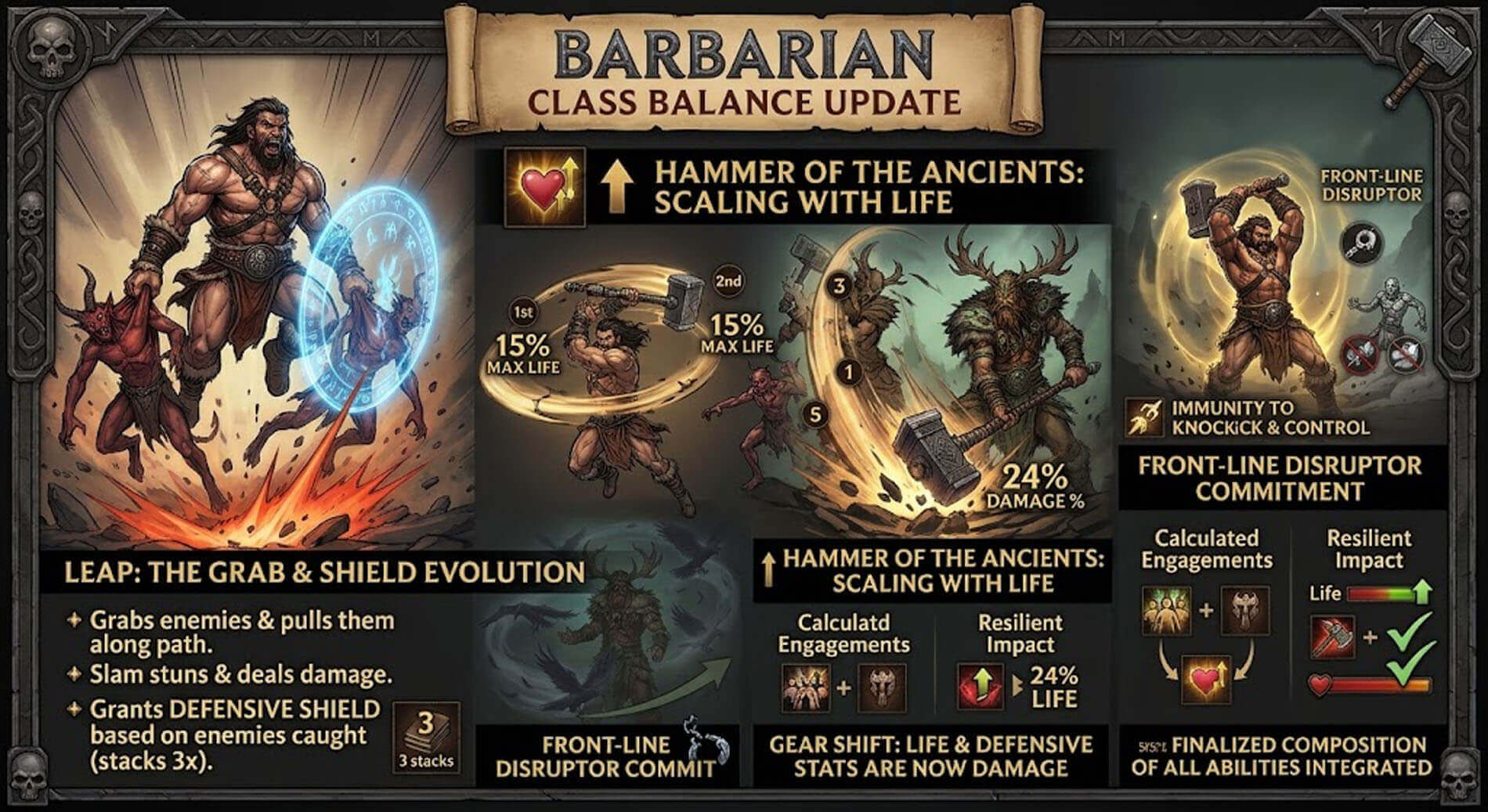
The Barbarian's Leap ability has undergone a significant transformation, evolving from a simple traversal tool into a powerful offensive and defensive engagement mechanism. The core of this update lies in its new ability to grab nearby enemies, pulling them along as the Barbarian jumps to a target location. This not only adds a dynamic crowd control element, as enemies are then slammed into the ground, causing damage and stunning them, but also introduces a new layer of tactical engagement. Previously, Leap’s damage was tied to a ramp-up mechanic based on the number of enemies caught. This has now been replaced with a shield system, granting the Barbarian a defensive buff based on the number of enemies impacted upon landing. The shield's absorb value increases significantly with each enemy hit, stacking up to three times. This encourages aggressive plays, rewarding players who can effectively position themselves to catch multiple foes. The base damage has also been increased, making the ability a more potent tool for initiating combat or repositioning in a chaotic battlefield. This reimagining of Leap shifts its utility from pure mobility to a more integrated combat function, emphasizing the Barbarian’s role as a frontline disruptor.
Similarly, the Hammer of the Ancients, another cornerstone of the Barbarian's offensive toolkit, has been re-engineered to scale with the character's maximum Life. This fundamentally changes the way players will approach building their Barbarian, placing a greater emphasis on survivability as a direct contributor to damage output. The updated ability now involves a spinning hammer attack followed by a leaping slam. A crucial addition to this iteration is the immunity to knockback and crowd control for the duration of the attack. This ensures that the Barbarian can commit to their powerful strike without interruption, guaranteeing the full damage potential is realized. The previous damage ramp-up system, where damage increased with successive hits in a combo, has been replaced by fixed damage percentages of maximum Life for each strike: 15% for the first two hits and a more substantial 24% for the final strike. This provides a more predictable and consistent damage output, allowing players to better calculate their offensive contributions. The shift towards life scaling means that investing in defensive stats is no longer solely for survival; it directly translates into increased offensive power, creating a more synergistic build path for the Barbarian. This update encourages a playstyle where the Barbarian stands their ground, becoming a formidable threat that is both difficult to dislodge and devastatingly powerful.
These substantial updates to Leap and Hammer of the Ancients carry significant strategic implications for Barbarian players. The revamped Leap encourages more calculated engagements, rewarding players who can master its new crowd control and defensive mechanics. It opens up opportunities for coordinated team plays, where a Barbarian can initiate by gathering enemies for their allies. The changes to Hammer of the Ancients necessitate a rethinking of gear and stat priorities. Players who previously focused purely on offensive statistics may now find greater success by investing more in Life and other defensive attributes. This fosters a more resilient and impactful Barbarian that can absorb damage while simultaneously dishing it out. The immunity to crowd control during Hammer of the Ancients also grants a valuable window of opportunity, allowing players to safely unleash their damage without fear of being interrupted by enemy abilities. Effectively integrating these altered abilities requires players to adapt their rotations, positioning, and overall build strategies. Experimentation and practice will be key to fully unlocking the potential of the updated Barbarian.
Blood Knight
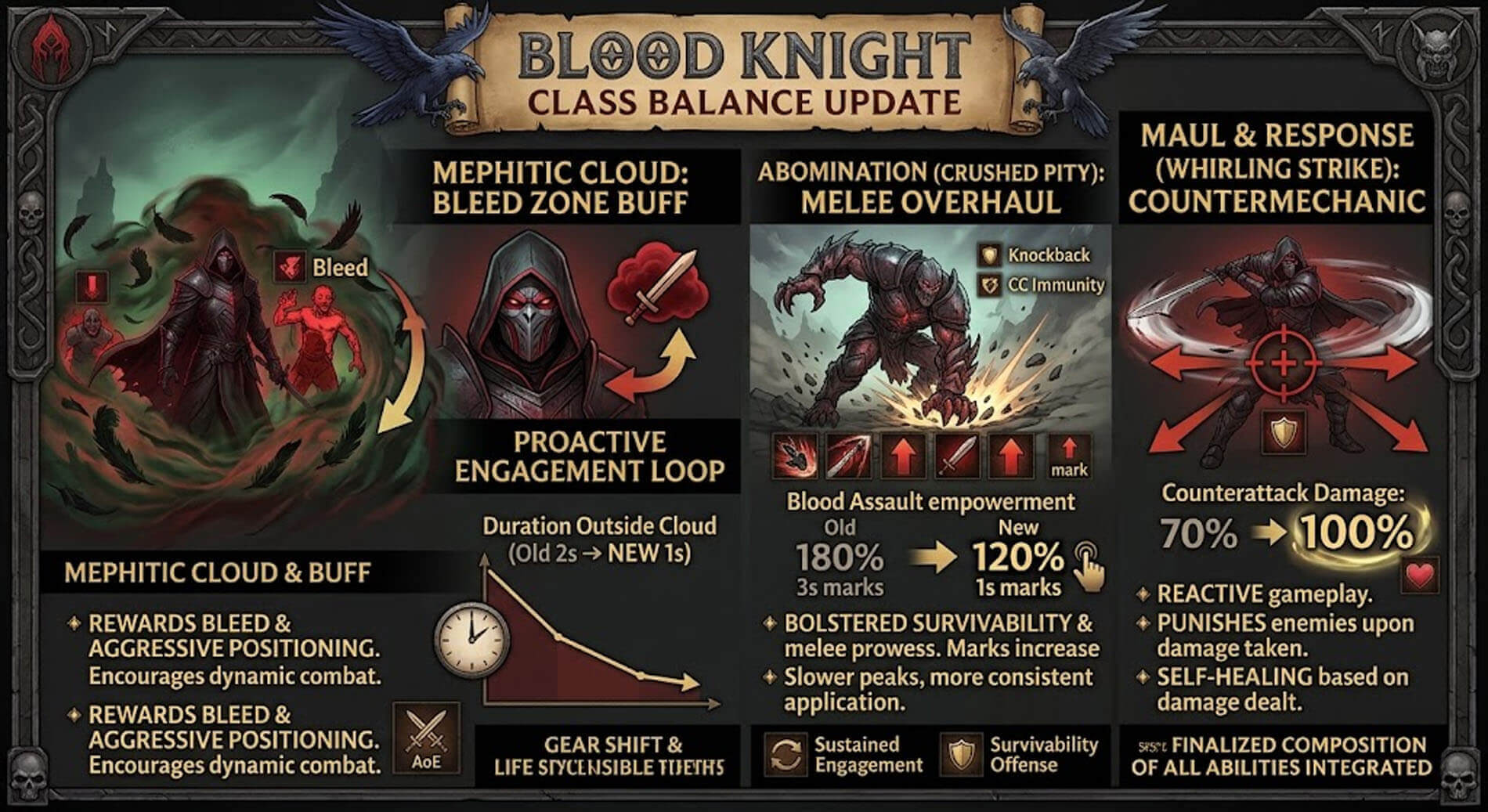
The Mephitic Cloud ability, as modified, introduces a significant shift in how players interact with their environment and enemies. The core change is the addition of a buff that activates upon inflicting Bleed, granting increased Movement Speed, Attack Speed, and damage while within the cloud. This incentivizes a more proactive and aggressive playstyle, rewarding players who consistently apply bleed effects to their opponents. The reduction in buff duration outside the cloud from two seconds to one second, however, suggests a deliberate design choice to keep players engaged within the immediate vicinity of the cloud. This encourages tactical positioning and a more tightly controlled engagement loop, preventing players from simply activating the buff and then disengaging to reap benefits at a distance. The developers likely aim to foster more dynamic combat encounters where players must remain in the fray to maximize their effectiveness. This change could lead to Blood Knights becoming more potent area-of-effect damage dealers and mobile skirmishers, but it also demands greater situational awareness and precise execution from the player.
The Abomination transformation, via the Crushed Pity skill, receives a substantial overhaul with the introduction of a new skill and a significant adjustment to an existing empowerment. The new skill allows for a forward slam, empowering primary attacks with knockback and loss of control immunity, alongside applying marks that increase primary attack damage. This clearly signals an intent to bolster the Abomination's melee prowess and survivability during its transformed state. The immunity to crowd control is particularly noteworthy, as it allows the Blood Knight to maintain offensive pressure even when facing heavily debuffing enemies. The modification to the Blood Assault empowerment, reducing the maximum primary attack damage increase from 180% to 120% and significantly shortening the mark stack duration from three seconds to one second, indicates a move towards balancing raw damage output with sustained engagement. While the peak damage potential might be slightly lower, the shorter mark duration necessitates more frequent application and thus, more consistent engagement. This suggests a design philosophy that prioritizes active combat participation over burst damage that can be easily mitigated or avoided. Players will need to be more deliberate in their primary attack rotations to capitalize on the mark system.
The Maul and Response update to Whirling Strike introduces a potent defensive and offensive counter-mechanic. The ability now triggers a counterattack upon taking damage, affecting all nearby enemies and providing self-healing based on the damage dealt. This adds a layer of reactive gameplay, turning defensive moments into offensive opportunities. The increase in counterattack damage from 70% to 100% of the Blood Knight's damage, directly impacting the healing received, further amplifies the effectiveness of this new mechanic. This change has the potential to significantly enhance the Blood Knight's survivability in chaotic engagements, allowing them to punish aggressive enemies while simultaneously recovering health. It also rewards players for being targeted, subtly shifting the meta towards encounters where the Blood Knight can absorb some damage to unleash a retaliatory blow. This can lead to more satisfying comeback mechanics and add a unique dimension to the Blood Knight's combat identity, making them a more resilient and formidable opponent in close-quarters combat.
Crusader
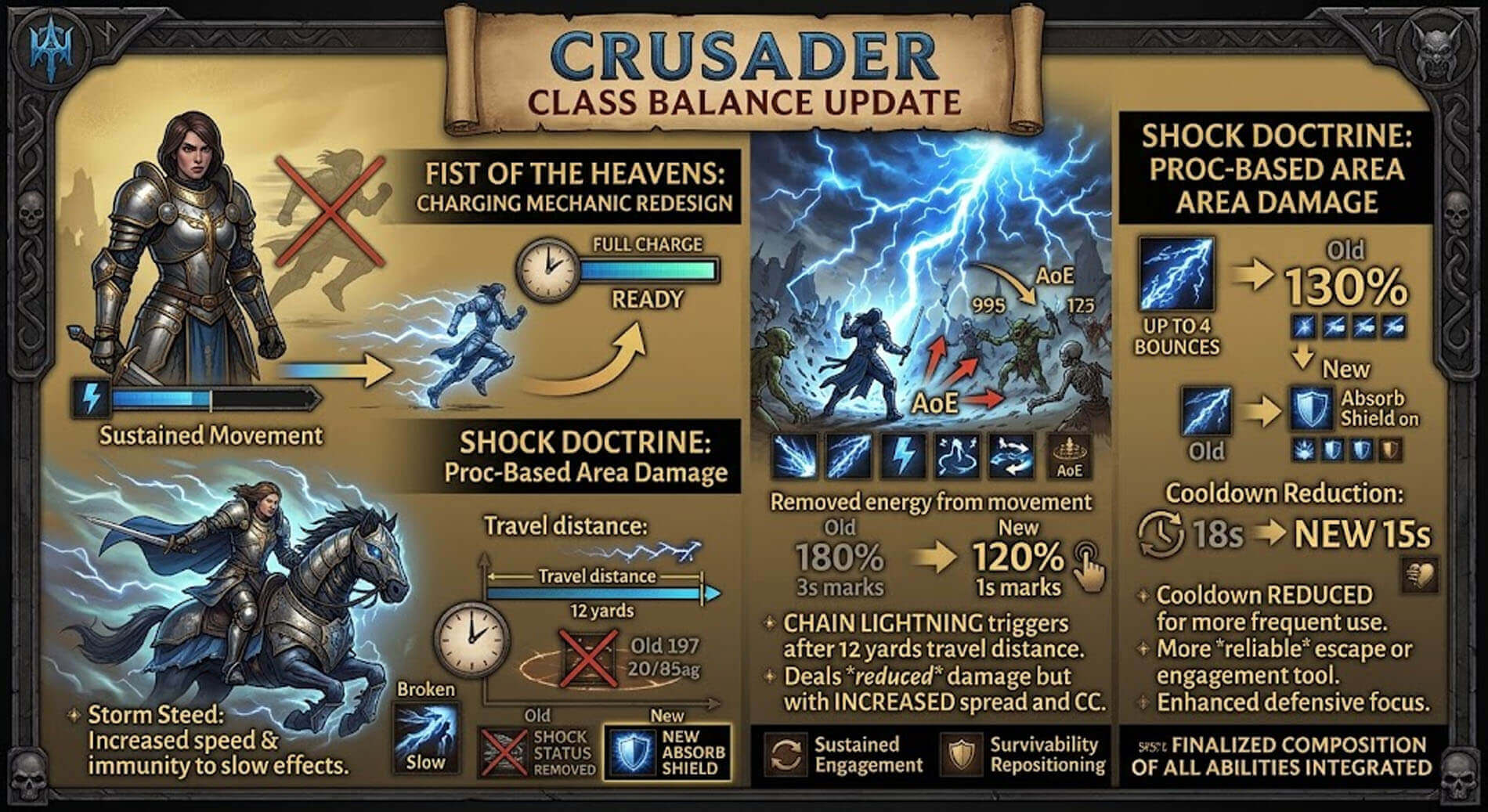
The initial iteration of "Fist of the Heavens" was designed to reward player movement by charging energy that could then be unleashed. The recent update fundamentally alters this mechanic. The removal of the dash, a popular movement ability, signifies a significant shift in how players will interact with this skill. Instead of a direct charge and release, energy now accumulates solely through movement, and the skill can only be activated once fully charged. This change encourages a more sustained period of movement before deployment, potentially leading to more deliberate and strategic positioning. The primary offensive component now involves calling down lightning on several nearby enemies, dealing a substantial percentage of the player's damage. This revised approach emphasizes sustained engagement rather than burst damage or rapid repositioning, potentially creating a more tactical playstyle for the Crusader Azure Sacristan.
"Shock Doctrine" also underwent a significant rebalancing. Previously, it generated an area of electric retribution that followed the player, coupled with automatic Chain Lightning procs based on travel distance. The developers have removed the energy generation tied to movement that previously empowered the next skill. In its place, Chain Lightning now triggers after a fixed distance of travel, specifically 12 yards. This Chain Lightning deals a reduced percentage of damage compared to the original but bounces to multiple nearby enemies, up to four times. This alteration signifies a move away from player-initiated area denial and towards a more reactive, proc-based damage distribution. The reduced individual damage on each bounce suggests a focus on spread damage and crowd control rather than singular, high-impact hits. The developer's intent appears to be to make "Shock Doctrine" a more consistent, albeit less potent, source of area damage that complements other abilities rather than being a primary standalone threat.
The "Storm Saddle" ability, associated with "Draw and Quarter," has seen a notable enhancement in its defensive and mobility aspects. The introduction of a Storm Steed now grants increased movement speed and immunity to slow effects, directly addressing potential counterplay or disruption. The mounted charge, while no longer applying the Shock status effect, now provides the player with an absorb shield. Furthermore, the cooldown has been reduced from 18 to 15 seconds, allowing for more frequent use of this repositioning and defensive tool. This update suggests a developer focus on making "Storm Saddle" a more reliable escape mechanism or engagement tool, offering both increased survivability and more consistent access to its benefits. The removal of the Shock status from the charge indicates a de-emphasis on its offensive crowd control capabilities in favour of enhanced defensive utility, allowing players to reposition with greater safety.
Druid
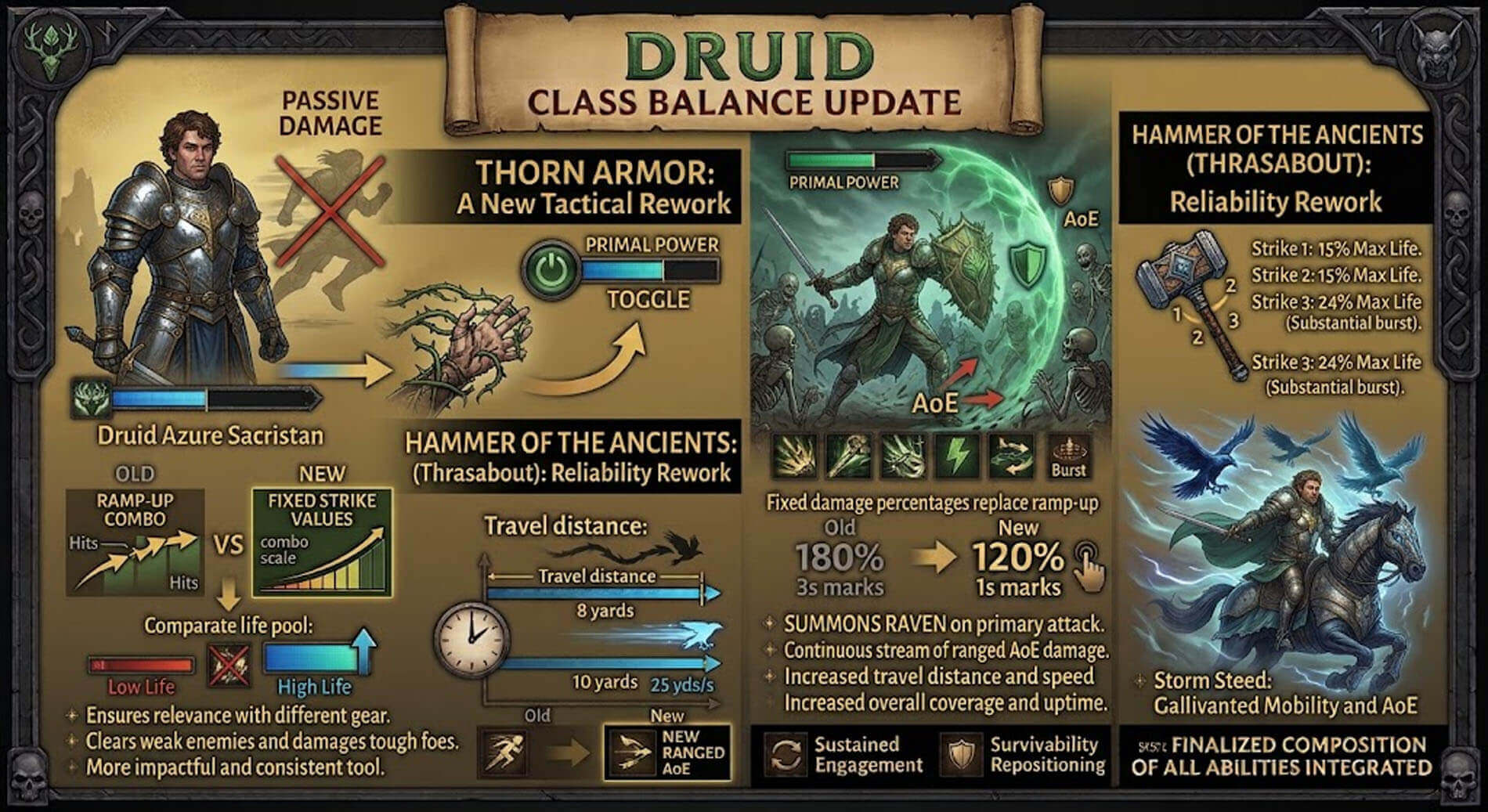
The rework of Thorn Armor marks a notable departure from its previous iteration. Originally, this skill likely offered a passive damage-dealing effect or perhaps a more straightforward active ability. The new design introduces a toggle mechanic, meaning players must actively choose to engage Thorn Armor, thereby managing its Primal Power cost. While active, Thorn Armor empowers primary attacks, causing them to not only deal damage but also generate an absorb shield upon hitting enemies. This shield serves a dual purpose: it mitigates incoming damage and provides immunity to knockback effects, a crucial defensive buff in many combat scenarios. The base damage increase to 240% of the player's damage signifies a substantial boost to its offensive potential. Furthermore, the removal of the enemy-grabbing damage bonus in favor of a shield that scales with the number of enemies hit suggests a reorientation of the skill. Instead of rewarding crowd control directly with damage, Thorn Armor now incentivizes engaging multiple targets to bolster survivability, promoting a more proactive defensive playstyle that synergizes with offensive pressure. This shift encourages Druids to position themselves effectively to maximize both damage output and shield generation, making Thorn Armor a more tactical choice rather than a simple reactive ability.
The Hammer of the Ancients, under the guise of Thrasabout, receives a significant overhaul focused on improving the reliability and impact of its damage. The previous ramp-up mechanic, where damage increased over successive hits of a combo, is replaced with fixed damage values for each strike. These new values are expressed as percentages of the Druid's maximum Life: 15% for the first and second strikes, and 24% for the third. This change introduces a more predictable and potent damage output, particularly for Druids with high life pools. By directly tying a portion of the ability's damage to a core Druid stat, the developers ensure that the skill remains relevant even as players acquire different gear and stat distributions. This also allows for a more straightforward calculation of its effectiveness without needing to track combo sequences. The fixed percentages mean that the final, most powerful hit of Hammer of the Ancients delivers a substantial burst of damage, capable of clearing weaker enemies or significantly damaging tougher foes. This update likely aims to make Hammer of the Ancients a more impactful and consistent tool in the Druid's arsenal, encouraging its use in various combat situations where a strong, reliable strike is needed.
Eternal Cycle, the Raven Swarm ability, is reimagined to enhance the Druid's mobility and area-of-effect (AoE) pressure. The previous iteration of Raven Swarm might have focused solely on damage or a different form of buff. This new version transforms the Druid into a more agile combatant by increasing their movement speed. Critically, it modifies the primary attack to summon a raven that travels forward and then returns, damaging enemies in its path. This creates a continuous stream of ranged AoE damage emanating from the Druid. The increased travel distance from 8 to 10 yards and the faster travel speed from 22 to 25 yards per second mean that the ravens cover more ground more quickly, increasing the overall coverage and uptime of the damage effect. This upgrade allows Druids to maintain pressure on enemies while kiting or repositioning, making them more elusive and effective in prolonged engagements. It also enhances their ability to control space and deal damage to groups of enemies without sacrificing their own mobility. The combination of increased movement speed and the persistent raven attack suggest a move towards a more dynamic and hit-and-run playstyle for Druids utilizing this ability.
↑ Back to TopBug Fixes and Their Impact on Gameplay
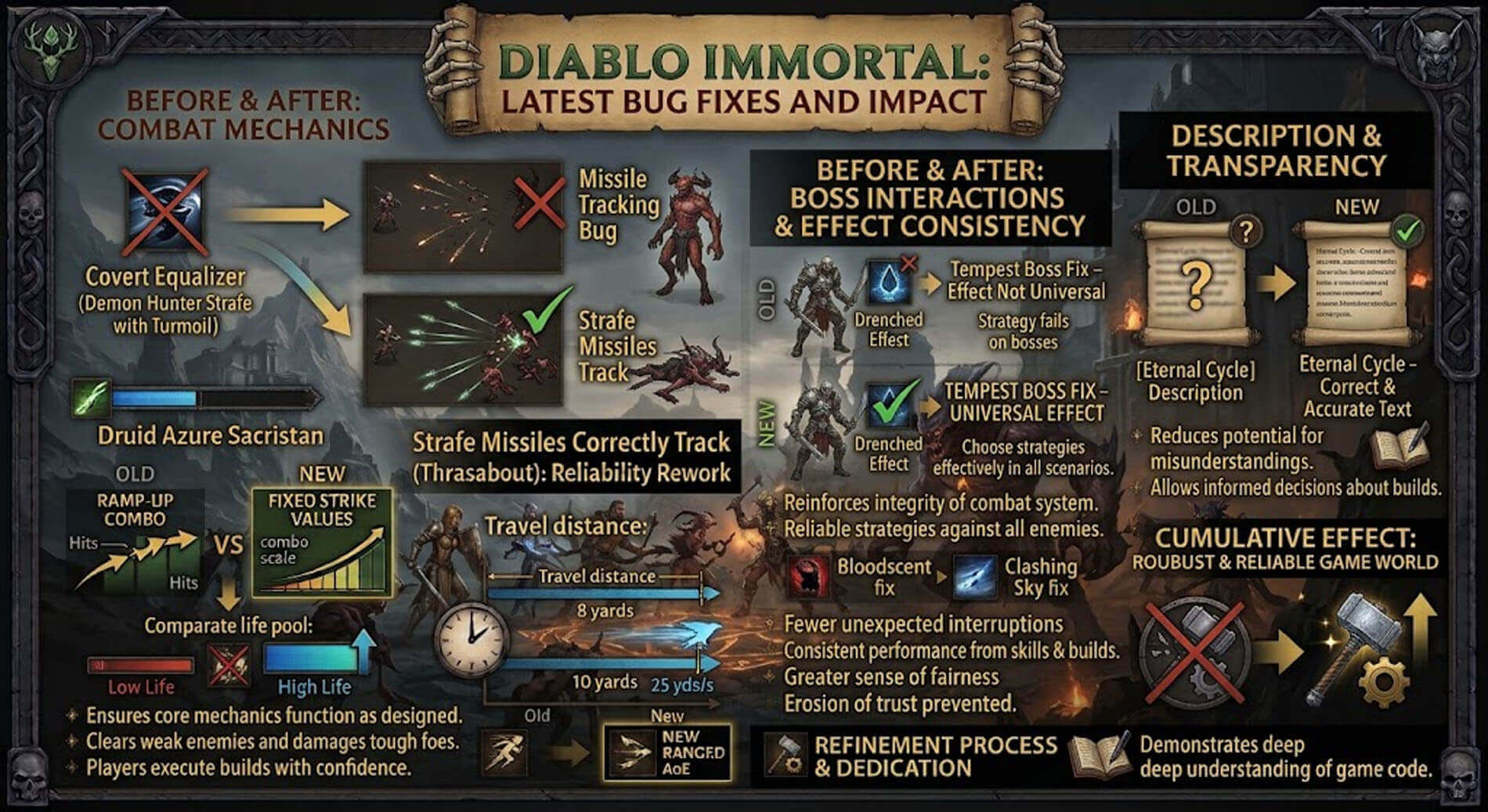
A significant portion of the recent bug fixes in Diablo Immortal directly targets combat related issues, particularly those tied to specific Legendary Essences and skill interactions. For instance, the fix for the Demon Hunter's Legendary Essence [Covert Equalizer] when used with [Turmoil] addresses a critical flaw in missile tracking during the Strafe skill. Previously, this combination would lead to projectiles failing to connect with targets as intended, hindering the Demon Hunter's effectiveness in combat. This bug fix ensures that the core mechanics of the skill and the essence now function as designed, allowing players to execute their chosen builds with greater confidence and consistency.
Similarly, the correction involving the Mistblade Legendary Essence [Bloodscent] highlights the developers' attention to detail in damage application. The original issue where the additional damage could trigger even without the Crosswinds hitting bleeding enemies meant that players might have been experiencing inconsistent damage output or potentially unintended buffs. By rectifying this, the developers ensure that the essence's effect is tied to its intended trigger condition, promoting a more balanced and predictable damage system.
The Monk's Legendary Essence [Clashing Sky] also received attention, with a fix preventing the third kick from triggering the mystic kick effect when paired with [Undue Censure]. This kind of bug can disrupt the intended flow and power curve of a class's abilities, leading to frustration when expected effects do not manifest. Resolving this ensures that the Monk's combat rotations and skill synergies function as meticulously planned by the development team, contributing to a more fluid and rewarding combat experience.
Beyond direct combat mechanics, Diablo Immortal's developers have also focused on clarifying and correcting how certain abilities are represented to players. The adjustment to the Druid Legendary Essence [Eternal Cycle]'s description is a prime example. While the skill effect itself remained unchanged, the discrepancy in its description could lead to player confusion or misguided expectations about its capabilities. By updating the text to accurately reflect the actual in game performance, the developers promote transparency and reduce the potential for misunderstandings. This attention to detail in tooltips and descriptions is crucial for players to make informed decisions about their builds and understand the full potential of their chosen gear.
A bug affecting the Drenched effect applied by certain Tempest Legendary Essences and its impact on Bosses has been resolved. Boss encounters in Diablo Immortal are often challenging, and mechanics that fail to apply correctly against these formidable opponents can significantly alter the intended difficulty and strategy. Ensuring that status effects like Drenched function universally across different enemy types, including bosses, reinforces the integrity of the game's combat system and ensures that players can rely on their chosen strategies to be effective in all scenarios.
The cumulative effect of these bug fixes extends beyond simply resolving isolated issues. They contribute to a more robust and reliable game world. For players, this means fewer unexpected interruptions, more consistent performance from their chosen skills and builds, and a greater sense of fairness. When bugs are prevalent, they can erode player trust and lead to a perception that the game is not well maintained. By actively addressing these problems, developers signal their commitment to player satisfaction and the long term health of the game.
These fixes often involve intricate knowledge of the game's underlying code and systems. The fact that developers are identifying and rectifying these issues, even those related to specific legendary essence combinations, demonstrates a deep understanding of their own creation. This continuous refinement process is essential for any live service game, as it allows for adaptation and improvement over time, ensuring that Diablo Immortal remains a compelling and engaging experience for its community. The ongoing effort to polish existing mechanics and address player feedback through these bug fixes is a testament to the dedication involved in keeping the world of Sanctuary vibrant and functional.
↑ Back to Top