Blizzard Quote [source]
Last updated October 24 @ 11:00 a.m. PDT.
Diablo III patch 2.6.1 is now live in the Americas for PC, PlayStation 4, and Xbox One! Check out the full PC patch notes below to learn all about the latest changes. To view the console notes, please click here.
PATCH HIGHLIGHTS- Class Set Revisions
- We’ve taken a top-down look across all class performance in Greater Rifts, and made several changes to bring as many gameplay styles as close in line to each other as possible, with a focus on the most popular or requested builds.
- Skill Changes
- Several skills have had their overall power buffed, while others have been tweaked for improved playability and performance.
- Item Revisions
- Numerous Legendary items have seen tweaks, yielding increased power for players to enjoy.
Important: Please note that you will not be prompted to download Patch 2.6.1 until the patch is live in your home region. If you are logging in from a European or Asian client, you will need to wait for this patch to release in that region before it can be installed. Additionally, if your home region is in the Americas, you will be unable to log into Europe or Asia using Global Play after Patch 2.6.1 is live until those regions have also patched.

Diablo III Patch 2.6.1 - v2.6.1.47710
Visit our Bug Report forum for a list of known issues.
If you are experiencing technical issues with the patching process, connecting to Blizzard Services after installing the patch, or errors while playing a newly-patched game, please visit our support site or post in the Technical Support forum for assistance.
Table of Contents:
CLASSES
- Barbarian Skills
- Battle Rage
- Bloodshed
- Has been redesigned:
- Deal damage equal to 20% of your recent Critical Hits to enemies within 20 yards every 1 second.
- Note: Bloodshed caused performance issues when encountering high enemy density, particularly when combined with Whirlwind, Pain Enhancer, and Gem of Efficacious Toxin.
- Bloodshed
- Ground Stomp
- Jarring Slam
- Added a maximum threshold on the number of health globes that can spawn in a given time.
- Jarring Slam
- Battle Rage
- Crusader Skills
- Blessed Hammer
- Limitless
- Has been redesigned:
- Increase the damage of Blessed Hammer to 640% weapon damage as Holy and increase its area of effect by 20 yards.
- Note: The extra projectiles created by this rune were causing performance issues in cases with high enemy density.
- Limitless
- Blessed Hammer
- Monk Skills
- Tempest Rush
- Flurry
- Reduced the maximum number of stacks from 500 to 100
- Flurry
- Tempest Rush
- Necromancer Skills
- Command Skeletons
- Commanding your Skeletal Warriors will break crowd control effects on them
- Skeletal Warriors will no longer die after taking too many hits
- Design Philosophy: When we were first designing Command Skeletons, we wanted to capture the feeling of being an undead commander by having skeletons regularly spawn around the Necromancer and charge into battle during combat. It created a cool visual, but as the class evolved through Set bonuses and Legendary powers, it became clear that this visual began to hinder gameplay for some builds. Skeletal Warriors now have the same defenses as all other pets in the game.
- Devour
- Voracious
- Resource cost reduction stacks granted from this rune will now stack and are no longer overridden from multiple casts.
- Voracious
- Simulacrum
- Added a glow to the skill icon to indicate when Simulacrum is active.
- Skeletal Mage
- This skill will now display the duration of the oldest mage raised as a buff in addition to the total number of mages active
- Design Philosophy: This change is largely to provide transparency to players on the duration of their mage armor. This will be especially useful to players using the Bones of Rathma set. It’s our goal that players will no longer feel compelled to refresh their Skeletal Mage counter when they’re already at max.
- Bone Armor
- Essence cost removed
- Can now be cast while moving
- Army of the Dead
- Frozen Army
- The pulsing damage from this rune has been spread out
- Design Philosophy: This was done to ensure enemies within range are evenly hit and to better align with the visual. This will result in more targets being hit more consistently for the stated weapon damage amount.
- Frozen Army
- Command Skeletons
- Necromancer Passives
- Fueled By Death
- The movement speed bonus from this passive can now exceed the 25% cap
- Life from Death
- Added a maximum threshold on the number of health globes that can spawn in a given time.
- Fueled By Death
- Witch Doctor Skills
- Soul Harvest
- Adding a stack or refreshing Soul Harvest now refreshes all stacks of Soul Harvest.
- Soul Harvest
- Witch Doctor Passives
- Creeping Death
- Increased the duration of Haunt, Locust Swarm, and the damage amplification of Piranhas when this passive is active from 3600 to 19800 seconds
- Creeping Death
- Wizard Skills
- Arcane Orb
- Frozen Orb
- Create an orb of frozen death that shreds an area with ice bolts, dealing
393%950% weapon damage as Cold - Increased projectile travel distance from 30 to 40
- Create an orb of frozen death that shreds an area with ice bolts, dealing
- Frozen Orb
- Arcane Orb
- Bug Fixes
- Fixed an issue which prevented Army of the Dead from sometimes triggering when the player is immediately afflicted by a monster’s crowd control after casting it
- Fixed an issue where enemy monsters could heal themselves when striking another monster afflicted by Leech
- Fixed a bug which caused Skeletal Mages to sometimes spawn up in the air
- Fixed an issue where the firewall left behind by Arcane Orb – Scorch was not dealing damage
- Fixed an issue which caused Skeletal Mages to lose their target when players used Command Skeletons to attack the same target
- Fixed an issue which caused connection issues when players used a channeling skill while attempting to force move at the same time
- Fixed an issue where your pets would double dip from the damage bonus granted by Wolf Companion
- Fixed an issue where the advanced tooltip for Bone Armor - Dislocation did not correctly state the rune did Poison damage
- Fixed an issue where Furious Charge would inherit the elemental damage type on your weapon when Vile Ward was equipped, as opposed to the damage type of the rune you chose
- Fixed an issue where Bone Armor: Dislocation did not apply the movement and attack speed reduction provided by Rigor Mortis
- Fixed an issue where Monk players could reset the Blood is Power cooldown for Necromancers allowing them to gain more cool down reduction than intended
- Fixed an issue where Creeping Death was not correctly affecting the duration of the Piranha’s damage debuff
- Fixed an issue where the tooltip for Spike Trap - Impaling Spines did not display its correct damage type
- Fixed an issue where the tooltip for Bone Armor - Harvest of Anguish did not display its correct damage type
ITEMS
- General
- Many Legendary and Set items have had their drop chance increased
- Legendary Items
- Barbarian
- Band of Might
- After casting Furious Charge, Ground Stomp, or Leap, take
50–60%60-80% reduced damage for 8 seconds
- After casting Furious Charge, Ground Stomp, or Leap, take
- Bracers of Destruction
- Seismic Slam deals
300–400%400-500% increased damage to the first 5 enemies it hits.
- Seismic Slam deals
- Bracers of the First Men
- Hammer of the Ancients attacks 50% faster and deals
150–200%400-500% increased damage
- Hammer of the Ancients attacks 50% faster and deals
- Fury of the Vanished Peak
- No longer rolls Legendary-strength bonus to Seismic Slam damage as an inherent affix. Can still roll 10-15% as a random affix.
- Reduces the Fury cost of Seismic Slam by
40-50% and increases its damage by 400-500%. - Note: Existing versions of this item will also be changed to include the damage roll in the orange text, but will always roll a damage roll equal to the previous maximum possible.
- Gavel of Judgement
- No longer rolls Legendary-strength bonus to Hammer of the Ancients damage as an inherent affix. Can still roll 10-15% as a random affix.
Hammer of the Ancients returns 20–25 Fury if it hits 3 or fewer enemies.The damage of Hammer of the Ancients is increased by 600-800% and it returns 25 Fury if it hits 3 or fewer enemies- Note: Existing versions of this item will also be changed to include the damage roll in the orange text, but will always roll a damage roll equal to the previous maximum possible.
- Girdle of Giants
- Seismic Slam increases Earthquake damage by
80–100%200-250% for 3 seconds.
- Seismic Slam increases Earthquake damage by
- Skull Grasp
- Increase the damage of Whirlwind by
250–300%300-400%
- Increase the damage of Whirlwind by
- Standoff
- Furious Charge deals increased damage equal to
200–250%400-500% of your bonus movement speed.
- Furious Charge deals increased damage equal to
- Band of Might
- Crusader
- Blade of Prophecy
- No longer rolls a bonus to Condemn damage as an inherent affix.
- Two Condemned enemies also trigger Condemn's explosion and the damage of Condemn is increased by 600-800%.
- Note: Existing versions of this item will also be changed to include the damage roll in the orange text, but will always roll a damage roll equal to the previous maximum possible.
- Bracer of Fury
- Heaven's Fury deals
150–200%300-400% increased damage to enemies that are Blinded, Immobilized, or Stunned.
- Heaven's Fury deals
- Denial
- Each enemy hit by your Sweep Attack increases the damage of your next Sweep Attack by
30–40%100-125%, stacking up to 5 times.
- Each enemy hit by your Sweep Attack increases the damage of your next Sweep Attack by
- Faithful Memory
- Each enemy hit by Falling Sword increases the damage of Blessed Hammer by
50-60%60-80% for 10 seconds. Max 10 stacks.
- Each enemy hit by Falling Sword increases the damage of Blessed Hammer by
- Fate of the Fell
Gain two additional rays of Heaven’s Fury.- Heaven's Fury gains two additional rays and has its damage increased by 375-500%
- Frostburn
- No longer smart drops for Crusader.
- Frydehr’s Wrath
- No longer rolls Legendary-strength bonus to Condemn damage as an inherent affix. Can still roll 10-15% as a random affix.
- Condemn has no cooldown and has its damage increased by 600-800%, but instead costs 40 Wrath.
- Note: Existing versions of this item will also be changed to include the damage roll in the orange text, but will always roll a damage roll equal to the previous maximum possible.
- Golden Flense
- No longer rolls Legendary-strength bonus to Sweep Attack damage as an inherent affix.
- Sweep Attack restores 6 Wrath for each enemy hit and has its damage increased by 225-300%
- Note: Existing versions of this item will also be changed to include the damage roll in the orange text, but will always roll a damage roll equal to the previous maximum possible.
- Gyrfalcon’s Foote
- Removes the resource cost of Blessed Shield and increases Blessed Shield damage by 275-350%.
- Jekangbord
- No longer rolls Legendary-strength bonus to Blessed Shield damage as an inherent affix. Can still roll 10-15% as a random affix.
- Blessed Shield ricochets to 6 additional enemies and has its damage increased by 225-300%.
- Note: Existing versions of this item will also be changed to include the damage roll in the orange text, but will always roll a damage roll equal to the previous maximum possible.
- Blade of Prophecy
- Demon Hunter
- Dead Man’s Legacy
- No longer rolls Legendary-strength bonus to Multishot damage as an inherent affix. Can still roll 10-15% as a random affix.
- Legendary power now also increases Multishot damage, now reads Multishot hits enemies below
50-60% health twice and its damage is increased by 150-200%. - Note: Existing versions of this item will also be changed to include the damage roll in the orange text, but will always roll a damage roll equal to the previous maximum possible.
- Karlei’s Point
- The damage of Impale is increased by 300-375% and
Impaleit returns10–15 Hatred if it hits an enemy already Impaled.
- The damage of Impale is increased by 300-375% and
- Lord Greenstone’s Fan
- Every second, gain
160–200%300-400% increased damage for your next Fan of Knives. Stacks up to 30 times.
- Every second, gain
- Manticore
- No longer rolls Legendary-strength bonus to Cluster Arrow damage as an inherent affix. Can still roll 10-15% as a random affix.
- Reduces the Hatred cost of Cluster Arrow by
40-50% and increases its damage by 250-300%. - Note: Existing versions of this item will also be changed to include the damage roll in the orange text, but will always roll a damage roll equal to the previous maximum possible.
- Yang’s Recurve
- Multishot attacks 50% faster and its damage is increased by 150-200%.
- Wraps of Clarity
- Your Hatred Generators reduce your damage taken by
30–35%40-50% for 5 seconds.
- Your Hatred Generators reduce your damage taken by
- Dead Man’s Legacy
- Monk
- Binding of the Lost
- Each hit with Seven-Sided Strike grants
3–3.5%4-5% damage reduction for 7 seconds.
- Each hit with Seven-Sided Strike grants
- Balance
- No longer rolls Legendary-strength bonus to Tempest Rush damage as an inherent affix. Can still roll 10-15% as a random affix.
- The damage of Tempest Rush is increased by 450-600% and when your Tempest Rush hits 3 or fewer enemies, it gains 100% Critical Hit Chance..
- Note: Existing versions of this item will also be changed to include the damage roll in the orange text, but will always roll a damage roll equal to the previous maximum possible.
- Cesar's Memento
- Enemies take
300–400%600-800% increased damage from your Tempest Rush for 5 seconds after you hit them with a Blind, Freeze, or Stun
- Enemies take
- The Fist of Az’Turrasq
- Exploding Palm's on-death explosion damage is increased by
250–300%400-500%.
- Exploding Palm's on-death explosion damage is increased by
- Incense Torch of the Grand Temple
- No longer rolls Legendary-strength bonus to Wave of Light damage as an inherent affix. Can still roll 10-15% as a random affix.
- Reduces the Spirit cost of Wave of Light by
40–50% and increases its damage by 450-500%. - Note: Existing versions of this item will also be changed to include the damage roll in the orange text, but will always roll a damage roll equal to the previous maximum possible.
- Scarbringer
- The damage of Lashing Tail Kick is increased by
300%450-600% to the first 7 enemies hit
- The damage of Lashing Tail Kick is increased by
- Spirit Guards
- Your Spirit Generators reduce your damage taken by
30–40%45-60% for 3 seconds.
- Your Spirit Generators reduce your damage taken by
- Binding of the Lost
- Necromancer
- Bloodsong Mail
- While in the Land of the Dead, Command Skeletons
gains the effect of all runes anddeals 100–125% additional damage and gains the effect of the Enforcer, Frenzy, Dark Mending and Freezing Grasp runes.
- While in the Land of the Dead, Command Skeletons
- Bloodtide Blade
- Death Nova deals
20–30%80-100% increased damage for every enemy within1525 yards..
- Death Nova deals
- Dayntee’s Binding
- You gain an additional 40–50% damage reduction when there is an enemy afflicted by
your Decrepifyany of your curses.
- You gain an additional 40–50% damage reduction when there is an enemy afflicted by
- Defiler Cuisses
- Your Bone Spirit's damage is increased by
75–100%400-500% for every second it is active.
- Your Bone Spirit's damage is increased by
- Fate’s Vow
- Army of the Dead now deals an additional 200-250% damage and gains the effect of the Unconventional Warfare rune.
- Golemskin Breeches
Your Golem's damage is increased by 100–125% andYou take 30% less damage whileityour Golem is alive and the cooldown on Command Golem is reduced by 20-25 seconds.
- Leger’s Disdain
- Grim Scythe deals an additional
7–10%65-80% damage for each point of essence it restores.
- Grim Scythe deals an additional
- Lost Time
- Your cold skills reduce the movement speed of enemies by 30%. In addition, your movement speed is increased by
4–5%8-10% for 5 seconds. Maximum 5 stacks.
- Your cold skills reduce the movement speed of enemies by 30%. In addition, your movement speed is increased by
- Maltorius’ Petrified Spike
- Bone Spear now costs 40 Essence and deals
375–450%550-700% increased damage.
- Bone Spear now costs 40 Essence and deals
- Mask of Scarlet Death
- When paired with the Revive: Purgatory rune, the mega-revived monster will drop the same number of corpses were used to create it on death.
- This item will now attempt to give preference to the strongest monster to become the mega-revive when selecting a group of corpses.
- Nayr’s Black Death
- Each different poison skill you use increases the damage of your poison skills by
50–65%75-100% for 15 seconds.
- Each different poison skill you use increases the damage of your poison skills by
- Scythe of the Cycle
- Your Secondary skills deal
250–300%350-400% additional damage while Bone Armor is active but reduce the remaining duration of Bone Armor by 4 seconds.
- Your Secondary skills deal
- Steuart’s Greaves
- You gain
40–50%75-100% increased movement speed for210 seconds after using Blood Rush.
- You gain
- The Johnstone
Each corpse consumed in the Land of the Dead gGrants a 50 stacks of Macabre Knowledge when Land of the Dead expires. Macabre Knowledge increases the damage of Corpse Lance and Corpse Explosion by 150–200%while outside Land of the Dead.
- Bloodsong Mail
- Witch Doctor
- Bakuli Jungle Wraps
- Firebats deals
150–200%250-300% increased damage to enemies affected by Locust Swarm or Piranhas.
- Firebats deals
- Mask of Jeram
- Pets deal
75–100%150-200% increased damage.
- Pets deal
- Staff of Chiroptera
- No longer rolls Legendary-strength bonus to Firebats damage as an inherent affix. Can still roll 10-15% as a random affix.
- Firebats attacks 100% faster, and costs
70-75% less Mana, and has its damage increased by 125-150%. - Note: Existing versions of this item will also be changed to include the damage roll in the orange text, but will always roll a damage roll equal to the previous maximum possible.
- The Short Man’s Finger
- Gargantuan instead summons three smaller gargantuans
each more powerful than beforethat have their damage increased by 500-650%. - Note: Existing versions of this item will also be changed to include the damage roll in the orange text, but will always roll a damage roll equal to the previous maximum possible.
- Gargantuan instead summons three smaller gargantuans
- Bakuli Jungle Wraps
- Wizard
- Deathwish
- While channeling Arcane Torrent, Disintegrate, or Ray of Frost, all damage is increased by
30–35%250-325%.
- While channeling Arcane Torrent, Disintegrate, or Ray of Frost, all damage is increased by
- Etched Sigil
Your Arcane Torrent, Disintegrate, and Ray of Frost also cast one of your other damaging Arcane Power Spenders which deal 125-150% increased damage every second.- While channeling Arcane Torrent, Disintegrate, or Ray of Frost, the damage of your Arcane Power Spenders is increased by 125-150% and you also cast one of your other damaging Arcane Power Spenders every second.
- Halo of Karini
- You take
45–60%60-80% less damage for35 seconds after your Storm Armor electrocutes an enemy more than3015 yards away
- You take
- Nilfur's Boast
- Increase the damage of Meteor by
200%600%. When your Meteor hits 3 or fewer enemies, the damage is increased by275–350%675-900%
- Increase the damage of Meteor by
- Orb of Infinite Depth
- Each time you hit an enemy with Explosive Blast your damage is increased by
4%8-10% and your damage reduction is increased by15%20% for 6 seconds. This effect can stack up to 4 times.
- Each time you hit an enemy with Explosive Blast your damage is increased by
- Ranslor’s Folly
- Energy Twister does 225-300% more damage and periodically pulls in lesser enemies within 30 yards.
- The Grand Vizier
- No longer rolls Legendary-strength bonus to Meteor damage as an inherent affix.
- Reduces the Arcane Power cost of Meteor by 50% and increases its damage by
30%300-400% - Note: Existing versions of this item will also be changed to include the damage roll in the orange text, but will always roll a damage roll equal to the previous maximum possible.
- Triumvirate
- Your Signature Spells increase the damage of Arcane Orb by
150–200%300-400% for 6 seconds, stacking up to 3 times.
- Your Signature Spells increase the damage of Arcane Orb by
- Unstable Scepter
- No longer rolls Legendary-strength bonus to Arcane Orb damage as an inherent affix.
- The damage of Arcane Orb is increased by 350-450% and its explosion triggers an additional time..
- Note: Existing versions of this item will also be changed to include the damage roll in the orange text, but will always roll a damage roll equal to the previous maximum possible.
- Wand of Woh
- No longer rolls Legendary-strength bonus to Explosive Blast damage as an inherent affix.
- The damage of Explosive Blast is increased by 300-400% and 3 additional blasts are triggered after casting Explosive Blast.
- Note: Existing versions of this item will also be changed to include the damage roll in the orange text, but will always roll a damage roll equal to the previous maximum possible.
- Deathwish
- Set Items
- Barbarian
- Immortal King’s Call
- (6) Set
- While both Wrath of the Berserker and Call of the Ancients is active, you deal
400%1500% increased damage.
- While both Wrath of the Berserker and Call of the Ancients is active, you deal
- (6) Set
- Might of the Earth
- (6) Set
- Increase the damage of Earthquake, Avalanche, Leap, Ground Stomp, Ancient Spear and Seismic Slam by
1200%5600%.
- Increase the damage of Earthquake, Avalanche, Leap, Ground Stomp, Ancient Spear and Seismic Slam by
- (6) Set
- The Legacy of Raekor
- (4) Set
- Furious Charge gains the effect of every rune and deals
300%1000% increased damage.
- Furious Charge gains the effect of every rune and deals
- (6) Set
- Every use of Furious Charge increases the damage of your next Fury-spending attack by
750%2800%. This effect stacks. Every use of a Fury-spending attack consumes up to 5 stacks.
- Every use of Furious Charge increases the damage of your next Fury-spending attack by
- (4) Set
- Wrath of the Wastes
- (4) Set
- During Whirlwind and for 3 seconds after, you gain 50% damage reduction and your applied Rends deal triple damage.
- (6) Set
- Whirlwind gains the effect of the Dust Devils rune and all Whirlwind damage is increased by
800%3000%.
- Whirlwind gains the effect of the Dust Devils rune and all Whirlwind damage is increased by
- (4) Set
- Bul-Kathos' Oath
- (2) Set
- Increases Fury Generation by
1015 - During Whirlwind you gain
30%45% increased attack speed and movement speed
- Increases Fury Generation by
- (2) Set
- Immortal King’s Call
- Crusader
- Armor of Akkhan
- (6) Set
- While Akarat's Champion is active, you deal
600%1500% increased damage and take15%50% less damage.
- While Akarat's Champion is active, you deal
- (6) Set
- Roland's Legacy
- (4) Set
- Increase the damage of Shield Bash and Sweep Attack by
2500%3300%.
- Increase the damage of Shield Bash and Sweep Attack by
- (4) Set
- Seeker of the Light
- (6) Set
- Increase the damage of Blessed Hammer by
1250%2000% and Falling Sword by500%1000%.
- Increase the damage of Blessed Hammer by
- (6) Set
- Thorns of the Invoker
- (2) Set
- Your Thorns damage now hits all enemies in a 15 yard radius around you. Each time you hit an enemy with Punish, Slash, or block an attack your Thorns is increased by
35%140% for 2 seconds.
- Your Thorns damage now hits all enemies in a 15 yard radius around you. Each time you hit an enemy with Punish, Slash, or block an attack your Thorns is increased by
- (6) Set
- The attack speed of Punish and Slash are increased by 50% and deal
800%5400% of your Thorns damage to the first enemy hit.
- The attack speed of Punish and Slash are increased by 50% and deal
- (2) Set
- Armor of Akkhan
- Demon Hunter
- Embodiment of the Marauder
- (6) Set
- Your primary skills, Elemental Arrow, Chakram, Impale, Multishot, Cluster Arrow, Companions, and Vengeance deal
1200%3000% increased damage for every active Sentry
- Your primary skills, Elemental Arrow, Chakram, Impale, Multishot, Cluster Arrow, Companions, and Vengeance deal
- (6) Set
- Natalya’s Vengeance
- (6) Set
- After casting Rain of Vengeance, deal
500%3500% increased damage and take 60% reduced damage for 10 seconds
- After casting Rain of Vengeance, deal
- (6) Set
- The Shadow's Mantle
- (6) Set
- Impale deals an additional
40000%50000% weapon damage to the first enemy hit.
- Impale deals an additional
- (6) Set
- Unhallowed Essence
- (6) Set
- Your generators, Multishot, and Vengeance deal
40%100% increased damage for every point of Discipline you have.
- Your generators, Multishot, and Vengeance deal
- (6) Set
- Embodiment of the Marauder
- Monk
- Inna’s Mantra
- (6) Set
- Gain the five runed Mystic Allies at all times and your damage is increased by
125%150% for each Mystic Ally you have out.
- Gain the five runed Mystic Allies at all times and your damage is increased by
- (6) Set
- Monkey King’s Garb
- (6) Set
- Has been redesigned.
- Lashing Tail Kick, Tempest Rush, and Wave of Light have their damage increased by 1000% for each stack of Sweeping Wind you have.
- (6) Set
- Raiment of a Thousand Storms
- (6) Set
- Your Spirit Generators increase the weapon damage of Dashing Strike to
12500%13000% for 6 seconds and Dashing Strike increases the damage of your Spirit Generators by1250%1300% for 6 seconds.
- Your Spirit Generators increase the weapon damage of Dashing Strike to
- (6) Set
- Uliana’s Stratagem
- (4) Set
- Your Seven-Sided Strike deals
double777% its total damage with each hit.
- Your Seven-Sided Strike deals
- (6) Set
- Increase the damage of your Exploding Palm by
250%2100% and your Seven-Sided Strike detonates your Exploding Palm
- Increase the damage of your Exploding Palm by
- (4) Set
- Shenlong's Spirit
- The damage of your Spirit Generators is increased by
1.5%2% for each point of Spirit you have - When reaching maximum Spirit, all damage is increased by
150%200%, but you no longer passively regenerate Spirit and 65 Spirit is drained every second until you run out of Spirit
- The damage of your Spirit Generators is increased by
- Inna’s Mantra
- Necromancer
- Bones of Rathma
- (6) Set
- Each active Skeletal Mage increases the damage of your minions and Army of the Dead by
625%1000%.
- Each active Skeletal Mage increases the damage of your minions and Army of the Dead by
- (6) Set
- Grace of Inarius
- (6) Set
- Bone Armor also activates a swirling tornado of bone, damaging nearby enemies for
750%1000% weapon damage and increasing the damage they take from the Necromancer by2750%3750%.
- Bone Armor also activates a swirling tornado of bone, damaging nearby enemies for
- (6) Set
- Pestilence Master’s Shroud
- (4) Set
- Each enemy you hit with Bone Spear, Corpse Lance or Corpse Explosion reduces your damage taken by 2%, up to a maximum of 50%. Lasts 15 seconds.
- (6) Set
- Each corpse you consume grants you an Empowered Bone Spear charge that increases the damage of your next Bone Spear by
3000%3300%. In addition, Corpse Lance and Corpse Explosion damage is increased by1500%1650%.
- Each corpse you consume grants you an Empowered Bone Spear charge that increases the damage of your next Bone Spear by
- (4) Set
- Trag’Oul’s Avatar
- (6) Set
- Your Life-spending abilities deal 3300% increased damage
but cost twice as much Life. Your healing from skills is increased by 100%.
- Your Life-spending abilities deal 3300% increased damage
- (6) Set
- Bones of Rathma
- Witch Doctor
- Helltooth Harness
- (2) Set
- Enemies hit by your primary skills, Acid Cloud, Firebats, Zombie Charger, Zombie Dogs, Gargantuan, Grasp of the Dead, Piranhas, or Wall of Death are afflicted by Necrosis, becoming Slowed, taking 1500% weapon damage every second
, and taking 20% increased damage from your attacks for 10 seconds.
- Enemies hit by your primary skills, Acid Cloud, Firebats, Zombie Charger, Zombie Dogs, Gargantuan, Grasp of the Dead, Piranhas, or Wall of Death are afflicted by Necrosis, becoming Slowed, taking 1500% weapon damage every second
- (6) Set
- After casting Wall of Death, gain
1400%4400% increased damage for 15 seconds to your primary skills, Acid Cloud, Firebats, Zombie Charger, Zombie Dogs, Gargantuan, Grasp of the Dead, Piranhas, and Wall of Death.
- After casting Wall of Death, gain
- Note: The damage bonus for you against enemies affected with Necrosis causes performance issues when encountering high density. This change is not intended to be a nerf and, when coupled with the six-piece change, should be a net buff for the complete set. This change should not change the gameplay style of this set.
- (2) Set
- Raiment of the Jade Harvester
- (2) Set
- When Haunt lands on an enemy already affected by Haunt, it instantly deals
120560 seconds worth of Haunt damage.
- When Haunt lands on an enemy already affected by Haunt, it instantly deals
- (6) Set
- Soul Harvest reduces damage taken by 50% for 12 seconds and consumes your damage over time effects on enemies, instantly dealing
3001650 seconds worth of remaining damage.
- Soul Harvest reduces damage taken by 50% for 12 seconds and consumes your damage over time effects on enemies, instantly dealing
- (2) Set
- Spirit of Arachyr
- (6) Set
- The damage of your creature skills is increased by
2400%4500%. Creature skills are Corpse Spiders, Plague of Toads, Firebats, Locust Swarm, Hex, and Piranhas.
- The damage of your creature skills is increased by
- (6) Set
- Zunimassa's Haunt
- (6) Set
- Enemies hit by your Mana spenders take
2500%5500% increased damage from your pets for 8 seconds.
- Enemies hit by your Mana spenders take
- (6) Set
- Helltooth Harness
- Wizard
- Delsere’s Magnum Opus
- (6) Set
- Enemies affected by your Slow Time and for 5 seconds after exiting take
3500%3800% increased damage from your Arcane Orb, Energy Twister, Explosive Blast, Magic Missile, Shock Pulse, Spectral Blade, and Wave of Force abilities.
- Enemies affected by your Slow Time and for 5 seconds after exiting take
- (6) Set
- Firebird’s Finery
- (6) Set
- Your damage is increased by
120%200% and damage taken reduced by 3% for each enemy that is Ignited. This effect can stack up to 20 times. You always receive the maximum bonus whenever a nearby Elite monster is Ignited.
- Your damage is increased by
- (6) Set
- Vyr’s Amazing Arcana
- (6) Set
- You also gain Archon stacks when you hit with an Archon ability. Archon stacks now also reduce damage taken by 0.15% and have their damage bonus increased to
18%50%
- You also gain Archon stacks when you hit with an Archon ability. Archon stacks now also reduce damage taken by 0.15% and have their damage bonus increased to
- (6) Set
- Chantodo's Resolve
- (2) Set
- Every second while in Archon form you expel a Wave of Destruction, dealing
350%1000% weapon damage to enemies within 30 yards - Every time you hit with an attack while not in Archon form,
350%600% weapon damage is added to the Wave of Destruction, stacking up to 20 times
- Every second while in Archon form you expel a Wave of Destruction, dealing
- (2) Set
- Delsere’s Magnum Opus
- Barbarian
- Other Items
- Shields acquired by Necromancer players can now properly roll the +Max Essence affix
- Bug Fixes
- Fixed an issue where Mimics created from Rabid Strike were not correctly inheriting the player’s bonus damage from Lashing Tail Kick, Seven Sided Strike, Cyclone Strike, Exploding Palm and Wave of Light.
- Fixed an issue where after dying, the pet damage bonus granted from Jesseth Arms could sometimes be lost if skeletons are re-commanded onto the same target.
- Fixed an issue preventing the free Blood Nova granted by the Iron Rose from correctly granting the damage bonus from the Trag’Oul’s six-piece bonus.
- Fixed an issue causing certain items to drop for the Necromancer which are not able to be equipped by the class.
- Fixed an issue preventing Necromancer primary skills from taunting enemies when Boyarsky’s Chip is equipped.
- Fixed an issue which prevented the +% Thorns damage bonus granted by Aberrant Animator from applying correctly to items such as the Spear of Jairo
- Fixed an issue where you would not gain the buff from Crystal Fist when you had the buff from Channeling Pylon and Raiment of a Thousand Storms equipped
- Fixed an issue with the (2) Set power of Vyr's Amazing Arcana where your Arcane Blast and Arcane Strike would not Freeze enemies unless you had the Slow Time rune chosen
- Fixed an issue where the Wave of Destruction was doing slightly less damage than intended
- Fixed an issue where the internal cooldown for channeled abilities on Obsidian Ring of the Zodiac would not scale with items that increased the attack speed of specific channeled abilities
- Barbarian
ADVENTURE MODE
- Rifts
- Reduced the number of deadends when Rifts choose the Temple of the Firstborn tileset
- Increased the amount of experience and Rift progress granted by the Hematic Disciple
- Increased the amount of experience and Rift progress granted by Blazing Guardians
- Increased the amount of experience and Rift progress granted by Smoldering Constructs
- Reduced the fog effect in the Shrouded Moors tilesets in Rifts
- The large Temple of the Firstborn tileset can no longer be selected for Greater Rifts
- The amount of experience and Rift / Greater Rift progress that Shock Towers provide has been increased
- Shield Pylons no longer reflects damage back to attackers
- Note: Reflecting damage back to attackers caused performance issues when encountering high density.
CHALLENGE RIFTS
- Increased the amount of materials that the Challenge Rift Cache drops
- The Challenge Rift Cache now always drops 10 Death’s Breath
MONSTERS
- Bug Fixes
- Fixed a champion spawn rate issue for certain monsters required for the achievement ‘We Are the Champions’. The following monsters were adjusted and should spawn with the same frequency as other champion packs:
- Fallen Conjurer
- Fallen Peon
- Fallen Cur
- Fallen Grunt
- Fallen Overlord
- Fallen Slavelord
- Fixed a champion spawn rate issue for certain monsters required for the achievement ‘We Are the Champions’. The following monsters were adjusted and should spawn with the same frequency as other champion packs:
Blizzard Quote [source]
A cold wind blows through Southern California, and soon it will bring all things Blizzard to the Anaheim Convention Center. Diablo is no exception, and whether you’ll be roaming the convention beside us or tuning in at home, we’ve got some treats in store for our beloved nephalem!
For Attendees
While it might not be a “big” year for Diablo this BlizzCon, we’re still excited to see our fellow players and celebrate all things Sanctuary with you!
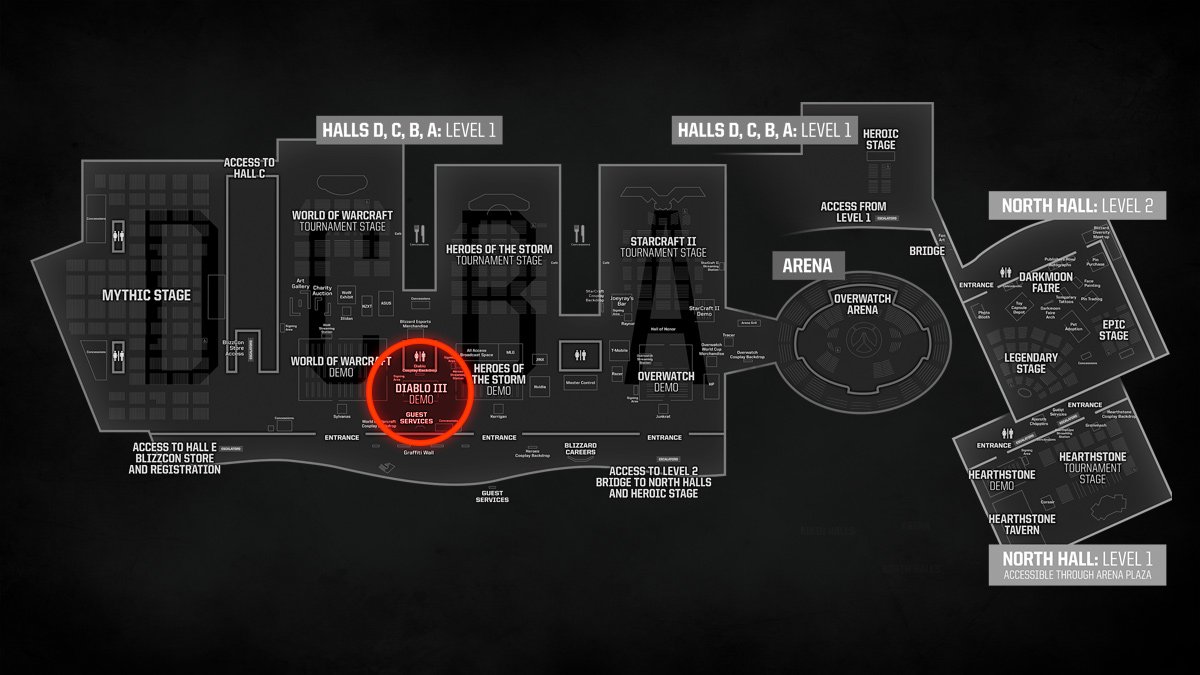
Heading to the con? You might have noticed we’re setting up a small demo area this year right at the front of the main floor! Swing by and try out our convention-exclusive Diablo III experience! Something strange stirs just inside the gates of New Tristram. . . . Choose your favorite nephalem hero and find out what lies in store in this unique, one-off adventure!
Via Virtual Ticket
Pick up a Virtual Ticket and get a front-row seat to our exclusive Diablo content, including our two live Diablo panels! All viewers will additionally have access to a couple of unique BlizzCon pre-show videos, including our 2017 Year in Review and Necromancer cosplay content.

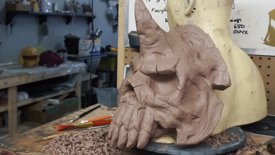
This year, we’ll be diving into the specifics behind the VFX of the Necromancer live on stage! Join our developers on the Heroic stage on Friday, November 3 at 2:45 p.m. PT to learn more about the dark magic of visual effects needed to bring the necromancer, mastery of the dead, and curses to un-life and even see some of the techniques we use in action.
On Saturday, November 4 at 2:45 P.M., join Community Manager Brandy Camel as she chats with a few of your favorite community members—C.J. ‘Rhykker’ Miozzi, Lynxaria, Stephen ‘Leviathan’ Stewart, and Anthony ‘BigDaddyDen’ Evans—about their experiences in Sanctuary, as well as what it’s like to create content for the Diablo III community.Â
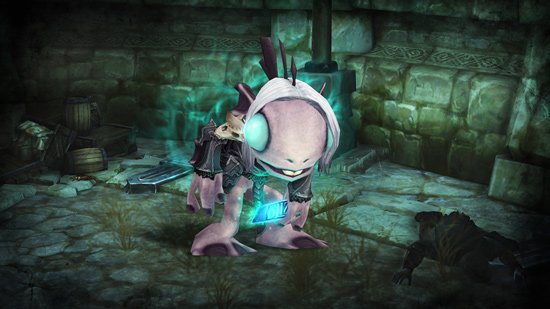
Don’t forget about the Murkromancer! This necrotic and aquatic fellow will excitedly follow you through your adventures in Sanctuary, gathering your gold and mrrglglgrling all the way!
BlizzCon is a celebration of our players as well as our games. We wouldn’t be where we are without you, our community, and we hope you’ll celebrate another great year with us. The future has a lot to hold for the world of Sanctuary, but in the meantime, drop by and hang out with us at BlizzCon!
Blizzard Quote [source]
Last updated October 12 @ 3:20 p.m. PDT.
Below you'll find the preliminary PTR patch notes for patch 2.6.1. Please note that this isn't the final version of the patch notes and that some changes may not be documented or described in full detail.
PTR PATCH 2.6.1 - v2.6.1.47710
To provide feedback on patch 2.6.1, please visit the PTR Feedback forum.
To report any issues you experience while playing, please visit the PTR Bug Report forum.
Please note that support for Vista / Windows XP will be ending at some point during the PTR. For more info, please see our forum post.
In order to test Necromancer changes, you will need to have purchased the Necromancer in the live game. The ability to purchase the class on the PTR has been disabled.
Table of Contents:
CLASSES
- Barbarian Skills
- Battle Rage
- Bloodshed
- Has been redesigned:
- Deal damage equal to 20% of your recent Critical Hits to enemies within 20 yards every 1 second.
- Note: Bloodshed caused performance issues when encountering high enemy density, particularly when combined with Whirlwind, Pain Enhancer, and Gem of Efficacious Toxin.
- Bloodshed
- Ground Stomp
- Jarring Slam
- Added a maximum threshold on the number of health globes that can spawn in a given time.
- Jarring Slam
- Battle Rage
- Crusader Skills
- Blessed Hammer
- Limitless
- Has been redesigned:
- Increase the damage of Blessed Hammer to 640% weapon damage as Holy and increase its area of effect by 20 yards.
- Note: The extra projectiles created by this rune were causing performance issues in cases with high enemy density.
- Limitless
- Blessed Hammer
- Monk Skills
- Tempest Rush
- Flurry
- Reduced the maximum number of stacks from 500 to 100
- Flurry
- Tempest Rush
- Necromancer Skills
- Command Skeletons
- Commanding your Skeletal Warriors will break crowd control effects on them
- Skeletal Warriors will no longer die after taking too many hits
- Design Philosophy: When we were first designing Command Skeletons, we wanted to capture the feeling of being an undead commander by having skeletons regularly spawn around the Necromancer and charge into battle during combat. It created a cool visual, but as the class evolved through Set bonuses and Legendary powers, it became clear that this visual began to hinder gameplay for some builds. Skeletal Warriors now have the same defenses as all other pets in the game.
- Devour
- Voracious
- Resource cost reduction stacks granted from this rune will now stack and are no longer overridden from multiple casts.
- Voracious
- Simulacrum
- Added a glow to the skill icon to indicate when Simulacrum is active.
- Skeletal Mage
- This skill will now display the duration of the oldest mage raised as a buff in addition to the total number of mages active
- Design Philosophy: This change is largely to provide transparency to players on the duration of their mage armor. This will be especially useful to players using the Bones of Rathma set. It’s our goal that players will no longer feel compelled to refresh their Skeletal Mage counter when they’re already at max.
- Bone Armor
- Essence cost removed
- Can now be cast while moving
- Army of the Dead
- Frozen Army
- The pulsing damage from this rune has been spread out
- Design Philosophy: This was done to ensure enemies within range are evenly hit and to better align with the visual. This will result in more targets being hit more consistently for the stated weapon damage amount.
- Frozen Army
- Command Skeletons
- Necromancer Passives
- Fueled By Death
- The movement speed bonus from this passive can now exceed the 25% cap
- Life from Death
- Added a maximum threshold on the number of health globes that can spawn in a given time.
- Fueled By Death
- Witch Doctor Skills
- Soul Harvest
- Adding a stack or refreshing Soul Harvest now refreshes all stacks of Soul Harvest.
- Soul Harvest
- Witch Doctor Passives
- Creeping Death
- Increased the duration of Haunt, Locust Swarm, and the damage amplification of Piranhas when this passive is active from 3600 to
144001680019800 seconds - Note: There is currently a bug preventing this passive from affecting Piranhas; this will be fixed in an upcoming PTR patch
- Increased the duration of Haunt, Locust Swarm, and the damage amplification of Piranhas when this passive is active from 3600 to
- Creeping Death
- Wizard Skills
- Arcane Orb
- Frozen Orb
- Create an orb of frozen death that shreds an area with ice bolts, dealing
393%950% weapon damage as Cold - Increased projectile travel distance from 30 to
4540
- Create an orb of frozen death that shreds an area with ice bolts, dealing
- Frozen Orb
- Arcane Orb
- Bug Fixes
- Fixed an issue which prevented Army of the Dead from sometimes triggering when the player is immediately afflicted by a monster’s crowd control after casting it
- Fixed an issue where enemy monsters could heal themselves when striking another monster afflicted by Leech
- Fixed a bug which caused Skeletal Mages to sometimes spawn up in the air
- Fixed an issue where the firewall left behind by Arcane Orb – Scorch was not dealing damage
- Fixed an issue which caused Skeletal Mages to lose their target when players used Command Skeletons to attack the same target
- Fixed an issue which caused connection issues when players used a channeling skill while attempting to force move at the same time
- Fixed an issue where your pets would double dip from the damage bonus granted by Wolf Companion
- (PTR Only) Fixed an issue with Battle Rage - Bloodshed where the damage from critical hits was not being scaled by the proc coefficient of the power doing damage
- Fixed an issue where the advanced tooltip for Bone Armor - Dislocation did not correctly state the rune did Poison damage
- Fixed an issue where Furious Charge would inherit the elemental damage type on your weapon when Vile Ward was equipped, as opposed to the damage type of the rune you chose
- Fixed an issue where Bone Armor: Dislocation did not apply the movement and attack speed reduction provided by Rigor Mortis
- Fixed an issue where Monk players could reset the Blood is Power cooldown for Necromancers allowing them to gain more cool down reduction than intended
- Fixed an issue where Creeping Death was not correctly affecting the duration of the Piranha’s damage debuff
- Fixed an issue where the tooltip for Spike Trap - Impaling Spines did not display its correct damage type
- Fixed an issue where the tooltip for Bone Armor - Harvest of Anguish did not display its correct damage type
ITEMS
- General
- Many Legendary and Set items have had their drop chance increased
- Legendary Items
- Barbarian
- Band of Might
- After casting Furious Charge, Ground Stomp, or Leap, take
50–60%60-80% reduced damage for 8 seconds
- After casting Furious Charge, Ground Stomp, or Leap, take
- Bracers of Destruction
- Seismic Slam deals
300–400%400-500% increased damage to the first 5 enemies it hits.
- Seismic Slam deals
- Bracers of the First Men
- Hammer of the Ancients attacks 50% faster and deals
150–200%300-400%400-500% increased damage
- Hammer of the Ancients attacks 50% faster and deals
- Fury of the Vanished Peak
- No longer rolls Legendary-strength bonus to Seismic Slam damage as an inherent affix. Can still roll 10-15% as a random affix.
- Reduces the Fury cost of Seismic Slam by
40-50% and increases its damage by 400-500%. - Note: Existing versions of this item will also be changed to include the damage roll in the orange text, but will always roll a damage roll equal to the previous maximum possible.
- Gavel of Judgement
- No longer rolls Legendary-strength bonus to Hammer of the Ancients damage as an inherent affix. Can still roll 10-15% as a random affix.
Hammer of the Ancients returns 20–25 Fury if it hits 3 or fewer enemies.The damage of Hammer of the Ancients is increased by400-500%600-800% and it returns 25 Fury if it hits 3 or fewer enemies- Note: Existing versions of this item will also be changed to include the damage roll in the orange text, but will always roll a damage roll equal to the previous maximum possible.
Note: The Legendary power on this item is currently not functioning; this will be fixed in an upcoming patch
- Girdle of Giants
- Seismic Slam increases Earthquake damage by
80–100%200-250% for 3 seconds.
- Seismic Slam increases Earthquake damage by
- Skull Grasp
- Increase the damage of Whirlwind by
250–300%400-500%300-400%
- Increase the damage of Whirlwind by
- Standoff
- Furious Charge deals increased damage equal to
200–250%400-500% of your bonus movement speed.
- Furious Charge deals increased damage equal to
- Band of Might
- Crusader
- Blade of Prophecy
- No longer rolls a bonus to Condemn damage as an inherent affix.
- Two Condemned enemies also trigger Condemn's explosion and the damage of Condemn is increased by
350-450%600-800%. - Note: Existing versions of this item will also be changed to include the damage roll in the orange text, but will always roll a damage roll equal to the previous maximum possible.
- Bracer of Fury
- Heaven's Fury deals
150–200%300-400% increased damage to enemies that are Blinded, Immobilized, or Stunned.
- Heaven's Fury deals
- Denial
- Each enemy hit by your Sweep Attack increases the damage of your next Sweep Attack by
30–40%100-125%, stacking up to 5 times.
- Each enemy hit by your Sweep Attack increases the damage of your next Sweep Attack by
- Faithful Memory
- Each enemy hit by Falling Sword increases the damage of Blessed Hammer by
50-60%60-80% for 10 seconds. Max 10 stacks.
- Each enemy hit by Falling Sword increases the damage of Blessed Hammer by
- Fate of the Fell
Gain two additional rays of Heaven’s Fury.- Heaven's Fury gains two additional rays and has its damage increased by
150-200%375-500%
- Frostburn
- No longer smart drops for Crusader.
- Frydehr’s Wrath
- No longer rolls Legendary-strength bonus to Condemn damage as an inherent affix. Can still roll 10-15% as a random affix.
- Condemn has no cooldown and has its damage increased by
450-600%600-800%, but instead costs 40 Wrath. - Note: Existing versions of this item will also be changed to include the damage roll in the orange text, but will always roll a damage roll equal to the previous maximum possible.
- Golden Flense
- No longer rolls Legendary-strength bonus to Sweep Attack damage as an inherent affix.
- Sweep Attack restores 6 Wrath for each enemy hit and has its damage increased by 225-300%
- Note: Existing versions of this item will also be changed to include the damage roll in the orange text, but will always roll a damage roll equal to the previous maximum possible.
- Gyrfalcon’s Foote
- Removes the resource cost of Blessed Shield and increases Blessed Shield damage by
400-500%275-350%.
- Removes the resource cost of Blessed Shield and increases Blessed Shield damage by
- Jekangbord
- No longer rolls Legendary-strength bonus to Blessed Shield damage as an inherent affix. Can still roll 10-15% as a random affix.
- Blessed Shield ricochets to 6 additional enemies and has its damage increased by
300-400%225-300%. - Note: Existing versions of this item will also be changed to include the damage roll in the orange text, but will always roll a damage roll equal to the previous maximum possible.
- Blade of Prophecy
- Demon Hunter
- Dead Man’s Legacy
- No longer rolls Legendary-strength bonus to Multishot damage as an inherent affix. Can still roll 10-15% as a random affix.
- Legendary power now also increases Multishot damage, now reads Multishot hits enemies below
50-60% health twice and its damage is increased by125-150%150-200%. - Note: Existing versions of this item will also be changed to include the damage roll in the orange text, but will always roll a damage roll equal to the previous maximum possible.
- Karlei’s Point
- The damage of Impale is increased by
60-80%225-300%300-375% andImpaleit returns10–15 Hatred if it hits an enemy already Impaled.
- The damage of Impale is increased by
- Lord Greenstone’s Fan
- Every second, gain
160–200%300-400% increased damage for your next Fan of Knives. Stacks up to 30 times.
- Every second, gain
- Manticore
- No longer rolls Legendary-strength bonus to Multishot damage as an inherent affix. Can still roll 10-15% as a random affix.
- Reduces the Hatred cost of Cluster Arrow by
40-50% and increases its damage by 250-300%. - Note: Existing versions of this item will also be changed to include the damage roll in the orange text, but will always roll a damage roll equal to the previous maximum possible.
- Yang’s Recurve
- Multishot attacks 50% faster and its damage is increased by
125-150%150-200%.
- Multishot attacks 50% faster and its damage is increased by
- Wraps of Clarity
- Your Hatred Generators reduce your damage taken by
30–35%40-50% for 5 seconds.
- Your Hatred Generators reduce your damage taken by
- Dead Man’s Legacy
- Monk
- Binding of the Lost
- Each hit with Seven-Sided Strike grants
3.0–3.5%4-5% damage reduction for 7 seconds.
- Each hit with Seven-Sided Strike grants
- Balance
- No longer rolls Legendary-strength bonus to Tempest Rush damage as an inherent affix. Can still roll 10-15% as a random affix.
- The damage of Tempest Rush is increased by 450-600% and when your Tempest Rush hits 3 or fewer enemies, it gains 100% Critical Hit Chance..
- Note: Existing versions of this item will also be changed to include the damage roll in the orange text, but will always roll a damage roll equal to the previous maximum possible.
- Cesar's Memento
- Enemies take
300–400%600-800% increased damage from your Tempest Rush for 5 seconds after you hit them with a Blind, Freeze, or Stun
- Enemies take
- The Fist of Az’Turrasq
- Exploding Palm's on-death explosion damage is increased by
250–300%400-500%.
- Exploding Palm's on-death explosion damage is increased by
- Incense Torch of the Grand Temple
- No longer rolls Legendary-strength bonus to Wave of Light damage as an inherent affix. Can still roll 10-15% as a random affix.
- Reduces the Spirit cost of Wave of Light by
40–50% and increases its damage by 450-500%. - Note: Existing versions of this item will also be changed to include the damage roll in the orange text, but will always roll a damage roll equal to the previous maximum possible.
- Scarbringer
- The damage of Lashing Tail Kick is increased by
300%450-600% to the first 7 enemies hit
- The damage of Lashing Tail Kick is increased by
- Spirit Guards
- Your Spirit Generators reduce your damage taken by
30–40%45-60% for 3 seconds.
- Your Spirit Generators reduce your damage taken by
- Binding of the Lost
- Necromancer
- Bloodsong Mail
- While in the Land of the Dead, Command Skeletons
gains the effect of all runes anddeals 100–125% additional damage and gains the effect of the Enforcer, Frenzy, Dark Mending and Freezing Grasp runes.
- While in the Land of the Dead, Command Skeletons
- Bloodtide Blade
- Death Nova deals
20–30%80-100% increased damage for every enemy within1525 yards..
- Death Nova deals
- Dayntee’s Binding
- You gain an additional 40–50% damage reduction when there is an enemy afflicted by
your Decrepifyany of your curses.
- You gain an additional 40–50% damage reduction when there is an enemy afflicted by
- Defiler Cuisses
- Your Bone Spirit's damage is increased by
75–100%400-500% for every second it is active.
- Your Bone Spirit's damage is increased by
- Fate’s Vow
- Army of the Dead now deals an additional 200-250% damage and gains the effect of the Unconventional Warfare rune.
- Golemskin Breeches
Your Golem's damage is increased by 100–125% andYou take 30% less damage whileityour Golem is alive and the cooldown on Command Golem is reduced by 20-25 seconds.
- Leger’s Disdain
- Grim Scythe deals an additional
7–10%65-80% damage for each point of essence it restores.
- Grim Scythe deals an additional
- Lost Time
- Your cold skills reduce the movement speed of enemies by 30%. In addition, your movement speed is increased by
4–5%8-10% for 5 seconds. Maximum 5 stacks.
- Your cold skills reduce the movement speed of enemies by 30%. In addition, your movement speed is increased by
- Maltorius’ Petrified Spike
- Bone Spear now costs 40 Essence and deals
375–450%550-700% increased damage.
- Bone Spear now costs 40 Essence and deals
- Mask of Scarlet Death
- When paired with the Revive: Purgatory rune, the mega-revived monster will drop the same number of corpses were used to create it on death.
- This item will now attempt to give preference to the strongest monster to become the mega-revive when selecting a group of corpses.
- Nayr’s Black Death
- Each different poison skill you use increases the damage of your poison skills by
50–65%75-100% for 15 seconds.
- Each different poison skill you use increases the damage of your poison skills by
- Scythe of the Cycle
- Your Secondary skills deal
250–300%350-400% additional damage while Bone Armor is active but reduce the remaining duration of Bone Armor by 4 seconds.
- Your Secondary skills deal
- Steuart’s Greaves
- You gain
40–50%75-100% increased movement speed for210 seconds after using Blood Rush.
- You gain
- The Johnstone
Each corpse consumed in the Land of the Dead gGrants a 50 stacks of Macabre Knowledge when Land of the Dead expires. Macabre Knowledge increases the damage of Corpse Lance and Corpse Explosion by 150–200%while outside Land of the Dead.
- Bloodsong Mail
- Witch Doctor
- Bakuli Jungle Wraps
- Firebats deals
150–200%250-300% increased damage to enemies affected by Locust Swarm or Piranhas.
- Firebats deals
- Mask of Jeram
- Pets deal
75–100%150-200% increased damage.
- Pets deal
- Staff of Chiroptera
- No longer rolls Legendary-strength bonus to Firebats damage as an inherent affix. Can still roll 10-15% as a random affix.
- Firebats attacks 100% faster, and costs
70-75% less Mana, and has its damage increased by150-200%125-150%. - Note: Existing versions of this item will also be changed to include the damage roll in the orange text, but will always roll a damage roll equal to the previous maximum possible.
- The Short Man’s Finger
- Gargantuan instead summons three smaller gargantuans
each more powerful than beforethat have their damage increased by 500-650%. - Note: Existing versions of this item will also be changed to include the damage roll in the orange text, but will always roll a damage roll equal to the previous maximum possible.
Note: There is currently a bug which causes the new and old versions of the ring to not work when both are equipped; this will be fixed in an upcoming PTR patch
- Gargantuan instead summons three smaller gargantuans
- Bakuli Jungle Wraps
- Wizard
- Deathwish
- While channeling Arcane Torrent, Disintegrate, or Ray of Frost, all damage is increased by
30–35%250-325%.
- While channeling Arcane Torrent, Disintegrate, or Ray of Frost, all damage is increased by
- Etched Sigil
Your Arcane Torrent, Disintegrate, and Ray of Frost also cast one of your other damaging Arcane Power Spenders which deal 125-150% increased damage every second.- While channeling Arcane Torrent, Disintegrate, or Ray of Frost, the damage of your Arcane Power Spenders is increased by 125-150% and you also cast one of your other damaging Arcane Power Spenders every second.
- Halo of Karini
- You take
45–60%60-80% less damage for345 seconds after your Storm Armor electrocutes an enemy more than3015 yards away
- You take
- Nilfur's Boast
- Increase the damage of Meteor by
200%600%. When your Meteor hits 3 or fewer enemies, the damage is increased by275–350%675-900%
- Increase the damage of Meteor by
- Orb of Infinite Depth
- Each time you hit an enemy with Explosive Blast your damage is increased by
4%8-10% and your damage reduction is increased by15%20% for 6 seconds. This effect can stack up to 4 times.
- Each time you hit an enemy with Explosive Blast your damage is increased by
- Ranslor’s Folly
- Energy Twister does 225-300% more damage and periodically pulls in lesser enemies within 30 yards.
- The Grand Vizier
- No longer rolls Legendary-strength bonus to Meteor damage as an inherent affix.
- Reduces the Arcane Power cost of Meteor by 50% and increases its damage by
30%375-500%300-400% - Note: Existing versions of this item will also be changed to include the damage roll in the orange text, but will always roll a damage roll equal to the previous maximum possible.
- Triumvirate
- Your Signature Spells increase the damage of Arcane Orb by
150–200%300-400% for 6 seconds, stacking up to 3 times.
- Your Signature Spells increase the damage of Arcane Orb by
- Unstable Scepter
- No longer rolls Legendary-strength bonus to Arcane Orb damage as an inherent affix.
- The damage of Arcane Orb
’sis increased by 350-450% and its explosion triggers an additional time.. - Note: Existing versions of this item will also be changed to include the damage roll in the orange text, but will always roll a damage roll equal to the previous maximum possible.
- Wand of Woh
- No longer rolls Legendary-strength bonus to Explosive Blast damage as an inherent affix.
- The damage of Explosive Blast is increased by 300-400% and 3 additional blasts are triggered after casting Explosive Blast.
- Note: Existing versions of this item will also be changed to include the damage roll in the orange text, but will always roll a damage roll equal to the previous maximum possible.
- Deathwish
- Set Items
- Barbarian
- Immortal King’s Call
- (6) Set
- While both Wrath of the Berserker and Call of the Ancients is active, you deal
400%750%1500% increased damage.
- While both Wrath of the Berserker and Call of the Ancients is active, you deal
- (6) Set
- Might of the Earth
- (6) Set
- Increase the damage of Earthquake, Avalanche, Leap, Ground Stomp, Ancient Spear and Seismic Slam by
1200%3000%5600%.
- Increase the damage of Earthquake, Avalanche, Leap, Ground Stomp, Ancient Spear and Seismic Slam by
- (6) Set
- The Legacy of Raekor
- (4) Set
- Furious Charge gains the effect of every rune and deals
300%500%1000% increased damage.
- Furious Charge gains the effect of every rune and deals
- (6) Set
- Every use of Furious Charge increases the damage of your next Fury-spending attack by
750%1500%2800%. This effect stacks. Every use of a Fury-spending attack consumes up to 5 stacks.
- Every use of Furious Charge increases the damage of your next Fury-spending attack by
- (4) Set
- Wrath of the Wastes
- (4) Set
- During Whirlwind and for 3 seconds after, you gain 50% damage reduction and your applied Rends deal triple damage.
- (6) Set
- Whirlwind gains the effect of the Dust Devils rune and all Whirlwind damage is increased by
800%1700%3400%3000%.
- Whirlwind gains the effect of the Dust Devils rune and all Whirlwind damage is increased by
- (4) Set
- Bul-Kathos' Oath
- (2) Set
- Increases Fury Generation by
1015 - During Whirlwind you gain
30%45% increased attack speed and movement speed
- Increases Fury Generation by
- (2) Set
- Immortal King’s Call
- Crusader
- Armor of Akkhan
- (6) Set
- While Akarat's Champion is active, you deal
600%900%1000%1300%1500% increased damage and take15%20%50% less damage.
- While Akarat's Champion is active, you deal
- (6) Set
- Roland's Legacymonke
- (4) Set
- Increase the damage of Shield Bash and Sweep Attack by
2500%3300%.
- Increase the damage of Shield Bash and Sweep Attack by
- (4) Set
- Seeker of the Light
- (6) Set
- Increase the damage of Blessed Hammer by
1250%1500%2000% and Falling Sword by500%1000%.
- Increase the damage of Blessed Hammer by
- (6) Set
- Thorns of the Invoker
- (2) Set
- Your Thorns damage now hits all enemies in a 15 yard radius around you. Each time you hit an enemy with Punish, Slash, or block an attack your Thorns is increased by
35%115%70%140% for 2 seconds.Note: There is currently an issue which causes the actual Thorns increase to be 35% instead of 70%; this will be fixed in an upcoming PTR patch
- Your Thorns damage now hits all enemies in a 15 yard radius around you. Each time you hit an enemy with Punish, Slash, or block an attack your Thorns is increased by
- (6) Set
- The attack speed of Punish and Slash are increased by 50% and deal
800%1600%2700%5400% of your Thorns damage to the first enemy hit.
- The attack speed of Punish and Slash are increased by 50% and deal
- (2) Set
- Armor of Akkhan
- Demon Hunter
- Embodiment of the Marauder
- (4) Set
- Sentries deal
400%100%400% increased damage and cast Elemental Arrow, Chakram, Impale, Multishot, and Cluster Arrow when you do
- Sentries deal
- (6) Set
- Your primary skills, Elemental Arrow, Chakram, Impale, Multishot, Cluster Arrow, Companions, and Vengeance deal
1200%2100%2400%2500%3000% increased damage for every active Sentry
- Your primary skills, Elemental Arrow, Chakram, Impale, Multishot, Cluster Arrow, Companions, and Vengeance deal
- (4) Set
- Natalya’s Vengeance
- (6) Set
- After casting Rain of Vengeance, deal
500%750%2500%3500% increased damage and take 60% reduced damage for 10 seconds
- After casting Rain of Vengeance, deal
- (6) Set
- The Shadow's Mantle
- (6) Set
- Impale deals an additional
40000%50000% weapon damage to the first enemy hit.
- Impale deals an additional
- (6) Set
- Unhallowed Essence
- (6) Set
- Your generators, Multishot, and Vengeance deal
40%70%100% increased damage for every point of Discipline you have.
- Your generators, Multishot, and Vengeance deal
- (6) Set
- Embodiment of the Marauder
- Monk
- Inna’s Mantra
- (6) Set
- Gain the five runed Mystic Allies at all times and your damage is increased by
125%150% for each Mystic Ally you have out.
- Gain the five runed Mystic Allies at all times and your damage is increased by
- (6) Set
- Monkey King’s Garb
- (6) Set
- Has been redesigned.
- Lashing Tail Kick, Tempest Rush, and Wave of Light have their damage increased by
600%1000% for each stack of Sweeping Wind you have.
- (6) Set
- Raiment of a Thousand Storms
- (6) Set
- Your Spirit Generators increase the weapon damage of Dashing Strike to
12500%13000% for 6 seconds and Dashing Strike increases the damage of your Spirit Generators by1250%1300% for 6 seconds.
- Your Spirit Generators increase the weapon damage of Dashing Strike to
- (6) Set
- Uliana’s Stratagem
- (4) Set
- Your Seven-Sided Strike deals
double777% its total damage with each hit.
- Your Seven-Sided Strike deals
- (6) Set
- Increase the damage of your Exploding Palm by
250%1800%2100% and your Seven-Sided Strike detonates your Exploding Palm
- Increase the damage of your Exploding Palm by
- (4) Set
- Shenlong's Spirit
- The damage of your Spirit Generators is increased by
1.5%2% for each point of Spirit you have - When reaching maximum Spirit, all damage is increased by
150%200%, but you no longer passively regenerate Spirit and 65 Spirit is drained every second until you run out of Spirit
- The damage of your Spirit Generators is increased by
- Inna’s Mantra
- Necromancer
- Bones of Rathma
- (6) Set
- Each active Skeletal Mage increases the damage of your minions and Army of the Dead by
625%1000%.
- Each active Skeletal Mage increases the damage of your minions and Army of the Dead by
- (6) Set
- Grace of Inarius
- (6) Set
- Bone Armor also activates a swirling tornado of bone, damaging nearby enemies for
750%1000% weapon damage and increasing the damage they take from the Necromancer by2750%3750%.
- Bone Armor also activates a swirling tornado of bone, damaging nearby enemies for
- (6) Set
- Pestilence Master’s Shroud
- (4) Set
- Each enemy you hit with Bone Spear, Corpse Lance or Corpse Explosion reduces your damage taken by 2%, up to a maximum of 50%. Lasts 15 seconds.
- (6) Set
- Each corpse you consume grants you an Empowered Bone Spear charge that increases the damage of your next Bone Spear by
3000%4000%3300%. In addition, Corpse Lance and Corpse Explosion damage is increased by1500%2000%1650%.
- Each corpse you consume grants you an Empowered Bone Spear charge that increases the damage of your next Bone Spear by
- (4) Set
- Trag’Oul’s Avatar
- (6) Set
- Your Life-spending abilities deal 3300% increased damage
but cost twice as much Life. Your healing from skills is increased by 100%.
- Your Life-spending abilities deal 3300% increased damage
- (6) Set
- Bones of Rathma
- Witch Doctor
- Helltooth Harness
- (2) Set
- Enemies hit by your primary skills, Acid Cloud, Firebats, Zombie Charger, Zombie Dogs, Gargantuan, Grasp of the Dead, Piranhas, or Wall of Death are afflicted by Necrosis, becoming Slowed, taking 1500% weapon damage every second
, and taking 20% increased damage from your attacks for 10 seconds.
- Enemies hit by your primary skills, Acid Cloud, Firebats, Zombie Charger, Zombie Dogs, Gargantuan, Grasp of the Dead, Piranhas, or Wall of Death are afflicted by Necrosis, becoming Slowed, taking 1500% weapon damage every second
- (6) Set
- After casting Wall of Death, gain
1400%1700%5100%3700%4400% increased damage for 15 seconds to your primary skills, Acid Cloud, Firebats, Zombie Charger, Zombie Dogs, Gargantuan, Grasp of the Dead, Piranhas, and Wall of Death. Note: This set bonus is being temporarily disabled to fix an issue with the set. It will be re-enabled in a later PTR patch.
- After casting Wall of Death, gain
- Note: The damage bonus for you against enemies affected with Necrosis causes performance issues when encountering high density. This change is not intended to be a nerf and, when coupled with the six-piece change, should be a net buff for the complete set. This change should not change the gameplay style of this set.
- (2) Set
- Raiment of the Jade Harvester
- (2) Set
- When Haunt lands on an enemy already affected by Haunt, it instantly deals
120480560 seconds worth of Haunt damage.
- When Haunt lands on an enemy already affected by Haunt, it instantly deals
- (6) Set
- Soul Harvest reduces damage taken by 50% for 12 seconds and consumes your damage over time effects on enemies, instantly dealing
300120014001650 seconds worth of remaining damage.
- Soul Harvest reduces damage taken by 50% for 12 seconds and consumes your damage over time effects on enemies, instantly dealing
- (2) Set
- Spirit of Arachyr
- (6) Set
- The damage of your creature skills is increased by
2400%4500%3900%4500%. Creature skills are Corpse Spiders, Plague of Toads, Firebats, Locust Swarm, Hex, and Piranhas.
- The damage of your creature skills is increased by
- (6) Set
- Zunimassa's Haunt
- (6) Set
- Enemies hit by your Mana spenders take
2500%5500% increased damage from your pets for 8 seconds.
- Enemies hit by your Mana spenders take
- (6) Set
- Helltooth Harness
- Wizard
- Delsere’s Magnum Opus
- (6) Set
- Enemies affected by your Slow Time and for 5 seconds after exiting take
3500%4100%3800% increased damage from your Arcane Orb, Energy Twister, Explosive Blast, Magic Missile, Shock Pulse, Spectral Blade, and Wave of Force abilities.
- Enemies affected by your Slow Time and for 5 seconds after exiting take
- (6) Set
- Firebird’s Finery
- (6) Set
- Your damage is increased by
120%200%150%250%200% and damage taken reduced by 3% for each enemy that is Ignited. This effect can stack up to 20 times. You always receive the maximum bonus whenever a nearby Elite monster is Ignited.
- Your damage is increased by
- (6) Set
- Vyr’s Amazing Arcana
- (6) Set
Increased number of Archon stacks gained when hitting with an Archon ability from 1 to 2- You also gain Archon stacks when you hit with an Archon ability. Archon stacks now also reduce damage taken by 0.15% and have their damage bonus increased to
18%25%50%
- (6) Set
- Chantodo's Resolve
- (2) Set
- Every second while in Archon form you expel a Wave of Destruction, dealing
350%600%1000% weapon damage to enemies within 30 yards - Every time you hit with an attack while not in Archon form,
350%600% weapon damage is added to the Wave of Destruction, stacking up to 20 times
- Every second while in Archon form you expel a Wave of Destruction, dealing
- (2) Set
- Delsere’s Magnum Opus
- Barbarian
- Other Items
- Shields acquired by Necromancer players can now properly roll the +Max Essence affix
- Bug Fixes
- Fixed an issue where Mimics created from Rabid Strike were not correctly inheriting the player’s bonus damage from Lashing Tail Kick, Seven Sided Strike, Cyclone Strike, Exploding Palm and Wave of Light.
- Fixed an issue where after dying, the pet damage bonus granted from Jesseth Arms could sometimes be lost if skeletons are re-commanded onto the same target.
- Fixed an issue preventing the free Blood Nova granted by the Iron Rose from correctly granting the damage bonus from the Trag’Oul’s six-piece bonus.
- Fixed an issue causing certain items to drop for the Necromancer which are not able to be equipped by the class.
- Fixed an issue preventing Necromancer primary skills from taunting enemies when Boyarsky’s Chip is equipped.
- Fixed an issue which prevented the +% Thorns damage bonus granted by Aberrant Animator from applying correctly to items such as the Spear of Jairo
- Fixed an issue where you would not gain the buff from Crystal Fist when you had the buff from Channeling Pylon and Raiment of a Thousand Storms equipped
- (PTR Only) Fixed an issue with Etched Sigil where the internal cooldown for casting another spender was scaling with the item’s damage roll
- (PTR Only) Fixed an issue where minions summoned by the Demon Hunter's Companion skill would double dip on damage from the (6) Set bonus on Embodiment of the Marauder
- (PTR Only) Fixed an issue where Gargantuan would double dip on damage from the (6) Set bonus on Helltooth Harness
- (PTR Only) Fixed an issue where Hydra would double dip on damage from the (6) Set bonus of Tal Rasha's Elements
- Fixed an issue with the (2) Set power of Vyr's Amazing Arcana where your Arcane Blast and Arcane Strike would not Freeze enemies unless you had the Slow Time rune chosen
- (PTR Only) Fixed an issue where equipping certain Legendary items to a follower would cause performance issues
- (PTR Only) Fixed an issue which caused the change to Dayntee's Binding to incorrectly affect existing versions of the item
- Fixed an issue where the Wave of Destruction was doing slightly less damage than intended
- (PTR Only) Fixed an issue where the Legendary power on Gavel of Judgement was not being applied when the item was equipped
- (PTR Only) Fixed an issue where the equipping the new version and then the old version of The Short Man's Finger would result in no Legendary power from either being applied
- (PTR Only) Fixed an issue where the legacy version of the Legendary power on Dayntee's Binding did not upgrade to the new version of this item’s power in Kanai’s Cube
- (PTR Only) Fixed an issue where you could equip the legacy and new version of the Legendary power on Gavel of Judgement at the same time
- (PTR Only) Fixed an issue where every rune except for Shattering Throw was not benefitting from the increased damage from Akkhan’s Leniency
- (PTR Only) Fixed an issue where where Lashing Tail Kicks cast by mimics spawned by Rabid Strike were not having their damage increased by Scarbringer
- (PTR Only) Fixed an issue where the new version of Fate's Vow was not displaying the correct visuals per rune selected with Army of the Dead
- (PTR Only) Fixed an issue where Fate's Vow was not providing the maximum bonus to Army of the Dead when used in Kanai’s Cube
- (PTR Only) Fixed an issue where it was possible to reach zero HP and live when using Haunting Visions and Simulacrum
- (PTR Only) Fixed an issue where the damage over time effect left on the ground by Meteor was not being increased by the legacy version of Nilfur’s Boast.
- Barbarian
ADVENTURE MODE
- Rifts
- Reduced the number of deadends when Rifts choose the Temple of the Firstborn tileset
- Increased the amount of experience and Rift progress granted by the Hematic Disciple
- Increased the amount of experience and Rift progress granted by Blazing Guardians
- Increased the amount of experience and Rift progress granted by Smoldering Constructs
- Reduced the fog effect in the Shrouded Moors tilesets in Rifts
- The
Shrouded Moors tileset and thelarge Temple of the Firstborn tileset can no longer be selected for Greater Rifts - The amount of experience and Rift / Greater Rift progress that Shock Towers provide has been increased
- Shield Pylons no longer reflects damage back to attackers
- Note: Reflecting damage back to attackers caused performance issues when encountering high density.
CHALLENGE RIFTS
- Increased the amount of materials that the Challenge Rift Cache drops
- The Challenge Rift Cache now always drops 10 Death’s Breath
MONSTERS
- Bug Fixes
- Fixed a champion spawn rate issue for certain monsters required for the achievement ‘We Are the Champions’. The following monsters were adjusted and should spawn with the same frequency as other champion packs:
- Fallen Conjurer
- Fallen Peon
- Fallen Cur
- Fallen Grunt
- Fallen Overlord
- Fallen Slavelord
- Fixed a champion spawn rate issue for certain monsters required for the achievement ‘We Are the Champions’. The following monsters were adjusted and should spawn with the same frequency as other champion packs:
PTR ONLY
- D’jank Miem
- Players can exchange Blood Shards with this vendor for bags containing Legendary items
Blizzard Quote [source]
The latest patch for Diablo III is on its way! Read on to learn more about incoming class set updates, skill changes, and balance passes coming in Patch 2.6.1.
Class Set Revisions
Following the release of the Necromancer, the theme of this patch is (appropriately) balance. We’ve taken a top-down look across all class performance in Greater Rifts, and made several changes to bring as many gameplay styles as close in line to each other as possible. Targeting the most popular or requested builds, we started with Class sets, and you can expect buffs coming your way no matter which hero is your favorite.
While some sets, like Legacy of Raekor or Uliana’s Strategem, have simply received numerical tweaks in power, others have had minor functionality tweaks that make a big difference. For example, if you’re a big fan of spinning to win, you should revisit the Wrath of the Wastes set. In addition to getting a boost in damage, the damage reduction provided by the 4-piece set bonus now lasts an additional 3 seconds, making plenty of room to toss out a Rend without feeling too vulnerable.

The Necromancer isn’t left out either; if you enjoy the bloody gameplay of Trag’Oul’s Avatar, the double-life cost from the 6-piece set bonus has been removed. Hardcore players may now feel a bit more comfortable experimenting with this set, enabling oodles of gore-tastic gameplay. Â

Skill Changes
While most of the incoming changes are focused on items, there were some skills that needed tweaks to improve their overall performance. Skills are the stage upon which balance is built, so we identified a number of them that would benefit from more careful tuning and improved in-game performance .
For example, Crusaders with a hankering for hammers will find that the Blessed Hammer (Limitless) rune has been redesigned. The additional projectiles were causing performance issues in high density areas, so we’ve compensated by increasing both the rune’s base damage as well as its area of effect.

Other changes were more straightforward. We noticed, for example, that Arcane Orb (Frozen Orb) could not benefit from either the Power Hungry or Audacity passives due to its ideal explosion range. We’ve increased its range to 40 yards to make the intent of this skill’s synergies clearer.
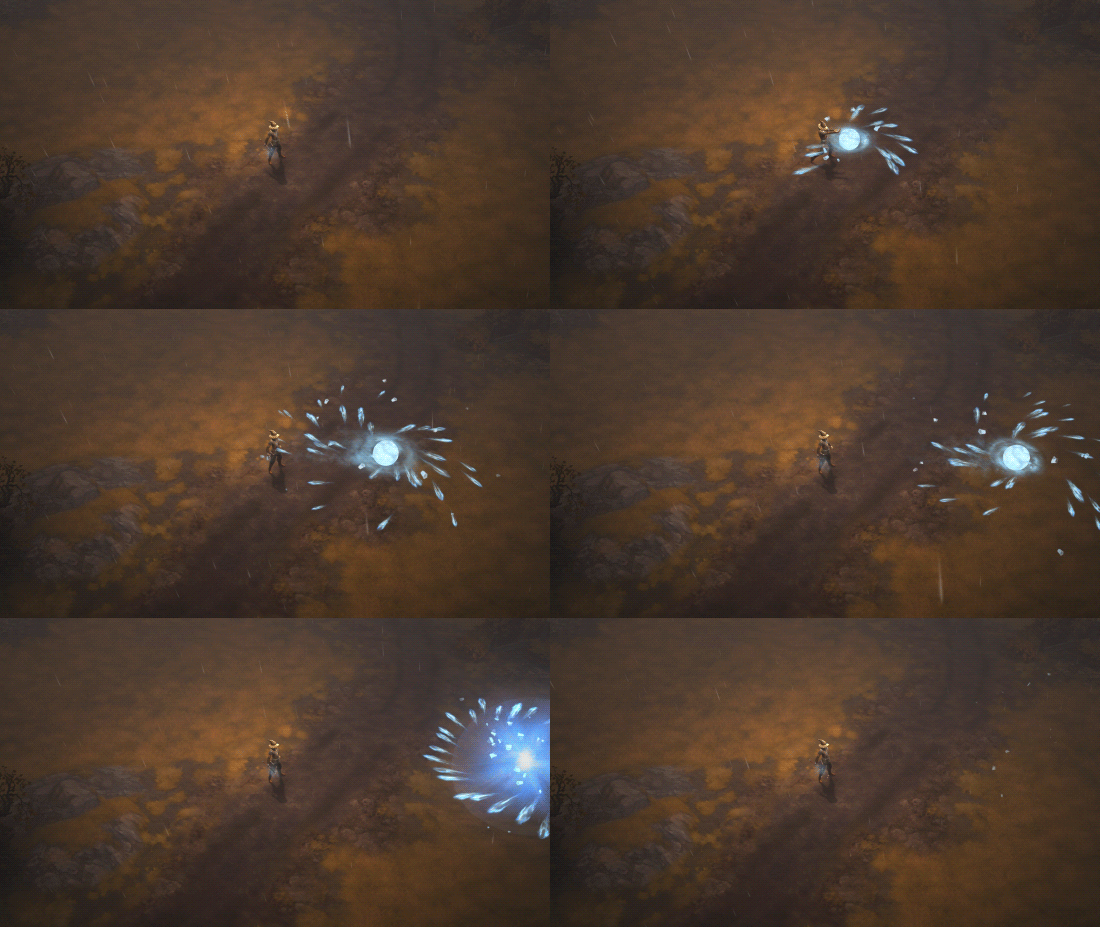
Item Revisions
Like the changes made to class set items, we’ve targeted many Legendary items to help with tuning. The large majority of these are number tweaks, but keep an eye out for a few exceptions with broader updates!
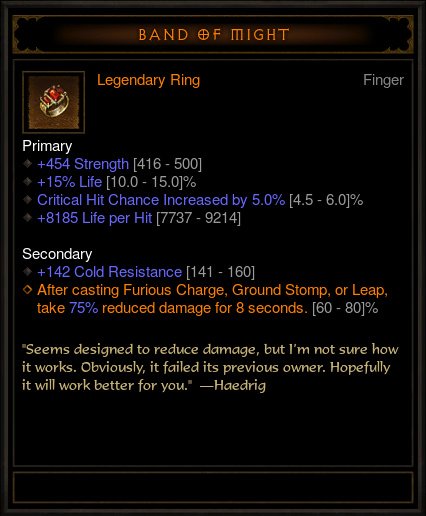
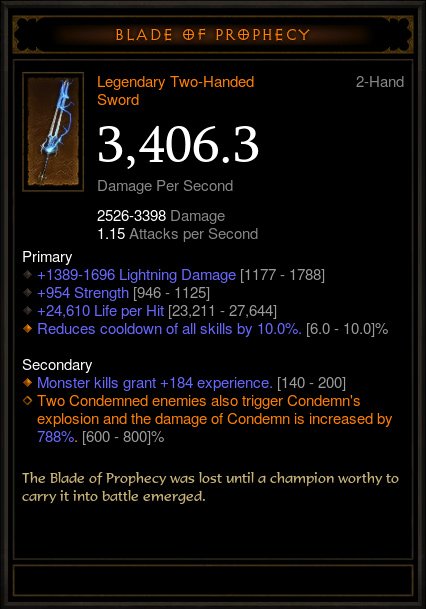
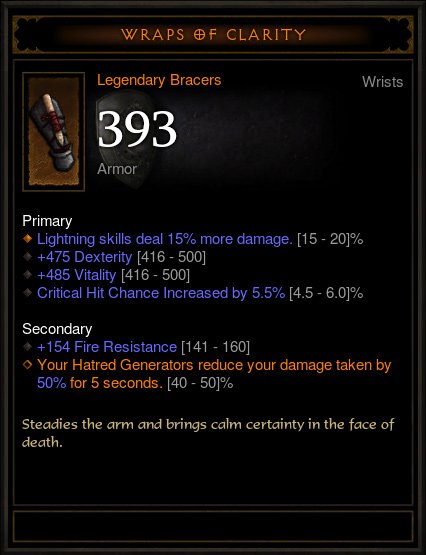

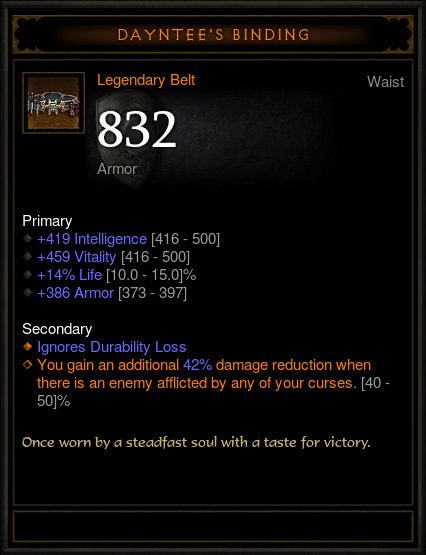
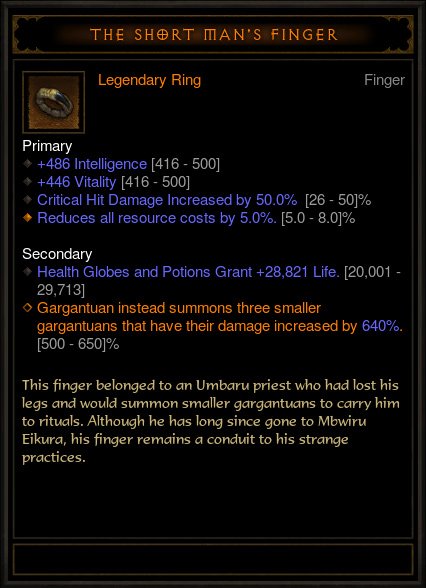
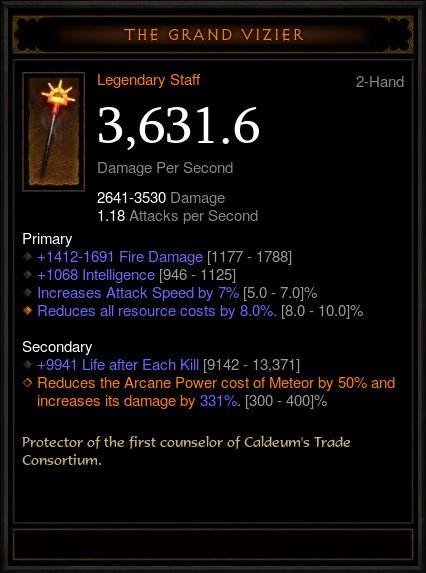
Patch 2.6.1 is well on its way and will make game play options more diverse than ever! What classic build are you looking forward to revisiting? Is there a play style you’ve always wanted to try that you plan on giving a whirl? Let us know in the comments below, or ask your questions about the upcoming patch. We’ll see you in Sanctuary!
Blizzard Quote [source]
Here we are again, nephalem. As we prepare to close out another Season in Diablo III, it's time to take a moment to remember what you have achieved and ensure that you're ready for the next.
If you haven't experienced the end of a Season, there's a lot to know about what happens to your gear, your progress, and your characters. Don't fret! We're here to give you a full overview of what to expect when the current Season ends and the next one begins.
Table of Contents:
The Season Rollover
If you've played through a Season before, you'll know that all the gold, gear, and Paragon levels you earned don't just disappear. But what exactly happens to all that hard-earned progress when a Season ends? The short answer is that you get to keep just about all of it.
Here's a list of all the rewards from this Season you can expect your non-Seasonal heroes to enjoy:
Heroes
- Seasonal heroes will be converted to either non-Seasonal Normal or Hardcore mode heroes, as appropriate. There's no need to delete any characters to make room for them; your Seasonal heroes will continue to use the same slot they currently occupy in your roster after the rollover. You’ll also be able to use Season Rebirth to convert any non-seasonal character into a Seasonal level 1 character once the next Season begins.
Gold
- Any gold you earn during the Season will transfer to your non-Seasonal heroes.
Paragon Experience
- The total amount of Paragon experience earned is the amount that rolls over, but not the raw total Paragon levels that you gained.
- For example, if your Seasonal heroes reached Paragon 300, and your current non-Seasonal heroes are already Paragon 400, your new non-Seasonal Paragon level will still be less than Paragon 700, since Paragon levels require more experience to earn the higher you go.
Blood Shards
- Similar to the way it works with gold, any Blood Shards you have available at the end of the Season will transfer to your non-Seasonal heroes.
- If your non-Seasonal heroes are currently at the Blood Shard cap, any Blood Shards you earn once the Season ends will temporarily ignore the cap. You can spend these at your leisure; however, you can’t pick up any additional Blood Shards until you are below the current cap.
Items
- Items that are currently equipped on a hero or in that hero's inventory will stay on that hero as it moves to a non-Seasonal game mode.
- Items that are in your Seasonal stash will be sent through the in-game mail system to your non-Seasonal heroes. These items can be claimed by any non-Seasonal hero up to 30 days from the time you first log in after the Season ends. To access these items on PC, enter a game and hit the Mail icon located in the lower left corner of your screen to open your inbox. Console players can do the same by visiting the mailbox found in any town hub.
- If you’ve unlocked Primal Ancient items by completing Greater Rift 70 on a Seasonal hero, you’ll also be able to obtain them on non-Seasonal heroes after the Season ends (if you have not previously unlocked them for non-Seasonal heroes).
Artisan Progress and Recipes
- If your Seasonal Artisans are a higher level than your non-Seasonal Artisans at the end of the Season, their level will transfer to your non-Seasonal Artisans.
- Any recipes you have on your Seasonal Artisans that are not available to your non-Seasonal Artisans will be transferred as well.
Shared Stash
- Any Shared Stash slots or tabs you purchase during a Season that are not currently available to your non-Seasonal heroes will be transferred accordingly.
Achievements
- Any achievements or achievement progress made during the Season is automatically applied to your non-Seasonal achievement profile. This happens in real time and does not require the Season to end first. Your achievement point total is also updated appropriately throughout the Season.
Kanai's Cube
- After the Season rollover, any Legendary Powers unlocked using Kanai’s Cube on a Seasonal Character will become available on non-Seasonal characters as appropriate.
- At the start of a new Season, Seasonal characters will not have access to any Kanai’s Cube Legendary Powers unlocked during previous Seasonal or non-Seasonal play.
Season 10 Rewards
- All players who reach level 70 on a hero in Season 11 will unlock exclusive transmogrification appearances for pants and boots. These appearances will unlock immediately upon hitting level 70 on a Seasonal hero, and will be available on Seasonal and non-Seasonal heroes alike (even before the Season concludes). To access your new appearances, simply visit Myriam the Mystic and open the Transmogrification tab.
- In addition, players can earn portrait frames and an exclusive pennant for completing various chapters of the Season Journey.
Note: All heroes, rewards, and progress will convert to the appropriate non-Seasonal game mode. Any items, gold, Paragon experience, achievements, Artisan levels or recipes, Stash space, and Blood Shards earned on Normal Seasonal heroes will transfer to your Normal non-Seasonal heroes when the Season is over. Similarly, anything you’ve earned on Hardcore Seasonal heroes will transfer to your Hardcore non-Season heroes instead.
Season 11 Conquests
Unlike other rewards, Conquests do not roll over at the end of the Season (because they aren’t available to non-Seasonal heroes). This also means that your non-Seasonal Achievement point total will not be affected by any Conquests you earn during a Season.
Season 11 Leaderboards
Once the Season ends, all Seasonal Leaderboards will be wiped and you’ll be unable to attain new Leaderboard ranks until the next Season begins. The results of the previous Season’s Leaderboards will remain available for viewing in-game for PC players. Once the new Season begins, PC players can view a handy dropdown menu to compare current and previous Season records. Similarly, console players will be able to view their rank for the previous Season.
PC players can also view current and past Leaderboards on our website.

In addition, the non-Seasonal Greater Rift Leaderboards on PC will be wiped sometime after the end of the Season. However, players on this platform can immediately compete in the currently active Era with their non-Seasonal heroes (including those who have just rolled over), and will not have to wait for the start of the next Season.
Season 11 End & Season 12 Start Dates
You can sort through your rollover rewards and review your progress on the Leaderboards between Seasons. It’s a great time to reflect on the accomplishments you’ve made and enjoy the fruits of your pre- and post-Season loot hunts!
Season 11 will be ending on the following dates and times:
- North America: Friday, October 20 @ 5:00 p.m. PDT
- Europe: Friday, October 20 @ 5:00 p.m. CEST
- Asia: Friday, October 20 @ 5:00 p.m. KST
Season 12 will begin about three weeks afterward on the dates below:
- North America: Thursday, November 9 @ 5:00 p.m. PDT
- Europe: Thursday, November 9 @ 5:00 p.m. CEST
- Asia: Thursday, November 9 @ 5:00 p.m. KST
Note: Season 12 will begin on a Thursday to ensure there is adequate time to respond to potential issues with Seasons before the weekend begins.
For time zone assistance, check out this handy guide. We look forward to seeing you in Season 12!
Ready for the Rollover?
How have you fared during Season 11? What was the highest Greater Rift you reached? Did you complete any Conquests? Any other exciting accomplishments to share?
Let us know in the comments!