Diablo IV Community Concerns and Predictions
Diablo IV's terrain is ready for major changes, as the approaching Patch 3. 1 is creating a lot of buzz among its player community. The recent revelation of a developer Q&A event, the "Sanctuary Sitdown," set for May 28, 2026, ahead of the Public Test Realm (PTR) for Patch 3. 1, has heightened these expectations. For Blizzard Entertainment, this occasion is more than just another chance to promote something; it signifies a critical turning point for the game's destiny. Players view Patch 3. 1 as a possible turning point after a succession of experimental seasonal mechanics, controversial progression systems, developing endgame content, and ongoing debates about itemization and build variety. The worries of the neighbourhood go beyond simple balance modifications. they want to know what Blizzard's overall plan is for Diablo IV.
Slated to happen on the official Sanctuary Discord server on May 28, 2026, at 1 p. m. PDT, the Sanctuary Sitdown promises a more direct line of communication between developers and players. In contrast to earlier programs that frequently favored organized presentations, this Q&A session is presented as a community-centric discussion. By explicitly inviting players to submit "hot burning questions," Blizzard indicates a readiness to more clearly interact with the present game state and future features. Particularly remarkable is the timing of this occurrence. Diablo IV has gone past its initial release stage and has undergone significant changes, such as significant seasonal overhauls, expansion content, class rebalancing, improvements to itemization, and numerous iterations of its endgame. As a result, player expectations have changed dramatically since the first year of the game. The emphasis has changed from just "fixing" the game to knowing its long-term direction.
Anticipated Community Concerns and Predictions
The anxiety in the community about Patch 3. 1 is complicated and comes from several elements of the game's design and execution. Among the most noticeable worries is seasonal "borrowed power" systems. These mechanisms first introduced in earlier seasons have frequently given fleeting increases or unique features then eliminated or much changed with the beginning of a new season. Though meant to provide new gameplay experiences, this strategy has caused player weariness and a sense of less long-term investment in character growth. Many players hope that Patch 3. 1 will either improve these systems to seem more cohesive or give a more defined path forward for managing seasonal power.
Another common problem is endgame weariness. The current endgame activities become repetitive as players reach the highest levels, therefore lacking enough variety or meaningful advancement. Among the worries are the apparent futility of current endgame loops, such as the Nightmare Dungeon system, and a need for more difficult and gratifying content that inspires long-term commitment. Players are guessing that Patch 3. 1 could bring new endgame activities, maybe more difficult boss battles, an expanded Torment system, or possibly even a stronger focus on player versus player content. Still another major source of dispute is the current condition of loot. Players are getting annoyed with loot drops, especially low-rarity items and uninspired affix combinations. This is making them feel like their time isn't being used well and taking away the excitement of hunting for powerful gear. Many are hoping for a revamp of loot tables, the addition of more significant legendary and unique item affixes, or enhanced crafting techniques that give players greater freedom in obtaining desired equipment.
Still another source of ongoing argument is class balance. Although Blizzard frequently distributes balance fixes, some classes or particular builds inside classes might repeatedly underperform or dominate others. The community is expecting Patch 3. 1 to bring major changes that will increase build variety and make sure that all classes and playstyles are fun and effective. Predictions frequently entail extensive analysis of particular skill trees, legendary features, and one-of-a-kind items that might level the playing field for underrepresented archetypes with well-known meta builds. The "Sanctuary Sitdown" is anticipated to tackle these deep-seated worries by providing insights into Blizzard's approach to player agency, reward systems, and the general design concepts guiding Diablo IV's development.
For Diablo IV, the upcoming Patch 3. 1 and the related "Sanctuary Sitdown" are a critical juncture. Having spent a lot of time and effort on the game, the player base is looking for more than simply minor changes. They want a clear explanation of Blizzard's long-term strategy that deals with worries about seasonal mechanics, how long the game lasts, how loot is made, and how balanced the classes are. The success of Patch 3. 1 and the openness shown during the Sanctuary Sitdown might greatly affect player trust and the game's future path, possibly guiding Diablo IV towards a more strong and interesting experience for years to come.
The Biggest Community Questions into the Sanctuary Sitdown:
For the continuous evolution and community involvement of Diablo IV, the Sanctuary Sitdown event is absolutely essential. Several important concerns have surfaced as players have spent a lot of time and effort in the changing world of Sanctuary, therefore influencing the most pressing conversations inside the player community. These worries mostly centre on the viability of seasonal mechanics, the depth and diversity of endgame material, and the enhancement of loot and itemization systems. Effectively tackling these issues will be critical for Blizzard to keep players motivated and encourage long-term participation with the action RPG.
The Reworking of Seasonal “Borrowed Power” Systems
The seasonal borrowed power systems of Diablo IV are among the most important topics of discussion. Blizzard has added systems for several seasons that drastically change player power and gameplay patterns. Although at first seen as new and fascinating, a growing part of the community now finds aggravation with the fleeting character of these progression systems. The crux of this worry is the time and work spent on mechanics that reset or vanish at the close of every seasonal cycle. Often referred to as “borrowed power,” this repeating occurrence begs basic concerns regarding the game's protracted evolution. Players are desperately seeking answers as to whether future seasonal mechanics would be permanently implemented, if effective systems might be included into the Eternal Realm, and whether Blizzard aims to lessen the tiredness connected with regular seasonal resets. Often, seasonal gameplay today entails several levels of progression, distinct currencies, and transient features that disappear in a matter of months. Although this strategy has kept seasons different, many believe the game lacks enough permanent advancement outside of sporadic seasonal activities. Therefore, a major discussion during the Sanctuary Sitdown is the possibility of a redesign or a change in philosophy on these temporary power systems, as this directly affects player incentive and the perceived worth of in-game accomplishments.
Endgame Fatigue and the Need for Greater Variety
Although Diablo IV's endgame has greatly improved since its release, many players still find the fundamental gameplay loop growing tiresome after lengthy play sessions. The present endgame usually reduces to a familiar cycle of running The Pit, farming Helltides, grinding boss ladders, and optimising gear, all of which are repeated at growing difficulties. Even if a specific part of the player base relishes the difficulty of scaling material, there is an obvious need for more diversity and richness in endgame activities. One major criticism is the absence of really dynamic endgame experiences. Players are excited for patch 3. 1 to bring new top-tier encounters, multi-stage dungeons, raid-style mechanics, bigger world events, and more engaging seasonal activities. Moreover, more people are interested in Blizzard going even further into MMO-style mechanics. Many believe Diablo IV is organically developing into a hybrid of a classic action RPG and a live-service MMO as a result of the enlargement's introduction of bigger social systems and more world-based gameplay. Therefore, the Sanctuary Sitdown presents a chance for Blizzard to talk about these wishes and lay out a plan for a more varied and interesting endgame that appeals to a wider spectrum of player tastes and promotes ongoing participation.
Loot and Itemization Still Need More Refinement
Although players still think there is plenty of scope for major improvement, Blizzard has been praised for its improvements to itemization since the debut of Diablo IV. The current debate is mostly centred on producing irritations and the trustworthiness of object development. For example, there is argument over the tempering process. Although it enables complex item customization, many gamers voice unhappiness with the possibility of permanently harming great things through poor rolls. This has prompted calls for more effective reroll protection, better crafting systems, smarter loot targeting, less inventory clutter, and more deterministic progression path. The uniqueness of items also needs more attention to make sure they seem different and powerful. Among the most requested quality-of-life improvements are loot filters in particular. Higher difficulties can be overpowering because of the sheer volume of dropped gear, resulting in an abundance of what many consider to be pointless legendary items and a lack of really interesting drops. Therefore, at the Sanctuary Sitdown, Blizzard is anticipated to face significant inquiries on possible changes of crafting mechanisms and loot progression aiming to provide a more gratifying and less irritating looting experience.
Class Balance Remains a Constant Battlefield
The quest for balance among the different classes of Diablo IV has shown to be a never-ending struggle, an ongoing warzone where player demands and developer tweaks collide. Every seasonal update brings fresh meta builds, surprising synergies, and major power balance changes. Although some gamers appreciate the constantly changing meta, finding delight in adjusting to fresh dominating tactics, the community shows irritation. They believe that certain courses or particular builds grow too essential, therefore overshadowing weaker choices and lowering the attraction of varied playstyles. The contemporary discussion among the community often focuses on the tuning of particular classes. For example, questions are brought up regarding the Warlock's performance, the Sorcerer's survivability in demanding material, the Barbarian's scaling ability, the Rogue's burst damage potential, and the viability of summoner builds. Players often ask Blizzard to avoid making big changes to builds that are used a lot and choose a more subtle way of doing things instead. Many argue for more general buffs to underperforming classes and skills, hence encouraging more build variety and enabling a greater range of playstyles to thrive in the endgame. Moreover, players are deliberately looking for more viable endgame builds that provide unique strategic approaches. They want better synergy of skills that enables more complex and strong combinations; greater support for hybrid playstyles that combine various combat mechanics; more passive customization to more precisely shape characters; and a general vibe of more freedom in experimenting with builds. If Blizzard chooses to handle these concerns fully throughout several classes simultaneously, the forthcoming Patch 3. 1 has a great deal of potential to address these long-standing issues, perhaps representing one of the most significant class balance adjustments to date.
Players Want Clarity About Diablo IV’s Long-Term Future
Beyond the more immediate issues of gameplay mechanics and character strength, the Diablo IV community is progressively gazing toward the horizon in search of a better knowledge of the game's long-term vision. Many players want to know what Blizzard plans for the game's future development. Important issues centre on the frequency of expansion releases, the possibility for Diablo IV to embrace a more MMO-like architecture, and the presence of a clear long-term plan. Players are also interested to learn about the plans for bringing in future classes, whether new archetypes will be motivated by existing Diablo lore or whether totally new ideas will be investigated. Furthermore, there is a lot of curiosity about how seasonal mechanics could change over time, with conjecture about whether these transient systems would be added as permanent elements of the game in the future. The excitement about possible new courses is still really great. Many fans continue to express a strong desire for the return of holy-themed archetypes such as the Paladin or Crusader, classes that have a rich history within the Diablo franchise. On the other hand, several players are hopeful that Blizzard will add brand new class ideas, exploring fresh ground that has never been explored in Diablo before. Players will surely be closely examining any accessible data for subtle hints or clues illuminating the next major evolutionary advances for Diablo IV even if Blizzard avoids official announcements regarding expansion details during the Sanctuary Sitdown. This wish for foresight shows a community that cares about the game's future and how it might change and grow over time.
Sanctuary Sitdown Predictions for Patch 3. 1
The gaming community is visibly excited about Diablo IV's forthcoming Patch 3. 1. Although official information is still under wraps, obvious patterns and player comments provide strong clues as to the path Blizzard is probably going to follow. This patch is a pivotal moment for the game, as it has the potential to dramatically change how players experience it and resolve ongoing community issues. We can make educated guesses about the main parts of Patch 3. 1 by looking at how the game has changed over time and how Blizzard designs games. We'll focus on seasonal systems, expanding the endgame, crafting, build diversity, and the effects of a Public Test Realm (PTR) that is expected to be very large.
Seasonal Systems Evolving Towards Simplicity and Permanence
Players of Diablo IV are mostly weary of the overly sophisticated and fleeting seasonal progression mechanisms. The current version usually features a plethora of overlapping currencies and unique unlock paths that reset with every new season, so demanding a lot of time to regain well-known benefits. It is very likely that Patch 3. 1 will provide a more simplified process. This could show itself as simpler progression systems, fewer different seasonal currencies, and more focus on account-wide unlocks that carry over across seasons. Moreover, the interaction between seasonal and Eternal material is projected to increase, so reducing the abruptness of the changeover between them. A change to more permanent progression components would directly solve a significant source of irritation for players, promoting a feeling of ongoing growth rather than repetitive cycles.
Endgame Expansion Over Replacement
Blizzard is more likely to build upon the current framework rather than replace current endgame activities entirely with new content. Rather than removing well-liked events like The Pit or Helltides, Patch 3. 1 is expected to add more layers and challenges to the current endgame ecosystem. Among possible additions are rotating challenge activities providing new goals, dynamic World Tier events adding unpredictability into the open world, and improved cooperative systems to boost group play. The inclusion of time-limited challenge dungeons and multi-boss gauntlets would additionally evaluate player ability and coordination. Moreover, the notion of seasonal world invasions may introduce a repeating danger needing group player effort. This strategy fits with Diablo IV's continuous shift toward more large-scale, shared-world gameplay and builds a more diverse and richer endgame experience.
Crafting Changes as a Necessity
Particularly with Tempering and Masterworking, Diablo IV's crafting system has caused a lot of annoyance that has lately been a major topic of discussion among the community. The current system can be punishing since there is a significant chance of "bricking" useful objects or depleting limited resources. Patch 3. 1 is virtually certain to bring significant improvements to solve these problems. Players can look forward to the introduction of partial reroll protection, systems for Temper recovery, and more accurate targeting of preferred affixes. The general objective will be to lower the chance of failed crafting tries and increase the pleasure and less arbitrary nature of the process. Knowing that their investment of time and resources is more likely to produce positive outcomes would help players approach the crafting system more boldly.
Fostering Greater Build Diversity
Blizzard has been pushing for more inventive and hybrid character builds in recent Diablo IV updates, which is a clear design trend. Patch 3. 1 is anticipated to maintain this trend by adding features increasing player control over character customization. This might include new legendary item interactions that produce fresh synergies, expanded passive skill systems providing more subtle options, and extra class specific skills that unlock unexplored playstyles. More build-defining unique items and sophisticated skill augmentation systems would further enable players to stray from meta setups and try with offbeat combinations. The aim is to give players more options for creating strong characters, increasing the game's replayability and catering to a wider range of tastes.
The Significance of an Extensive PTR
Blizzard's choice to hold a special "Sanctuary Sitdown" event before the Patch 3. 1 PTR strongly points to this update including more than just regular balance adjustments. The degree of excitement for this PTR points to major methodical changes, significant modifications to progression systems, and substantial class rebalancing. It also shows a readiness to explore endgame systems and perhaps carry out contentious mechanical changes. Serving as a testing ground for changes that could influence the next big chapter of Diablo IV and provide insight into its future path, this PTR might be among the most influential in Diablo IV's history.
The Diablo IV community's most passionate wish is for the game to reach greater depth without becoming an exhausting chore. Though Diablo IV has undergone notable changes since its release, including improved combat, better itemization, and more powerful endgame systems, the focus has to change to significant long-term growth, rewarding loot, less grind weariness, and more build flexibility. Heralded by the impending Sanctuary Sitdown and a thorough PTR, Patch 3. 1 provides Blizzard with a crucial chance to show its awareness of the game's present strengths and areas needing development. Successfully meeting even some of the community's fundamental needs will undeniably make Patch 3. 1 one of the most important updates in Diablo IV's continuous development, perhaps re-engaging players and strengthening the game's long-term appeal.
Read more →
Diablo Immortal A Crossover Event Beyond the Stars
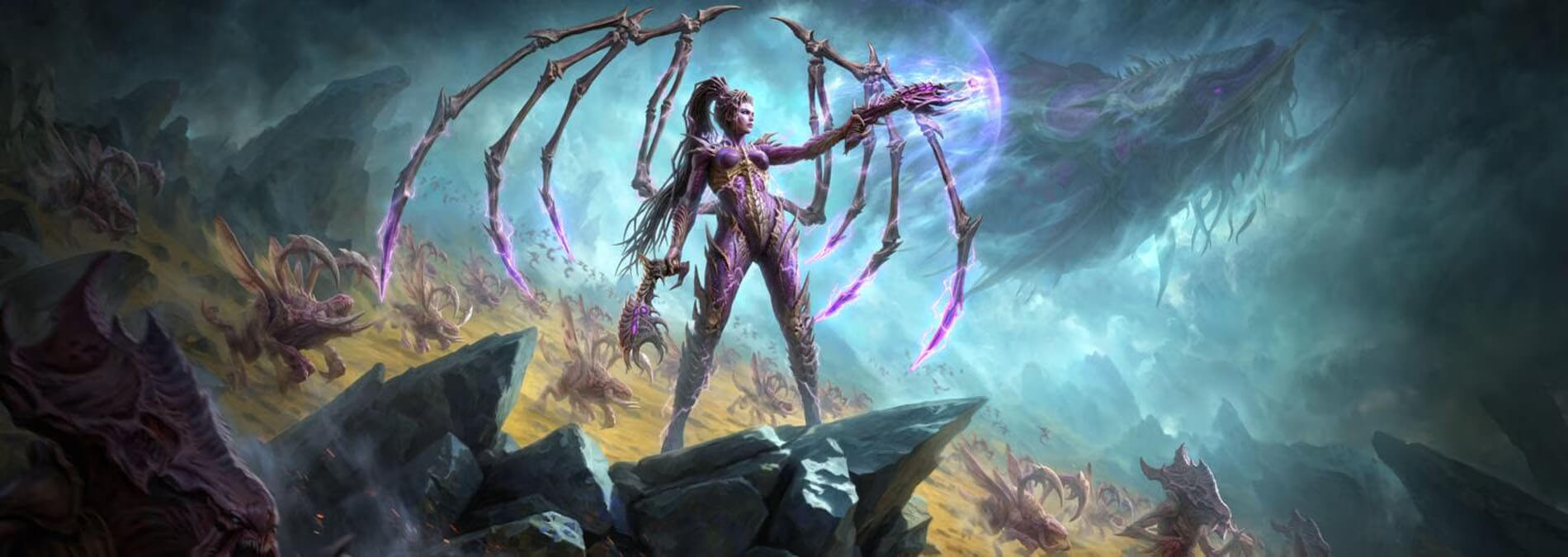
The realm of Sanctuary, always under siege by demonic powers, has seen several devastating occurrences. But the arrival of the Swarm in Diablo Immortal via the "Battle for Beyond" crossover event signals a fundamental change in the continuous fight for existence. This never-before-seen partnership transports the legendary science fiction world of StarCraft directly into the dark fantasy world of Diablo, giving players a once-in-a-lifetime chance to fight alongside or against extraterrestrial forces, wield alien technology, and earn special prizes. From May 13 to June 10, adventurers are thrown into a battle where familiar demons share the battlefield with Zerg, Protoss, and Terran invaders, therefore fundamentally changing the dynamics of fighting and the very core of Sanctuary's defences.
The Koprulu Arsenal and Aeon of Stars
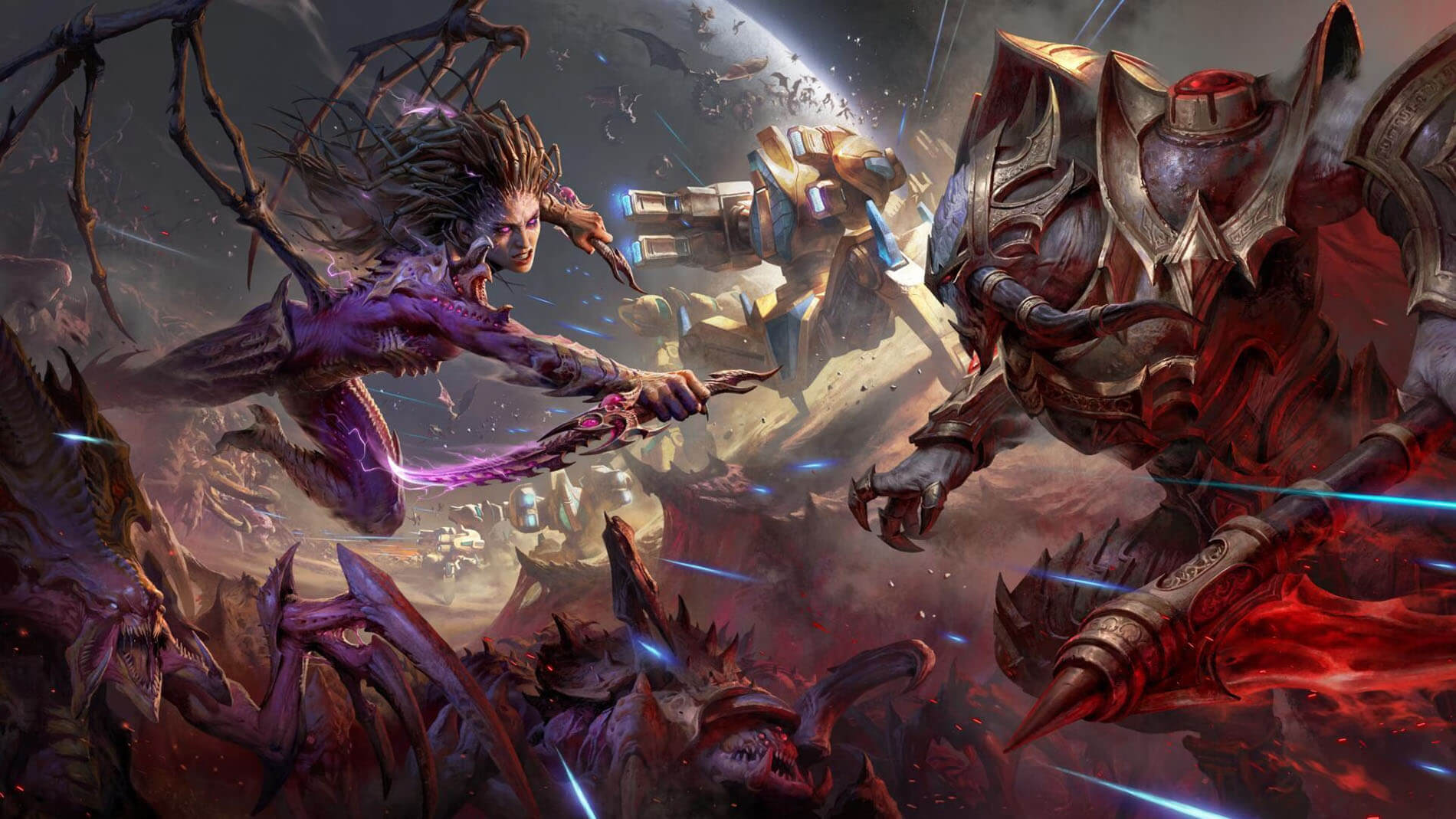
The "Battle for Beyond" event is organized around two main elements: the Koprulu Arsenal and the Aeon of Stars. The Koprulu Arsenal is a progression system whereby players receive rewards for their daily activity participation, monster kills, and involvement in time-limited dungeons. When players log in during the event, they are immediately given a set of StarCraft themed rewards, such as a one-of-a-kind avatar frame, the powerful Baneboil Legendary Gem, and a visually amazing Kerrigan-inspired weapon transmog. As players progress through the Koprulu Arsenal by achieving different milestones, they gain access to additional cosmetic items like StarCraft themed portals and stickers, more Kerrigan weapon transmogs, powerful legendary and set items, and valuable in-game currency like Bound Empowered Immortal Keys and Immortal Keys. This continuous reward system encourages regular engagement throughout the four-week event, therefore guaranteeing gamers many chances to win these sought-after cross universe rewards.
Aeon of Stars is a succession of demanding boss encounters directly pitting players against the fearsome Protoss troops to complement the Koprulu Arsenal. Adventurers can put their strength to the test against two legendary StarCraft units during this event: the Tal'darim Templar and the Ascended Archon. Designed for cooperative play with up to four adventurers, this unique limited-time boss encounter delivers ferocious action RPG warfare defined by deadly psionic attacks and complex mechanics. To get to this amazing battle, you need challenge tickets, which adds a strategic element to how you progress. For those who prove their bravery in facing the strength of the Tal’darim, additional event goals also await, therefore deepening the involvement for devoted gamers.
Infested Rifts and Factional Warfare
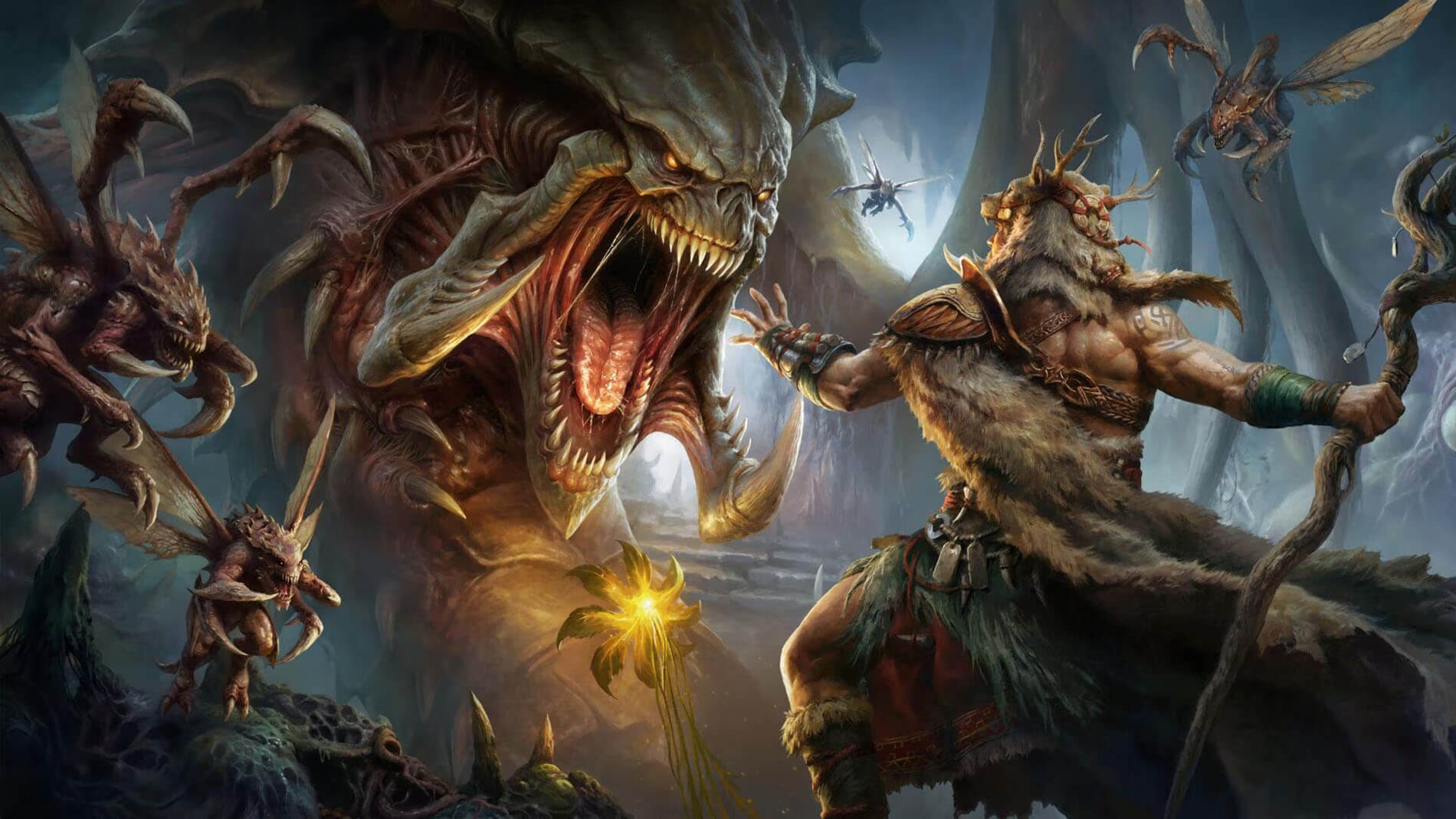
The Swarm's impact reaches even the most revered and deadly sites of Sanctuary, the Elder Rifts. These Elder Rifts turn into "Infested Rifts" during the event, their corruption shown by unique event affixes that turn them into Zerg invaded battlegrounds. Players battle a boss encounter against a Feral Hydralisk and confront horrific fresh foes. A special "Psionic Storm" power becomes accessible as you traverse these damaged fissures. The alien influence gives this power, which randomly creates damaging energy fields that can wipe out close enemies. Players also have the opportunity to acquire unique legendary weapons by successfully navigating these Infested Rifts. These weapons have special affixes that are unique to the event and cannot be moved to other items. This makes them more exclusive and riskier, as destroying them means permanently losing access to their special essences.
The "Battle for Beyond" also brings about a major change in factional warfare by means of a special variation of the Conqueror mode. The battlefield in this changed game mode is covered with shrines based on factions, each bestowing potent battle orbs that correspond to a chosen StarCraft faction: Terran, Zerg, or Protoss. Choosing a faction before starting the game decides the kind of combat orbs that will show up, which can provide unique strategic benefits. The Protoss Shields create a defensive barrier, the Zerg Poison infuses strikes with damage-over-time effects, and the Terran Stim Pack raises attack and movement speed. This orb system, which is specific to each faction, guarantees that only allegiances that are in line with the faction chosen by the player will show up, therefore promoting a sense of community and strategic complexity. Weekly faction leaderboards introduce a competitive component whereby players can compete for supremacy inside their chosen allegiance, therefore deepening the sensation of inter-factional conflict inspired by StarCraft's narrative.
Diablo Immortal receives a permanent improvement beyond the brief crossover that directly helps all players: the automated unlocking of all eight gear slots. Characters who hadn't before reached the last two slots will now discover them automatically fitted with default equipment. This update guarantees that all adventurers have a more complete and instant combat readiness, regardless of their prior familiarity with the game's gear systems, therefore simplifying character development.
Harnessing the Swarm and Channelling the Queen
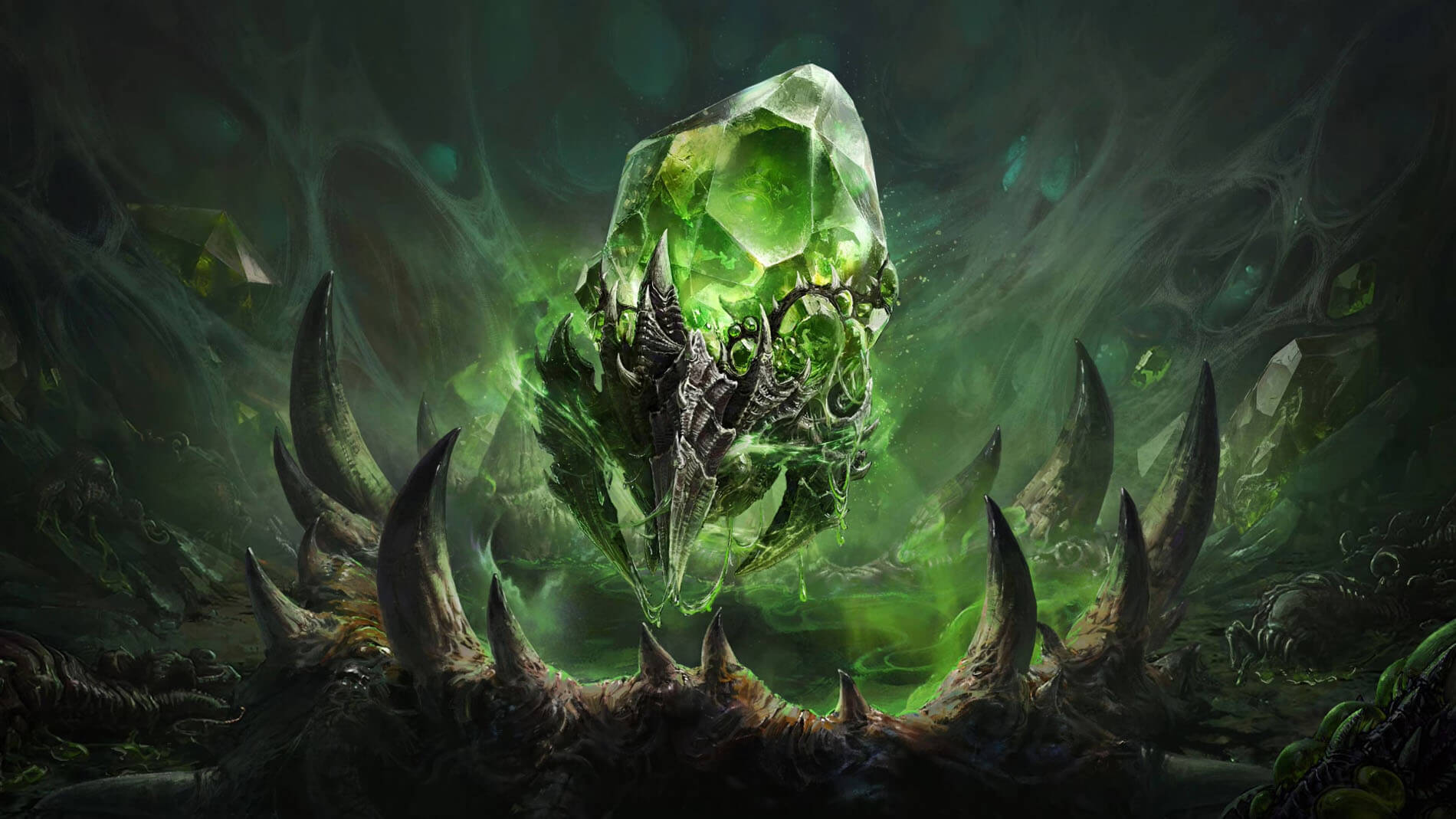
The integration of the Baneboil legendary item drastically changes fighting mechanics by infusing the destructive Zerg Swarm into the game. When Baneboil deals damage, he calls three Banelings that rush fiercely toward foes and detonate in pools of corrosive acid. This unusual mechanism increases the player's damage output against damaged opponents in addition to causing damage over time, therefore forming powerful offensive synergies. The deliberate restriction of calling Banelings once every six seconds promotes strategic deployment and careful interaction. Moreover, the passive benefit of dealing greater damage to foes suffering from persistent damage effects supports builds that prioritize sustained damage over time, introducing an additional layer of strategic complexity. This thematic integration of the Zerg from StarCraft introduces a new, aggressive playstyle whereby users may experience the overwhelming might of a swarm. The Swarm Monarch Phantom Market cosmetic set complements this damaging potential by letting players adopt the terrifying appearance of Kerrigan, the Queen of Blades. This limited-time set has a unique look that lets players control the Swarm with a deadly grace that evokes the legendary StarCraft character. The StarCraft crossover expands further with the introduction of two new Familiar skins: the Immortal and the Zergling. The Immortal Familiar, a manifestation of fallen Protoss warriors, embodies unrelenting determination; the Zergling Familiar reflects relentless ferocity. Particularly beneficial for gameplay is the Zergling Familiar, since it allows portable skills to be employed without cooldown, therefore supporting ongoing offensive strain.
Sky’s Veil and Versatile Progression
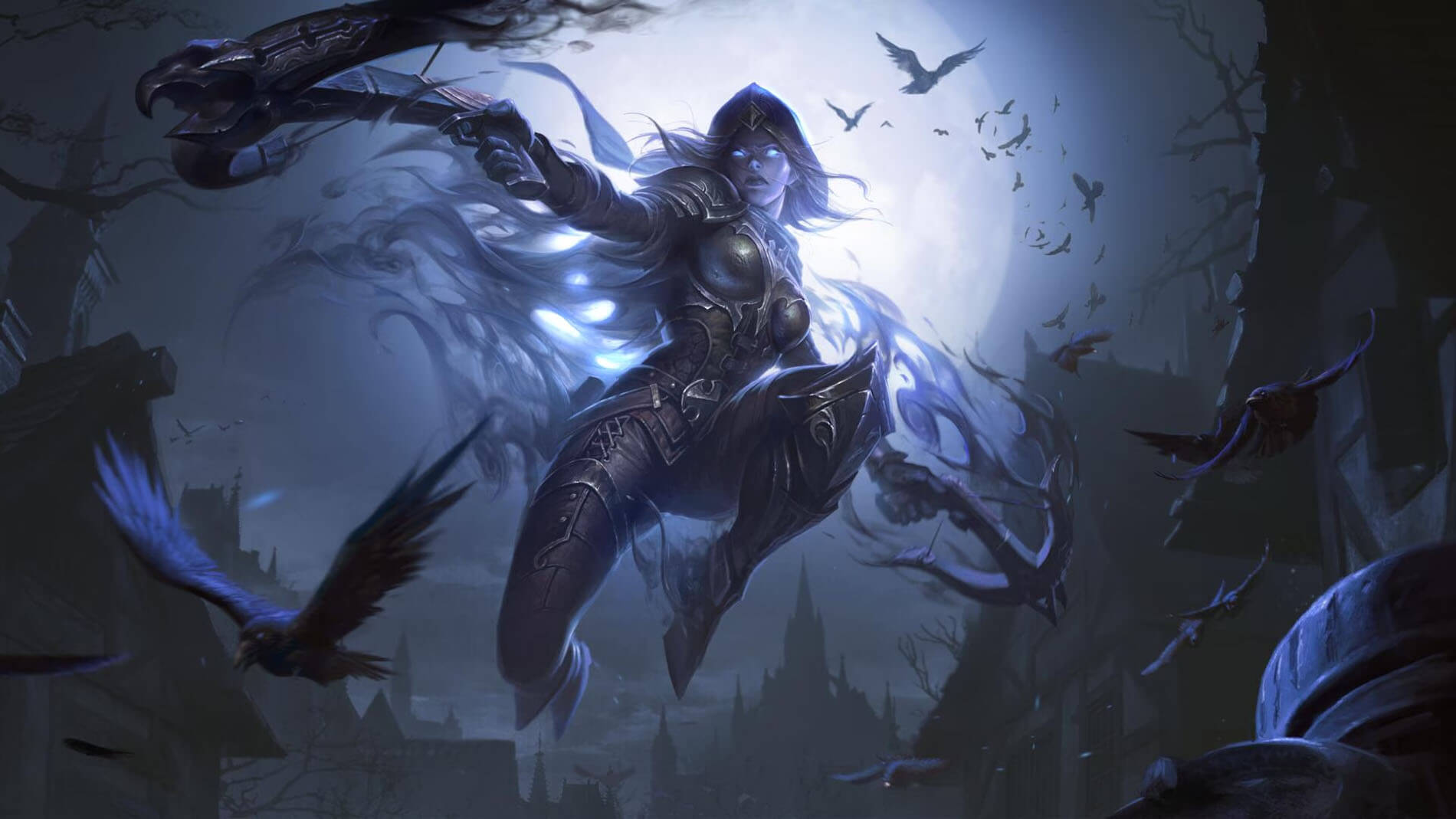
The arrival of the Sky's Veil event brings with it a vibrant difficulty playing out throughout Sanctuary. This event presents a sequence of changing activities, therefore pushing explorers to modify their approaches as fresh goals and featured modes are presented each week. Different gameplay experiences that challenge player talent and flexibility are provided by modes like Survivor's Bane, Trial of the Hordes, Fractured Plane, and Wild Brawl. Participating in these activities and finishing rotating objectives advance players along a rewards track, unlocking priceless goods and incentives. Featuring new activities every week keeps the event interesting and exciting, encouraging participants to return to various game modes and become proficient at different challenges. Beyond ephemeral occurrences, the inclusion of Versatile Rings signals a major permanent improvement to equipment personalization. Newly obtained 3+2 and 3+3 quality Rings have a flexible socket that may take Gems of any hue. This flexible approach improves build diversity by allowing for more flexible gear selections free from colour matching limitations and simplifies gem allocation. This adjustment makes it easier for players to maximize their equipment, particularly with recently obtained things.
Rewarding Participation and Streamlined Combat Rating
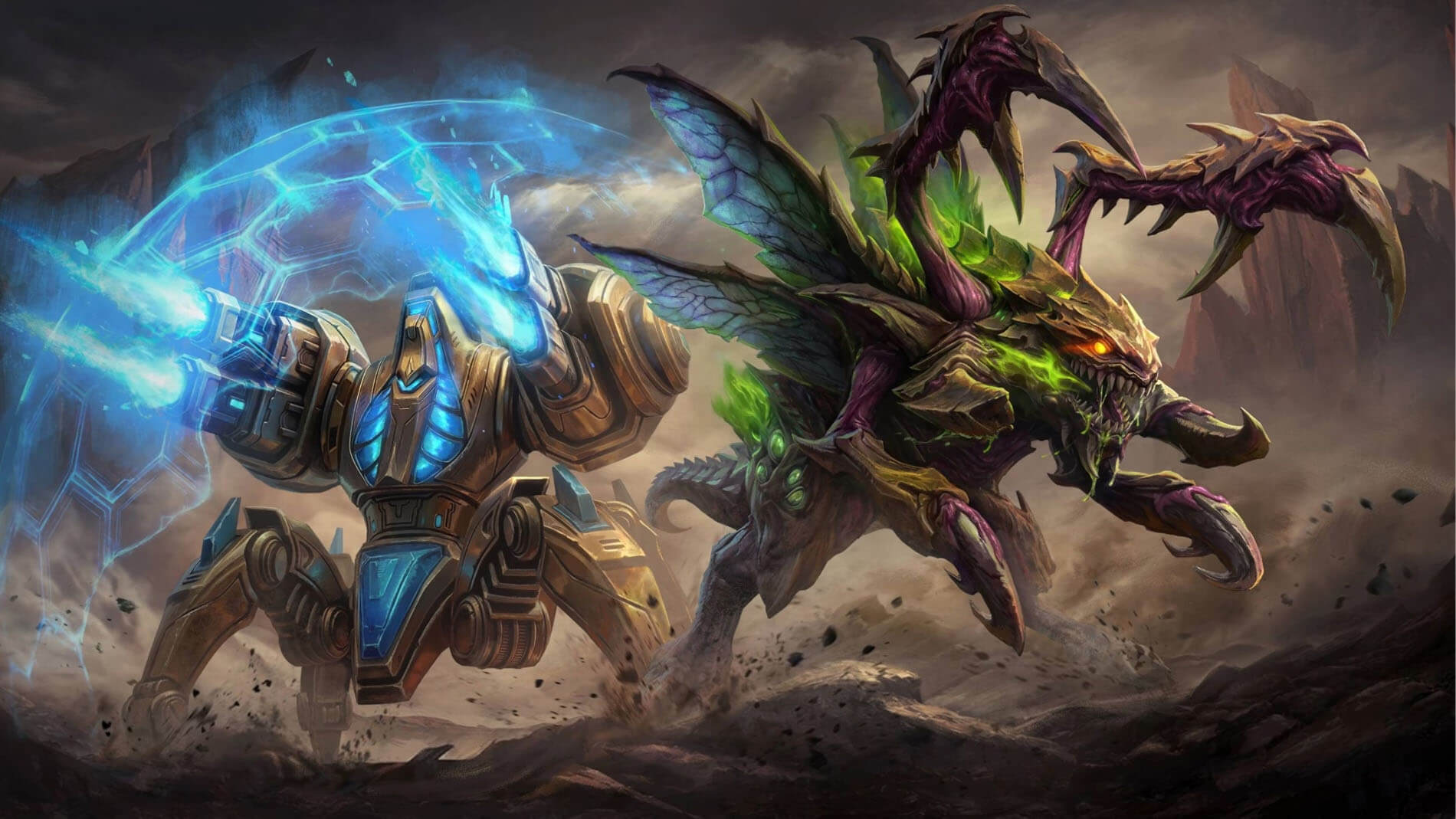
Additionally improving its progression systems and reward systems is Diablo Immortal. Battleground rewards are getting a significant boost, with Gold and Gear Portions growing by around 50–100%. Moreover, engagement in Battlegrounds now offers Normal Gems, a priceless cash formerly limited to four-player activities, at one gem each run. The drop rates for higher-value equipment have also seen modest improvements. Although the first three Battleground runs remain the most profitable, the improvement of both main and secondary reward pools has made this PvP mode a more appealing route for resource and equipment acquisition. In tandem, major improvements have been done to Combat Rating and progression systems to encourage a softer and less convoluted power curve. Invested resources have been instantly returned as systems like the Ancestral Tableau and the Helliquary Upgrade have been abolished. Cyrangar defence and Purge the Depths no longer provide Activity Points; Set Item Upgrades and Demonic Remains no longer provide Combat Rating. The Helliquary Reforge is now available sooner in the progression. Crucially, Paragon Level advancement now directly grants Combat Rating, Seeker Rating, and basic attributes, therefore combining and streamlining the power development process. Earlier independent stat systems now scale automatically with Paragon levels, so guaranteeing a more natural and constant rise in player power as they progress. The introduction of Monster Family Commanders adds an additional level of difficulty, as formidable leaders emerge to orchestrate enemy attacks, necessitating gamers to overcome their minions prior to confronting the Commander personally.
User Interface and Quality of Life Improvements
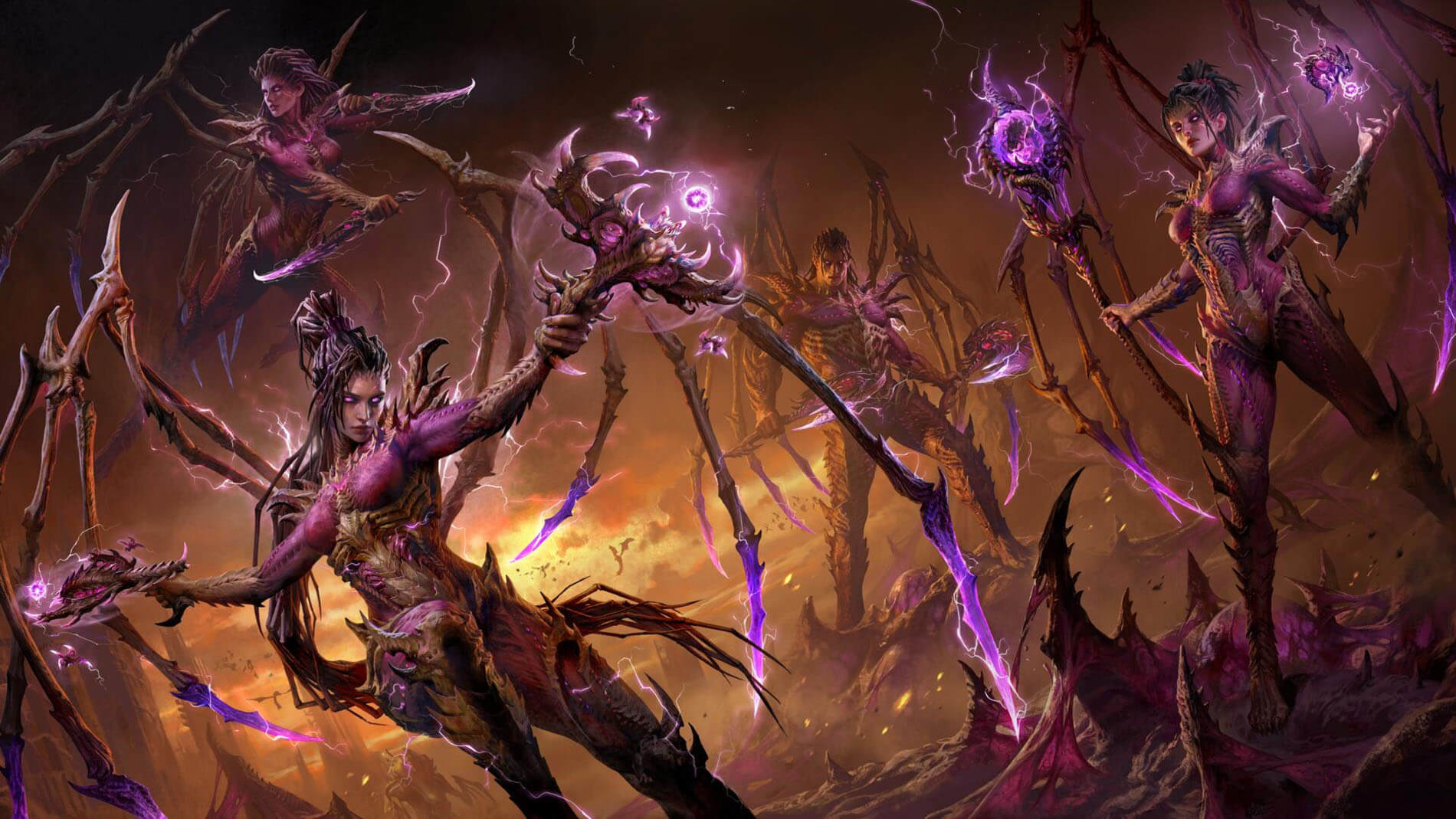
A large number of the most recent improvements aim at the game's overall quality of life as well as its user interface. The Legendary Gear reward selection displays have been significantly graphically changed, embracing a Battle Pass-inspired design. This update adds improved item labels, which are essential for gamers attempting to distinguish between gear they currently own and possible fresh incentives. This visual clarity is especially useful while playing loot-heavy games when fast gear evaluation is absolutely essential. Moreover, a new class selection dropdown enables users to see previews of possible prizes customized to certain character classes. Players who handle several characters or are thinking about changing classes will find this feature priceless as it guarantees them an effective way to see what advantages every reward provides to their selected playstyle.
The Cosmetics Backpack has also undergone a major redesign in addition to gear management. The interface has been revamped to be more user friendly and cleaner, therefore streamlining the browsing, organizing, and managing of the expanding collection of cosmetic products. Managing non-gameplay affecting components like cosmetics with such attention to detail shows a dedication to the aesthetic and personalizing features of the game, which are crucial for long-term player involvement.
Several quality-of-life improvements have also been made to Ephemeral Treasures, a seasonal in-game feature. Making a seasonal purchase now sends players straight to the Treasure activation page, so lowering friction and hastening access to fresh material. Tooltips have been changed to show more treasures belonging to the same set, which helps gamers in their collection efforts and simplifies monitoring progress toward set bonuses. Furthermore, reactivated Ephemeral Treasures have a different visual glow effect in the inventory, which lets players rapidly spot active treasures without having to examine every item. These apparently minor improvements taken together produce a more fluid and intuitive player experience.
Gameplay Enhancements and New Challenges
The enlargement of difficulty choices shows Diablo Immortal's dedication to offering changing gameplay challenges. Along with chosen earlier main narrative quests, the Realm of Damnation now supports both Hell and Inferno difficulties. This offers a renewed sense of achievement and the possibility of greater rewards by letting players return to familiar places with a much-raised level of difficulty. Tiered difficulty systems like these are common in ARPGs, offering players a flexible progression route as they develop in power and ability.
A fresh onboarding experience has been added for Battlegrounds, the game's player-versus-player mode, for new players. Starting at Level 46, players who are new to Battlegrounds will now come across a Battleground Intro Quest. This mission is meant to logically teach basic gameplay mechanics, goals, and the overall rhythm of PvP fighting. Diablo Immortal seeks to reduce the entrance hurdle for its competitive multiplayer mode by offering guided training, so guaranteeing that new players can comprehend and appreciate the experience free from overload. This aggressive method of educating players is essential for building a vibrant and engaged player community.
Bout of Realms Tournament Returns
The Bout of Realms competition is returning, increasing the thrill. This rivalry provides players an organized setting to evaluate their abilities against those of others for awards and grandeur. The tournament is split into different stages: registration from May 27 to May 31, points match from June 1 to June 6, and finally the finals from June 8 to June 14. Although specific information about prizes, brackets, and other competition details will be disclosed later, the announcement itself signals a renewed emphasis on competitive play and community involvement. Maintaining player interest and building community inside the game depend on such repeat occurrences.
New Legendary Affixes and Increased Difficulty
The addition of strong new Legendary Affixes, available at Inferno XII level and beyond, forms a key feature of this release. These demand gamers to modify their tactics and rebuild their equipment sets since they are major changes to class dynamics and combat potential rather than simple stat boosts. For example, a Barbarian could obtain an affix that synergies their Whirlwind with their Shout abilities, resulting in a deadly area-of-effect combination, whereas a Necromancer might gain one that bestows life-draining qualities upon their summoned minions. The need to interact with Inferno XII difficulty indicates a purposeful increase in the difficulty of the game. This is a deliberate attempt to appeal to the most devoted gamers, those who have completed the prior levels and are looking for a more difficult PvE experience. Directly embodied here is the "raise the stakes" attitude as players must overcome harder difficulties to reach these game-changing upgrades, therefore expanding the limits of their character builds and personal combat ability. This graded approach to material guarantees a slow but steady development, therefore avoiding burnout and offering a clear direction for experienced gamers.
Wizard's Evolving Arsenal

With its new Legendary Affixes, the Wizard class undergoes a startling makeover. For example, the Stormweaver main hand item enhances Arcane Wind into a mobile storm that not only inflicts damage but also influences enemy placement, thereby generating a deadly vortex that pulls enemies inward. This promotes a more dynamic playstyle whereby the Wizard actively dominates the battlefield. Adding to this is the Frigid Chrysalis off hand, which transforms Ice Armor into an entombed condition. Although this locks the Wizard, it offers a sizable absorb shield and immunity to crowd control in addition to ongoing area damage. This presents a high-risk, high-reward situation that calls for perfect timing and knowledge of hostile attack patterns. With a shield that increases damage with each subsequent hit, the Audacious Stratagem chest piece improves Lightning Nova and rewards sustained aggression. After a time of stillness, Siegebringers legs enhance Arcane Wind damage, therefore encouraging tactical placement, while Chaotic Gambit headgear turns Teleport into a double-edged sword by raising both damages given and received. Last but not least, Winterthorn Shawl shoulders grant Ice Armor a defensive bonus, which adds critical hit chance when assaulted—a useful defence against hostile foes.
Barbarian's Enhanced Might
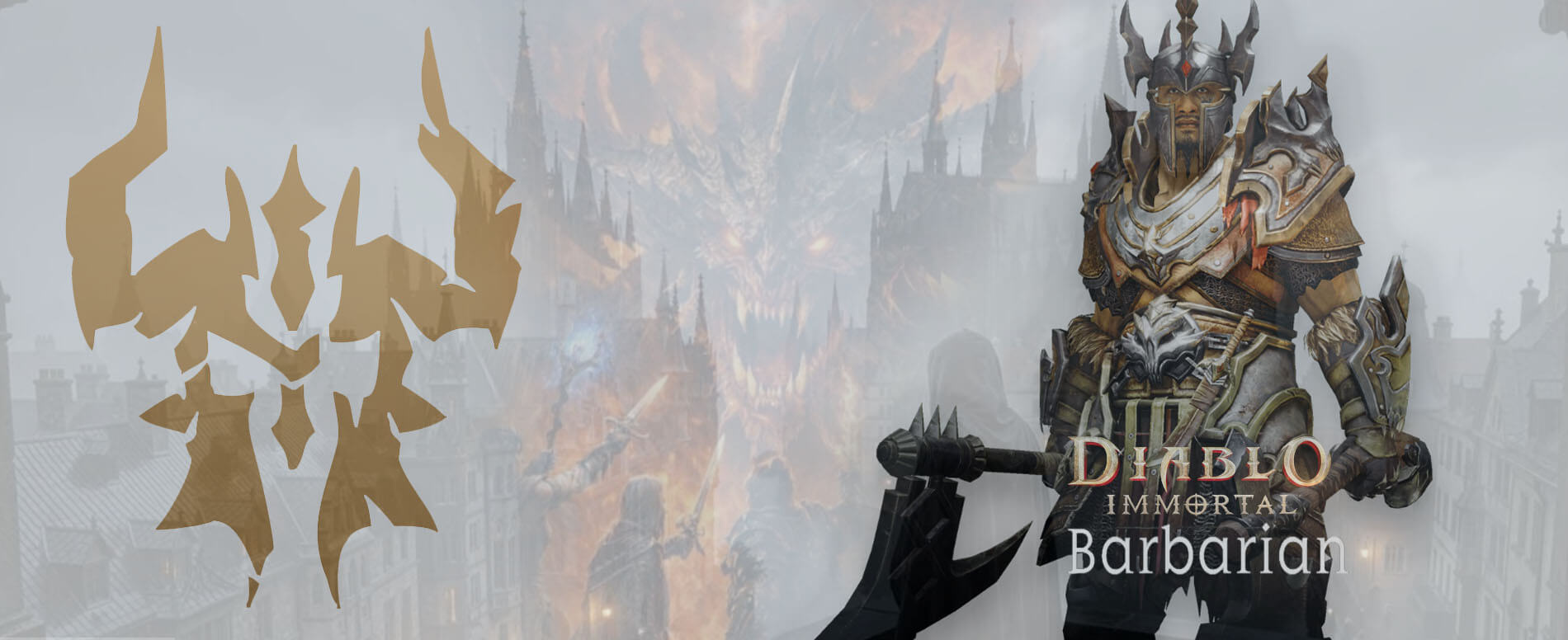
The Barbarian gains from strong new affixes increasing melee ability and survival. The Limb Severer main hand adds a healing effect to Hammer of the Ancients when it hits bleeding enemies, encouraging the use of synergistic builds that focus on damage over time. Ancestors Call hand introduces a summoned Spirit of the Ancients that debuffs adversaries when Demoralize is utilized, therefore adding a vital support component to the Barbarian's arsenal. The chest piece Infinite Succession redefines Chained Spear into a linking ability, therefore providing damage reduction and a retaliatory burst when allies are damaged, hence encouraging team play. The Ravager's Walk legs make Chained Spear bleed, increasing its damage potential. Gilded Hunter headgear turns Demoralize into an offensive and healing roar with a cooldown lessened by damage taken, therefore boosting aggressive engagement. With a powerful party-wide damage reduction buff, the Hunt's Claim shoulders strengthen Wrath of the Berserker and reinforce the Barbarian's front-line defensive role.
Monk's Agile Transformations
https://www.diablohub.com/upload/cms/image/diablo-immortal-monk-update.jpg
The Monk class is given affixes that highlight agility, control, and increased damage output. Be at Peace causes main hand turns Shield of Zen to transform into a mobile flame field that burns adversaries, raises critical hit chance against them, and rewards continual movement. Off-hand, Expectant Juncture gives Mystic Strike the capacity to be utilized during crowd control events, therefore providing a crucial escape or repositioning instrument. The Ceaseless Flutter chest piece gives Flying Dragon a wind enchantment that boosts movement speed and unleashes damaging wind bursts, therefore encouraging quick travel. Mystic Strike is further improved by fitful draft legs, which consume produced energy for a movement-speed scaled dash, a strong offensive and evasive action. Nimblemind headgear links the defensive benefits of the Shield of Zen to increased movement speed, creating a synergy where speed directly translates to damage. Brush Throe shoulders enhance Wave of Light, therefore increasing enemy contact damage with movement speed and encouraging a very mobile fighting approach.
Demon Hunter Enhancements
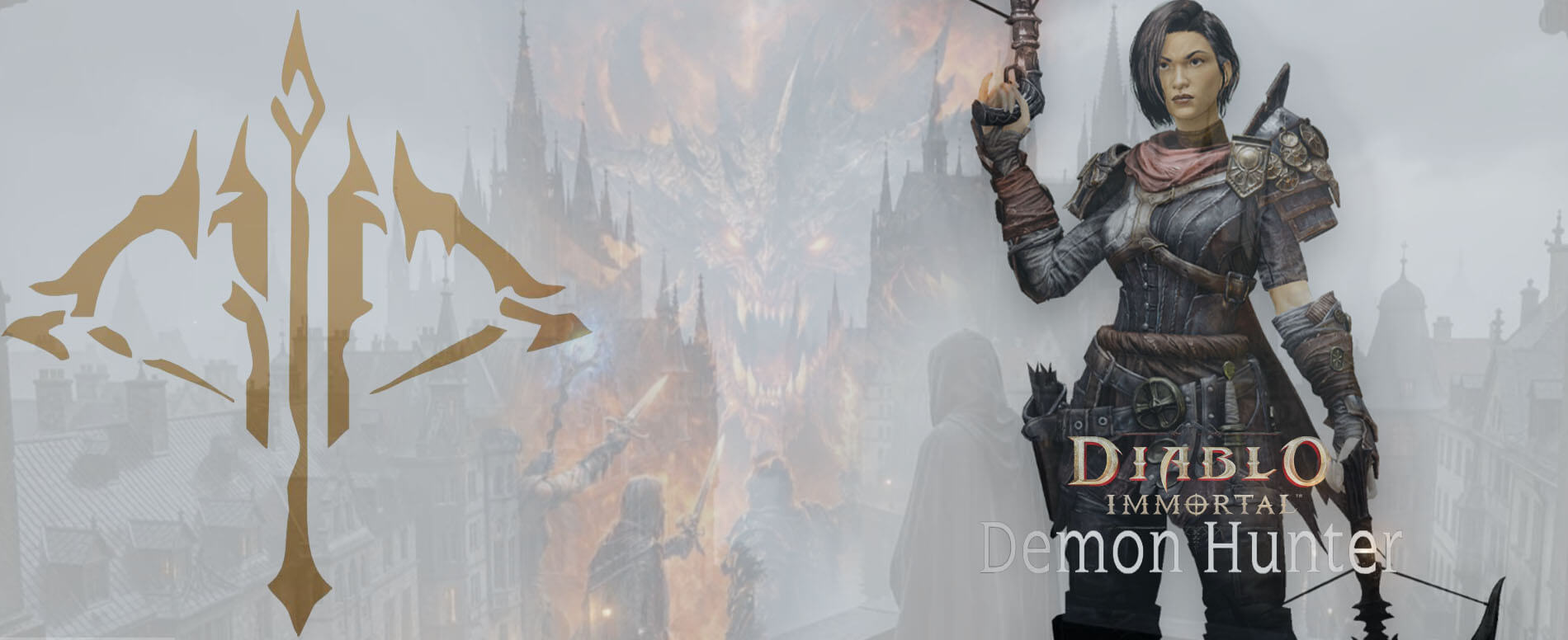
Along with their signature ability, Rain of Vengeance, the Demon Hunter gets a collection of new Legendary Affixes that concentrate on enhancing core systems including Impale, Vengeance, and Sentry. Sahptev Adaptability is a main-hand item that turns Impale into a powerful tool for controlling crowds and boosting damage. It makes Primary Attacks shatter, causing splash damage and adding Blade Fragment Marks by empowering the player. These marks amplify the damage from following Primary Attacks, forming a strong synergy that rewards relentless attacking. An offhand affix, Inna's Providence adds a defensive layer to the Sentry skill. It significantly increases the survival of a class generally seen as vulnerable by decreasing incoming damage by 10% when close to a deployed Sentry.
The Harried Flight chest piece gives Vengeance a dual-edged weapon: higher Attack Speed and Primary Attacks that unleash shadowy explosions that inflict extra damage and slow down foes. However, this power comes at the expense of greatly diminished Movement Speed, therefore requiring gamers to thoughtfully weigh positioning and engagement timing. Raven's Home legs provide a simpler buff to Vengeance, boosting Primary Attack damage by 15% for a short 3 seconds, therefore enabling burst damage opportunities. Falconer's Crest is a headpiece that reimagines the Sentry skill by enabling it to deploy a rope tower. The Demon Hunter is drawn to this tower by a second activation, which also gives a Movement Speed boost able to counteract control-impairing effects like Silence or knockback. At last, Nest's Safety shoulders enable Rain of Vengeance, therefore increasing attack range and allowing Primary Attacks to fall down arrows over an area—once more with a notable Movement Speed penalty throughout its empowerment. Together, these affixes provide the Demon Hunter with a vibrant toolset that strikes a balance between high-damage output and fresh defensive and mobility choices.
Crusader Reimagined
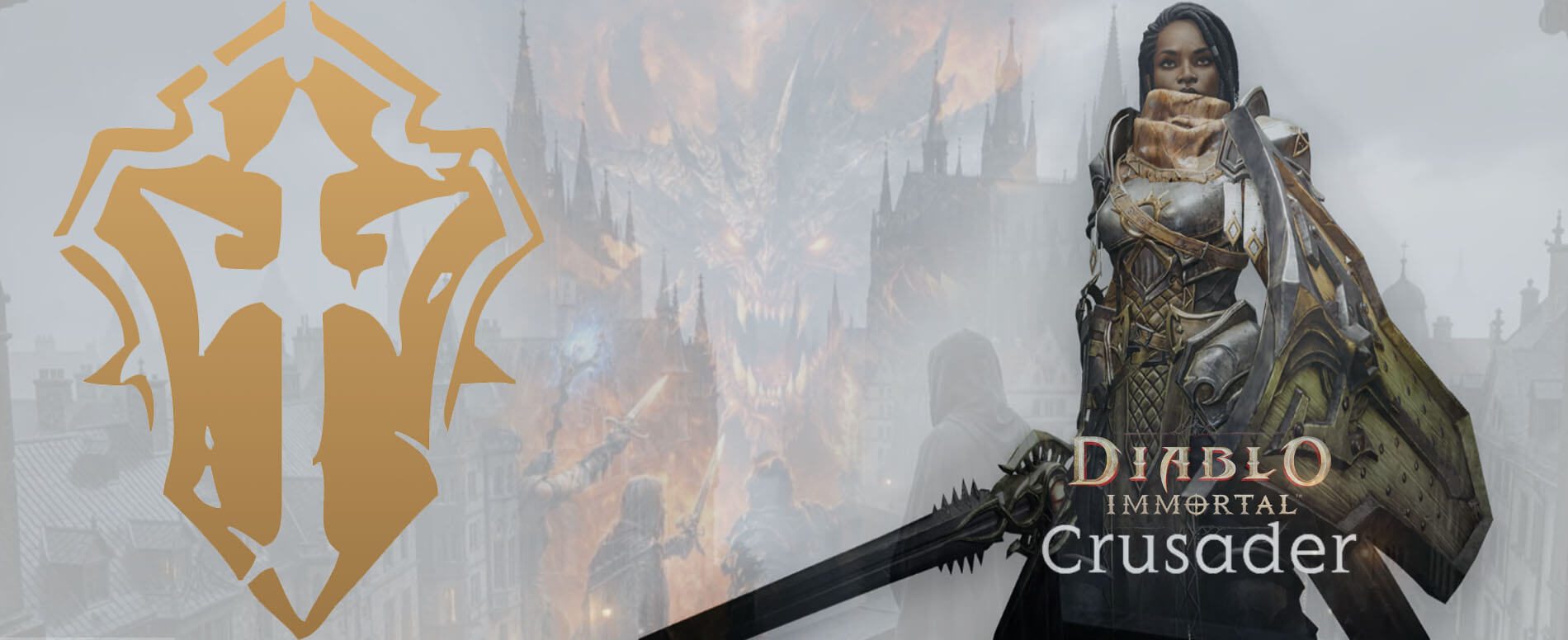
The new Legendary Affixes for the Crusader mostly centre on shield-based skills, especially Spinning Shield and Shield Charge, and also on the Conjuration of Light ability. The Reckoner of the Ray main-hand affix adds an interesting scaling mechanism for Spinning Shield, connecting its damage output directly to the player's absorb shield amount. Every 1% of maximum life turned into a shield boosts Spinning Shield's damage by 1%, with a cap of 30%. This promotes tactical application of defensive buffs to enhance offensive strength. Off-hand, the Concordance Axis offers a aesthetically stunning and functionally powerful upgrade to Spinning Shield, evoking several orbiting shields that harm and knock back foes, with the number of shields scaling with the absorb shield value at cast.
The Vigor's Gleam chest piece improves Conjuration of Light by adding a shield that also turns a fraction of damage done into absorb value. This boosts the Crusader's natural ability to stay alive and creates a self-sustaining shield system. Steely Detachment legs change Shield Charge into a forward-moving shield wall that harms and knocks back foes. Its absorbed shield value upon casting determines its size and damage. When you use Shield Charge, the Plumebuck headpiece gives you an extra layer of protection by granting you an absorb shield equal to 8% of your maximum Life for 2 seconds after you deal damage. This shield can stack up to 24% of your maximum Life, but there is a cooldown to prevent you from being immune to damage all the time. Finally, Poor Pasture shoulders improve Conjuration of Light with a 5-second aura that lowers enemy damage inside by 10%, adding a useful area denial and defensive debuff to the toolkit of the Crusader. These affixes let the Crusader be an even more strong frontline warrior, capable of both consistent damage and great defensive ability.
Necromancer: Refined Control and Enhanced Utility
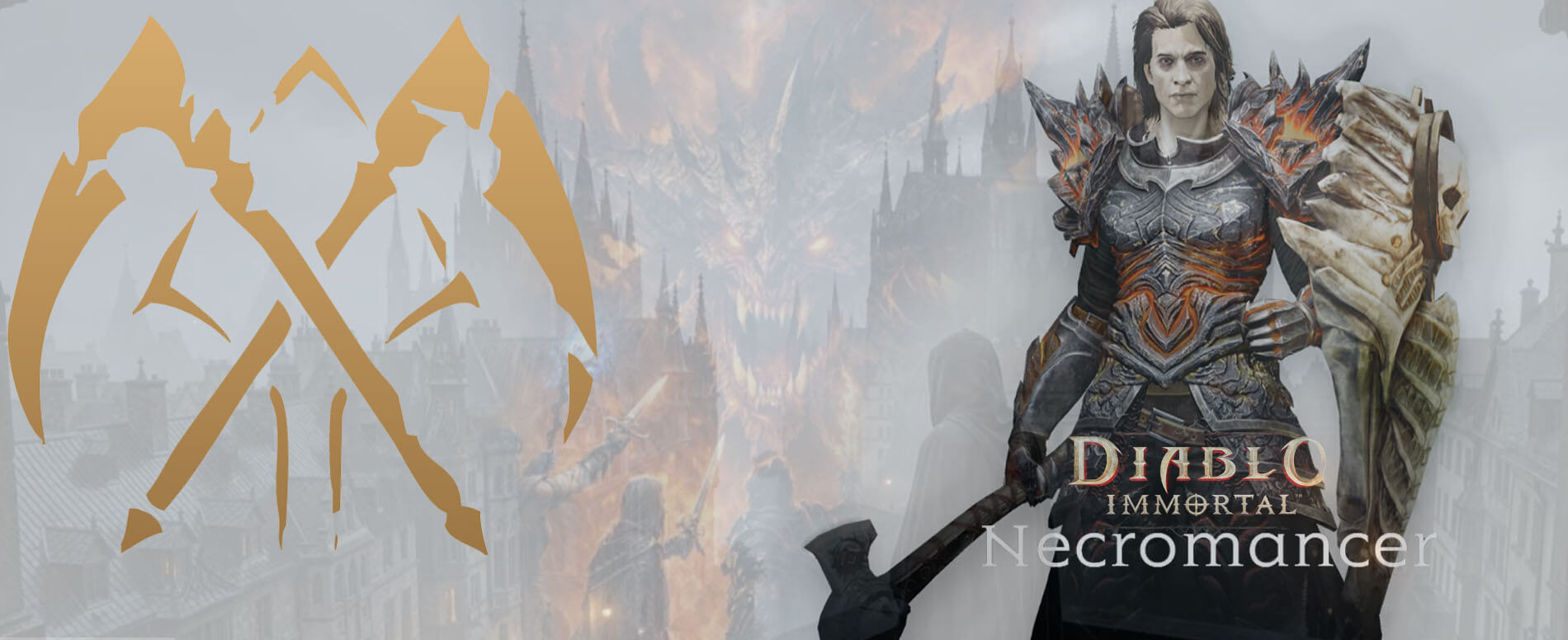
The Necromancer class gains a set of Legendary Affixes that highlight both improved attacking power and vital defensive usefulness. The "Haunted Guillotine" for the Main Hand changes the Wraith Form into a vulnerability aura that makes incoming damage more intense for 3 seconds. This works very well with area-of-effect skills, as it enables burst damage windows that drastically reduce engagement times against difficult opponents. The "Magnate of Decline" Off-Hand adds a dynamic element to Bone Spirits. It instead generates a persistent damaging field that applies stacks of Decay rather than a static summon. In difficult fights, this Decay not only hurts opponents over time but also lowers their damage output, therefore providing vital crowd control and survivability.
The "Estranged Patron" Chest piece rebuilds Bone Armor for defensive upgrades. It now creates a warding circle that bestows allies with a shield, immunity to crowd control effects, and resistance to knockbacks. For group play, this is an invaluable addition providing a vital layer of defence against terrible enemy skills. The "Doll Legs" Legs piece presents a distinctive variation on Wraith Form whereby the Necromancer can possess an ally. Although it limits independent movement, this gives the targeted ally advantageous benefits and renders the Necromancer unattackable, therefore offering a momentary respite and maybe a plan for repositioning. "Odious Intent" Head gear strengthens Grim Scythe with a powerful control effect, briefly preventing foes from using Dash Skills. This might be crucial in stopping extremely mobile threats or thwarting escapes from hazardous regions. At last, the "Motley Epaulettes" Shoulders improve Bone Armor by letting it wash away random negative effects from neighbouring allies, therefore reinforcing the Necromancer's reputation as a support powerhouse.
Blood Knight: Aggression, Risk, and Reward
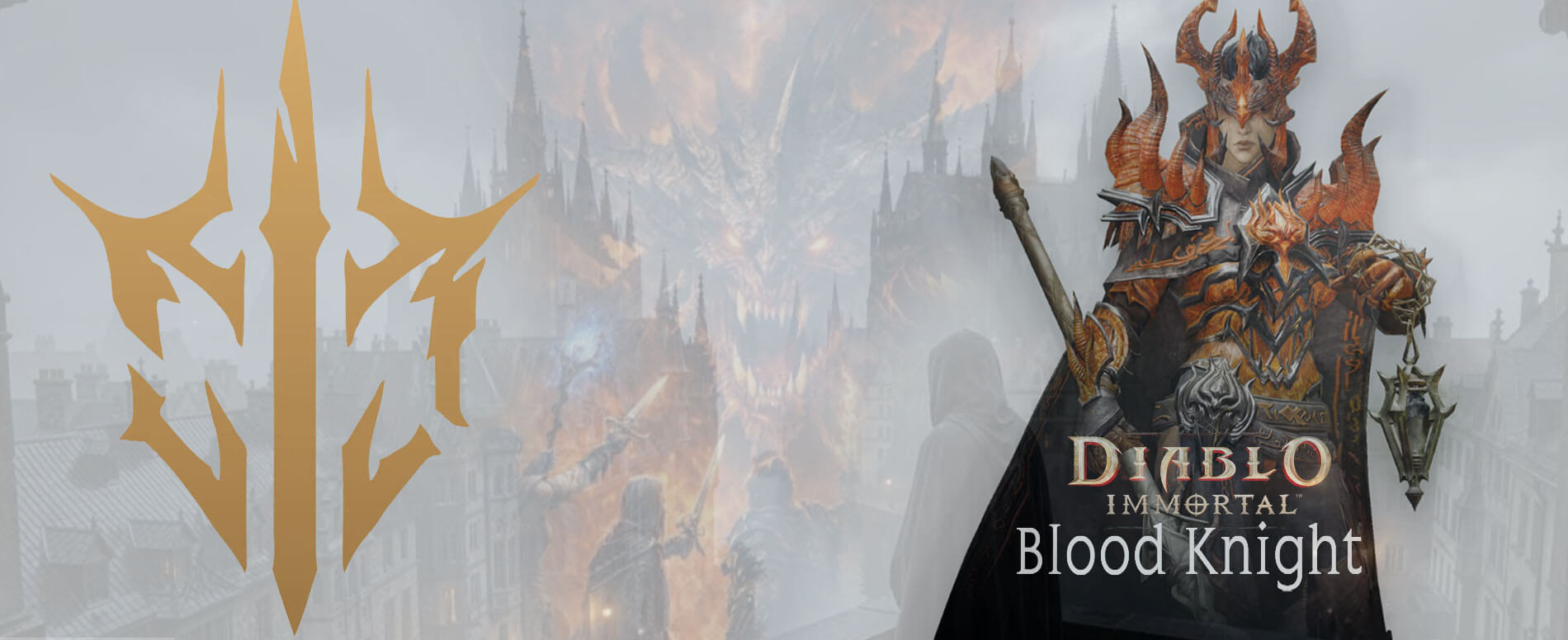
The Blood Knight's new Legendary Affixes strongly promote a high-risk, high-reward playstyle, stressing aggressive engagement and careful resource management. The "Evershifting Scales" Main Hand turns Whirling Strike into a powerful two-hit combo. The Blood Knight heals from an overhead attack that sends foes flying after first draining Life for a large sweep. This builds a self-sustaining offensive cycle that promotes constant interaction. For 3 seconds after activating Abomination, the "Repulsive Ampoule" Off-Hand dramatically increases critical hit chance, therefore rewarding gamers who time their strong changes with critical strike possibilities.
The "Bloody Revelry" Chest armour strengthens Sanguinate, therefore boosting healing by 50% for 3 seconds. This works well with other healing abilities, which is important for staying alive during tough battles. The "Stalking Shadows" Legs component presents an offensive Sanguinate strategy, draining Life to dash ahead and boosting the next ability with greater damage, which also heals on hit. This inspires fierce dashes into enemy groups. Head gear "Precarious Wager" adds a major risk-reward feature to Whirling Strike. It consumes 5% of current Life to significantly boost Critical Hit Chance. The Blood Knight recovers 5% of maximum Life upon landing a critical hit, however, this heal is limited to once per skill application. This calls for critical analysis of when to pledge Life for a possible surge of healing and damage. Finally, "Brutish Nature" Shoulders convert Abomination into an energy-generating system. Losing Life gives short, strong claw strikes that heal the Blood Knight and knock back foes, while also giving immunity to damage reduction and crowd control. This motivates gamers to accept damage to power their offensive cooldowns.
The Tempest's Reworked Arsenal
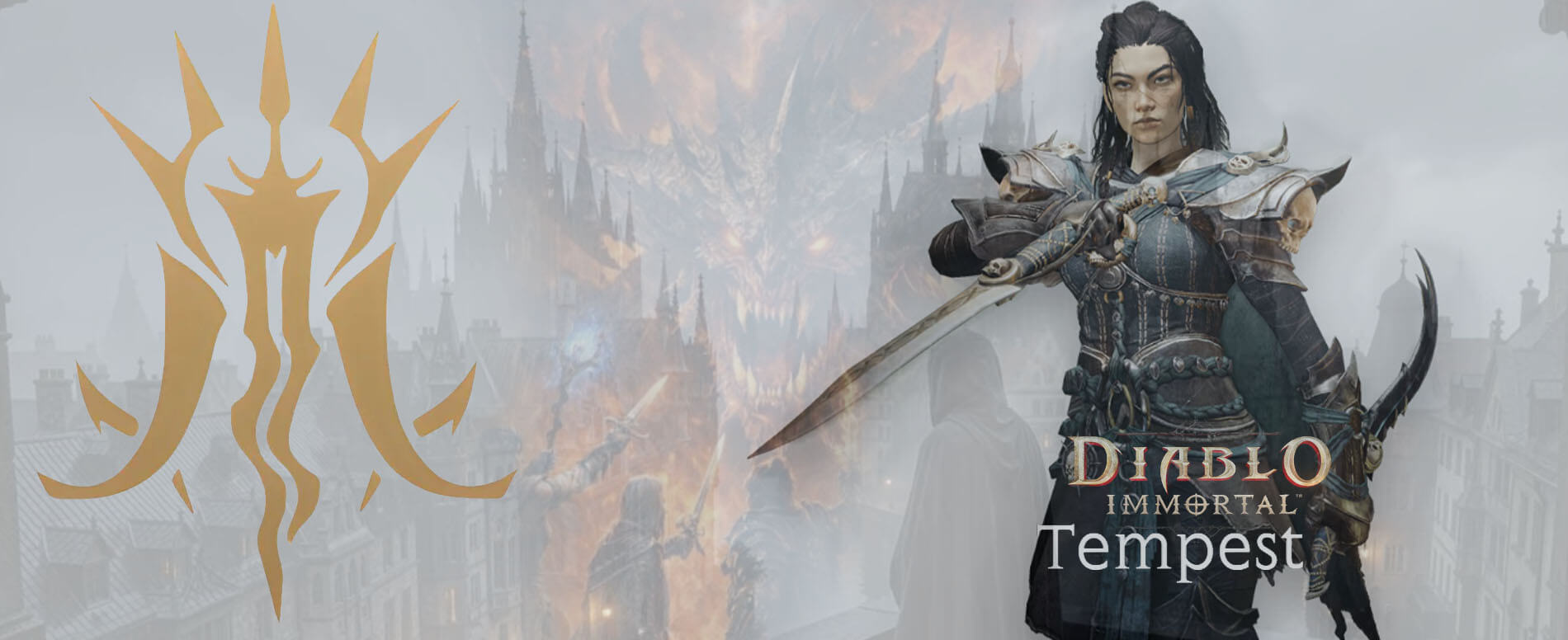
With the new Legendary Affixes focusing primarily on the control and enhancement of its Zephyr mechanism, the Tempest class undergoes a significant makeover. The Scudding Verge main-hand item turns Rolling Surf into a spinning barrage of throwing knives. Crucially, several of these knives can be picked up, which lowers the cooldown of the ability and counts them as Zephyrs themselves. This generates a dynamic feedback loop whereby objectionable behaviour immediately drives additional cooldown reduction and resource generation. The Vivid Afterthought off-hand does this by raising Skill damage by 5% for three seconds, piling up to three times every time a Zephyr ends. This synergy immediately affects damage output by rewarding players for carefully controlling their Zephyr uptime.
The Brineborne Harbinger chest piece changes Flowing Strike to teleport the player to a target location, harming opponents and generating Zephyrs depending on the number of enemy players struck, so enhancing the mobility and offensive capacity of the Tempest. This offers offensive pressure and a fresh approach of producing Zephyrs in group activity. The Port of Call legs give Tidal Rush the ability to target a Zephyr for a dash, dealing damage to foes along the way and at the destination, as well as increasing the damage of the next non-Tidal Rush skill. This promotes a more deliberate attitude to movement and skill sequencing. The Balmy Albatross head has a defensive layer, and Tidal Rush gives you a shield that soaks up damage. You can stack this shield up to three times, which helps you stay alive during intense fights. At last, the Sealed Thatch shoulders provide a special trade-off for Flowing Strike, disabling the use of Dash Skills for two seconds after striking an enemy, which can be deliberately used to hold down targets or stop undesirable movement.
The Druid's Transformation into the Stone Bear
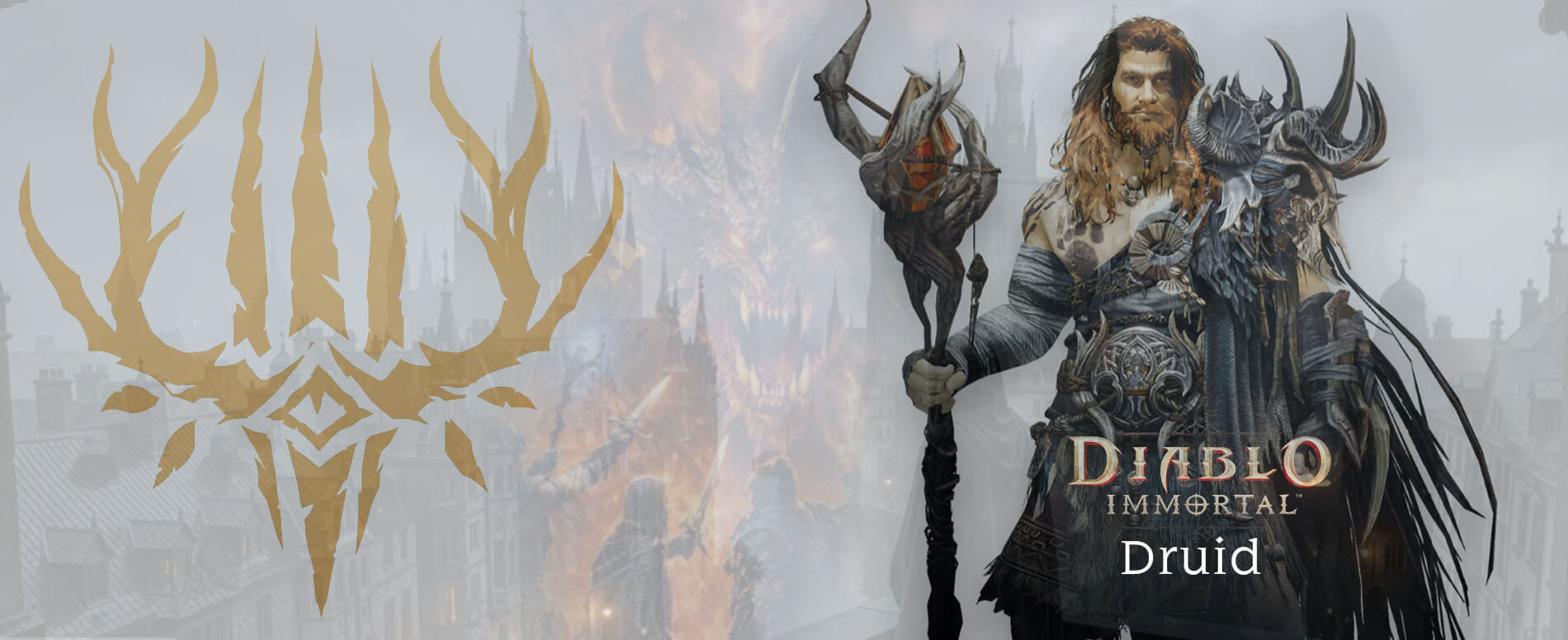
The Druid class also receives substantial upgrades, primarily focused on its Werebear transformation. The Invincible Arc main-hand changes the Werebear into a Stone Bear, which gives it immunity to crowd control effects and an absorb shield based on how much Primal Power it consumes, though it does slow down its Movement Speed. This allows the Werebear to withstand extreme damage and provides great survival in hazardous conditions. The Shatterfist off-hand transforms the Werebear Primary Attack into a leaping stomp that releases destructive rocks, so redesigning it. Crucially, Attack Speed increases now directly enhance the damage of this empowered basic strike, therefore redirecting attention from raw attack speed to its multiplicative impact on the Stone Bear's primary offensive ability.
When in Werebear form, the chest piece called the Breastplate of Striding offers a big defensive bonus: 15% damage reduction if an absorb shield is active. This works together with the shield generation of the Invincible Arc. While the Plummet-Wool legs boost the Werebear's Crush ability by raising Primary Attack Speed by 60% for three seconds, this bonus is erased by crowd control effects, underscoring the need of controlling its changes. The Triumph Wings head piece changes the Bound (Werebear) skill to a jumping ground smash that makes a rock circle, pushing enemies in and sending out shockwaves from Primary Attacks inside the circle. This generates a strong region of control and damage with area-of-effect capabilities. Finally, the Lifeless Reminder shoulders boost Bound (Werebear) by lowering enemy Movement Speed for two seconds and disabling Dash Skills, therefore adding substantial crowd control utility and further confirming the Stone Bear’s function as a disruptive force on the battlefield.
Auto-Battle Arrives Alongside Major PvP and Progression Updates
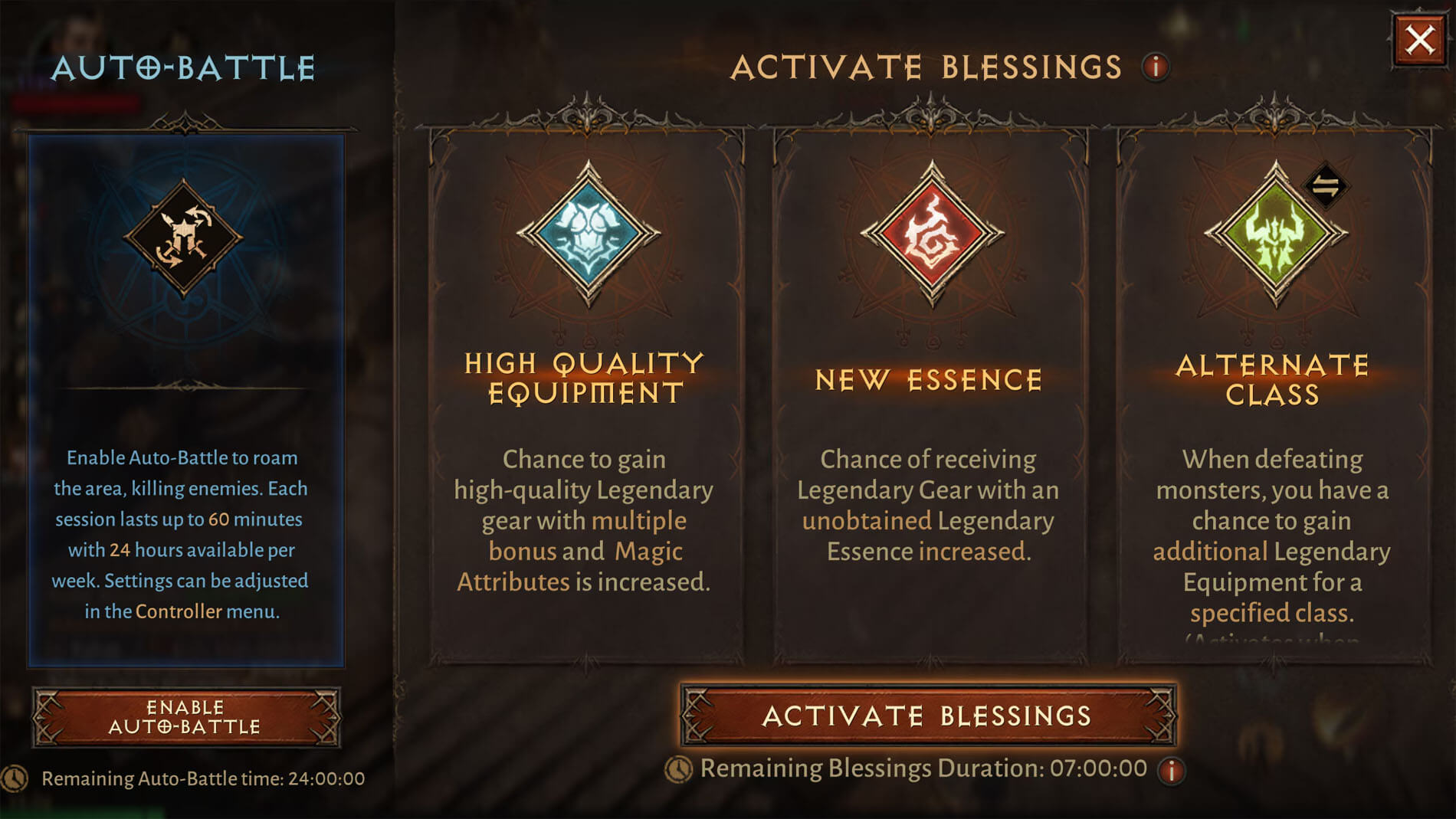
The most recent update, which is substantial, adds a slew of modifications meant to improve competitive depth and player comfort. Leading the way in these innovations is the much-anticipated Auto-Battle option, meant to make the grind easier. But the update offers much more than just convenience; it also makes major changes to the player against player (PvP) systems and the fundamental progression mechanisms. These advancements point to a deliberate attempt by Blizzard to improve the endgame, increase player engagement, and guarantee a dynamic and demanding environment for its committed player base.
The addition of Auto-Battle, a mechanism meant to lessen the weight of repetitive grinding, is the main feature of this upgrade. Accessible via the "Blessing of Legends" interface, Auto-Battle lets characters automatically participate in combat and explore surrounding areas without requiring direct player input. For players who may struggle to commit large amounts of time to active gaming but still want to advance in the game, this feature is especially advantageous. However, Blizzard has deliberately added Auto-Battle to guarantee it is less effective than handwork. This design decision inspires players to maximize their character builds for automated farming, since specific class configurations are predicted to operate considerably better in this mode. Especially during regular material collecting sessions, players who invest time in designing effective farming builds might still benefit greatly from Auto-Battle.
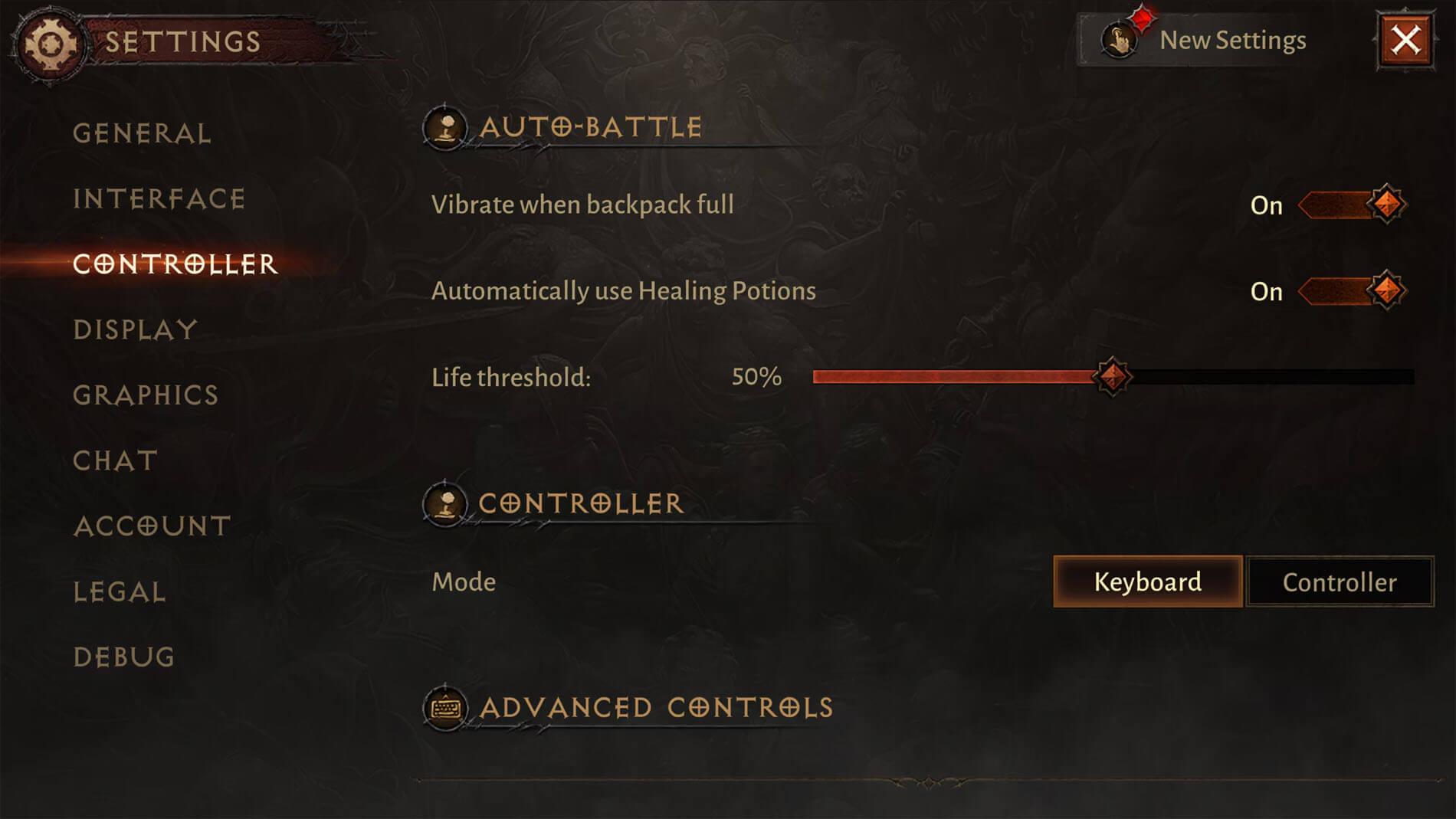
The Auto-Battle system provides more customization options. Automatic Health Potion usage can be enabled by players, along with customizable health levels that control when potions are used. Found under the Controller section of the menu, these settings provide a certain level of influence over the survival of characters during automated sessions. Auto-Battle is limited to one hour of continuous usage every activation, with a weekly total of 24 hours, to preserve game balance and stop possible misuse. Furthermore, inventory management is still a manual process; thus, players will still have to tend to their inventories to retrieve or organize gathered things. Once characters attain level 60, Auto-Battle is activated to guarantee gamers have a basic grasp of the game before using this helpful tool.
Overhauling PvP and Competitive Play
With a special focus on Battlegrounds, the update also brings major changes to Diablo Immortal's PvP scene. Open Captain Selection is being added to Battlegrounds to help make teams more even and add a strategic dimension to high-level competitive gaming. There is a chance for a "Legendary Duel" to happen when every matched player reaches Legend level or above. The top two rated players become captains at this stage and participate in a draft-style selection process to build their squads. Every captain chooses three teammates according to a set draft order. Every pick is allotted 15 seconds for captains; should the time limit be exceeded, the system automatically assigns players. The remaining players are then assigned automatically.
Emphasizing leadership, strategic team composition, and player cooperation, this new approach adds a competitive dynamic into Battlegrounds. Player stats are no longer squeezed during Legendary Dual matches, and all participants get more damage reduction to improve match speed and survivability. Players who leave during the selection process will face penalties, thereby discouraging match refusal. This functionality is now included in the Battleground Classic mode, particularly throughout Assault fights. Moreover, the patch increases Cross-Region Battleground matching to cover Oceania, Korean, Japanese, and SEA servers. This integration is meant to shorten queue times, diversify matchmaking, and foster a stronger competitive scene for gamers throughout these areas.
The update makes significant improvements to the general progression systems and Challenge Rifts beyond PvP and Auto-Battle. Running from May 4 to June 17, Season 18 of Challenge Rifts brings fifty new levels that raise the highest advancement to Floor 800. This new cap needs 61,759 in Combat Rating. Blizzard has also changed the difficulty curve for Floors 731 through 750, lowering the entry criteria to give a more fluid and approachable progression journey for gamers progressing through the endgame content. These changes intend to make the endgame interesting and rewarding for more people, ensuring that advancement feels more manageable as players approach the Challenge Rifts.
Competitive Landscape and Customization Enhancements
Particularly via large changes to the Rite of Exile, the competitive endgame mechanisms inside Diablo Immortal are experiencing a dramatic shift. Blizzard's strategic emphasis is plainly on increasing the integrity and tension of the Cycle of Strife. For Rite of Exile battles, a new hidden matching mechanism has been added. This invention asks Immortal chiefs to carefully find their next opponents via the use of scouting points. These points come from completing different chores each week and being active in the game. The scouting system ensures that Shadow clans are found in the match order, therefore adding a vital layer of tactical planning before these important conflicts. Moreover, the winning criteria for Week 7 have dropped from four wins to three. This change aims to improve access to the road to becoming Immortal, therefore enabling more clans to actually compete for this sought-after level and so boosting general rivalry across all servers. This change aims to encourage a more inclusive and active competitive environment by directly tackling player comments on the difficulty of reaching the top level of power.
Beyond PvP, the update significantly addresses player progression and the intricate systems that govern character development. With the release of Battle Pass 52: Cycle of the Path of Ancestry on May 7, the Battle Pass is scheduled to get a new infusion of material. This new pass offers a unique Legendary Gem, essential upgrade materials, and a long-term cosmetic treat. The reward for players who buy the Battle Pass for three months in a row is a really nice perk: They will unlock empowered cosmetics useable over several classes. This promotes ongoing involvement and offers players a concrete and visually appealing incentive for their loyalty.
The Legendary Gem system, a foundation of player power, is receiving a much-needed update as well. Beginning April 29, gamers can nominate a particular Legendary Gem. When they get a gem of the same rarity, the chosen gem will have a boosted 50% chance of dropping. This change gives gamers a great deal more control over their progress and enables more focused acquisition of the jewels required to maximize their builds. Players who have frequently felt the annoyance of RNG-dependent advancement will find this is a welcome shift.
Refining Combat - Pacing Accessibility - Quality of Life
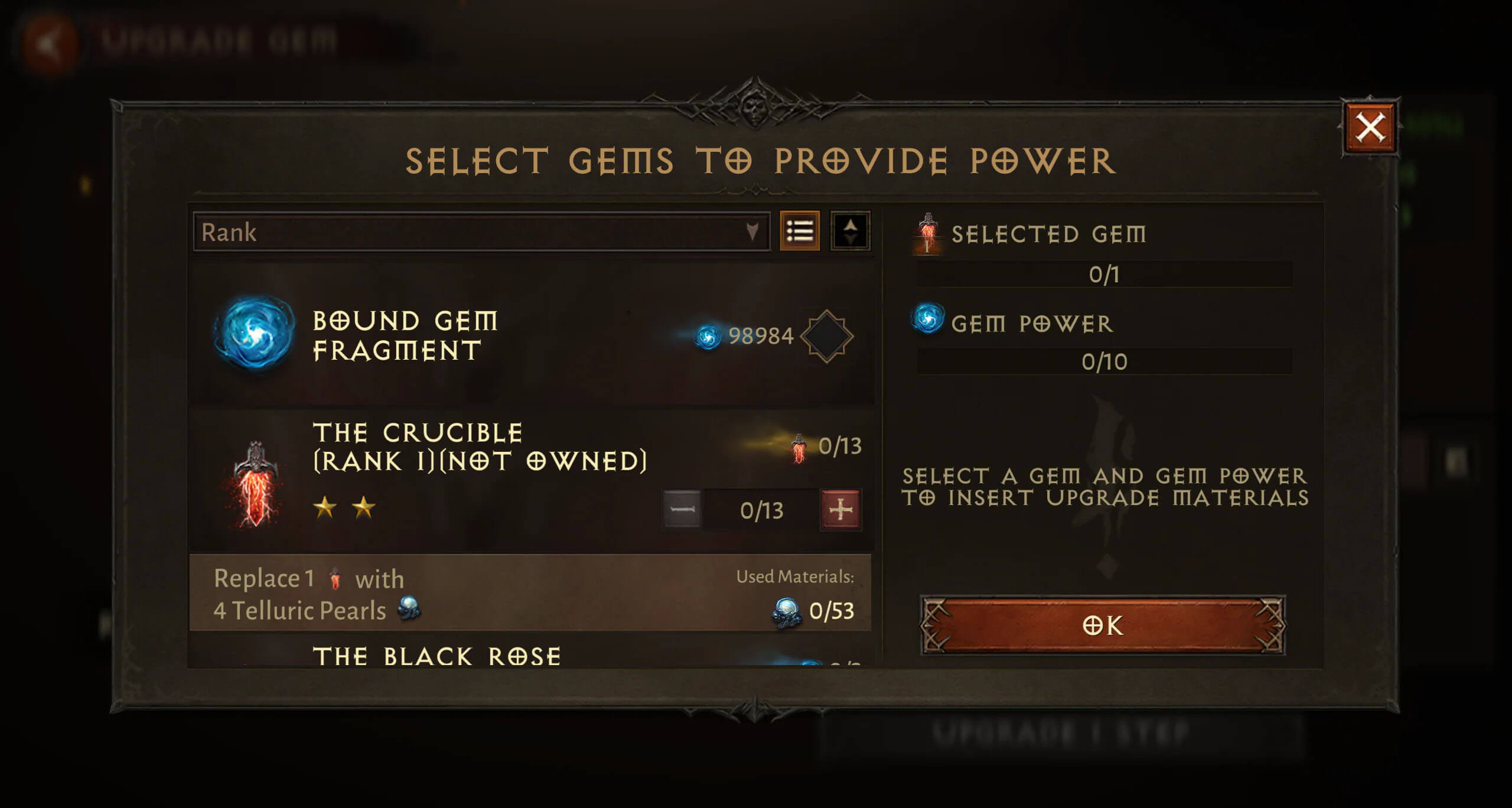
The speed of PvP fighting is also being changed by raising damage reduction throughout Battlegrounds, Assault and Convoy modes, and Tower War. An additional 15% reduction in total damage is being added compared to the current live experience. This modification seeks to increase engagement and strategic combat by rewarding skilled play and teamwork instead of rapid, massive bursts of damage. This change ought to result in more complex and interesting PvP encounters. Furthermore, crossover Legendary Gems including The Crucible will now provide Telluric Pearls throughout Progressive Upgrades. This increases accessibility to these strong, cooperative gems for progression over time, therefore improving construct variety and progression routes.
Several quality-of-life enhancements meant to improve the general player experience complete this thorough update. To make getting around easier, a new teleport station has been conveniently added close to Namari Temple in Bilefen Island. Under Graphics Settings, a new "Vibrant" visual filter has been added that gives user’s additional visual customization choices. Visual noise from some talents has been lowered as well as a persistent problem stopping side-quest items from being destroyed has been solved. Along with notable PvP tweaks and significant progression changes, the introduction of Auto-Battle places this most recent patch among the most feature-rich upgrades to date for Diablo Immortal. These together will rejuvenate the game by providing more convenience for casual play as well as deeper, more strategic challenges for committed endgame players.
The most recent Diablo Immortal update represents a major development for the game by directly responding to player input with the much-awaited Auto-Battle capability. Together with significant changes to Battlegrounds, the debut of strategic team selection, and expanded matchmaking, this addition shows a will to improve both the casual and competitive player experience. The changes to Challenge Rifts improve the progression of the endgame even more by making it more accessible and rewarding. Taken together, these improvements aim to improve Diablo Immortal's gameplay loop by giving players greater flexibility, strategic depth, and ongoing chances for growth in the realm of Sanctuary.
Prepare for the Reckoning Against Mephisto

The release of Diablo IV: "Lord of Hatred" signals a turning point for the series. The stakes have never been higher given the impending showdown against Mephisto. The expansion presents a new chapter in the continuous narrative as well as redefines the basic groundwork of Diablo IV with the addition of the Paladin and Warlock classes, an updated skill tree system, and a drastically changed endgame. Players are being called to set out on a path from which there is no turning back, confronting the Lord of Hatred and all the obstacles that arise from his return. This is an invitation to get ready for the reckoning, accept the darkness, and create a new history in the ruthless realm of Sanctuary. The unrelenting plot and abundance of fresh material guarantee an experience that will challenge the mettle of even the most experienced adventurers, stretching the game's boundaries into its most sombre and intriguing chapter yet.
Lord of Hatred Expansion Overview
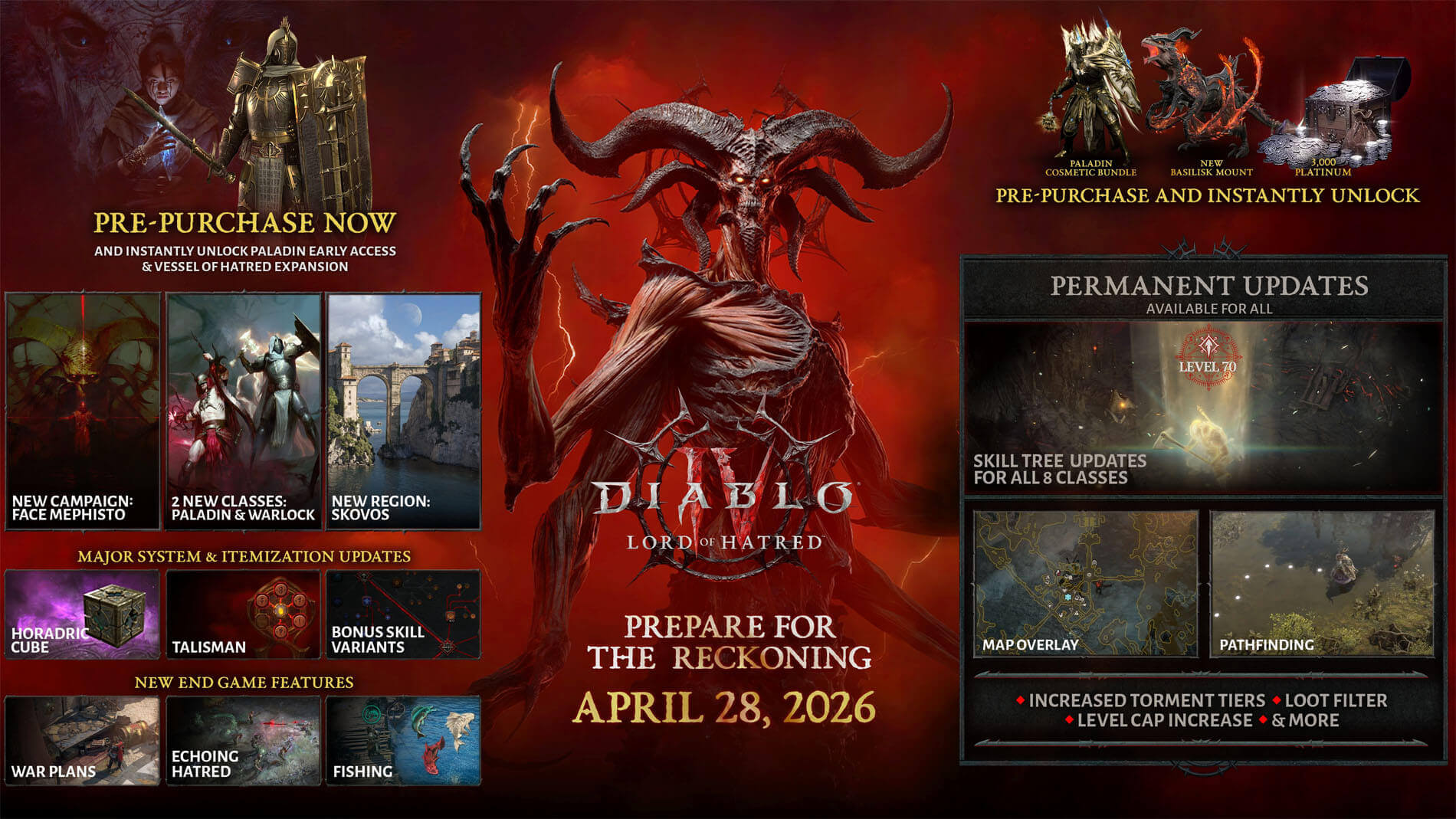
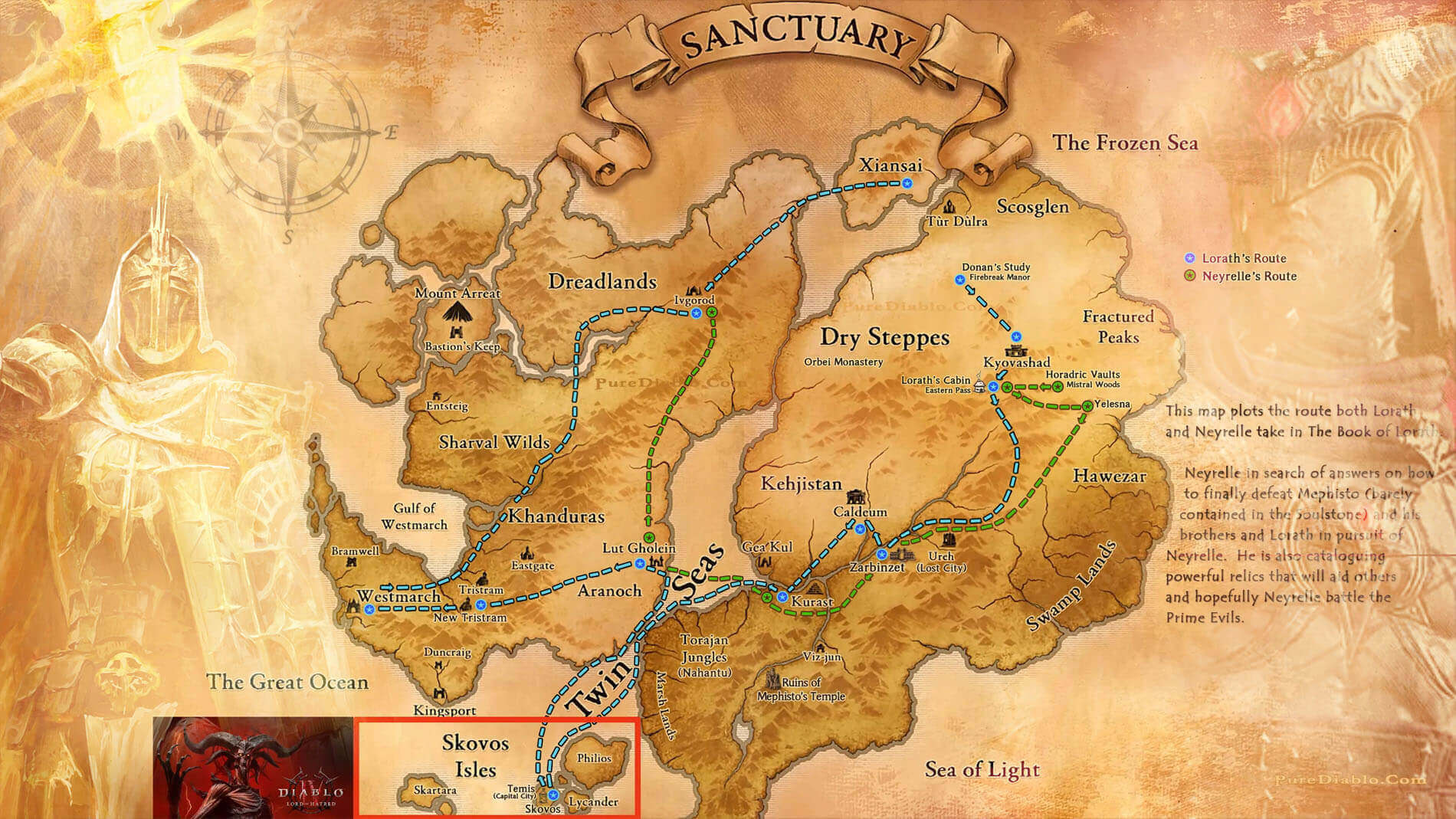
Long a battlefield, Sanctuary has always been under attack from the Prime Evils and their demonic armies. In this continuous battle for existence, the "Lord of Hatred" expansion for Diablo IV offers a major new chapter, enticing gamers back into the fight with a gripping narrative, thrilling new gameplay features, and a large, unexplored area. This extension focuses on the last fight with Mephisto, the Lord of Hatred himself, an enemy whose power has ruined Sanctuary for decades. The campaign takes place in the ancient and enigmatic land of Skovos, a location mentioned in lore but never previously available to players. This new territory is more than just a backdrop for war; it is a place rich in history, now jeopardized by the invading darkness and the slow expansion of Mephisto's loyal followers. Players will set off on a dangerous quest, making alliances with familiar faces and new allies, all in a frantic fight against time to stop Sanctuary from falling completely to the destructive force of hatred.
A Sprawling New Campaign and Region
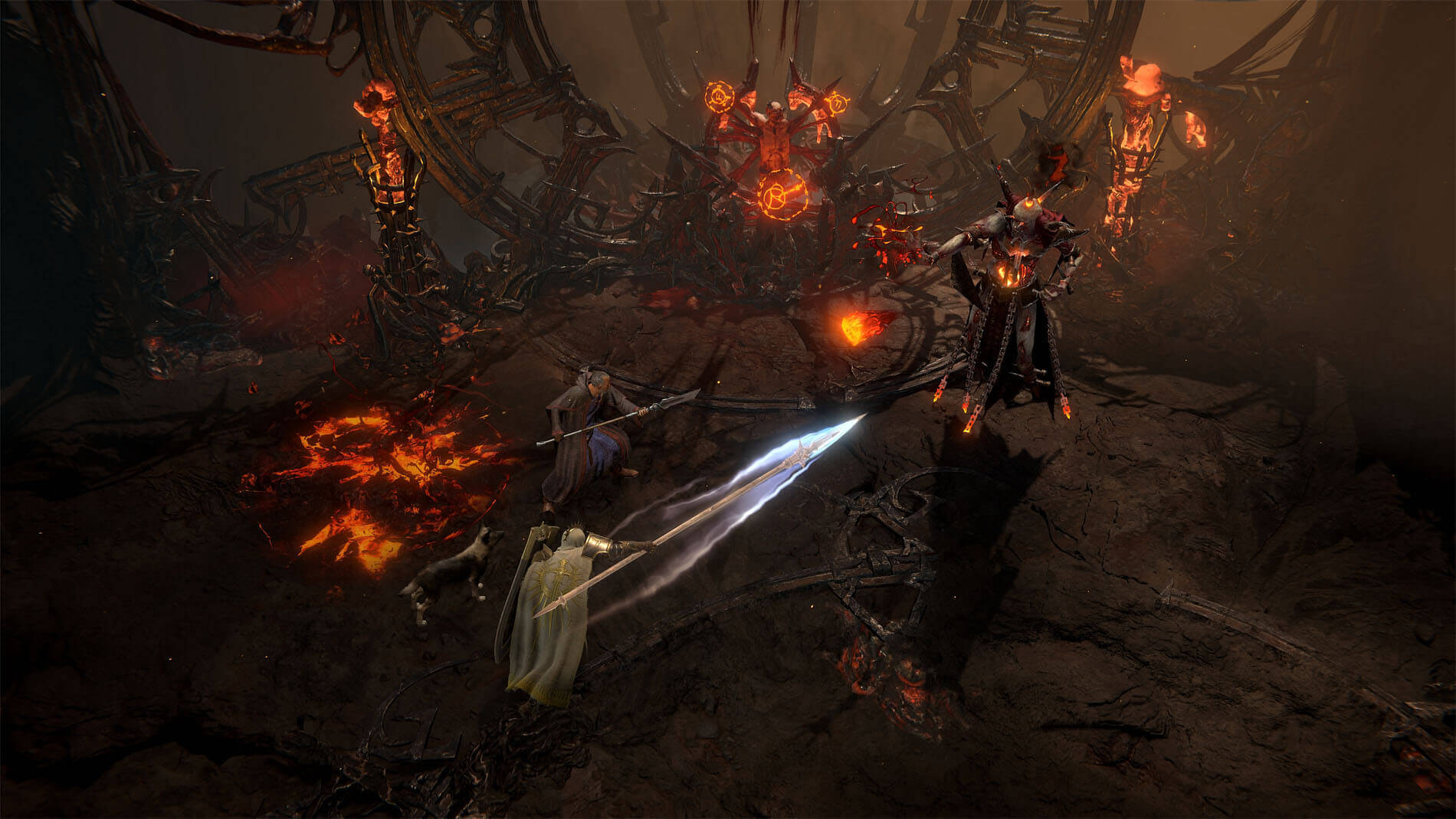
The core of the "Lord of Hatred" expansion is its new campaign, which throws players into the complex political and religious world of Skovos. Long the focus of murmured stories and incomplete history, this old area now welcomes players and exposes a universe different from the known areas of Sanctuary. Temis, the glittering capital city, is at the forefront of this new region. Temis is imagined to be the ultimate endgame centre for Diablo IV gamers rather than only a place. Once the campaign ends, this city will become a streamlined centre giving players a centralized area to find all the new discoveries and difficulties the expansion has to provide. The story of the expansion is propelled by the arrival of a prophet in Temis, a development that draws both spiritual seekers and the predatory powers of hell. The danger is painfully evident as demonic forces rise and Mephisto's power expands, turning devoted followers into tools of destruction. The stakes are incredibly high, therefore players, along with their companions, must gather all their strength and ingenuity to stop Mephisto's ultimate goal of engulfing Sanctuary in an eternal tide of hatred.
New Classes: Warlock and Paladin
A hallmark of every major Diablo expansion is the addition of new character classes, and "Lord of Hatred" offers two opposing but compatible archetypes: the Warlock and the Paladin. Although they come together under one aim, to face the Prime Evil, these classes reflect the everlasting battle between light and darkness. The Warlock epitomizes the apex of dark power, a force that directs the minions of hell versus their overlords. This character is the physical embodiment of vengeful power, representing an unrelenting quest of payback; they are not only a figure clad in chains and surrounded by flames. Their playstyle is expected to be unique and include commanding terrifying creatures and unleashing strong dark magic. The Paladin stands on the other end of the spectrum, a stronghold of morality instructed in the controlled sword and shield arts. Their holy teaching, "The Light", is available for everybody with honourable purpose. Wielders of divine might, Paladins are meant to stand as protectors of the downtrodden, using holy power to strike down the forces of hatred. Pre-purchasing the expansion offers players an opportunity to immediately immerse themselves in the abilities of this divine fighter, therefore highlighting the significance of the Paladin as a core component of the new material.
Endgame War Plans
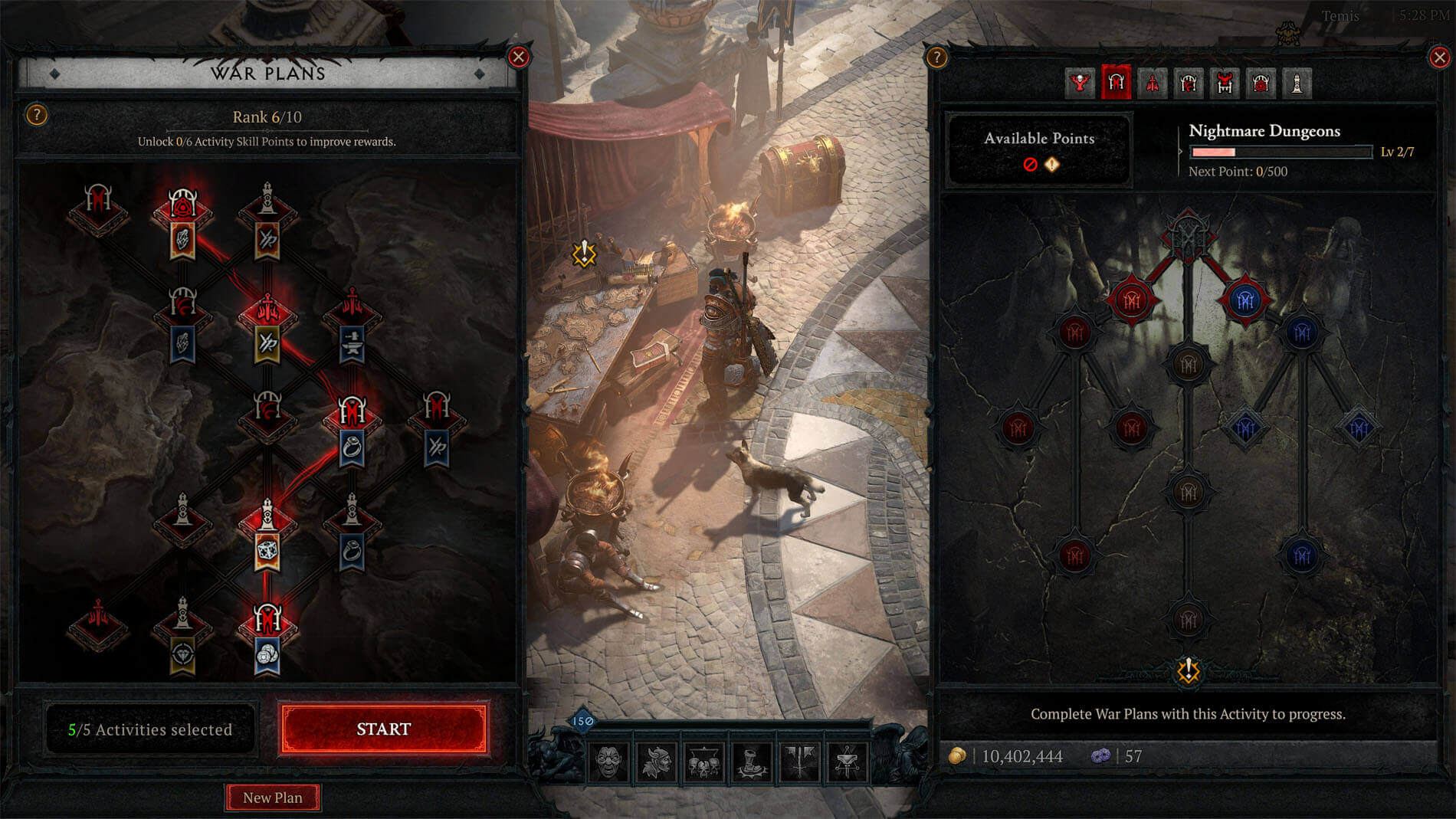
War Plans hopes to turn the endgame from a possibly pointless grind into a guided and fulfilling experience by letting players chain activities, tailor their development, and access increasingly more challenging levels. The mechanics of War Plans will be examined in this article together with the new activities it incorporates and its goal of improving the Diablo IV endgame experience together with other endgame offers including fishing and Echoing Hatred.
A Structured Approach to Endgame
War Plans seeks primarily to provide a more intentional and captivating endgame loop. Once the campaign is over, players can access a command table in Temis, where they can start making their own "War Plans". Players can choose their favorite endgame activities and arrange them into a custom playlist with this method. The range of activities is varied and epitomizes the most demanding material in Diablo IV, including Nightmare Dungeons, Helltides, The Undercity, Lair Bosses, Infernal Hordes, and The Pit. The graceful execution of this system is what makes it so beautiful: Once one action is finished, players are effortlessly sent to the following in their selected chain. This promotes a more engaging and smooth experience by removing the lengthy travel and loading times frequently linked with moving between several endgame activities.
War Plans also features a dynamic progression mechanism connected to a "Command Table". Players level this table as they carry out their War Plans; this then opens more customizing choices and fresh levels of advancement. The addition of "Activity trees" for every endgame activity further enhances this. Finishing these tasks gives players "Activity Points" that could be applied to further customize their endgame experience. This layered development guarantees that every activity played adds to a more general sense of growth, therefore even apparently pointless runs become significant. The ever-present Whispers have even been included into War Plans, not as standalone nodes but rather as modifiers that may double up with any selected activity, therefore adding an additional layer of reward and difficulty without interfering with the established flow. Finishing a whole War Plan ends in receiving prizes from a special "War Chest," a physical recognition of the player's strategic thinking and execution.
Solace and Ultimate Challenge
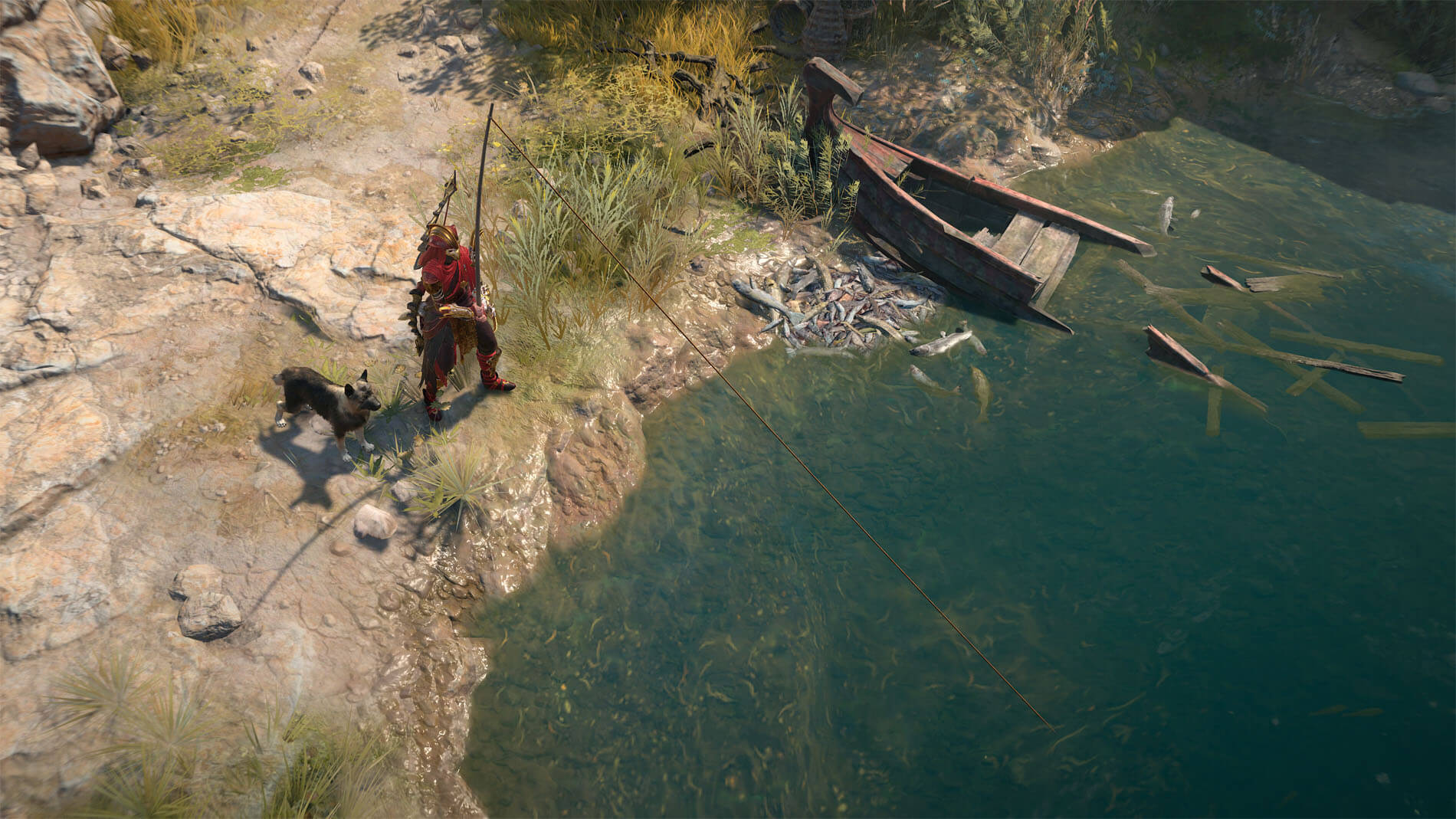
War Plans offers a systematic and demanding route, but Diablo IV's endgame also appeals to players looking for various experiences. The addition of Fishing provides a more laid-back and thoughtful hobby. Players may look for different bodies of water throughout Sanctuary, throwing their lines in search of aquatic species. This game promotes exploration and gathering, with the option to swap fish with other players to finish individual collections. It offers a much-needed break from the constant fighting so that players may interact with the environment more peacefully. The unusual fishing locations found all throughout Skovos provide a sense of adventure to this otherwise peaceful pastime.
On the other hand, for individuals yearning the ultimate bound of their capacities, "Echoing Hatred" offers the ultimate challenge. Finding a "Trace of Echoes" item and presenting it to the Sightless Eye in Temis will let one access this uncommon endgame quest. This deed moves players to a world overflowing with demons meant to drive them to their breaking point. Echoing Hatred is clearly shown as a test for only the most experienced and ready adventurers, a direct battle with the raw, unrelenting might of the Burning Hells. It is a high-risk, high-reward project that attracts the most committed and confident players.
Itemization Updates
Significant itemization changes meant to enable players and provide unparalleled depth in build modification help to address this essential necessity. The Talisman system and the reintroduction of the Horadric Cube are two key additions that will fundamentally change how players get, improve, and make their gear the best it can be. This will lead to a more engaging and strategic endgame experience.
The Talisman System
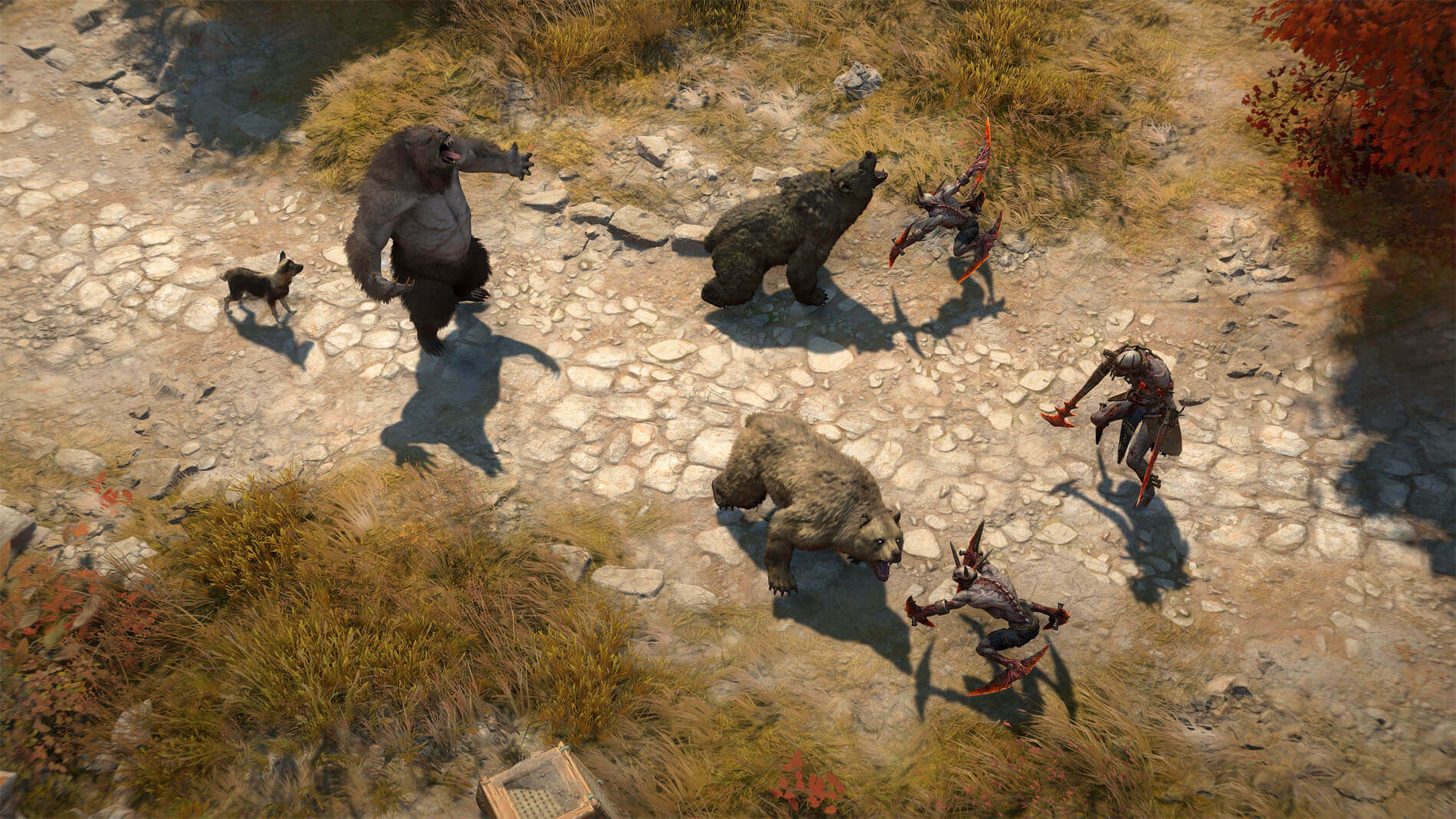
Leading these developments is the debut of the Talisman, a unique item system that incorporates the idea of set bonuses into Diablo IV. Seals and Charms power this system, therefore adding an additional layer of customization for player builds. Players open a different number of Charm slots depending on the Seal they use, with stronger Seals giving them more slots and affixes. Then, charms can be freely added into these empty slots to enable dynamic changes to a player's abilities. By carefully arranging several non-Unique Charms that have the same affixes, you will get stacked bonuses that will greatly enhance their power.
The Talisman system takes this customization to the next level with the debut of Set Charms. These unique Charms change how players view build synergy by allowing partial or full set bonuses. Unlike earlier versions where gear alone defined set bonuses, Charms now interact with equipped goods to release the complete potential of a build. These sets can either be class-specific, giving special advantages customized for certain classes, or generally appropriate, conferring benefits to any explorer. This twofold strategy guarantees that the Talisman system benefits both specialized and general builds. The strategic quest of set bonuses together with the opportunity to mix and match Charms gives gamers a large toolkit to improve and power their characters.
The Horadric Cube
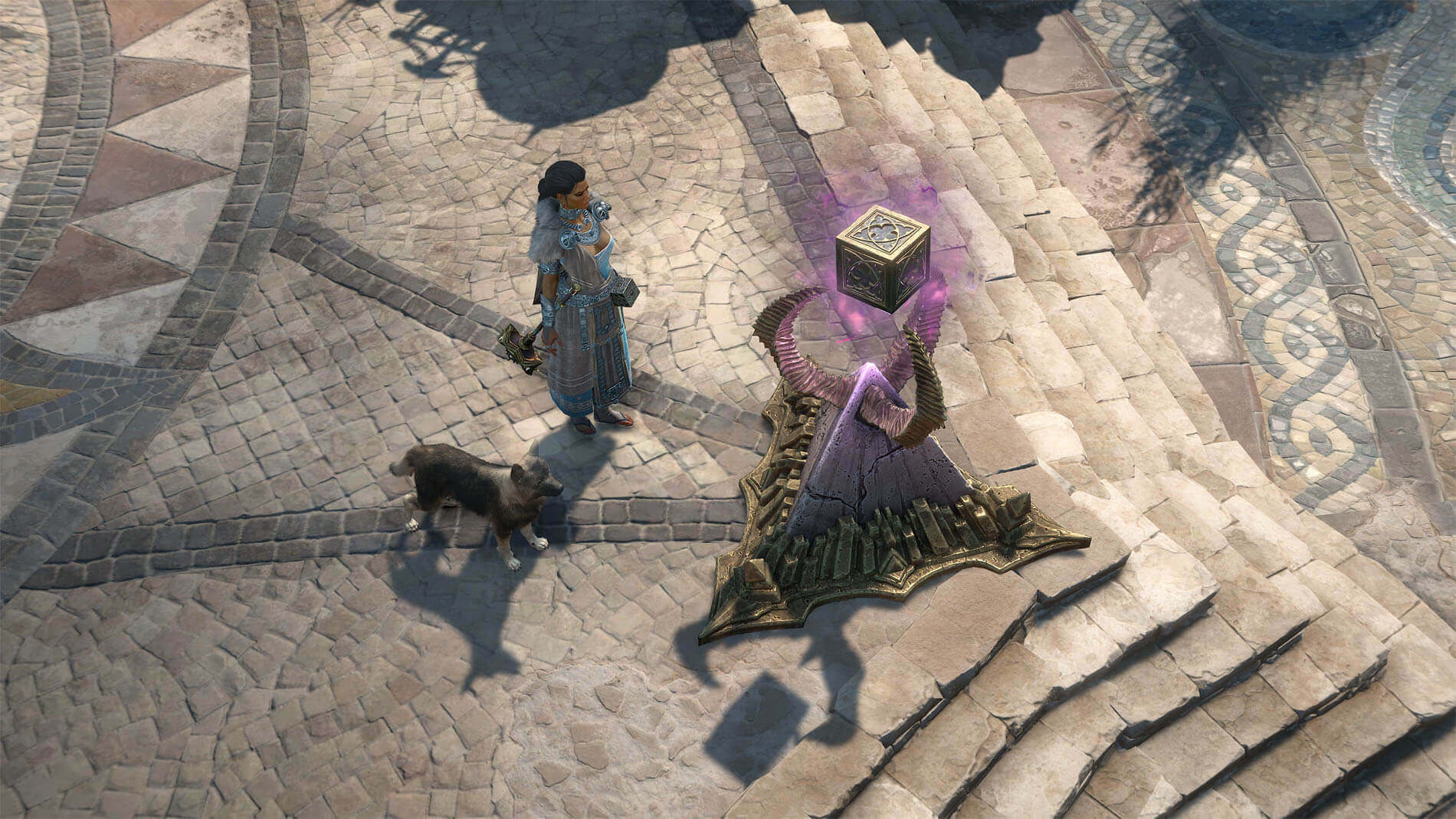
Complementing the Talisman system, the legendary Horadric Cube returns during the Lord of Hatred campaign. Once unlocked, this strong crafting station is offered in Temis with a wide range of transmutation and customization choices. Most recipes for the Horadric Cube require new crafting materials, and it can be used to make equipment, consumables, Talisman artifacts, and socketable products. These materials are collected from a variety of sources, including Elite Monsters, Cube Spoils earned from completing War Plans, Undercity Tributes, and Whisper Caches, so promoting exploration and active involvement with the game environment.
The Horadric Cube has a lot of uses. It lets players put on, take off, and reroll affixes on their equipment. It can re-roll items of the same quality, improve all kinds of items, and even create unique charms. The Cube can also change things for improvements and other advantageous results. For example, it enables the development of improved jewels exceeding the basic Jeweler's capabilities. It also provides the option to reroll Set Charms and imbue things with strong affixes, similar to the Season of Divine Intervention's Sanctification but with more choices and perhaps less danger. The Horadric Cube also provides better control over Rune transformations, enabling the production of particular Legendary Runes needed for Runewords and Mythic Unique crafting. In addition to its known uses, the Horadric Cube has secret recipes just waiting to be found, which adds a sense of mystery and makes careful exploration worthwhile.
Gem Changes
Significant modifications to the gem system have also improved the itemization environment. The effects of weapon gems have been significantly boosted, and two additional tiers of gems, Horadric and Flawless Horadric, have been added. The Amalgamation Recipe found in the Horadric Cube is used to create these higher tier gems, therefore directly connecting gem evolution to the crafting abilities of the Cube. This guarantees that players that master the Horadric Cube will also profit from the strongest gem upgrades accessible.
Major Skill Tree Updates
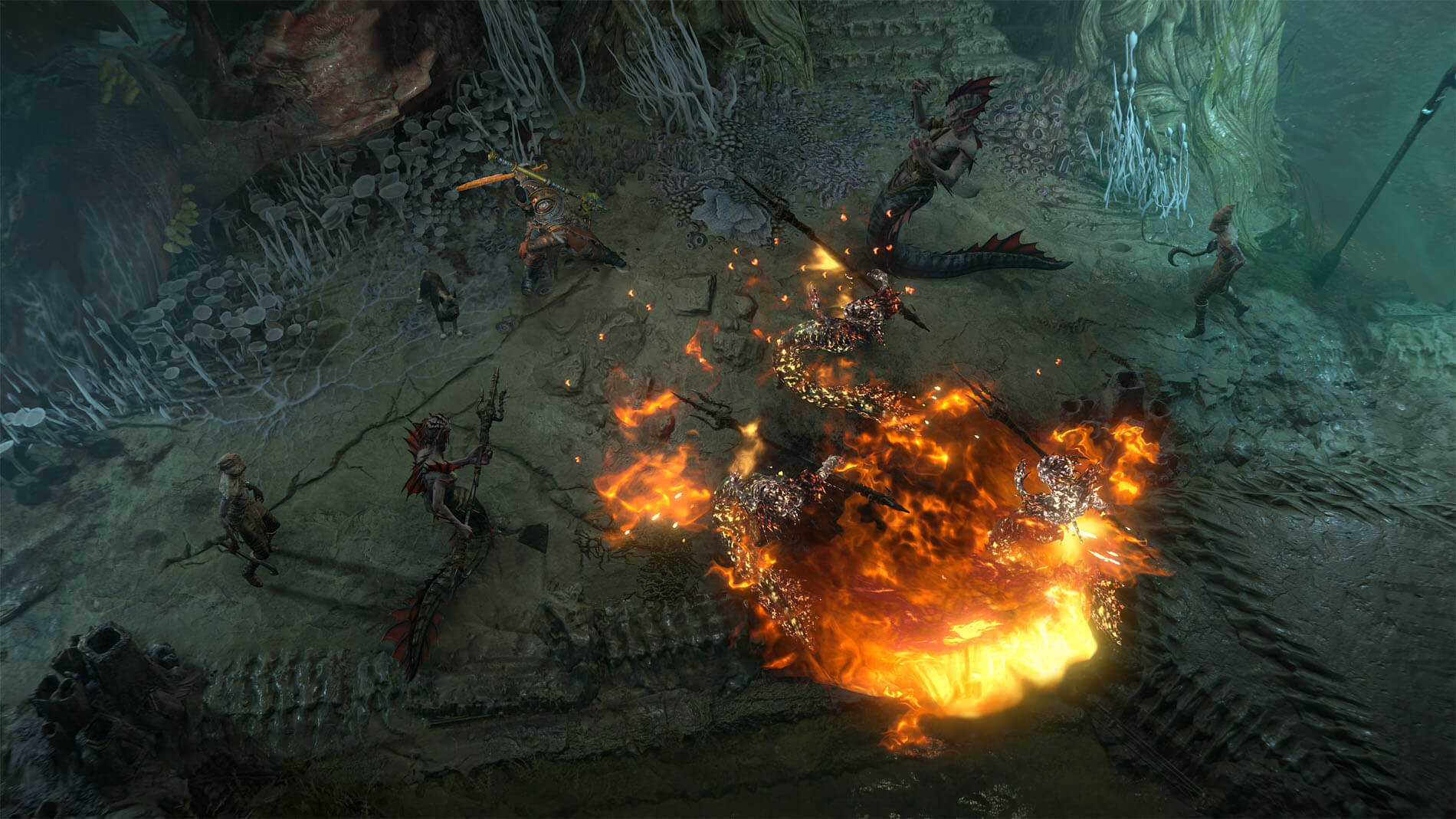
This update adds a ton of new choices, building on the current framework to enable more varied and interesting character constructions. The redesigned skill trees aim to give players more control over their playstyle, ensuring that familiar favorites can be recreated while also promoting exploration of totally new archetypes. The developers have aimed to increase the strategic layer of character growth in Diablo IV by re-imagining how passive effects and talents are combined.
The Revamped Skill Tree System
The revamp of the skill tree in the Lord of Hatred expansion is mostly centred0 on its sheer volume and depth of customizing options. Players now have access to a considerably larger array of skills, including more than 40 revised choices and an additional 80 new possibilities. The overall pool of up to 83 accessible Skill Points per character increases these opportunities even more. Active skills have not only been boosted but also increased in count, with changes aimed at keeping a sense of familiarity for players that have spent time with current builds. The elimination of passive nodes directly from the skill tree represents a significant divergence from the earlier approach. This modification lets players more deliberately assign their points to active skills, which are the main determinants of combat performance.
Integration of Passive and Legendary Effects
Passive nodes have been eliminated from the immediate skill tree, but their impact has not lessened; instead, it has been redistributed. Reimagined Legendary Aspects and Unique goods include many previous passive and key passive nodes. This change motivates players to look for certain equipment items that enhance their chosen active abilities, therefore adding a vital layer of loot-driven advancement. On the other hand, several Legendary Aspects have been directly integrated into the skill tree itself. This connection gives players more direct influence over the fundamental build-defining decisions within the skill tree, therefore simplifying the acquisition of specific strong abilities. This duality in the positioning of these effects provides a dynamic interaction between gear acquisition and skill point allocation.
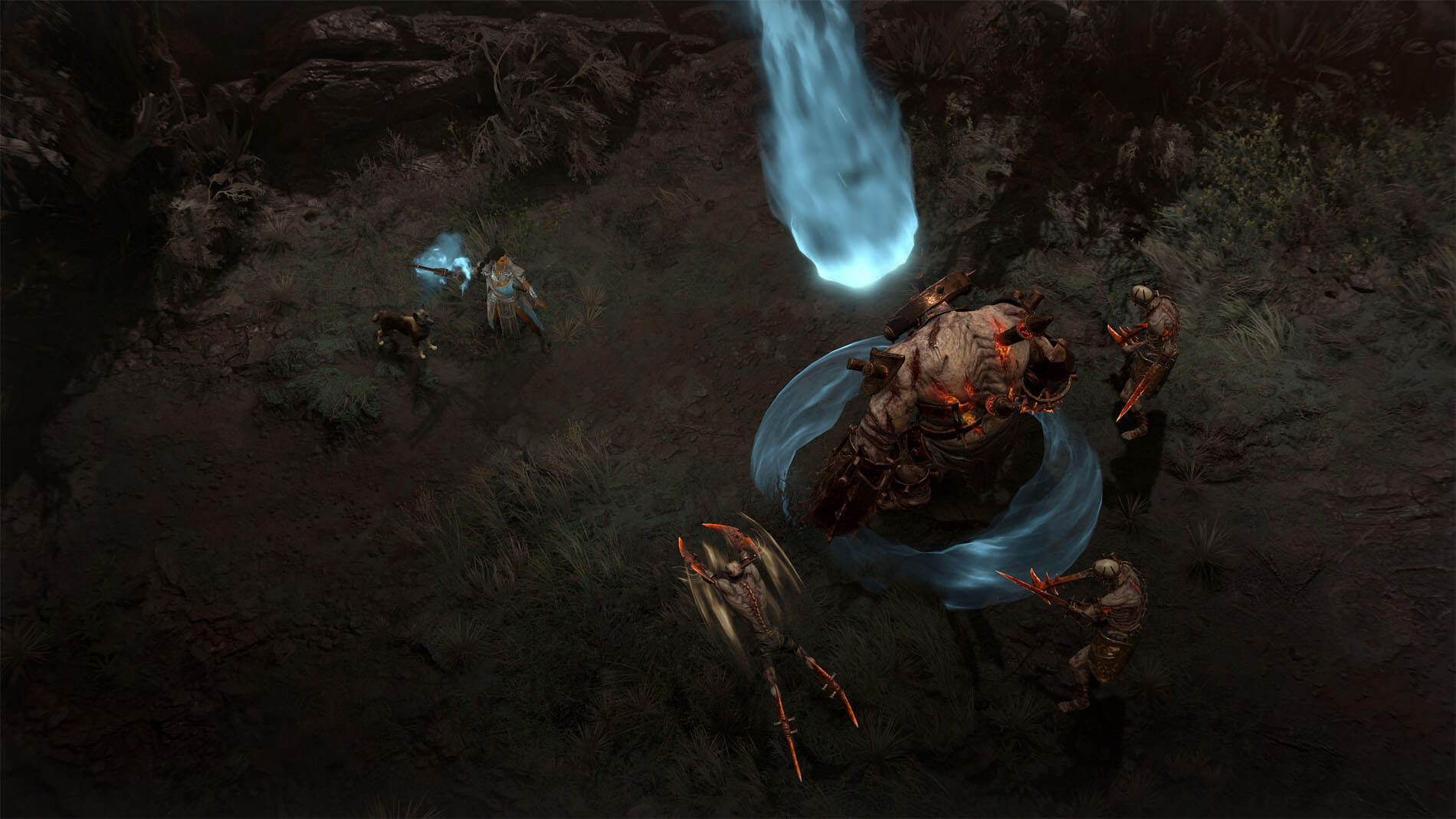
Active Skill Branching and Modifiers
Diablo IV now has a branching structure for every active skill, which lets the player unlock more options as they advance in levels. Players have the option of selecting one modifier from each of the three accessible skill branches. The first two branches provide general modifiers that can broadly improve a skill's fundamental capability. Slight changes in the performance of an active skill are made possible by these modifiers, therefore enhancing its fundamental application. But the third branch adds Bonus Skill Variations. These provide a choice of three different, build-defining features; many are brand-new, while others draw inspiration from previous Legendary Aspects. It's worth mentioning that access to all three Bonus Skill Variants needs ownership of the Lord of Hatred expansion. Two of the three versions will be available to players without the expansion, still providing them with great flexibility.
Skill Variants and Playstyle Evolution
Players have a minute degree of control over their character's powers thanks to the modifiers and skill variants. As players advance through various level milestones, modifiers become accessible, guaranteeing that development feels natural and fulfilling. The capacity to raise various Skill Variants using Skill Ranks offers a major improvement. This implies that the stronger its related variations get, the more points are put into a fundamental active ability. This mechanism encourages a deeper relationship between the player's primary fighting tools and their selected modifiers by providing a clear incentive to specialize in specific active abilities.
For several courses, the Bonus Skill Variations provide the intriguing potential for modifying the damage or elemental type of a skill. For instance, a Fire skill might be changed into a Frost or Blood skill. This agility gives several new possibilities for interaction and builds creation. These fundamental or damage type changes have broad effects, influencing how abilities interact with affixes on equipment, class-specific mechanics, Paragon board decisions, even Talisman seals and charms. This makes it possible to create extremely specialised builds that work with particular skill tags, resulting in distinct and powerful fighting experiences. The skill tree changes in the Lord of Hatred expansion are evidence of Diablo IV's dedication to improving its gameplay and giving players the resources to create really one-of-a-kind heroes.
Druid and Necromancer Overhauls in Diablo IV
Sanctuary in Diablo IV is always changing. The most recent changes to the game's classes, especially the Druid and Necromancer, indicate a major change in how players may approach combat and build their characters. These two classes, with their strong links to the natural world and the powers of death, have undergone significant adjustments to their skill trees and fundamental gameplay. These changes seek to increase player agency, hence enabling more specialized builds and fluid gameplay. Anyone wishing to learn the enigmatic arts or unleash the raw power of nature in their quest to vanquish the Lord of Hatred must first comprehend these changes.
Druid Skill Tree Transformations
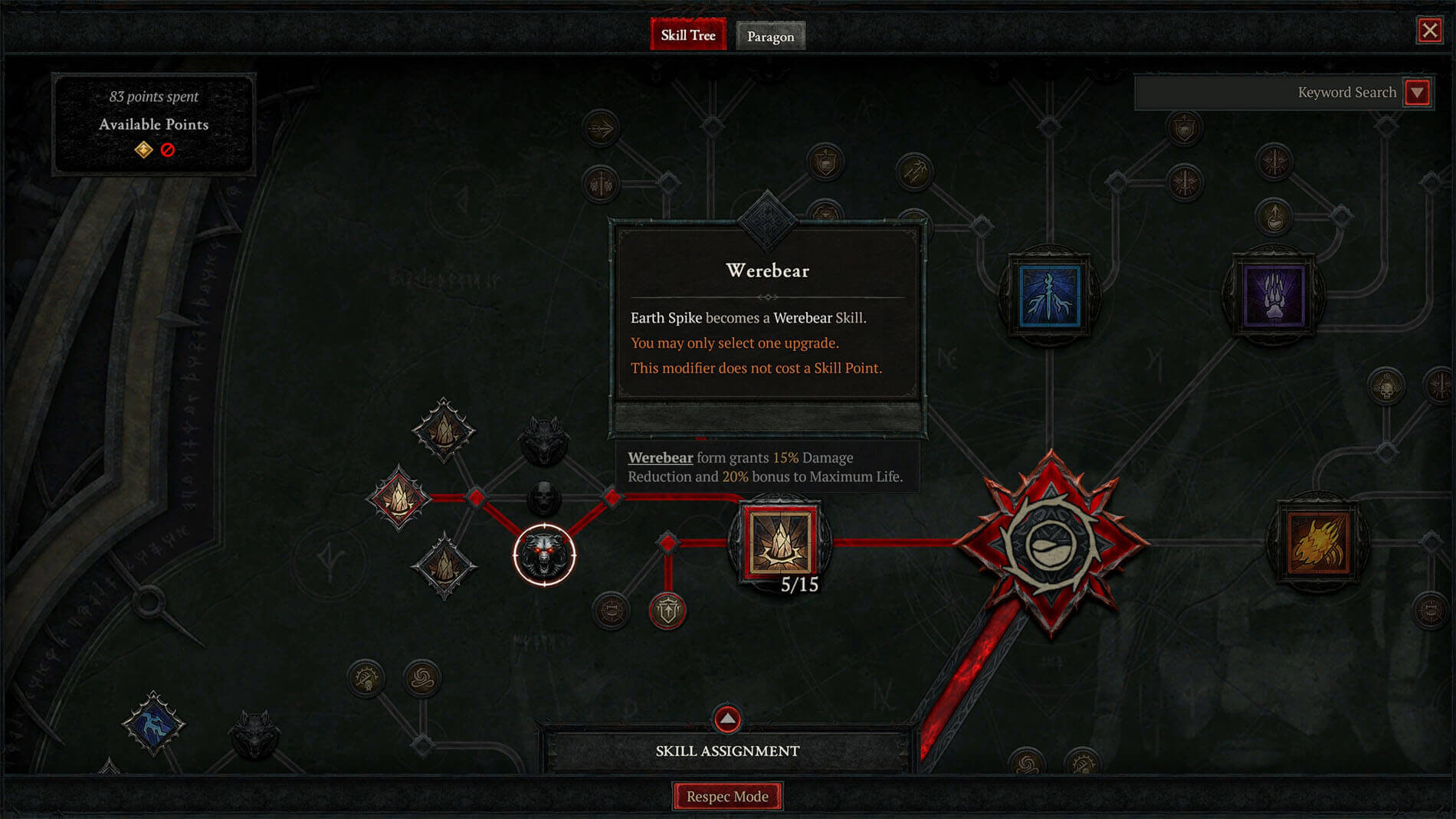
The Druid's skill tree has experienced a remarkable change, with a clear focus on form variety and shapeshifting. The use of changing choice nodes is a major development. These nodes, which are deliberately located throughout the skill tree, give players the freedom to choose which shapeshift form a given ability will use, whether it be the nimble Werewolf, the mighty Werebear, or the resilient Human form. Crucially, these changing choice nodes are a simple and effective method of customisation since they do not need the use of additional skill points. This design approach enables Druids either to dedicate entirely to one form or to embrace a playstyle based on quick, fluid transformations. Affixes on equipment, Paragon board nodes, and charm effects are among the many game systems with which both strategies might work well together. Moreover, this enables players to keep a desired form independent of particular equipment enchantments.
There are a few basic guidelines guiding these changing decision nodes. Along with three additional particular abilities, Earthen Bulwark, Cyclone Armor, and Hurricane, companion skills have been made form agnostic. This implies they will not change the form the Druid has taken. With the exception of Cyclone Armor and Hurricane, storm skills can be linked with either the Human or Werewolf form. Similarly, Earth skills may be connected to the Human or Werebear form, excluding Earthen Bulwark. A significant limitation is that players are unable to switch into the Human form while using any native Werewolf or Werebear ability. Furthermore, Nature skills that involve a shapeshift form do not automatically include the Shapeshifting skill tag, implying they do not inherently count towards mechanics that specifically aid shapeshifters.
An important advantage of these changing choice nodes is that choosing the natural form of any skill always bestows a bonus. For example, selecting Trample, a talent inherently related to the Werebear form, to stay a Werebear skill provides it a damage boost. On the other hand, should Trample be rearranged to operate as a Werewolf talent, its animation transforms to that of a Leap, therefore providing a different tactical benefit while also changing its fundamental identity. This mechanism enables Druids to customize their powers exactly to their intended fighting role, whether that calls for fierce melee, quick strikes, or strong storm magic, therefore enabling sophisticated build planning.
Necromancer's Reimagined Arsenal
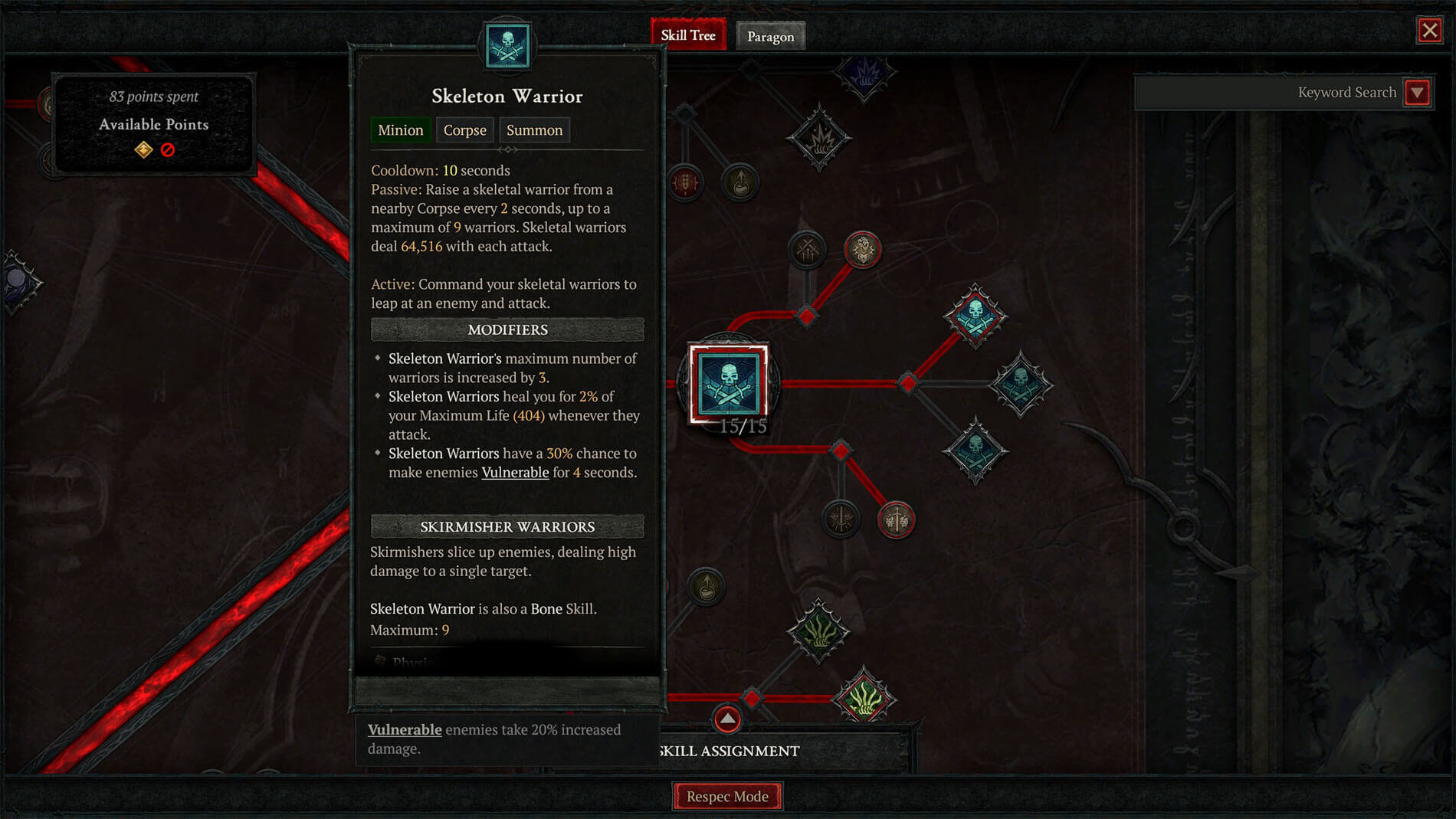
Particularly regarding their minion management and core skill set, the Necromancer class also gains from major changes. The famous Raise Skeletons talent has been divided into two separate powers: Skeletal Mages and Skeletal Warriors. Using Essence, a main resource for Necromancers, Skeletal Mages are now summoned directly controllable over their deployment. In contrast, Skeletal Warriors are passively raised from deceased Bodies and may be ordered to concentrate their attacks on certain targets, therefore offering tactical depth to their engagement. Golems, Skeletal Mages, and Skeletal Warriors are now included into the Necromancer's skill tree. This inclusion significantly increases tailoring possibilities, therefore enabling gamers to carefully create builds fit to their own playstyles.
Naturally, this integration begs a query regarding the destiny of the Book of the Dead class ability. The Book of the Dead remains mostly complete, thankfully; changes mostly impact the Sacrifice element. Although gamers still use the Book of the Dead to specify their minion types and choose upgrades while keeping minions active, the Sacrifice mechanism itself has been re-defined. It can now be used even when minions are actively fighting.
Sacrifice still provides worthwhile benefits like a higher Critical Strike Chance, better Resistances, or stronger Essence Regeneration. The crucial distinction is that sacrificing minions no longer obstructs their summoning as long as the player has invested skill points into their corresponding abilities and has them equipped on their skill bar. Under this system, when minions are sacrificed, Skeletal skills will generate fewer summoned units, and Golems will cause lower damage. This development offers an interesting trade-off. The Sacrifice mechanism may be a strong tool for players who mostly use their minions to bolster allies, offer support, or serve as robust tanks, enabling notable stat increases without totally giving up minion presence. The player's strategic evaluation of these trade-offs will determine whether to adopt Sacrifice or keep a full complement of minions, so motivating exploration of the various opportunities this change opens.
Loot Filter Revolution
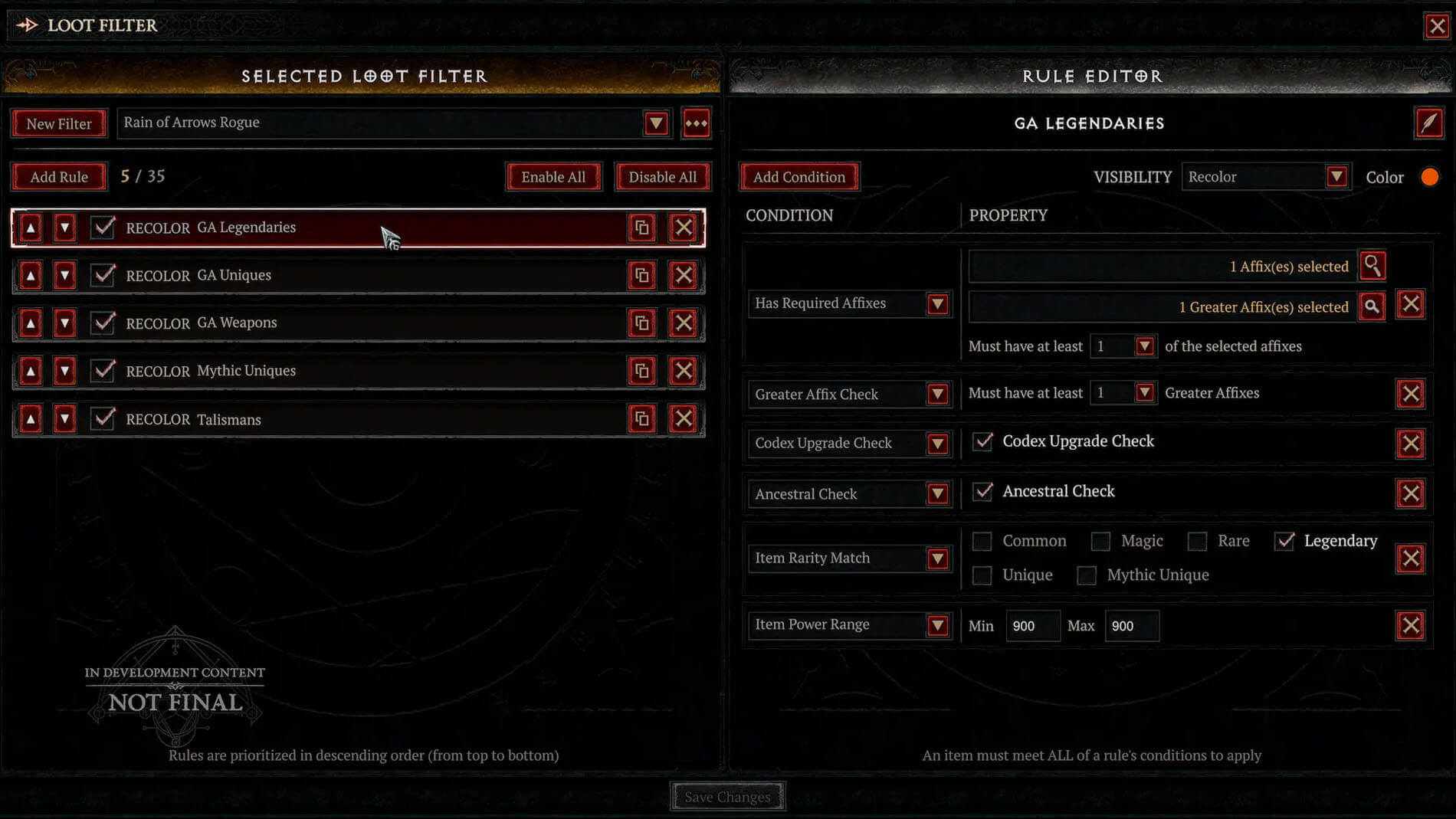
Long offering players a torrent of objects, Diablo IV is a game steeped in a rich history of nonstop monster killing and the ongoing search for potent equipment. Progression depends critically on sifting through this frequently bewildering flow of drops, particularly as players approach the endgame. The addition of the Loot Filter is a major step forward since it provides a powerful tool for dealing with the mess that comes with getting loot. The purpose of this article is to investigate the usefulness of Diablo IV's Loot Filter, its influence on gameplay, and how users may best utilize its capability to enhance their journey in Sanctuary.
The Mechanics of the Loot Filter
Found under the Gameplay options menu, the Loot Filter in Diablo IV lets gamers personalize their loot experience. It enables accurate management of how dropped objects are displayed by providing the ability to conceal, recolour, or clearly display particular equipment. This feature gives a comprehensive view of gear management by including things discovered in the player's inventory, stash, even on vendors. It is worth mentioning that the filter only focuses on gear objects and does not impact non-gear items like crafting supplies, jewels, and money.
Creating a Loot Filter calls for custom rules and criteria. Players can create several filters but only one can be active at once, enabling custom configurations fit for varied farming goals. Every filter may include one to twenty-five different criteria. Dictating how things are presented based on a collection of predetermined criteria, these rules are central to the filtering process. Players can designate activities such as "Hide Text Label/Hide All" inside every rule, which makes certain objects invisible and unpickable unless the filter is momentarily turned off or the rule is switched off. The "Recolour" option, however, lets players designate certain hues to item names and text, so making expensive drops immediately noticeable among the visual mess. The "Show" action makes sure certain objects are always shown by overriding any "Hide" criteria in the same filter.
Crafting Effective Loot Filters
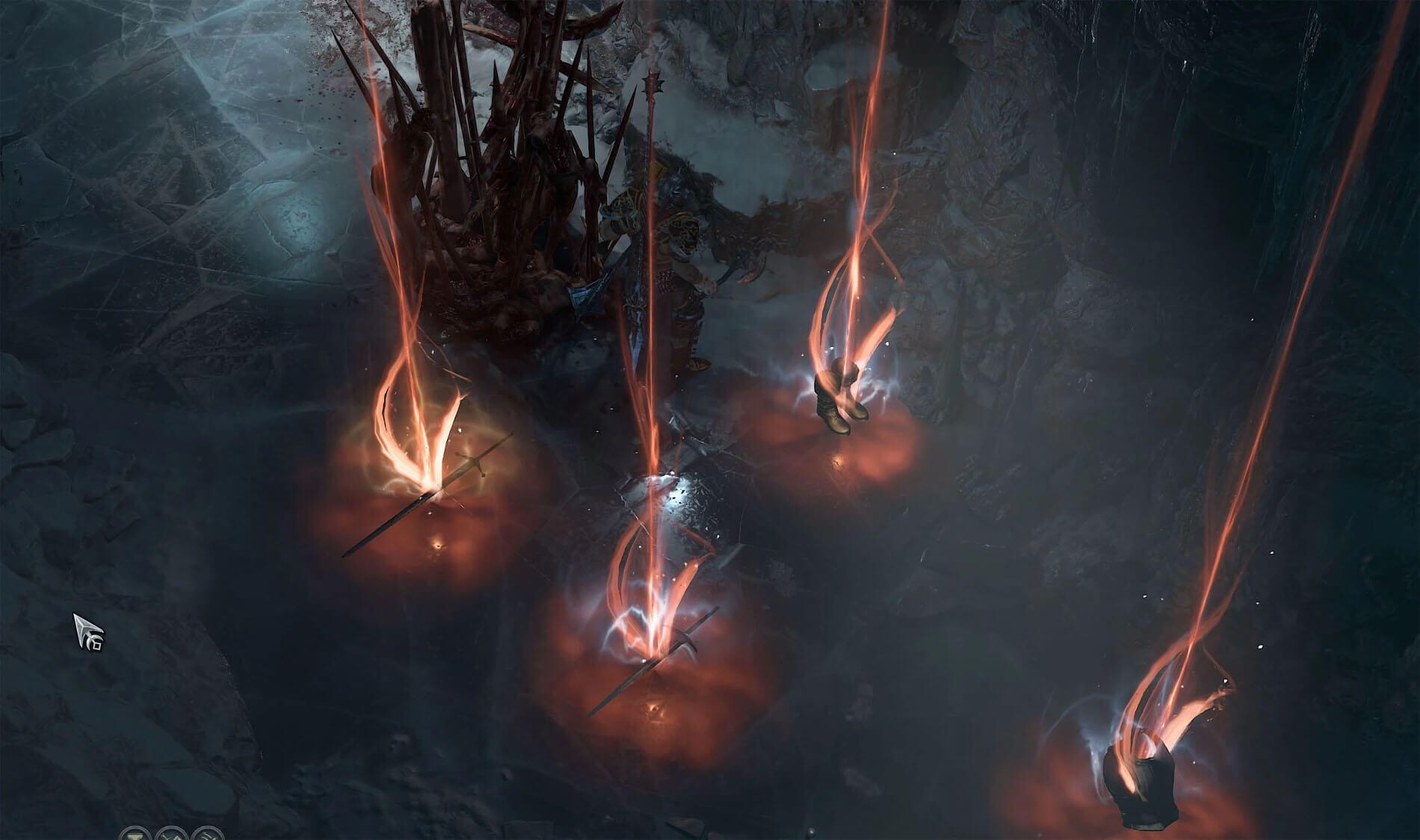
The Loot Filter's real strength comes from its wide range of criteria that let you have fine-grained power over which items show up. Players can filter things based on ten distinct categories thanks to these features. Quickly discarding low-level equipment requires the "Item Power Range" condition since it lets gamers define a minimum and maximum item power to guarantee only pertinent items are taken into account. "Item Rarity Match" allows players to focus on particular rarities, either by only displaying Legendary or Unique items, or by filtering out all common and magic drops. Particularly helpful for filtering Ancestral items in the endgame, the "Item Properties" condition makes sure gamers concentrate on the best tier of equipment.
The "Codex Upgrade Check" condition is revolutionary for players looking for particular Legendary Aspects since it emphasizes products with Legendary Aspects that can enhance those discovered in the Codex of Power. The "Greater Affix Check" helps players find gear with many Greater Affixes, which is very important for making their builds better. "Item Type Match" is a powerful tool that allows you to filter for or against specific gear slots, such as swords, chests, or gloves, which is essential for targeted gear farming. Moreover, the "Has Required Affixes" and "Has Optional Affixes" criteria let players define desired stats, so guaranteeing that products feature the affixes required for their build or comprise much sought-after "nice to have" stats. Finally, the "Is Specific Unique" condition is especially effective for players aiming for specific Unique items from certain bosses, as it simplifies the process of obtaining desired gear components.
Impact on Gameplay and Player Experience
The Loot Filter's inclusion drastically changes how a player engages with Diablo IV's loot system. Prior to its introduction, players had to manually inspect every dropped item, which frequently resulted in wasted time and focus on useless equipment. This might be particularly laborious during high-volume farming sessions. The Loot Filter simplifies this procedure, therefore letting gamers to concentrate on what counts most: finding and purchasing equipment that improves their character's strength and fits their selected build. Apart from saving time, this lowers the mental burden connected with inventory management, therefore resulting in a more fun and effective gameplay loop. Players trying to clear the hardest material would find great value in the capacity to instantly identify objects having sought-after affixes or Greater Affixes. It helps players make wise judgments about item pickup and possible upgrades on the fly, therefore encouraging a more strategic approach to gear acquisition.
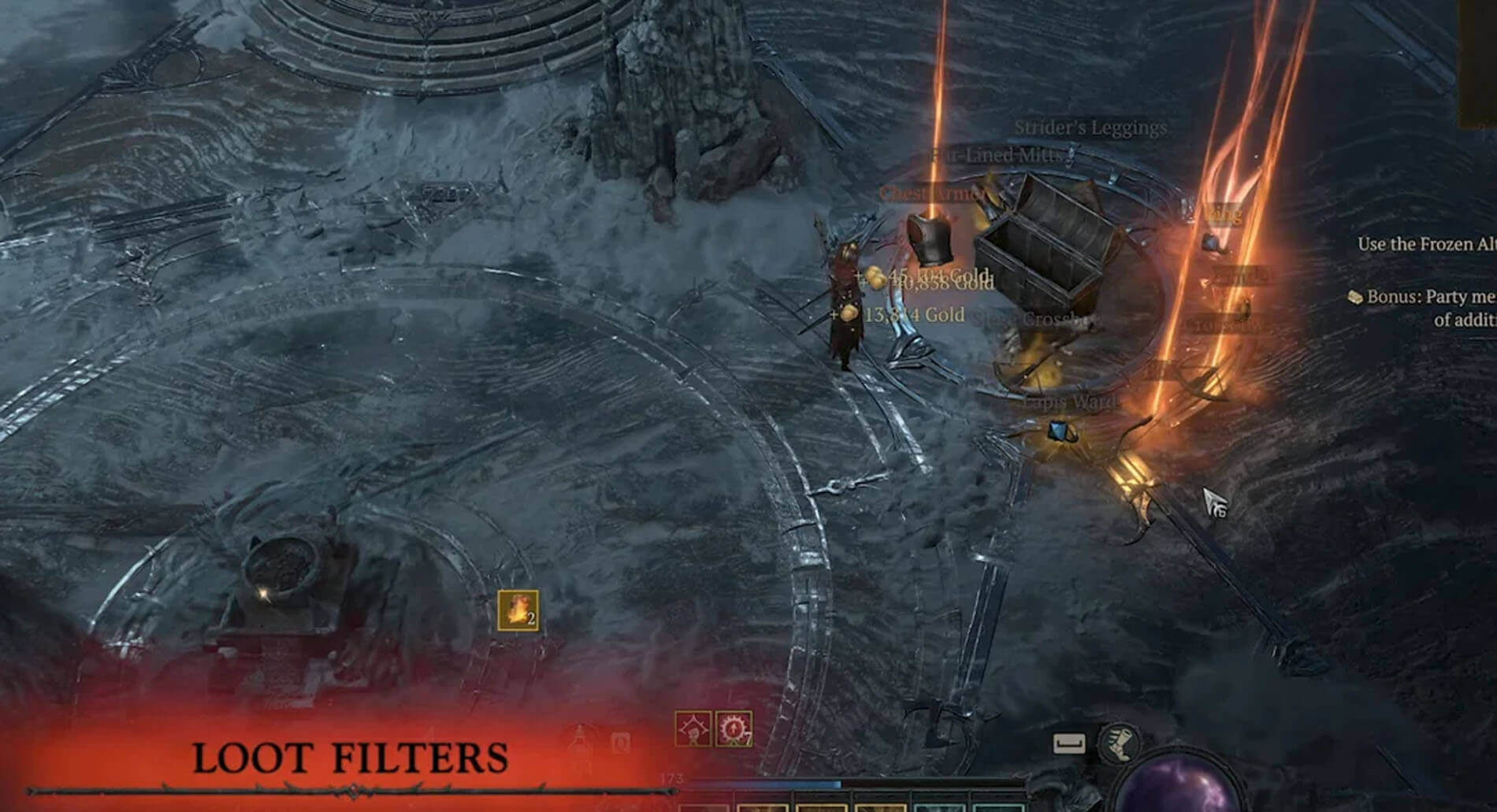
Talisman Set Bonus: Specific Set Charms
Diablo IV's search of power is a never-ending quest with players painstakingly improving their equipment to overcome the progressively difficult obstacles Sanctuary offers. Itemization greatly shapes this search for the ideal build, and the addition of particular features like class-specific item filtering, more difficulty levels, and changed damage multipliers essentially changes how players engage with loot. The Talisman Set Bonus, which focuses on particular set charms, and the associated Loot Filter mechanism give players unheard-of power and depth in their item acquisition techniques among these developments. Any player hoping to get the most out of their character must first understand these mechanics, particularly since the game advances with fresh seasons and level cap rises.
Loot Filters and Item Management
The introduction of a strong Loot Filter system in Diablo IV marks a major step forward in terms of player control. Players are no longer overwhelmed by a steady onslaught of unwelcome items, particularly as they progress into higher Torment levels where item drops grow more common and diverse. Particularly powerful is the capacity to define class-specific norms. For example, a Necromancer player might create a filter to highlight only Talisman Set Bonuses pertinent to their class, such as those that boost minion survival or provide special spell synergies. This specificity guarantees that when a player is on their Necromancer, only Necromancer-specific items and bonuses show up in the filter's "Show" criteria, therefore simplifying the loot collection process. A player who chooses to build an alt character of another class, such as a Sorcerer, may simply change the current filter to include Sorcerer-specific Talisman Set Bonuses without upsetting the original filter's intended purpose for their Necromancer. This granular control keeps things tidy by filtering out unnecessary items, so players can concentrate on the gear that really helps with their chosen build. The hierarchical character of these guidelines, in which higher rules take precedence over lower ones, offers a straightforward justification for filter development, therefore guaranteeing that particular "Show" criteria are given priority above more general "Hide" policies. This enables sophisticated filter configurations such as suppressing all magic objects save for those with a particular useful affix such as augmented Willpower. Moreover, the capacity to switch loot filters on and off with a hotkey is a priceless feature for testing filter effectiveness and for those infrequent events when a player wants to evaluate all dropped goods, irrespective of their filter settings. The export and import capability help to democratize the creation of loot filters, therefore encouraging a community whereby players may exchange their best filter settings and so improve the accessibility of sophisticated loot management.
Level Cap Increases and New Difficulty Levels
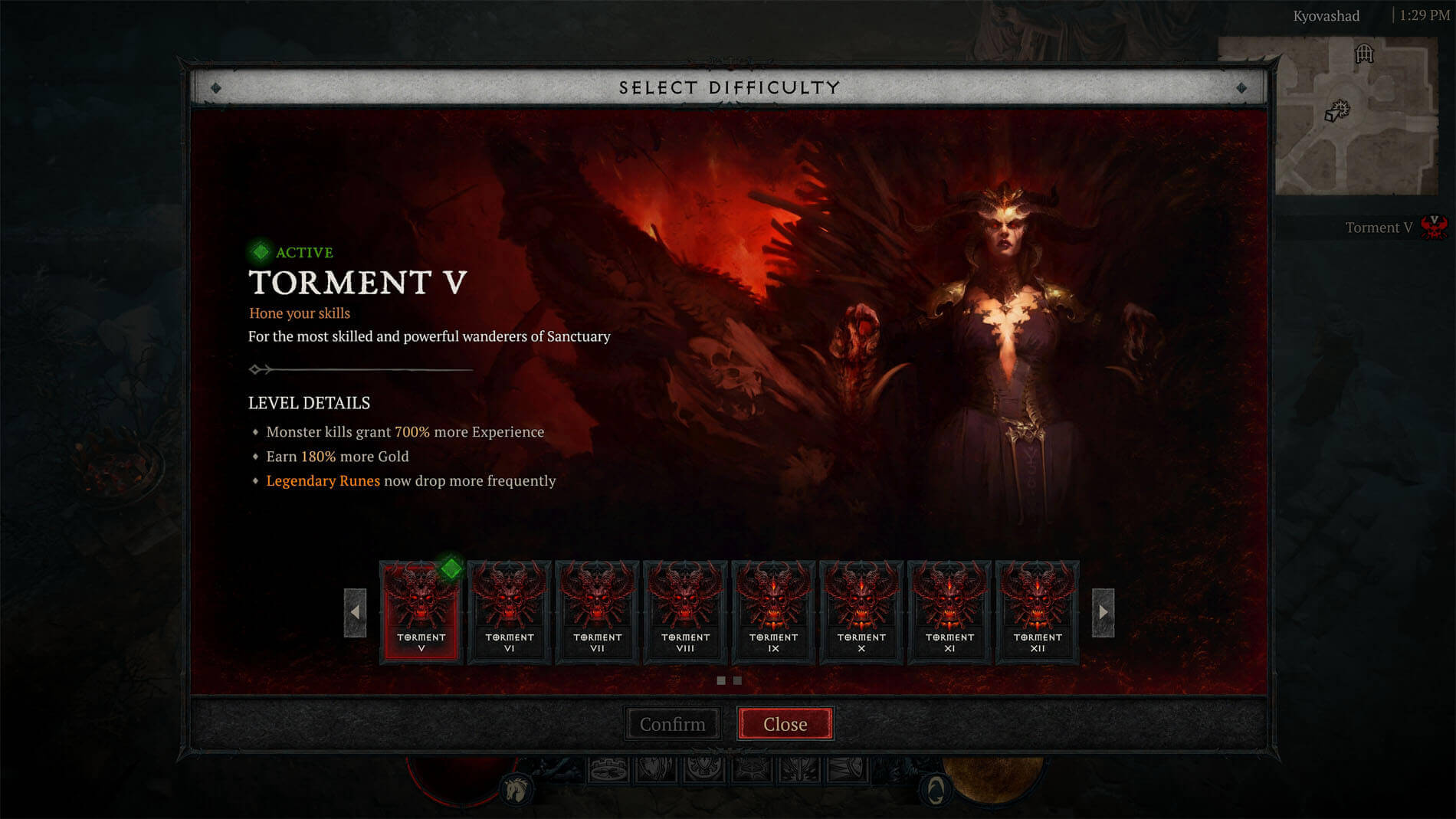
Diablo IV's dedication to offering a never-ending difficulty and satisfying advancement is indicated by the continuous level cap rise to 70 as well as by the expansion of Torment difficulty levels from 4 to 12. The itemization changes directly support this increase in difficulty levels. Items that were formerly disregarded—common, magical, and rare—now have great worth as crafting bases. The Horadric Cube, together with the capacity to raise the rarity of these items and append affixes, changes the endgame loot loop. Low-rarity items falling in high Torment tiers have a possibility of being Ancestral and having Greater Affixes, which makes them ideal candidates for crafting into legendary or even unique pieces. This re-evaluation of item quality motivates gamers to interact across a greater range of loot. The updated damage multiplier system, which now stacks additively among themselves while still acting multiplicatively in their overall effect, offers a more intuitive and rewarding gearing experience. For builds that depend on stacking several damage multipliers, such as damage over time builds, this modification is especially advantageous. The interplay of these multipliers could be complicated and occasionally unintuitive in the past. Players can now better grasp how their gear selections affect their total damage output, hence promoting more build variety and more focused item collecting. In this sense, the Talisman Set Bonus becomes a vital element providing unusual synergistic effects that may be further enhanced by these changed damage multipliers and a well-tuned loot filter that gives such items top priority.
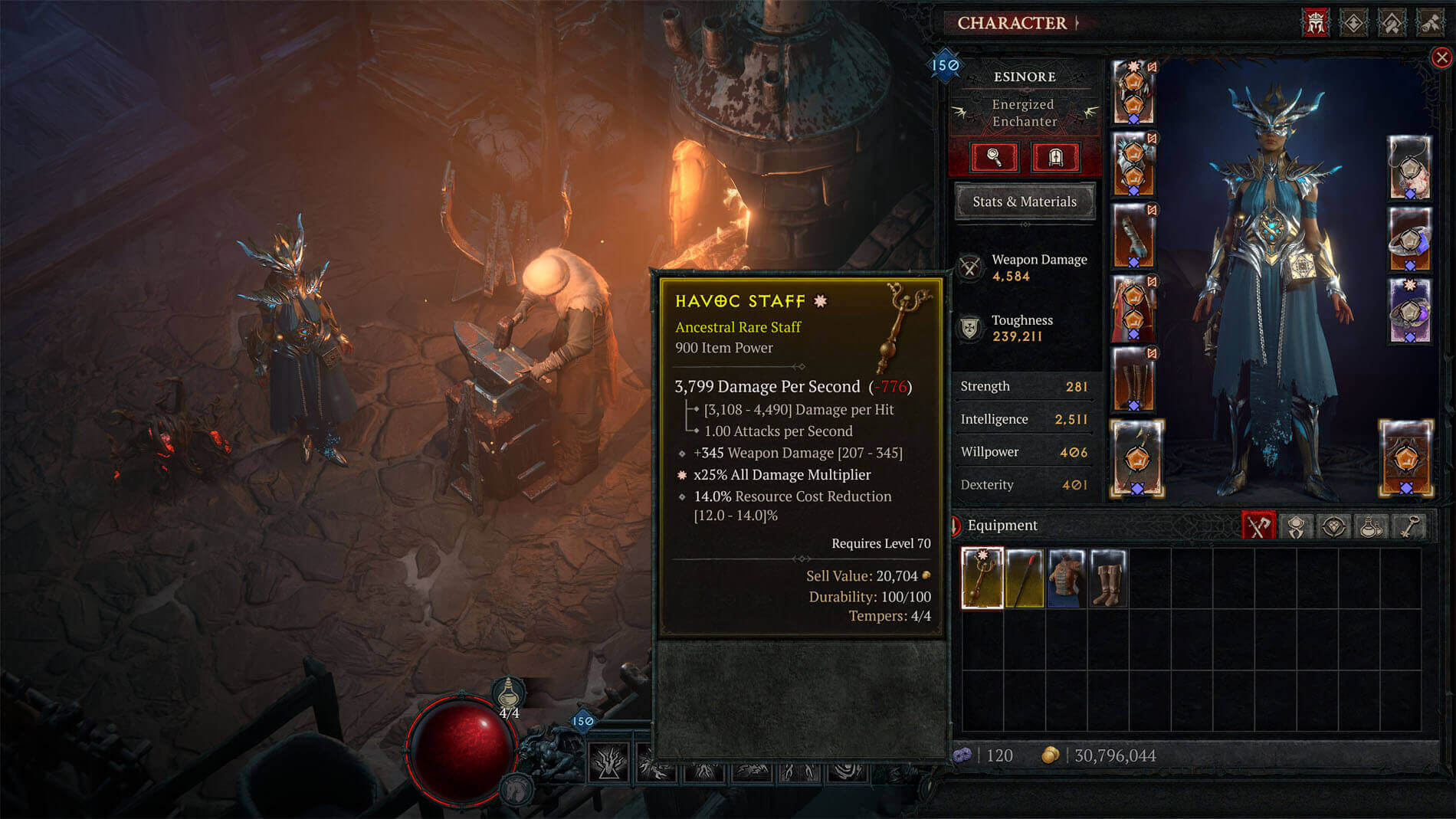 Revamped Unique Items and Tempered Affixes
The core of the Lord of Hatred update is a whole rethinking of Unique items. Many Uniques used to have a set of affixes, which restricted their ability to be used in specialised builds. This is handled by the expansion lowering the count of inherently fixed affixes on Uniques. This adjustment offers more variation, therefore giving players a larger pool of possible affix combinations to pursue and enabling more complex and ideal build creation. Additionally redesigning and updating existing Unique items, the creators have added a sizable number of fresh ones. Uniques that were taken out have been replaced with new, working alternatives. Moreover, the power of current Uniques has been readjusted; their distinct abilities, or Aspects, are now always effective, therefore guaranteeing they remain appropriate and strong options for players.
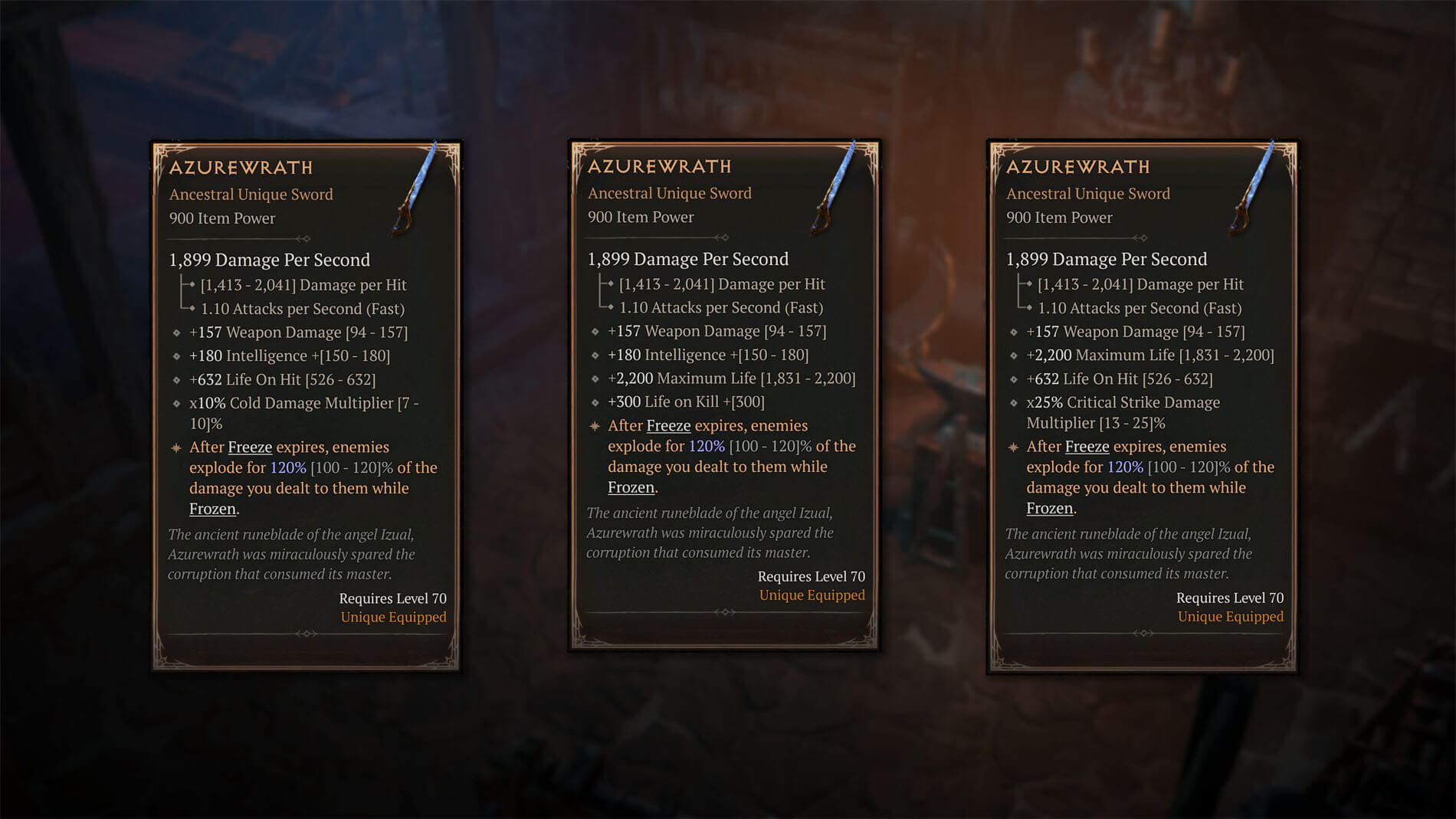
The inclusion of a tempering mechanism for both Unique and Mythic items compliment the alterations to Uniques. This mechanism lets players further personalize their equipment by adding tempered affixes, which have also seen a major revamp. The blacksmith will be the main place where players can try out these new tempering options. This will encourage them to play with the system to find powerful combinations of affixes that work well with the way they like to play. In addition to these itemization changes, more than 200 Legendary Aspects have been reworked to offer more powerful bonuses, further strengthening players in their search for the ideal build. This emphasis on itemization seeks to establish a more fulfilling endgame loop whereby the search of particular gear rolls and affix combinations becomes the main engine of player interaction.
Enhanced Navigation and Inventory Management
Beyond the loot, Lord of Hatred adds quality-of-life enhancements meant to simplify the player experience. Perennially worrying for ARPG players, inventory management has been solved with the capacity to stack up to 1,000 items. This change greatly lowers inventory clutter, therefore enabling players to concentrate more on collecting treasure and less on handling their meager storage capacity.
The integration of Map Overlay and Pathfinder capabilities has streamlined navigation within Sanctuary as well. Players can now select to swap the conventional minimap with a full Map Overlay, which offers a clearer, more expansive view of the game world without sacrificing visual immersion. Players can customize the experience to their tastes by altering the zoom and opacity of this overlay, which are totally configurable. Additionally, keyboard shortcuts can be configured for quick toggling between the minimap and the overlay as well as for on-the-fly modifications to zoom and opacity. This navigation aids aim to minimize time spent grappling with maps and boost time spent interacting with the main game's activities, such as fighting demons and finishing quests.
Realm Choice and Campaign Progression
The Seasonal Realm and the Eternal Realm, the fundamental decision gamers make while creating a character, is also refined by Lord of Hatred. Both worlds provide the whole Diablo IV experience, including the campaign, classes, and endgame tasks. Seasonal Realms offer a clean slate with structured advancement, collectable incentives like Season Blessings and competitive leaderboards, and a "zero to hero" adventure. Conversely, Everlasting Realms serve those yearning for long-term growth with already existing characters and a continuous world free of rerolling character every season.
Players who have bought the expansion can access the campaign of the Lord of Hatred itself. The campaign can be started with new characters developed on either realm, or with existing characters from the Eternal Realm. The capacity to "Skip Campaign" for subsequent characters once the campaign has been finished on any character, irrespective of realm, is a major improvement in quality of life. Recommended for the entire expansion experience, players can choose to start right with the new Lord of Hatred campaign or with the original Vessel of Hatred campaign. This lets players either jump right into the new material or view it as an extension of their current adventure.
Story Complete: Endgame and the Season of Reckoning
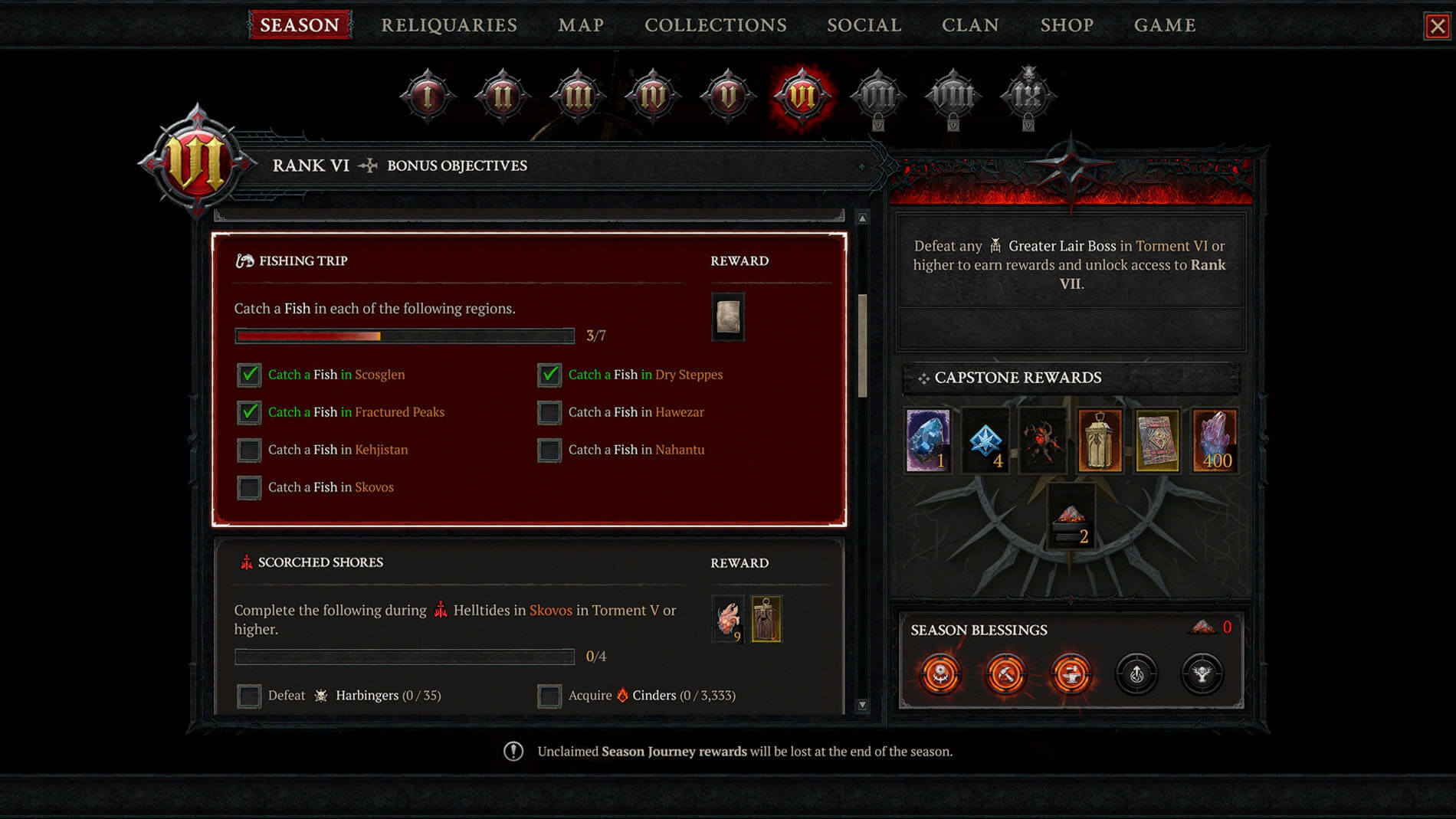
After finishing the Lord of Hatred campaign, players are given a fresh character creation option that lets them skip the narrative and jump right into the endgame. Together with the approaching Season of Reckoning, this introduces a flurry of system-wide changes, including extensive updates to character development, itemization, and seasonal gameplay, guaranteeing a new and demanding experience for both new and returning players.
The Endgame Unlocked
Players acquire the power to begin a new character skipping the whole narrative advancement upon completing the Lord of Hatred campaign. This feature is meant for players anxious to explore the endgame material right away. These heroes may then choose their chosen levelling route and immediately reach the whole range of endgame activities. It's worth remembering, though, that some demanding material will be behind the tougher Torment levels to guarantee a progressive increase in difficulty. Crucially, any previously developed characters can now skip the campaign from the Character Select screen, eliminating the need for experienced players to finish the story once more. This adaptability lets players interact with the material at their preferred pace and approach.
The growth also results in significant changes in itemization. Referred to as Eternal characters, existing characters will see changes to their pre-expansion stashed or equipped gear. Although all products are meant to stay working, some could be replaced with new versions that might not exactly match the player's current construction techniques. The addition of Bonus Skill Variants, which now take the place of many of the previous Legendary affixes and Unique abilities, is mostly to blame for this. Thus, some of these ancient powers might have changed into several effects on pre-expansion equipment. Additionally, any base or tempered affixes that previously supported functionalities no longer present in the game, like Passive skill ranks or double-cast Weapon tempers, have been transformed into a +100 All Stats bonus and are designated as Legacy items. Legacy objects cannot be made or used inside the Horadric Cube, pointing to a change toward a new meta.
The Season of Reckoning
The Season of Reckoning is a major event for Sanctuary that will debut at the same time as the Lord of Hatred expansion on April 28, 2026. Although this season won't include a distinctive plot, subject, or gameplay features particular to its narrative, it brings important system enhancements that guarantee a more fluid and epic adventure. These improvements include significant difficulty and progression changes, an increased level cap, class rebalancing, and extensive Skill Tree changes in addition to many quality-of-life advancements. These extensive system improvements are meant to operate in lockstep with the Lord of Hatred expansion, therefore producing a unified endgame experience. The developers have said that future seasons will go back to their usual rhythm and format, and more information will be shared soon.
Season Rank and Blessings
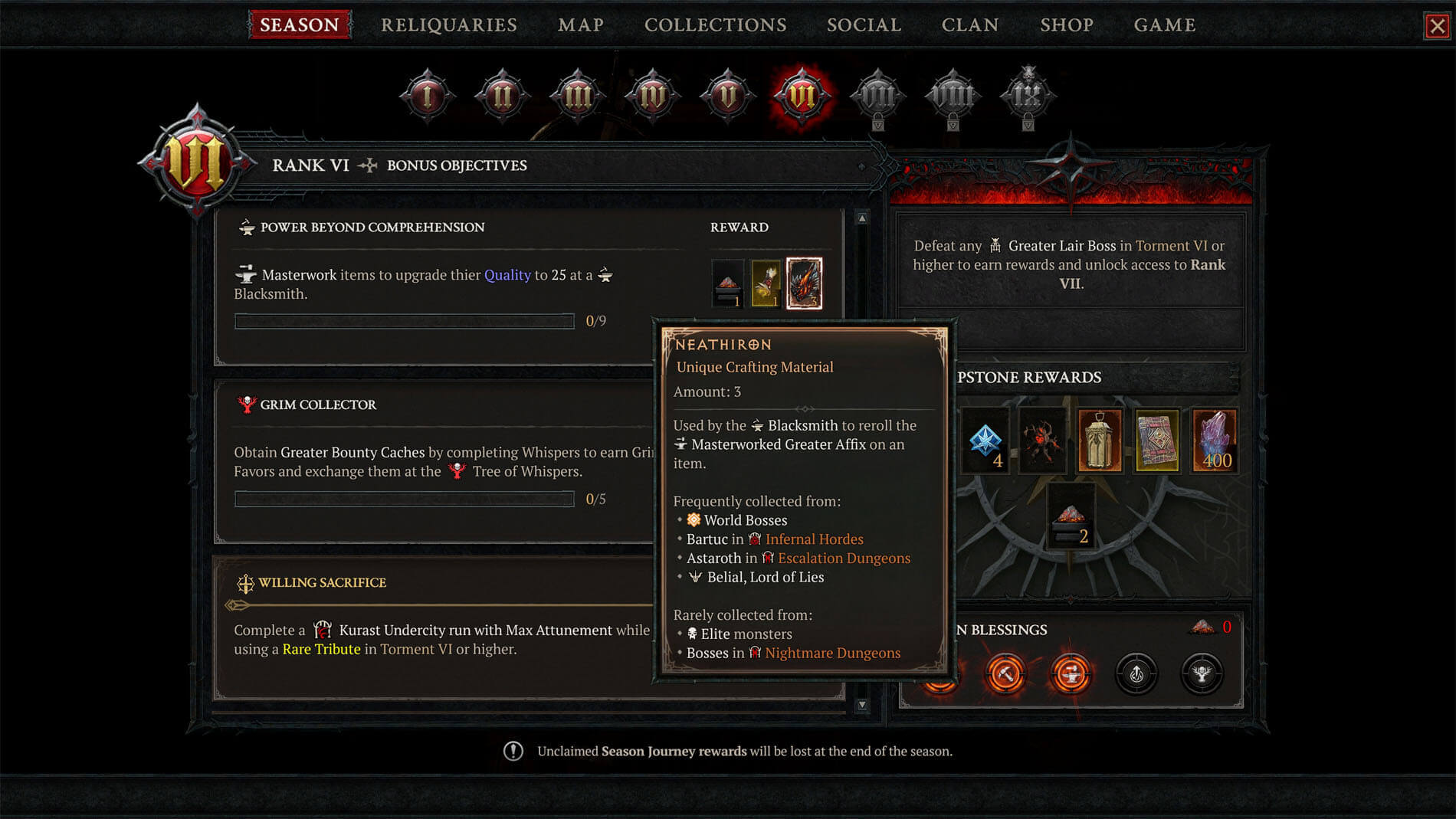
The Season of Reckoning brings a bigger Season Rank system with more goals and a wider range of goodies. Nine ranks and more than a hundred objectives give players plenty of chances to interact with the game and acquire beneficial in-game items. The rewards include up to 12 Skill Points, up to 42 Paragon points, and up to 14 Resplendent Sparks. Along with fresh emblems, titles, and unique title laurels, players can also get cosmetic items such the Loathroot pet and the Hateful Heraldry Mount Trophy. The large reward pool also includes crafting materials, money, boss keys, caches holding gear, runes, sigils, seals, and charms. It should be remembered that around 25% of the goals need ownership of the Lord of Hatred expansion, therefore not all benefits will be available to gamers without it.
Players have the option to open Season Blessings and Smoldering Ashes inside the Season Rank progression. Smoldering Ashes come from Chapter Rewards as well as Seasonal Objectives. These Ashes can be spent on a number of Seasonal Blessings meant to improve gameplay. The Urn of Curiosities gives you a better chance of getting a second item from the Purveyor of Curiosities. The Urn of Reclamation raises the chance of getting uncommon resources from salvaging equipment. The Urn of Master working increases the probability of dropping more Obducite, a vital crafting item. When upgrading Glyphs, the Urn of Glyphs gives a possibility for an extra upgrade; and the Urn of Ancestral Whispers raises the likelihood of an Ancestral Cache turning up when Whispers are turned in.
Seasonal Reliquary
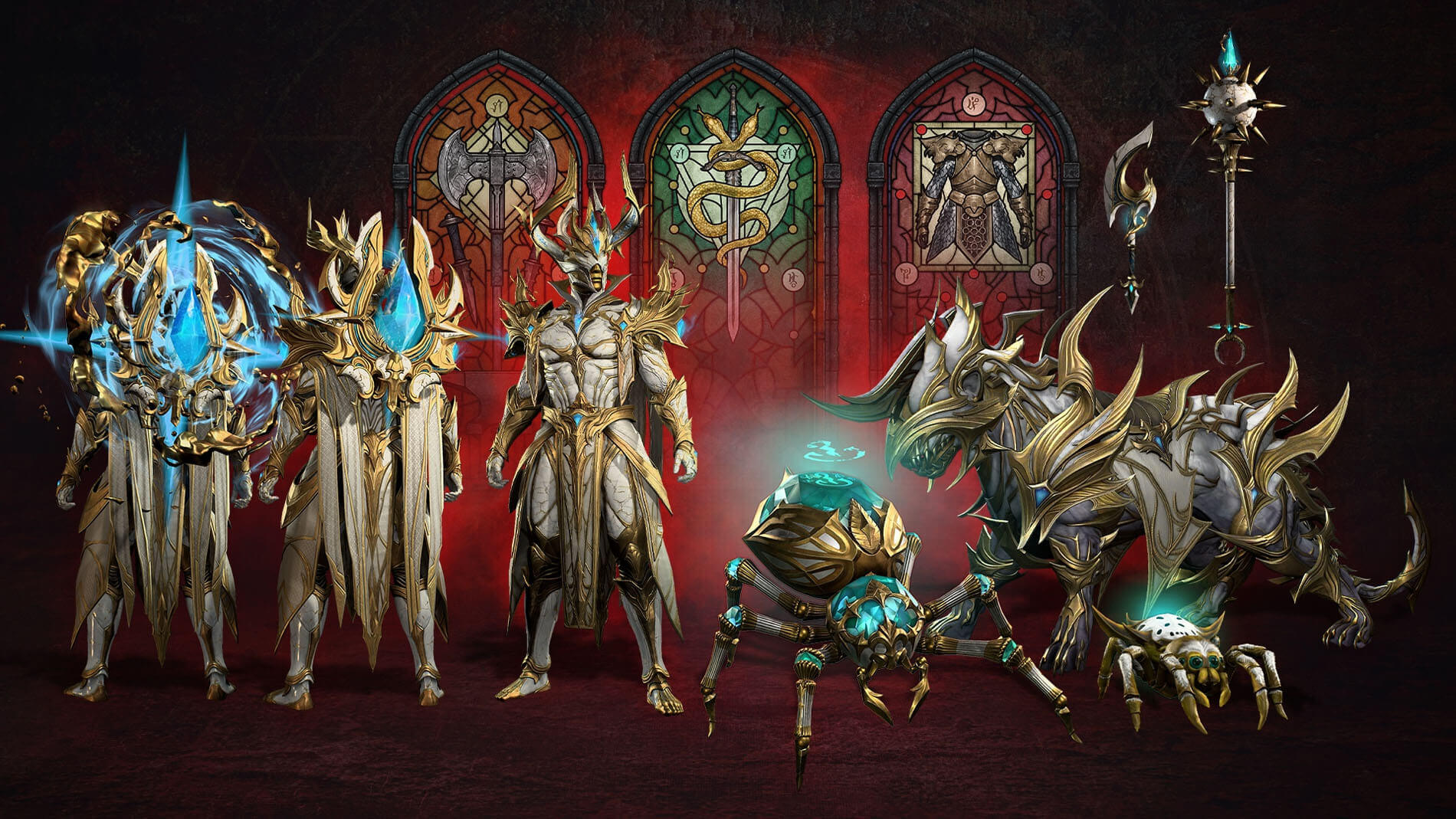
The Reliquary mechanism in the Season of Reckoning serves as a concrete reward for players who show commitment. The main currency for unlocking these objects is favour, which is gained through engagement in several in-game activities. This motivates a wide range of participation, from finishing tasks to fighting strong opponents. The Reliquary uses two ways to get things: The first Reliquary guarantees that every player may get a taste of what the season has to offer by means of free prizes accessible to everyone. Among these free gifts are appealing cosmetic items such weapon appearances, Platinum, the thematic Skovosi Horse mount with its accompanying Barding of Skovosi armour, and a Path of Antiquity Town Portal.
For individuals looking for more unique and significant incentives, Reliquaries are offered. These are available separately or as part of the Deluxe or Premium Battle Pass bundles. The premium Reliquaries for Weapons, Armour, and Beasts include a treasure chest of one-of-a-kind relics. Among the most desired are the Firstborn Glory armour sets, created for each class, providing a unique visual identity. Mount aficionados will value the Kynigos cat mount and Axiom horse mount, both of which come with their own armour. The Progenitor's Crystal mount trophy and the Arch of Antiquity Town Portal contribute further to the aesthetic attraction. This premium track also gives access to more weapon appearances and the fascinating spider pet Tickles. In addition to granting access to all Reliquaries, the Premium Pass provides a substantial discount of 500 Platinum over separate purchases. The Deluxe Battle Pass enhances the package even further by adding the Lustre spider pet and the Progenitor's Grace Reactive Back Trophy, which goes well with the extra armour set. The Hallowed Ancient armour set is a season-exclusive set that can be earned by unlocking all four Reliquaries or instantly with the Deluxe Battle Pass Bundle. It rewards players who fully immerse themselves in the season's progression, making it a significant incentive for comprehensive engagement.
Tower and Leaderboard Beta Updates
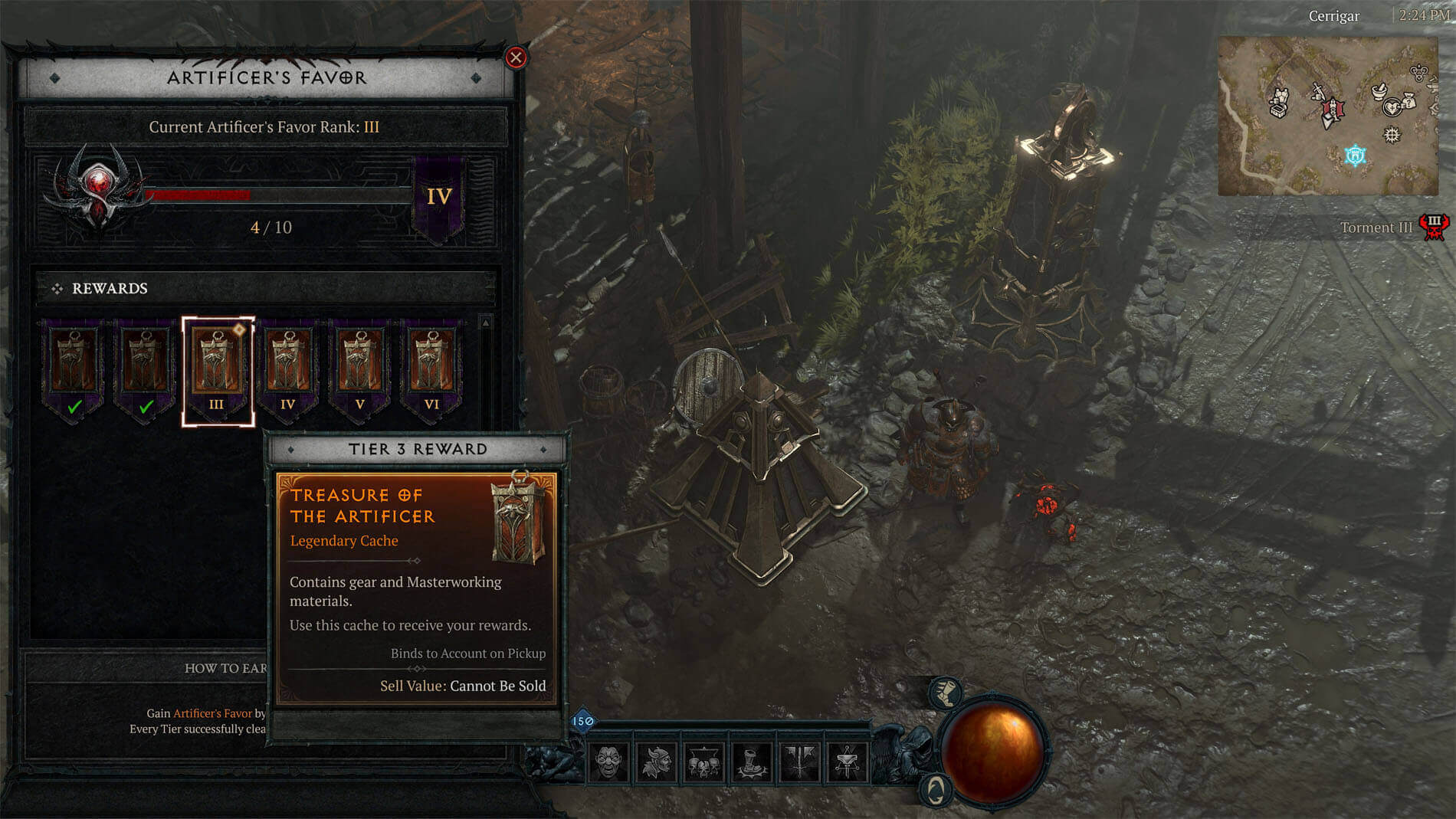
The Tower and Leaderboard beta upgrades fundamentally alter Diablo IV's endgame experience. The scheduling of Tower contests has been directly impacted by player comments, with fresh cycles beginning on Thursdays following a release or patch. This change gives the development team plenty of time to apply any necessary balancing or bug corrections, therefore guaranteeing a more pleasant and competitive scoreboard experience. The upcoming Tower leaderboard is set to begin on April 30, providing a distinct moment of interaction for players.
The Tower itself has undergone a rehabilitation, with the addition of new surroundings, creatures, and bosses providing fresh obstacles and keeping things from stagnating. Demand for strategic ability and well-tuned builds has increased as a result of the recent balancing adjustments in version 3. 0. 0 making the monsters inside the Tower more dangerous threats. Moreover, a thorough tuning pass has been used to better mirror the unique difficulty levels of the score monsters grant and help to produce a fairer scoring system. A new run formally starts either ten seconds after entering the Tower or upon exiting the starting circle, therefore offering a distinct beginning for every attempt. To improve the immersion and give comments, the Artificer now comments on player Tower runs, adding a layer of personality and guidance.
The Beta of The Tower also brings with it a strong system of rewards. By completing personal objectives and advancing their Season Rank, players can find treasures, with particular Milestone Rewards helping to accelerate their Season Rank. Climbing the Tower gives you precious Treasures of the Artificer, fresh caches loaded with Lore Books and artifacts sure to have Greater Affixes. Only via Tower development can these one-of-a-kind rewards be acquired; first-time completions of higher Tower Tiers earn the Artificer's Favor. The Build Viewer is a major feature for competitive gamers. The game currently takes a snapshot of every build at the moment their Tower run finishes for entries on the Leaderboard. This enables gamers to examine the constructions of the best-ranked rivals, so promoting a greater grasp of meta tactics. At last, the arrival of the Artificer's Obelisk and Stash in Temis, the capital of Skovos, presents a fresh endgame headquarters. This site enables entry to both the Tower and the Pit and, most crucially, adds a Solo Warlock Ladder to the Leaderboards to support a particular playstyle and promote a committed competitive community.
Hatred’s Downfall Community Challenge
The Hatred's Downfall Community Challenge has a somewhat straightforward premise: every Paragon Point accumulated by every player spanning all worlds and playstyles helps toward the general objective. The design of the event relies heavily on this inclusivity. Whether a player is laboriously grinding the seasonal material, a veteran exploring the Eternal Realm, a casual player logging in for a few hours a week, or an endgame enthusiast pushing the limits of their character, their efforts are taken into account for the community’s total. Blizzard has successfully gamified the group advancement, transforming levelling up into a silent but significant contribution to a worldwide project. There isn't an opt-in feature; playing Diablo IV is by default an act of adding to the challenge. This strategy guarantees that no player is left behind and that the whole player base, from the newest recruit to the most experienced demon slayer, is a vital component of the grand objective. The enormous magnitude of the objective, 266,600,000 Paragon Points, highlights the team effort needed for success and makes it a really difficult but possible goal if the community unites.
If the Diablo IV community manages to hit the lofty Paragon Point goal, every player will get the Crown of Hatred. This prize goes beyond only statistical incentives; it is meant to be a prestige object, a real embodiment of group success. Further enhancing its value in the Diablo universe are the lore consequences linking the crown to Mephisto, the Lord of Hatred himself. More crucially, the Crown of Hatred is a strong emblem that the entire Diablo IV community, from different parts of the world and with different playing styles, gathered to conquer an almost impossible obstacle. It's evidence of combined work and a reminder of what may be achieved when a large player base coordinates its efforts toward a single purpose. This method to rewards promotes a feeling of community and shared success, therefore motivating players to participate not just for their own advantage but for the good of the whole community.
Blizzard has promised weekly progress reports every Tuesday to keep the community informed and to keep things moving. Dispersed throughout their social media platforms, these updates will clarify how near players are to Crown of Hatred availability. This openness is absolutely vital for ongoing involvement. Understanding the position of the community with regard to the target lets players evaluate their personal influence and inspires more involvement. This task becomes a quick, integrated component of the gaming experience for individuals already planning to delve into the new expansion. It turns daily work into a more meaningful one, adding an additional level of excitement and purpose to their in-game activities. Then the question becomes not whether players would contribute but rather whether the combined strength of the Diablo IV community is enough to overcome the enormous Paragon Point objective. This interaction promotes thrill and shared accountability, therefore motivating players to play more frequently and more intensely.
The Dark Ages Invades Sanctuary for a Limited Time
 The world of video games often flourishes from creativity and shock, with alliances between other franchises typically providing consumers fresh experiences. The crossover event between Blizzard's Diablo Immortal and id Software's DOOM: The Dark Ages, dubbed "The Slayers Reign," is a good example of this trend, combining the dark fantasy world of Sanctuary with the brutal, demonic warfare of the DOOM universe. From April 16 to May 13, this limited-time event invites participants to "shred the demons from the Hell. The famous DOOM components inserted into the Diablo Immortal and letting players take on the role of the legendary Slayer. The integration of DOOM's brutal gameplay mechanics, distinct weaponry, and identifiable foes into Diablo Immortal's existing framework generates an interesting fusion, therefore giving both long-time fans of each franchise and newcomers an exciting chance to experience a unique blend of genres.
The Convergence of Worlds
The premise of "The Slayers Reign" depends on an invasion of Sanctuary by forces from "Hell", a direct allusion to the demonic legions of DOOM: The Dark Ages. This narrative device enables the smooth inclusion of DOOM's look and gameplay into Diablo Immortal. Using the Slayer's strength to protect Sanctuary, players are challenged to face these attacking devils. This crossover is more than just cosmetic; it basically changes gameplay by adding new skills and mechanics. The event strongly leans on the fundamental ideas of DOOM, stressing violence, quick movement, and overwhelming power. The "Rip and Tear" approach, fundamental to the DOOM experience, is reinterpreted inside Diablo Immortal's fight system to urge gamers to engage in relentless assault to defeat the hordes.Gameplay Mechanics and Iconic Arsenal
 At the centre of "The Slayers Reign" event is the fusion of DOOM's distinctive fighting. Players are given access to a range of famous Slayer inspired weapon skills that have been remade to suit the Diablo Immortal engine. These range from the Shield Saw, Dreadmace, and the famous Super Shotgun, each meant to provide "relentless crowd control, catastrophic synergy, and unmistakable DOOM ferocity". There are six different skills you can get, and each one is like a skill that the Slayer has. They go from defensive strategies like whirling shields to offensive juggernauts able of earthshattering blows and continuous firepower. These talents are designed with aggression and speed in mind, therefore complimenting gamers who keep a fast tempo in battle. Moreover, the event brings synergistic mechanics in which some powers increase damage against bleeding opponents, therefore transforming controlled chaos into complete annihilation, a hallmark of excellent DOOM playing.
Beyond the player's offensive skills, the invasion introduces Sanctuary to particular DOOM enemies. The ubiquitous foot soldiers of Hell in DOOM, Imps, now roam the battlefields of Diablo Immortal bringing their familiar appearance and threat. But the biggest threat is the Cyberdemon, a tall and powerful boss that players have to face. This integration of classic foes offers a unique difficulty and strengthens the thematic consistency of the cross-over. The event also presents a fleeting reconstruction of Diablo Immortal's "Survivor's Bane" mode, now called "Slayer's Bane", which lets gamers put their recently acquired DOOM inspired skills to test against these demonic foes. With the addition of The Crucible Legendary Gem, gamers may better immerse themselves in the DOOM universe and more fully embody the power of the Slayer, therefore improving their fighting ability.
At the centre of "The Slayers Reign" event is the fusion of DOOM's distinctive fighting. Players are given access to a range of famous Slayer inspired weapon skills that have been remade to suit the Diablo Immortal engine. These range from the Shield Saw, Dreadmace, and the famous Super Shotgun, each meant to provide "relentless crowd control, catastrophic synergy, and unmistakable DOOM ferocity". There are six different skills you can get, and each one is like a skill that the Slayer has. They go from defensive strategies like whirling shields to offensive juggernauts able of earthshattering blows and continuous firepower. These talents are designed with aggression and speed in mind, therefore complimenting gamers who keep a fast tempo in battle. Moreover, the event brings synergistic mechanics in which some powers increase damage against bleeding opponents, therefore transforming controlled chaos into complete annihilation, a hallmark of excellent DOOM playing.
Beyond the player's offensive skills, the invasion introduces Sanctuary to particular DOOM enemies. The ubiquitous foot soldiers of Hell in DOOM, Imps, now roam the battlefields of Diablo Immortal bringing their familiar appearance and threat. But the biggest threat is the Cyberdemon, a tall and powerful boss that players have to face. This integration of classic foes offers a unique difficulty and strengthens the thematic consistency of the cross-over. The event also presents a fleeting reconstruction of Diablo Immortal's "Survivor's Bane" mode, now called "Slayer's Bane", which lets gamers put their recently acquired DOOM inspired skills to test against these demonic foes. With the addition of The Crucible Legendary Gem, gamers may better immerse themselves in the DOOM universe and more fully embody the power of the Slayer, therefore improving their fighting ability.
A Strategic Alliance of Destruction
The success of such a crossover depends on its capacity to strike a balance between the unique identities of both companies and produce a unified experience. With its focus on loot, character development, and group play, Diablo Immortal takes on a new dimension from the addition of DOOM's fast-paced, high-impact warfare. The synergy between the mechanics is especially remarkable; although Diablo has always included strong powers and fighting, the raw, visceral ferocity of DOOM provides a new layer of intensity. The event pushes for a more aggressive playstyle whereby players are rewarded for actively dominating the battlefield in addition to merely surviving. The visual design of the event, which combines the gothic feel of Diablo with the bloody landscapes of DOOM, also greatly enhances its immersive experience. The limited-time aspect of the event creates a sense of urgency, urging gamers to interact with the material before it disappears, similar to a brief demonic invasion. "The Slayers Reign", the Diablo Immortal x DOOM: The Dark Ages crossover, marks a major and intriguing convergence in the gaming scene. The event creates a distinctive and interesting experience for gamers by combining the famous fighting, weaponry, and foes of DOOM into Diablo Immortal. The focus on aggressive gameplay, synergistic skills, and difficult boss fights guarantees that players are tested and delighted. This collaboration highlights the unique qualities of both franchises and shows how creative collaborations may revitalize existing game worlds, offering a memorable limited-time event that embodies the spirit of both Diablo and DOOM.The Lord in Chains and the Slayer's Fury
 In this event you will find the most significant improvements for the powerful legendary goods, fearsome boss battles, and themed cosmetic collections. The "Lord in Chains: Face off against the Cyberdemon" event best embodies this approach, as it presents a climactic battle against a strong entity within the Slayers Bane. The introduction of "The Crucible," a famous jewel increasing player battle effectiveness, and the "Sentinel Forged Armory" weapon cosmetics, inspired by the DOOM: The Dark Ages franchise, further reinforces this narrative component. The "Ruthless Hellwalker" Phantom Market set, which gives players the classic Praetor Armour and further draws them into the violent atmosphere of the Slayer, complements these gameplay additions. Together, these components signify a major increase of Diablo Immortal's endgame material and its continuous dedication to entertaining its audience with difficult fighting and captivating thematic components.
The Cyberdemon: A New Apex Predator
The Cyberdemon's appearance as the primary boss in Slayers Bane signals a crucial turning point in Diablo Immortal's player advancement. This "mutilated authority," created with the sole intention of facing the "Scourge of Hell," sorely tests a player's command of their Slayer talents and abilities. The fight inside Slayers Bane is a story climax pushing players to adjust their tactics and maximize their fighting ability rather than just a grind for loot. Overcoming such a terrifying opponent calls for not just sheer force but also a knowledge of its attack patterns, flaws, and any environmental dangers it could use. This boss encounter is designed as a real test of skill, which is essential to its success. When players defeat the Cyberdemon, they should experience a real feeling of success. This fits with the general popularity of ARPGs, where demanding boss battles are frequently the most unforgettable and fulfilling events. The story's portrayal of the Cyberdemon as a strong, ancient being enhances the impact of the player's triumph and emphasizes the vital role of the Slayer in safeguarding Sanctuary.
In this event you will find the most significant improvements for the powerful legendary goods, fearsome boss battles, and themed cosmetic collections. The "Lord in Chains: Face off against the Cyberdemon" event best embodies this approach, as it presents a climactic battle against a strong entity within the Slayers Bane. The introduction of "The Crucible," a famous jewel increasing player battle effectiveness, and the "Sentinel Forged Armory" weapon cosmetics, inspired by the DOOM: The Dark Ages franchise, further reinforces this narrative component. The "Ruthless Hellwalker" Phantom Market set, which gives players the classic Praetor Armour and further draws them into the violent atmosphere of the Slayer, complements these gameplay additions. Together, these components signify a major increase of Diablo Immortal's endgame material and its continuous dedication to entertaining its audience with difficult fighting and captivating thematic components.
The Cyberdemon: A New Apex Predator
The Cyberdemon's appearance as the primary boss in Slayers Bane signals a crucial turning point in Diablo Immortal's player advancement. This "mutilated authority," created with the sole intention of facing the "Scourge of Hell," sorely tests a player's command of their Slayer talents and abilities. The fight inside Slayers Bane is a story climax pushing players to adjust their tactics and maximize their fighting ability rather than just a grind for loot. Overcoming such a terrifying opponent calls for not just sheer force but also a knowledge of its attack patterns, flaws, and any environmental dangers it could use. This boss encounter is designed as a real test of skill, which is essential to its success. When players defeat the Cyberdemon, they should experience a real feeling of success. This fits with the general popularity of ARPGs, where demanding boss battles are frequently the most unforgettable and fulfilling events. The story's portrayal of the Cyberdemon as a strong, ancient being enhances the impact of the player's triumph and emphasizes the vital role of the Slayer in safeguarding Sanctuary.
The Crucible: Empowering the Slayer
 The debut of the legendary gem, The Crucible, supplements the demanding boss battles. This object, which is said to be "wrapped in Wraith Forged energy, bleeding a haunting red", gives players the power of the legendary artifact of the Night Sentinels. The primary mechanism of the gem is the "Slaughter" effect, which deals growing damage to enemies under a fixed maximum life, with the damage escalating as the target's life decreases. Moreover, foes killed through Slaughter give the player "Slayer's Rage", a boost that greatly raises movement speed and damage. The strategic depth of The Crucible is enhanced by its stacking mechanism for Slayer's Rage and the immediate maximum stacks given upon killing a player, implying its power in both PvP and PvE settings. The cooldown on Slaughter per enemy guarantees a fair application of its strong effects, therefore stopping it from being an enormous benefit without deft engagement. The Crucible represents the progression loop in Diablo Immortal, providing a palpable power boost that rewards smart gem choices and combat execution.
Sentinel Forged Armory and Ruthless Hellwalker: Aesthetic Dominance
Diablo Immortal focusses on improving player identity through cosmetic items, particularly with the inclusion of DOOM: The Dark Ages inspired material, rather than just raw power. The Sentinel Forged Armory sells unique weapon skins made in the image of the Night Sentinels, fuelled by "searing Argent Energy. " These skins are meant to mirror a fierce, battle-hardened workmanship that highlights utility over ornamentation, a clear departure from the often-elaborate aesthetics found in fantasy worlds. This creative decision directly relates to the history of Argent D'Nur, the home of the Night Sentinels, so drawing gamers further into the thematic story. The "Ruthless Hellwalker" Phantom Market set, which includes the Praetor Armor of the Slayer, lets players put on the famous protective clothing of the DOOM Slayer. The related descriptive material highlights the armour’s relentless character: "It doesn't back off. It does not buckle. It doesn't bargain. The armour remains silent. It declares". By providing players with visually stunning customisation choices, this thematic interaction of armour and weaponry not only enhances the aggressive, relentless playstyle connected with the Slayer archetype, therefore enabling them to visually reflect the brutality they bring to Hell.
For Diablo Immortal, the Cyberdemon monster, the strong legendary gem The Crucible, and the thematic Sentinel Forged Armory and Ruthless Hellwalker cosmetics mark a major and well-rounded expansion. Together, these components offer players tough endgame material, significant power advancement, and attractive visual customization. The Cyberdemon encounter is a demanding examination of ability, requiring the Slayer's equipment to be fully mastered. The Crucible adds a strategic layer of combat enhancement, which rewards tactical play and gives players more power to defeat their enemies. At last, the DOOM: The Dark Ages inspired cosmetics let players visually communicate their aggressive playstyle and more fully lose themselves in the game's gloomy fantasy environment. By consistently offering difficult gameplay and sought-after prizes, these additions improve the whole player experience and solidify Diablo Immortal's standing as a dynamic and interesting ARPG on mobile platforms.
The debut of the legendary gem, The Crucible, supplements the demanding boss battles. This object, which is said to be "wrapped in Wraith Forged energy, bleeding a haunting red", gives players the power of the legendary artifact of the Night Sentinels. The primary mechanism of the gem is the "Slaughter" effect, which deals growing damage to enemies under a fixed maximum life, with the damage escalating as the target's life decreases. Moreover, foes killed through Slaughter give the player "Slayer's Rage", a boost that greatly raises movement speed and damage. The strategic depth of The Crucible is enhanced by its stacking mechanism for Slayer's Rage and the immediate maximum stacks given upon killing a player, implying its power in both PvP and PvE settings. The cooldown on Slaughter per enemy guarantees a fair application of its strong effects, therefore stopping it from being an enormous benefit without deft engagement. The Crucible represents the progression loop in Diablo Immortal, providing a palpable power boost that rewards smart gem choices and combat execution.
Sentinel Forged Armory and Ruthless Hellwalker: Aesthetic Dominance
Diablo Immortal focusses on improving player identity through cosmetic items, particularly with the inclusion of DOOM: The Dark Ages inspired material, rather than just raw power. The Sentinel Forged Armory sells unique weapon skins made in the image of the Night Sentinels, fuelled by "searing Argent Energy. " These skins are meant to mirror a fierce, battle-hardened workmanship that highlights utility over ornamentation, a clear departure from the often-elaborate aesthetics found in fantasy worlds. This creative decision directly relates to the history of Argent D'Nur, the home of the Night Sentinels, so drawing gamers further into the thematic story. The "Ruthless Hellwalker" Phantom Market set, which includes the Praetor Armor of the Slayer, lets players put on the famous protective clothing of the DOOM Slayer. The related descriptive material highlights the armour’s relentless character: "It doesn't back off. It does not buckle. It doesn't bargain. The armour remains silent. It declares". By providing players with visually stunning customisation choices, this thematic interaction of armour and weaponry not only enhances the aggressive, relentless playstyle connected with the Slayer archetype, therefore enabling them to visually reflect the brutality they bring to Hell.
For Diablo Immortal, the Cyberdemon monster, the strong legendary gem The Crucible, and the thematic Sentinel Forged Armory and Ruthless Hellwalker cosmetics mark a major and well-rounded expansion. Together, these components offer players tough endgame material, significant power advancement, and attractive visual customization. The Cyberdemon encounter is a demanding examination of ability, requiring the Slayer's equipment to be fully mastered. The Crucible adds a strategic layer of combat enhancement, which rewards tactical play and gives players more power to defeat their enemies. At last, the DOOM: The Dark Ages inspired cosmetics let players visually communicate their aggressive playstyle and more fully lose themselves in the game's gloomy fantasy environment. By consistently offering difficult gameplay and sought-after prizes, these additions improve the whole player experience and solidify Diablo Immortal's standing as a dynamic and interesting ARPG on mobile platforms.
Slayer's Reign Event Rewards and Engagement
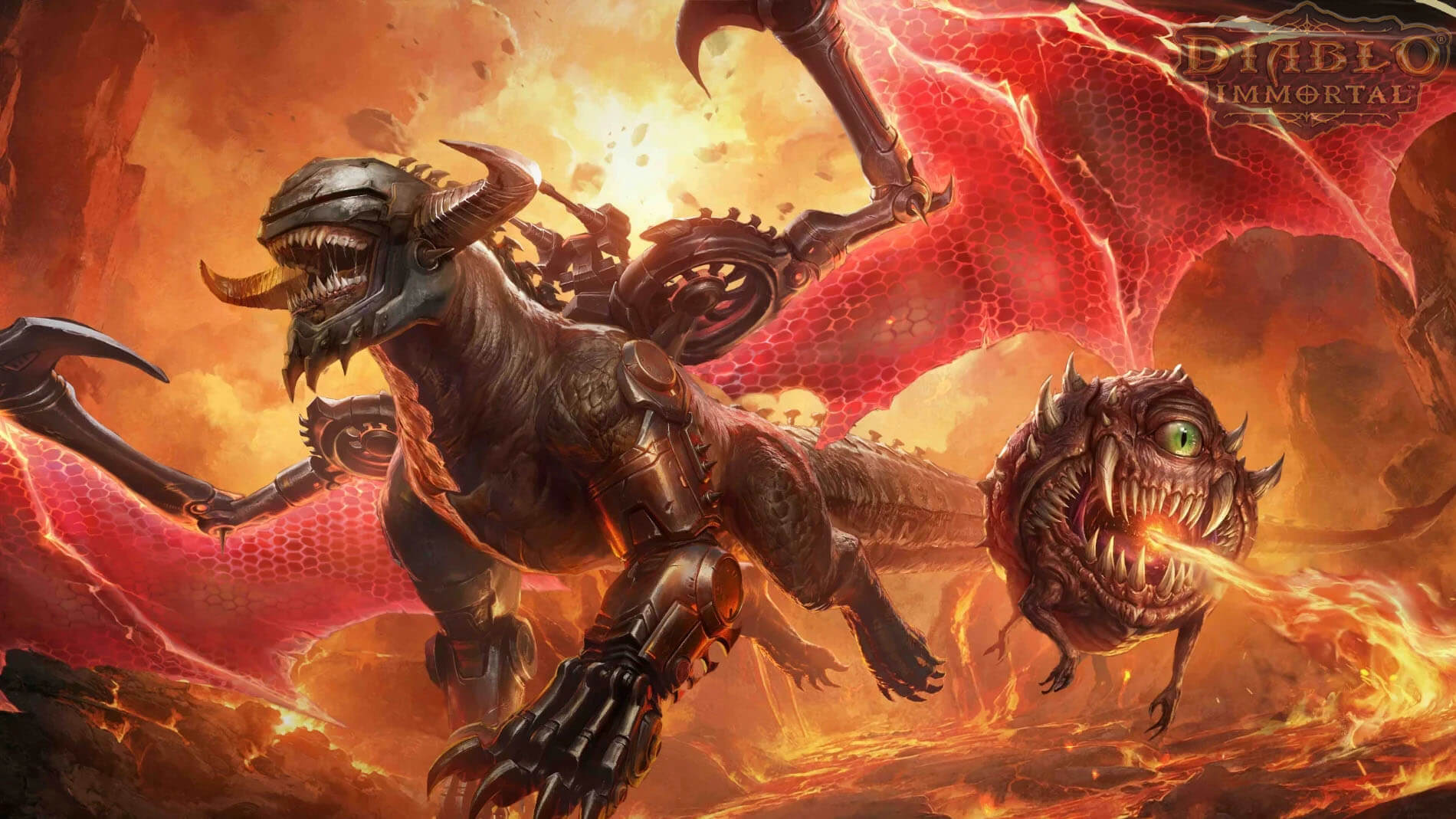 The "Slayer's Reign" event itself is designed to reward players for their engagement with a range of valuable items, prominently featuring Sentinel Forged Armory weapon cosmetics as part of a larger reward pool, which includes other "free exclusive" offerings. Including a Legendary Gem, Legendary Crests, Crests, and Set Gear suggests the event aims to provide significant progression advantages in addition to the cosmetic upgrades. This method guarantees that gamers remain driven to play not just for the aesthetic appeal but also for real improvements to their character's power and skills. Diablo Immortal attracts a larger spectrum of player incentives by combining utility and cosmetic benefits. The "10x Sentinel Forged Armory Weapon Cosmetic" emphasizes the significance of these themed items inside the event's prize architecture, therefore making them a key goal for several players. The event's main question, "A new Hell has called. How will you answer", acts as a thematic call to action, urging players to welcome the new difficulties and embody the spirit of the Slayer.
The Diablo Immortal "Slayer's Reign" event showcases a successful cross-franchise partnership with its "Sentinel Forged Armory" weapon cosmetics, "Phantom Market: Ruthless Hellwalker" armour, and "Slayer's Companions". Diablo Immortal has given players interesting new ways to personalize their characters and increase their immersion by using the unique and strong graphics of the DOOM universe. The focus on "weapons tempered for war" and the portrayal of the Slayer's relentless character using cosmetic elements strongly connects with the fundamental gameplay loops of Diablo Immortal. Moreover, the strategic inclusion of these appealing things as free prizes inside a larger event framework encourages participation and involvement from players. This project not only fascinates current fans of both companies but also provides a new and thrilling experience for all gamers, therefore highlighting the strong synergy that may be produced when famous worlds collide in deliberate and well-executed partnerships.
The "Slayer's Reign" event itself is designed to reward players for their engagement with a range of valuable items, prominently featuring Sentinel Forged Armory weapon cosmetics as part of a larger reward pool, which includes other "free exclusive" offerings. Including a Legendary Gem, Legendary Crests, Crests, and Set Gear suggests the event aims to provide significant progression advantages in addition to the cosmetic upgrades. This method guarantees that gamers remain driven to play not just for the aesthetic appeal but also for real improvements to their character's power and skills. Diablo Immortal attracts a larger spectrum of player incentives by combining utility and cosmetic benefits. The "10x Sentinel Forged Armory Weapon Cosmetic" emphasizes the significance of these themed items inside the event's prize architecture, therefore making them a key goal for several players. The event's main question, "A new Hell has called. How will you answer", acts as a thematic call to action, urging players to welcome the new difficulties and embody the spirit of the Slayer.
The Diablo Immortal "Slayer's Reign" event showcases a successful cross-franchise partnership with its "Sentinel Forged Armory" weapon cosmetics, "Phantom Market: Ruthless Hellwalker" armour, and "Slayer's Companions". Diablo Immortal has given players interesting new ways to personalize their characters and increase their immersion by using the unique and strong graphics of the DOOM universe. The focus on "weapons tempered for war" and the portrayal of the Slayer's relentless character using cosmetic elements strongly connects with the fundamental gameplay loops of Diablo Immortal. Moreover, the strategic inclusion of these appealing things as free prizes inside a larger event framework encourages participation and involvement from players. This project not only fascinates current fans of both companies but also provides a new and thrilling experience for all gamers, therefore highlighting the strong synergy that may be produced when famous worlds collide in deliberate and well-executed partnerships.